
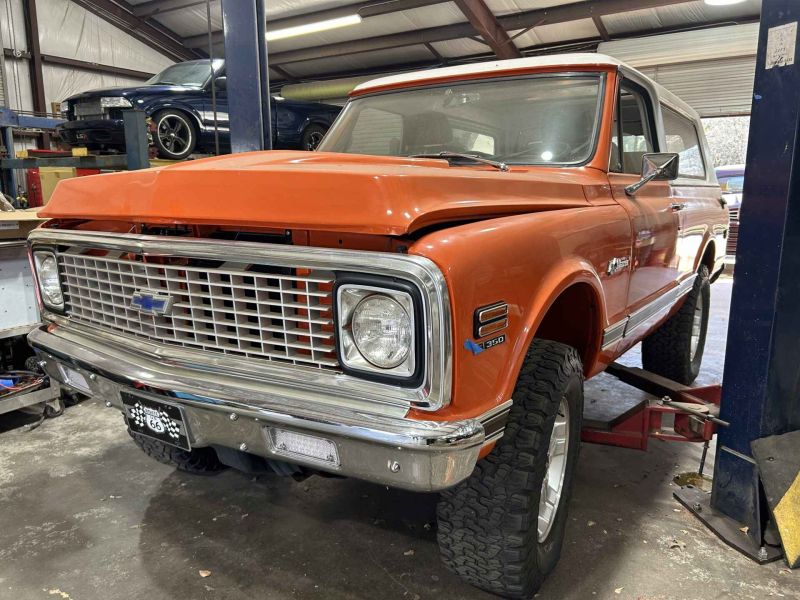
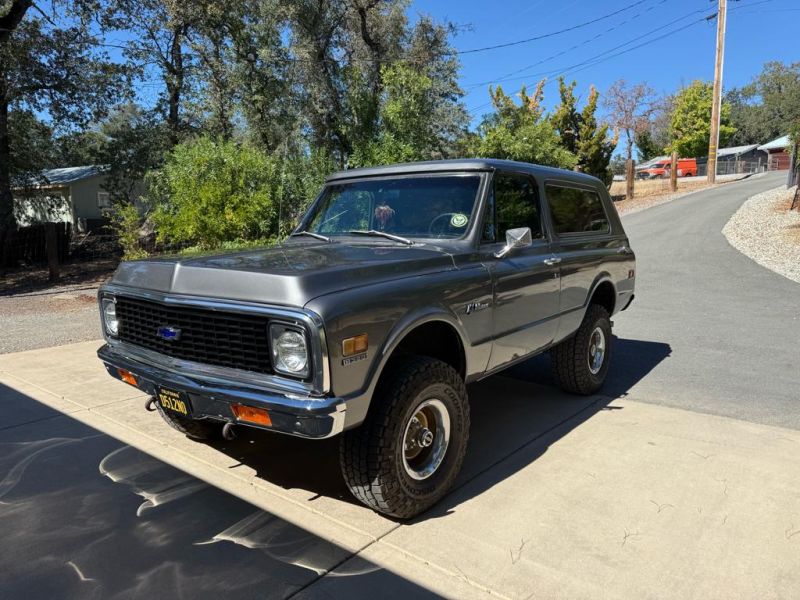
Scarcity is the single most reliable driver of price in this hobby, and the k5 blazer convertible top collector premium is one of the cleaner examples of that principle at work in the full-size truck market. Chevrolet built the true full-convertible K5 Blazer for a run of seven model years, 1969 through 1975, carrying the design across the 1973 squarebody chassis change before finally moving to a fixed-cab design for 1976, and that window created exactly the kind of supply constraint that pushes prices up decades later regardless of how the rest of the classic truck market moves.
Car Features
7 min read
Why Full-Convertible K5s Command a Premium
A market analyst breaks down why documented, original-top 1969-72 K5 Blazers command a premium over later half-top trucks, and what actually determines where a given truck lands in that range.
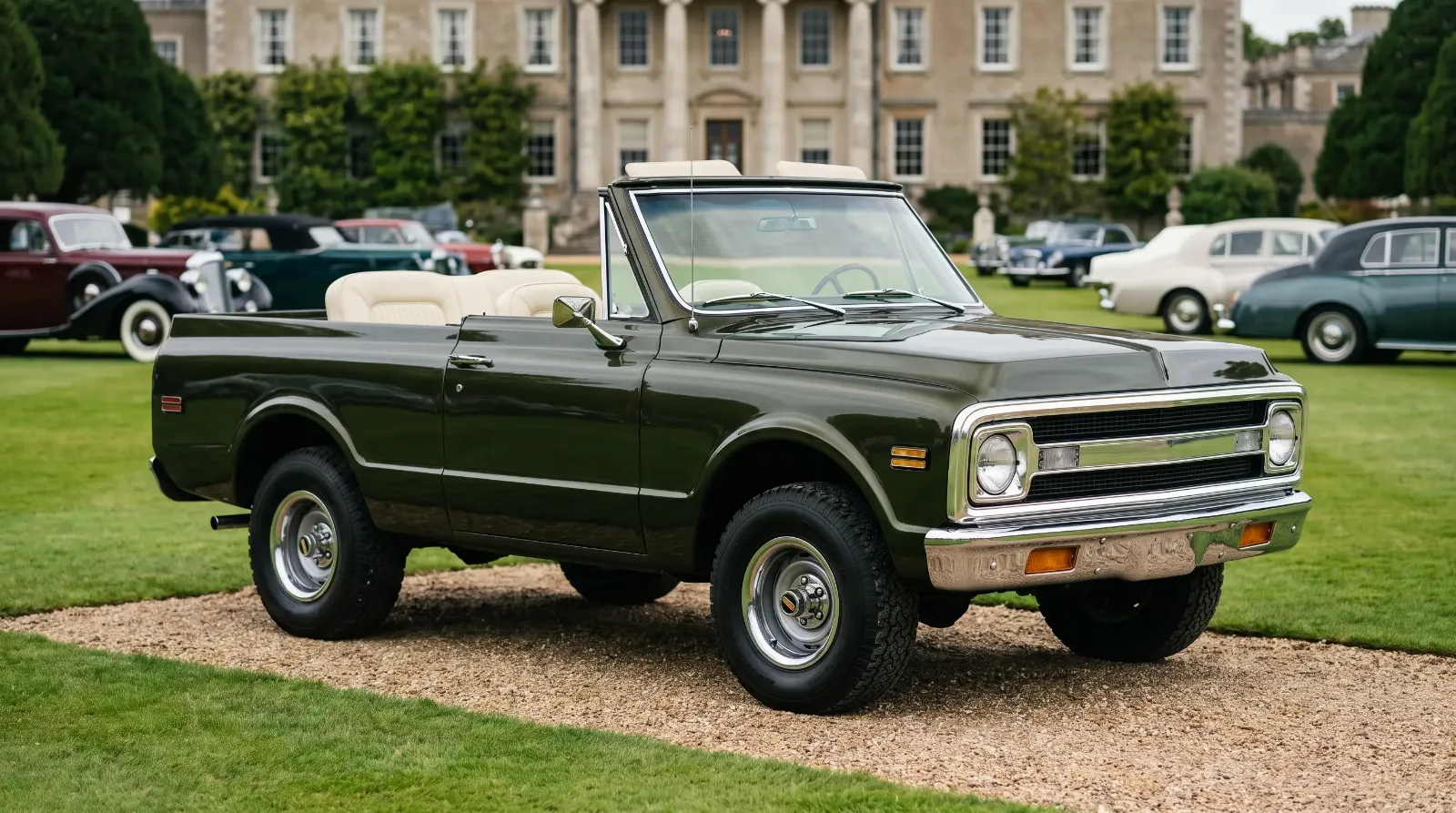
What the premium actually looks like in practice
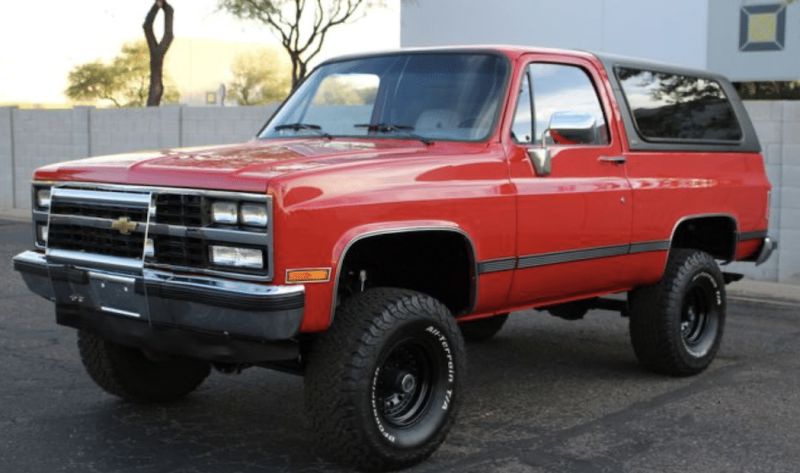
Well-documented, original-top examples from the 1969 through 1975 window routinely command a meaningful premium over comparable half-cab squarebody Blazers from 1976 onward, even when engine, drivetrain, and overall condition are otherwise similar. That gap widens further for trucks that retain their original, uncracked top hardware rather than a later reproduction. I will not pin an exact dollar multiple here, since published auction results move around too much by sale venue, condition grade, and the year in question to state a single reliable figure, but the direction of the premium is consistent across the market data I track.
What matters for a buyer is understanding which part of that premium is paying for genuine scarcity and which part is paying for restoration quality. A rough, incomplete 1970 with a rusted top shell is not automatically worth more than a pristine, correctly documented 1975 half-top. Rarity sets a ceiling. Condition and documentation determine where a given truck actually lands under that ceiling.
The documentation factor buyers underweight
A truck's build sheet, original window sticker, or period service records matter more for the full-convertible K5 Blazer than for most other classic trucks, because the top itself is the single component most likely to have been swapped, repaired, or replaced with reproduction hardware over fifty-plus years of ownership. A truck with clear documentation that its top is original to the vehicle, rather than a later addition or a mismatched replacement pulled from a parts truck, sits in a meaningfully different value tier than one without that paper trail.
Sellers know this, and listings for genuinely documented original-top trucks tend to lead with that fact prominently rather than burying it in a spec list. If a listing does not mention top originality clearly, that is itself worth treating as a data point. Ask directly before assuming.
| Factor | Effect on Value |
|---|---|
| Original 1969-75 full-convertible top, documented | Strongest premium in the segment |
| Original top, undocumented provenance | Meaningful premium, discounted for uncertainty |
| Correct reproduction top, well fitted | Modest premium over half-top, below original-top pricing |
| 1976-and-later half-top, original condition | Solid baseline value, wider supply keeps pricing steadier |
| Mismatched or poorly fitted top of any type | Value discount regardless of model year |
"Rarity gets you attention at an auction. Documentation is what gets you the winning bid at the price the rarity actually justifies."
- David Mercer
How condition grade interacts with the scarcity premium
Scarcity sets the ceiling, but condition still does most of the work determining where any individual truck lands. A concours-grade original-top Blazer with matching numbers, correct paint codes, and a fully documented ownership history sits at the very top of the market and draws serious bidding at major auction houses. A driver-quality example with the same original top hardware but a less pristine restoration history still commands a real premium over an equivalent half-top truck, just at a lower absolute number. And a project-grade truck needing significant work, even with an original top, requires the buyer to price in the cost of a proper restoration before the scarcity premium becomes meaningful at resale.
This is where I see buyers make the most expensive mistakes. They see "1969 Blazer, full top" in a listing headline and anchor on the segment's ceiling price without accounting for the actual condition grade in front of them. Treat the model year and top originality as one input among several, not a number that overrides everything else on the inspection sheet.
My read on where this segment is headed
The pool of documented, original-top examples is not growing. It can only shrink as decades pass, as tops crack, get replaced, or simply do not survive careless storage. That dynamic favors continued appreciation for the genuinely original trucks specifically, independent of whatever the broader classic truck market does in any given year. Half-top squarebody trucks, by contrast, benefit from a much larger surviving population, which tends to keep their pricing more closely tied to general condition and drivetrain desirability rather than pure scarcity.
My opinion, for what it is worth: a documented original-top 1969 through 1975 Blazer or Jimmy in solid, honest condition is a reasonable buy for a collector who wants exposure to the segment most likely to keep appreciating on scarcity alone. A rough example missing its documentation is a much harder recommendation. You would be paying rarity-adjacent pricing for a truck that cannot actually prove the thing making it rare. Read the background on how the design came to be so short-lived before you shop, since understanding why the window was so narrow helps explain why the premium holds up as well as it does.
If you are ready to shop this segment with eyes open, find a classic K5 Blazer and compare listings against the factors above before you make an offer. Ask for documentation first. Let the seller's answer, not the asking price, tell you whether the premium being charged is actually earned.
Liquidity is the part sellers rarely mention
A high price at one auction does not automatically mean a truck sells quickly at a similar number the next time it changes hands. The buyer pool for documented, original-top full-convertible K5 Blazers and Jimmys is smaller than the buyer pool for the broader squarebody truck market, which means these trucks can take longer to sell even at a fair price, simply because fewer people are actively shopping that narrow a category at any given moment. That is not a reason to avoid the segment. It is a reason to buy with patience and sell with patience, and to avoid assuming the scarcity premium translates directly into a fast, easy resale whenever you eventually decide to move the truck along.
Factor holding costs and a longer expected sale window into any purchase in this segment. The premium is real, but it comes with a liquidity tradeoff that a lot of first-time buyers in this space do not price in until they are the ones trying to sell.
Bottom line for anyone weighing this purchase: buy the documentation as much as you buy the truck, budget for a slower sale than the sticker premium might suggest, and treat condition grade as the deciding factor once scarcity has done its work setting the ceiling. That combination is what separates a smart acquisition in this segment from an expensive lesson in how rarity alone does not guarantee a good return.
Sources and notes
Related Reading
Have a
Chevrolet Blazer
for Sale?
Reach thousands of serious classic car collectors across the US.
Sell It Here →
Selling a classic? Here's how: sell my classic car
Are You a Classic Car Dealer?
List your full inventory and connect with targeted classic car buyers.
Join as a Dealer →

About the author
David Mercer
Classic car market analyst with two decades of experience tracking collector car valuations, auction results, and investment trends.
Paying a premium for an original top that's been off and on for fifty years? Rule of thumb: inspect the latch points before the paperwork. Fatigued mounts let go at highway speed.
Kurt, agreed that paper doesn't hold a top on. Inspection comes first, always. My point is narrower: put two tops in equal physical condition side by side, one with a paper trail tying it to the truck and one without, and they sell at different numbers. A fatigued mount is a condition problem, and it discounts both trucks equally.
nah, the latches aren't the weak spot. i've seen more of those tops crack at the windshield header bolts from guys cranking them down too tight than let go on a highway.