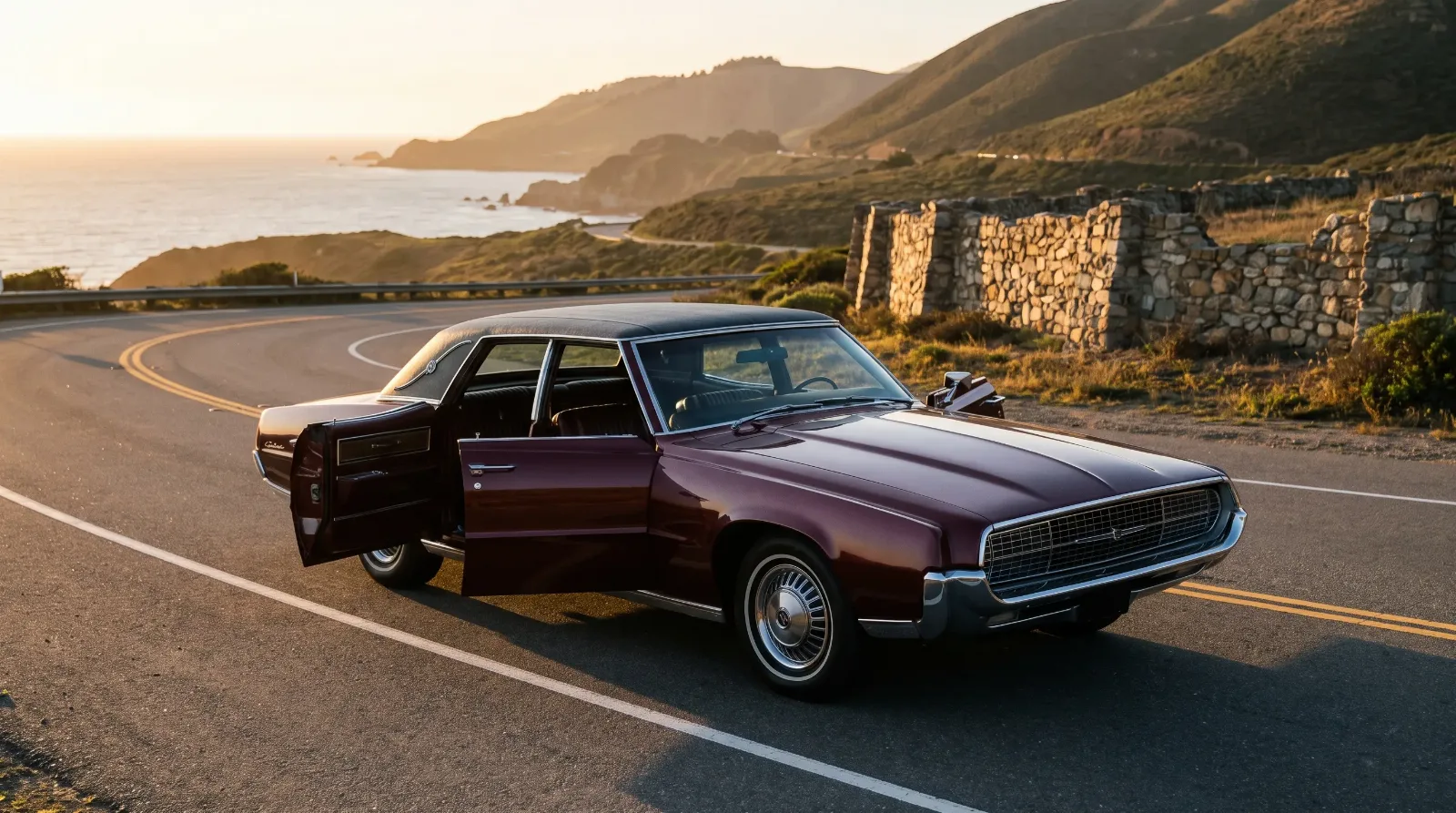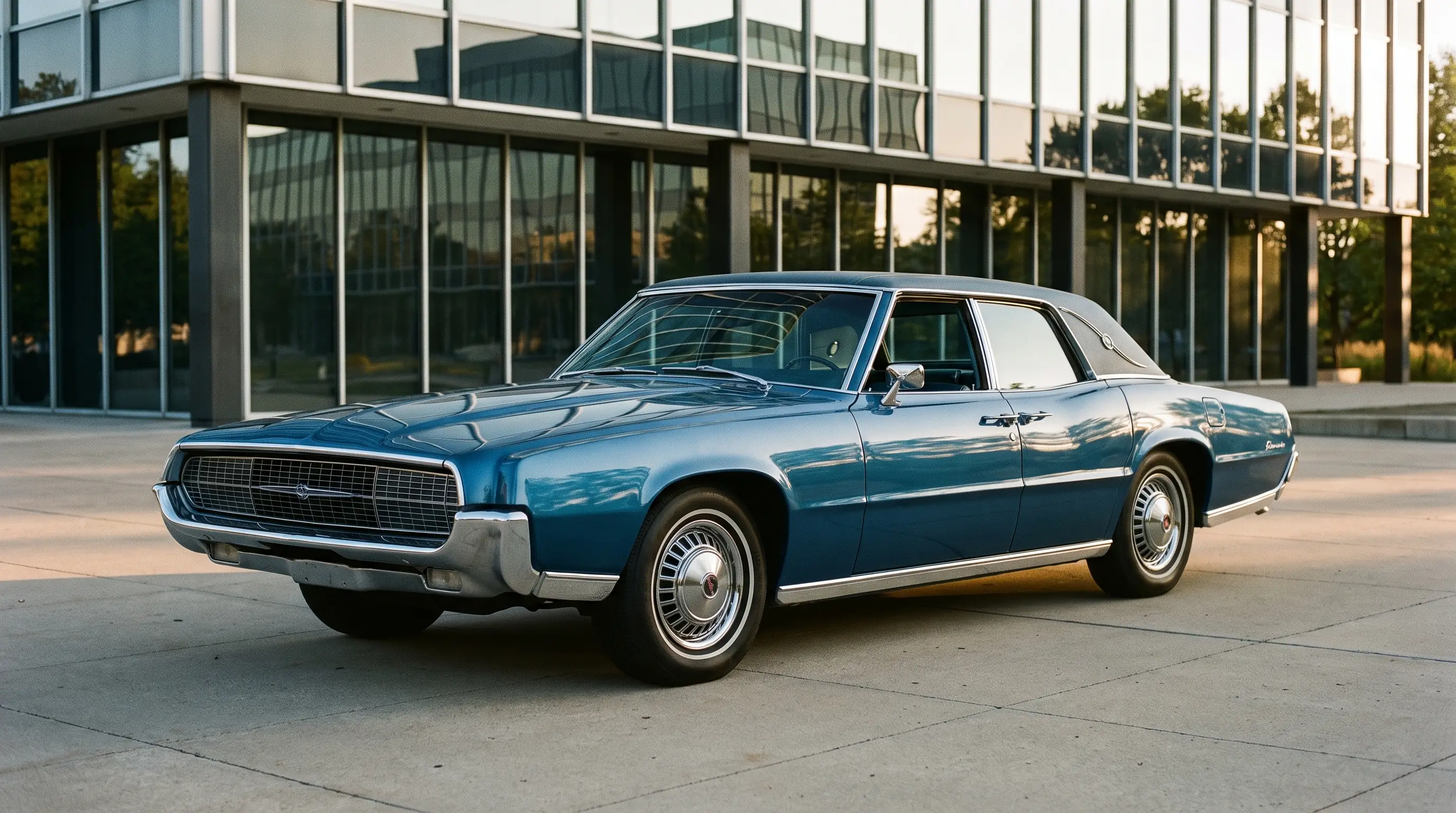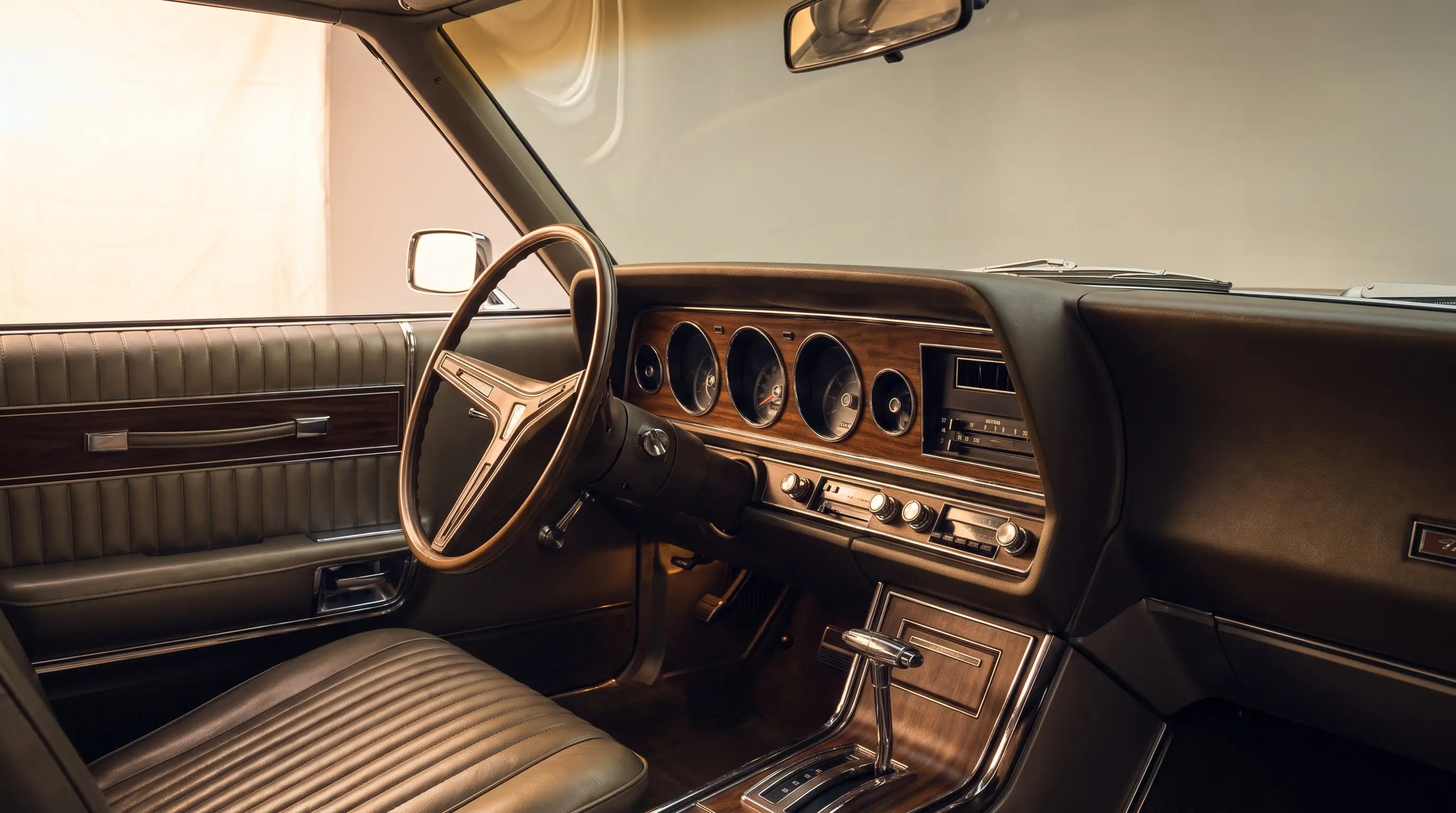
1967 thunderbird value discussions tend to get muddled because people lump five different model years and three different body styles into one blanket conversation. That is a mistake. The fifth-generation Thunderbird, built from 1967 through 1971, is a genuinely varied field when it comes to collector interest and pricing, and buyers who understand where the actual demand sits will make far better purchasing decisions than those who assume every "Glamour Bird" era car commands the same money.
Where demand actually concentrates
Two-door hardtops and two-door Landaus consistently draw stronger interest and higher prices than the four-door Landau, despite the four-door's genuine rarity and historical significance as the only four-door Thunderbird body style Ford ever built. This is not a knock on the four-door's importance, it is simply a reflection of what collectors actually chase: coupe silhouettes remain more broadly desirable than four-door configurations across nearly every American collector car segment, and the Thunderbird follows that pattern despite its own unique story. Buyers specifically seeking the four-door for its rarity and historical interest can often find well-preserved examples at prices below comparable two-door cars, which represents a real opportunity for collectors who value what the car represents over pure resale liquidity.
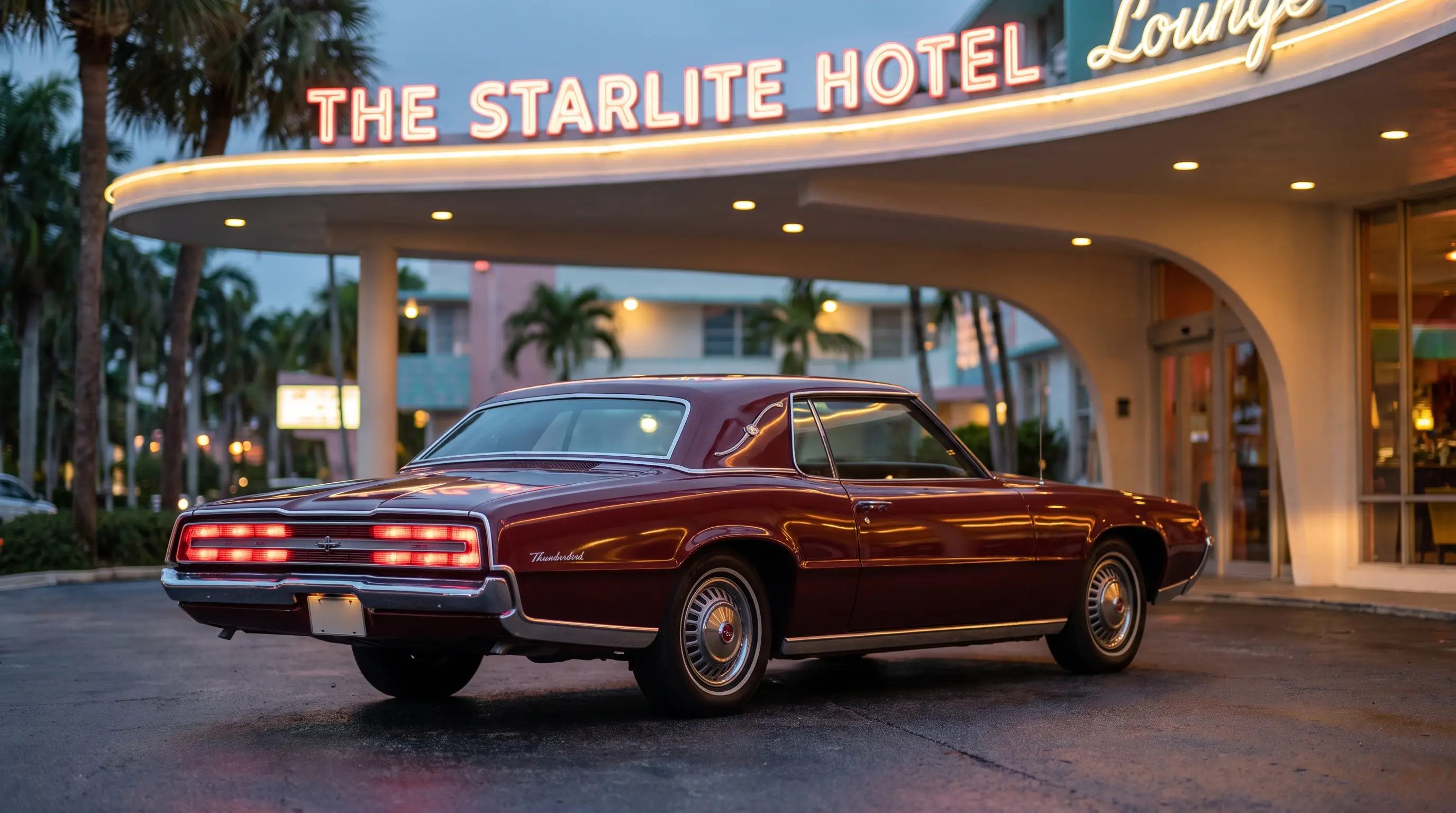
Within the two-door field, the original 1967 model tends to draw a modest premium as the introduction year for this generation's redesign, while 1970 and 1971 cars with the polarizing pointed front-end treatment see more mixed demand, some buyers actively seeking that distinctive look and others avoiding it in favor of the earlier hidden-headlight design. 1968 and 1969 cars generally sit in the middle of this range, benefiting from the established fifth-generation design without either the introduction-year premium or the divisive later styling.
Condition and documentation drive real pricing
More than model year or body style, condition and documentation are what separate a strong-value fifth-generation Thunderbird from a weak one. A rough driver-quality car with mismatched paint and a tired interior will bring modest money regardless of body style or year, while a well-documented, numbers-matching example with original color combination and functioning power accessories commands a genuine premium. Build sheets and Marti Reports, where available, confirm original engine, trim, and options, and cars that can prove their originality this way consistently outperform undocumented examples at auction and in private sale, even when the underlying condition looks similar to the eye.
| Factor | Impact on value |
|---|---|
| Body style | Two-door hardtop and Landau generally outsell four-door Landau |
| Model year | 1967 carries introduction-year interest; 1970-71 nose treatment splits buyers |
| Documentation | Build sheets and Marti Reports meaningfully lift confirmed-original cars |
| Originality | Correct engine, color, and trim combinations outperform modified examples |
| Condition | Functioning power accessories and intact interiors carry real premiums |
"I tell buyers the same thing every time: do not pay for rarity alone. A rare four-door Landau in mediocre condition is still a mediocre car, and the market prices it that way. Pay for documented originality and honest condition first, and let rarity be a bonus, not the reason you buy."
- David Mercer
Why this generation remains an accessible entry point
Compared to earlier Thunderbird generations, particularly the original 1955-57 two-seat cars, the fifth generation remains a genuinely accessible entry point into Thunderbird ownership for most collectors. Production numbers across 1967-71 were substantial enough that surviving examples are not especially scarce, which keeps prices grounded relative to rarer, earlier Thunderbirds while still delivering the styling, comfort features, and historical significance that define this generation's appeal. That accessibility is a real strength for buyers entering the hobby, since it allows for a more forgiving learning curve on inspection and negotiation than a genuinely rare and expensive classic would permit.
For readers who want our complete history of this generation before evaluating a specific car, the 1967 redesign is the right starting point, since understanding why Ford built the car this way informs how to judge originality and value on any individual example.
Practical buying guidance
Buyers evaluating a specific car should prioritize rust inspection in the rear quarter panels, trunk floor, and lower fender areas, since structural corrosion remains the single largest threat to value across this generation regardless of body style or year. Mechanical originality matters less than sound overall condition for most buyers, since the 390, 428, and 429 cubic inch V8s used across this generation are well understood and reasonably serviceable, but a car with its original matching engine still commands a documentation premium over one with an unknown or replaced unit. Interior condition deserves equal weight to exterior condition in any value assessment, given how heavily this generation's appeal rests on cabin comfort and detailing rather than performance.
Buyers ready to shop should browse classic Thunderbird listings with this pricing structure in mind, comparing multiple examples across body style, year, and documentation before committing to a purchase.
How auction results compare to private sale
Public auction results for fifth-generation Thunderbirds provide useful data points, but they should be read carefully rather than taken as a simple average of what any given car is worth. Auction premiums and fees, the specific audience present on sale day, and the marketing effort a consignor put into a particular lot all move final hammer prices independent of the car's underlying condition. A genuinely exceptional example sold with minimal advance marketing at a smaller regional auction can bring less than a merely good example sold with a full marketing push at a major national event. Private sale numbers, by contrast, tend to move more slowly and reflect a narrower, more informed pool of buyers who have usually done their homework on comparable sales before making an offer, which is why serious collectors often track both channels rather than relying on either one alone when forming a view of current market value.
Seasonal timing plays a role as well, with spring and early summer generally producing stronger results across the collector car market broadly, fifth-generation Thunderbirds included, as buyers shop ahead of the summer show and cruise-in season. A car listed in late autumn or winter may take longer to sell or require a more competitive asking price, not because of any change in the car's actual desirability but simply because fewer active buyers are shopping during those months. Sellers and buyers who understand this seasonal rhythm tend to negotiate more effectively than those who treat every listing as happening in a vacuum.
A realistic view of appreciation potential
Buyers hoping for significant appreciation from a fifth-generation Thunderbird purchase should set realistic expectations. This generation's substantial production numbers mean it is unlikely to see the kind of dramatic value increases that genuinely scarce, low-production classics sometimes experience. That is not a criticism of the car, simply an honest read of supply and demand fundamentals. What buyers can reasonably expect is a car that holds its value well when properly documented and maintained, provides genuine enjoyment through club participation and regular driving, and offers a lower entry cost into serious classic car ownership than many other collector segments. For buyers approaching this generation as a long-term hobby purchase rather than a speculative investment, that combination of accessibility, historical significance, and honest driving experience remains the strongest case for buying one today.
Sources and notes
- 1969 Ford Thunderbird - Hagerty Valuation Tools
- 1970 Ford Thunderbird - Hagerty Valuation Tools
- Ford Thunderbird (fifth generation) - Wikipedia
- 1967 Ford Thunderbird Q-Code Four-Door Landau - Hagerty Marketplace
- Curbside Classic: 1971 Ford Thunderbird Four Door Landau
- Marti Auto Works (Ford production records)