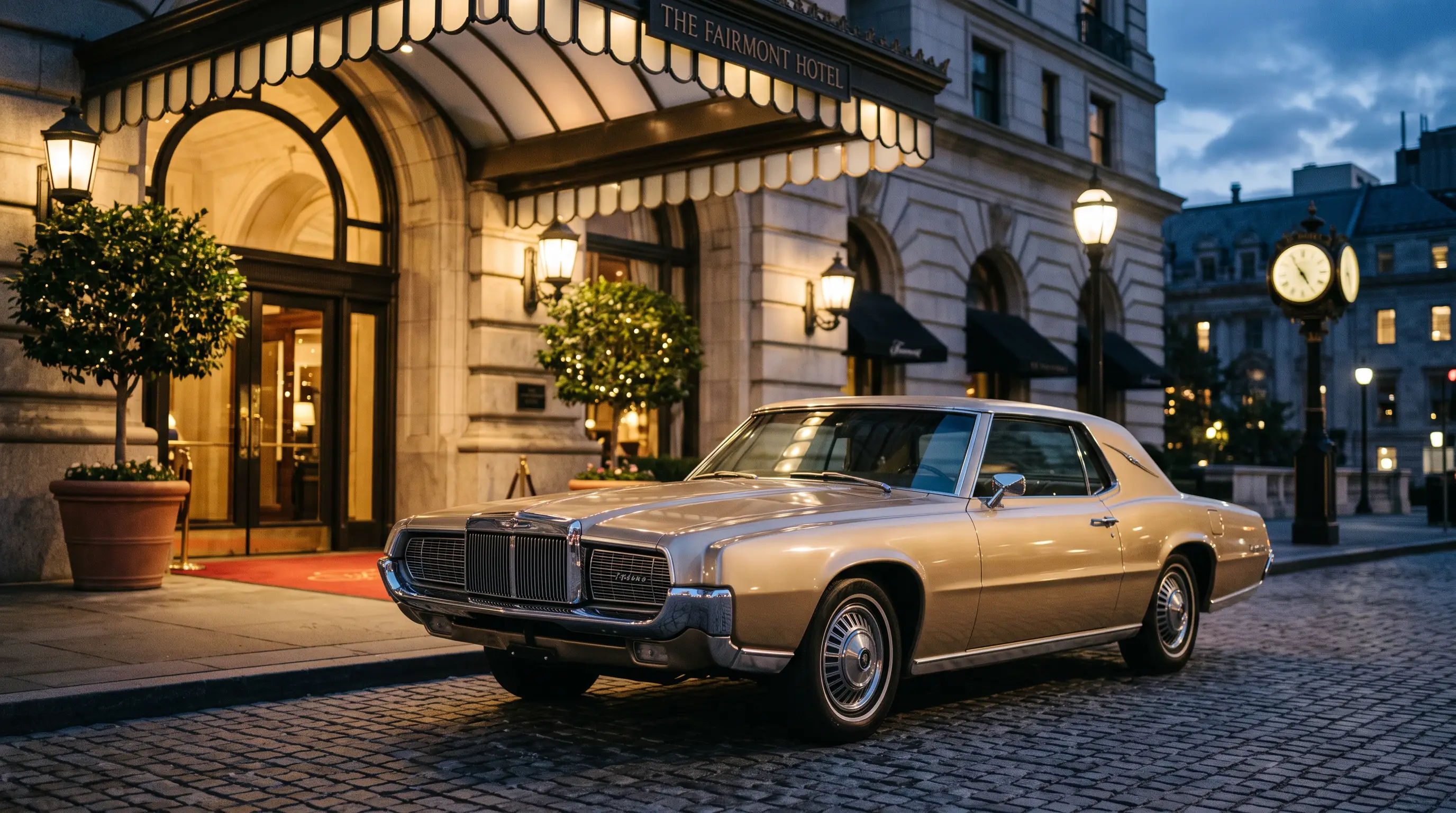
I was at a regional Thunderbird club meet a few years back, standing next to a beautifully kept 1969 Landau, when an older gentleman leaned over and said something I've never forgotten: "You know, my father cross-shopped this against a Continental." I laughed, thinking he was exaggerating for effect, and he wasn't. He pulled out a folder of family paperwork, receipts, even a old brochure his father had kept from the dealership. By the late 1960s, the Ford Thunderbird had genuinely crept into territory that used to belong exclusively to Lincoln, and this man's family history was living proof of it.
How the thunderbird lincoln luxury gap started closing
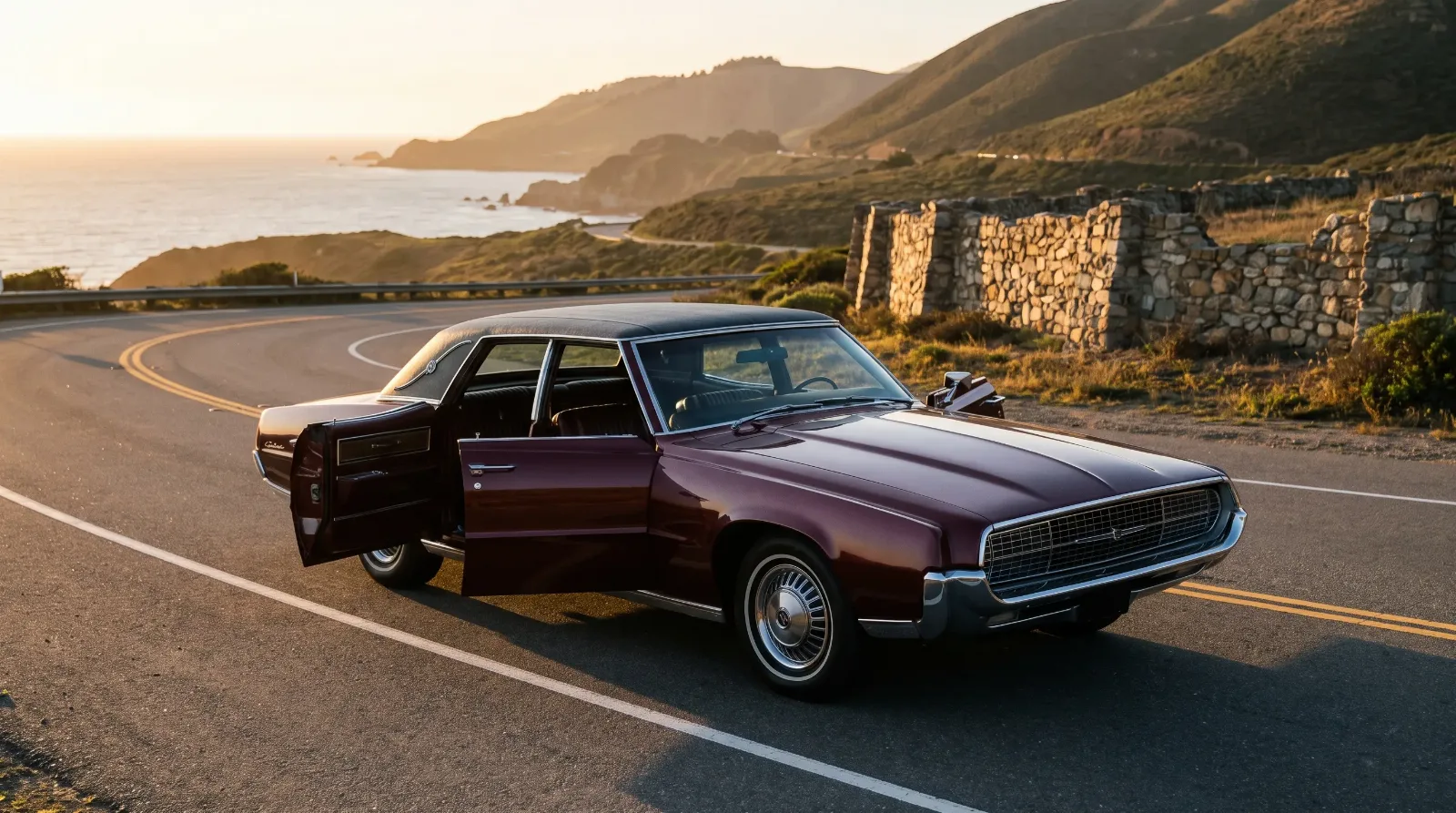
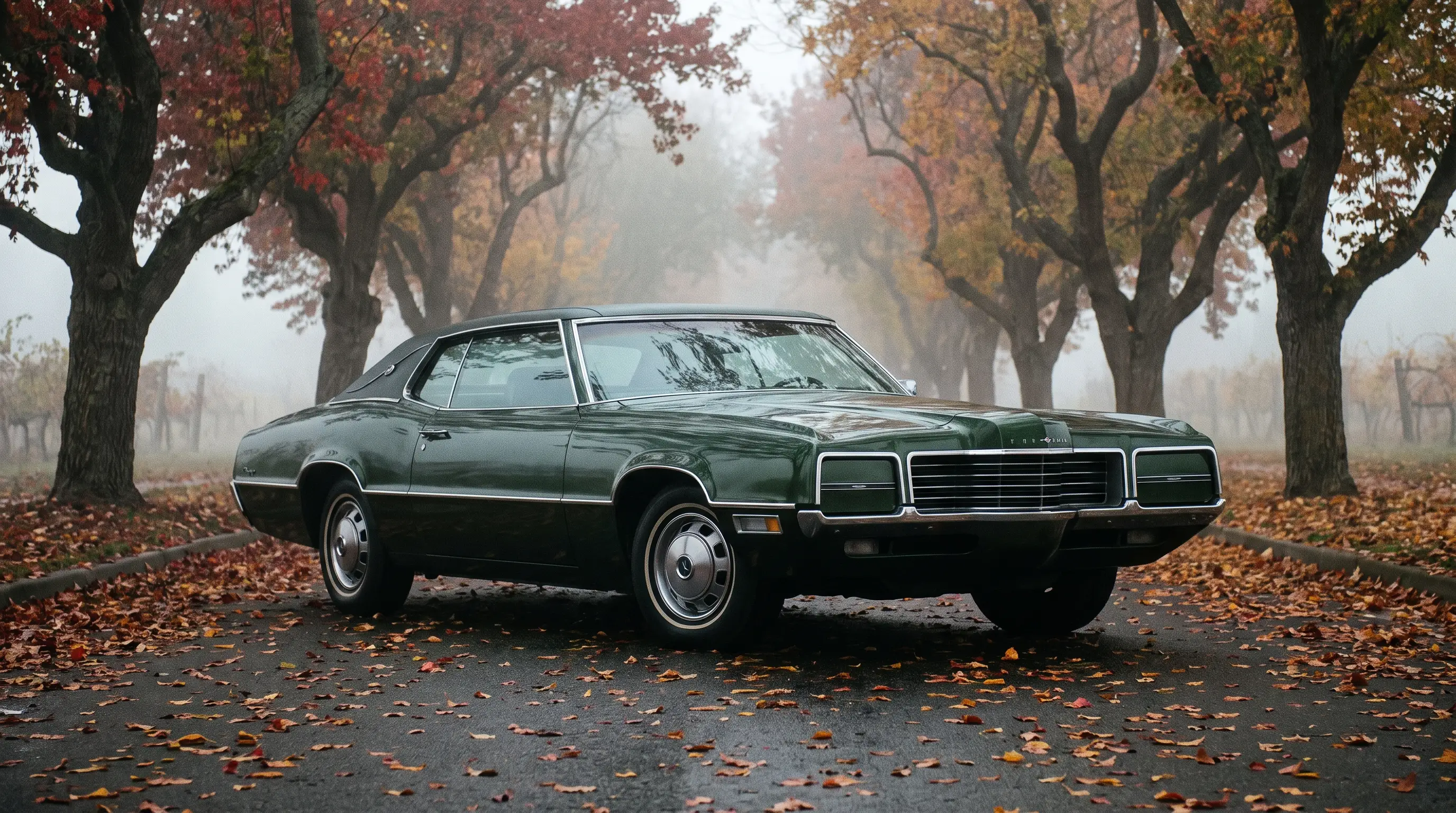
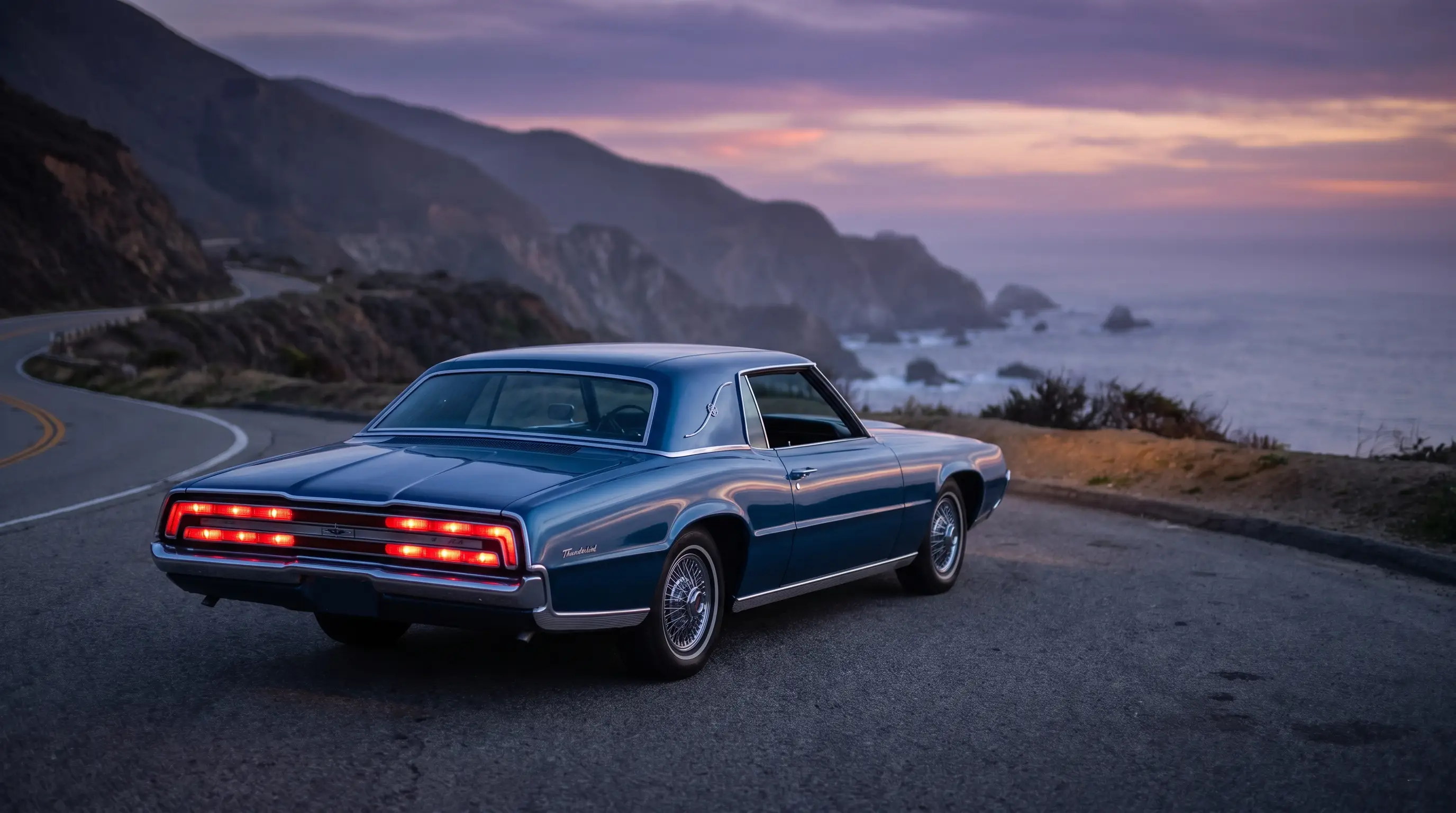
The Thunderbird had always carried some luxury pretension, going back to its 1958 reinvention as a four-seat personal car rather than a two-seat sports car. But the fifth generation, launched in 1967, pushed that positioning further than any Thunderbird before it. The car grew larger, added a four-door body style with rear-hinged doors, and layered on options like genuine leather upholstery, air conditioning, and a driver-oriented dashboard that made the cabin feel more like a private study than a sports coupe. Ford's own marketing leaned into this shift, positioning the Thunderbird less as a fun weekend car and more as a serious, adult luxury purchase, the kind of car a successful professional might buy instead of stepping up to a Lincoln.
That was a deliberate strategy, not an accident. Ford had watched buyers migrate toward larger, more comfort-oriented personal cars throughout the 1960s, and the Thunderbird's price point sat conveniently below full Lincoln money while still delivering most of the comfort and prestige buyers wanted. A well-equipped Thunderbird landed close enough to entry-level Lincoln pricing that Ford could pitch it as the smart alternative, and plenty of buyers took that pitch seriously, including the father of the gentleman I met at that club meet.
The four-door Landau as a Lincoln-style statement
Nothing captured this upmarket push better than the four-door Landau. Before 1967, a four-door body on a Thunderbird would have been unthinkable. It went against everything the nameplate had stood for since 1955. But by adding rear-hinged doors and a genuinely spacious back seat, Ford gave the Thunderbird a body style that competed directly against smaller Lincoln sedans on practicality while still wearing the Thunderbird's distinctive hidden headlights and sculpted flanks. It was an unusual hybrid idea, a personal luxury coupe's styling wrapped around a genuine family sedan's functionality, and it stayed in the Thunderbird lineup all the way through 1971.
Engines built for cruising, not racing
Mechanically, this upmarket shift showed up in how the Thunderbird was engineered rather than in outright horsepower numbers. The 390 cubic inch V8 served as the base engine through the late 1960s, with the larger 428 and later 429 cubic inch V8s available for buyers who wanted more effortless highway pull. SelectShift automatic transmission was standard across the board, front disc brakes came standard for confident stopping power in a car that could weigh well over two tons, and power steering and power brakes were included to keep the driving experience light and easy. None of this chased Lincoln's outright size or ultimate ride isolation, but it moved firmly in that direction, prioritizing smoothness and comfort over the sportier character the Thunderbird nameplate had carried in earlier decades.
"Every club has a story like the one I heard at that meet, a family that genuinely weighed a loaded Thunderbird against a Lincoln and picked the Thunderbird on its own merits, not as a consolation prize. That's not folklore. That's exactly what Ford was building toward with this generation."
- Wayne Coburn
Where this positioning eventually led
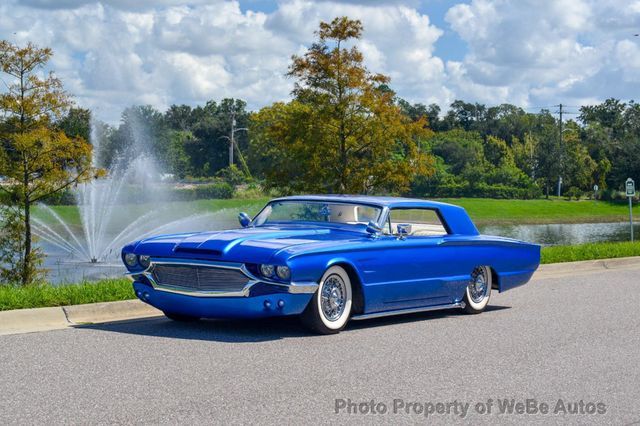
This upmarket drift did not stop with the fifth generation. When Ford replaced the Thunderbird platform for 1972, the new car shared its underlying structure directly with the Lincoln Continental Mark IV, formalizing a relationship that the late-1960s cars had only implied through pricing and equipment levels. Looking back, the 1967 to 1971 Thunderbird reads as the bridge between the sportier, more affordable Thunderbirds of the early 1960s and the genuinely Lincoln-adjacent personal luxury coupes that followed in the 1970s. If you want the full context on how that bridge got built in the first place, our 1967 ford thunderbird retrospective covers the redesign that started it, and it pairs well with a related story on the styling choices Ford made to sell that upmarket move to buyers.
What this means for collectors today
For today's collector, this history matters because it explains why a well-optioned fifth-generation Thunderbird still feels genuinely luxurious rather than merely dressed up. The leather, the sound insulation, the driver-focused dash layout, none of it was an afterthought bolted onto a sportier car. It was the point of the car, built into the design from the ground up as Ford chased buyers who might otherwise have walked straight into a Lincoln showroom. That intent shows up in how these cars drive today: quiet, composed, more interested in covering long highway miles comfortably than in carving corners.
Club gatherings are full of stories like the one that started this piece, families who chose the Thunderbird over a Lincoln and never looked back, and those stories are part of why this generation still draws a loyal following at meets across the country.
What the price gap actually looked like
The man at that club meet eventually let me look through his father's dealership paperwork, and the numbers told their own story. A loaded 1969 Thunderbird Landau, with air conditioning, leather, and the larger V8, started around 5,000 dollars and could climb well past that with options, priced out close enough to a base Lincoln Continental hardtop or sedan, which listed for roughly 5,800 to 6,000 dollars that year, that the decision genuinely came down to taste rather than budget. That is a remarkable thing for a Ford-badged car to pull off against a Lincoln, and it explains why period magazine advertisements for the Thunderbird so often photographed the car parked in front of country clubs and professional offices rather than open highways. Ford was not selling horsepower with these ads. It was selling the idea that a Thunderbird buyer had already arrived, financially and socially, without needing to spend Lincoln money to prove it.
That pricing strategy also shaped how dealers pitched the car on the showroom floor. Salesmen were trained to walk hesitant Lincoln shoppers over to the Thunderbird line specifically, pointing out the shared comfort features and suggesting that the difference in badge prestige was not worth the difference in price. Whether that pitch worked on any given customer is impossible to know at this distance, but the fact that Ford trained for it at all tells you the company saw the Thunderbird and Lincoln as genuine internal competitors for the same buyer's attention, not as two products serving entirely separate markets.
If that kind of quiet, confident luxury appeals to you, a patient search through current inventory is the best way to find a well-documented example of Thunderbirds for sale now.
The Thunderbird climb toward Lincoln placed it among the era personal luxury cars, a segment explored in the classic luxury car story.
Sources and notes
- Ford Thunderbird (fifth generation) - Wikipedia
- 1969 Ford Thunderbird Landau 4-Door - J.D. Power
- 1969 Lincoln Continental 4-Door Sedan - J.D. Power
- Was 1969 the beginning of the end for the Thunderbird four-door Landau - Indie Auto
- 1969 Ford Thunderbird - Hagerty Valuation Tools
- Lincoln Continental Mark III - Wikipedia