
Ask ten guys at a cruise night what makes a car a street rod and you will get ten answers. Ask them where the line sits, and the smart ones all say the same thing: 1948 and earlier. That single year is the fence post the whole hobby leans on. A 1932 Ford, a 1940 Chevy, a 1947 Plymouth. All fair game. A 1949 anything, and you are standing in a different yard.
Car Features
6 min read
The Pre-1949 Cutoff Explained
The street rod definition hinges on one year: 1948. Here is where the NSRA cutoff comes from, why the body change matters, and where later cars belong.
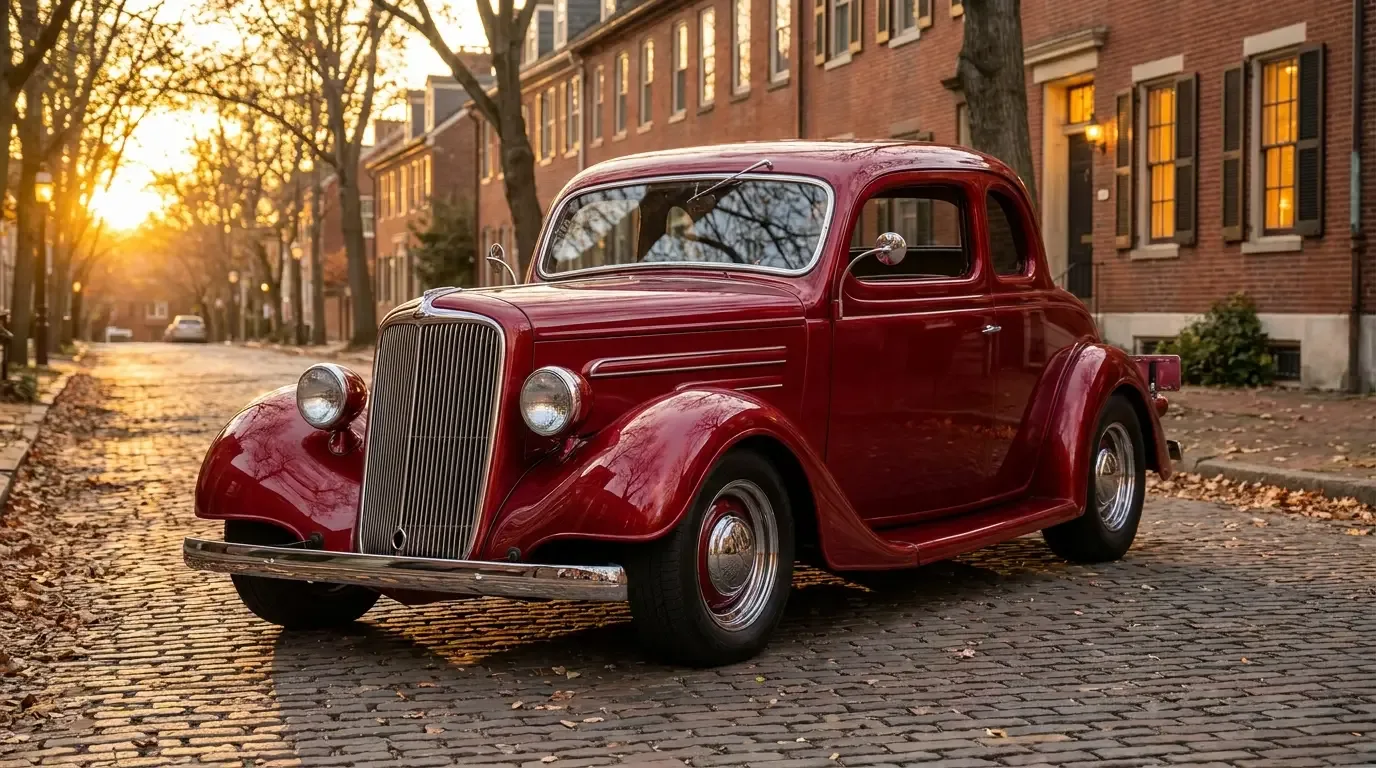
I have built cars on both sides of that line, and I can tell you the cutoff is not arbitrary snobbery. It comes from the National Street Rod Association drawing a bracket around the pre-1949 American car, and it tracks a real change in how Detroit built bodies. Once you understand why 1948 is the wall, the rest of the street rod definition stops being fuzzy.
Where the 1948 line actually comes from
The NSRA formed in 1970 and needed a working boundary for what belonged at its events. It settled on 1948 and earlier, meaning a car whose body left the factory in the 1948 model year or before. That rule is still the standard the club runs its Nationals under today, and because the NSRA became the center of gravity for the hobby, everyone else fell in behind it.
The reason 1948 and not some rounder number is history, not preference. Through the 1930s and into the war years, American cars still carried a lot of prewar design language: separate fenders, tall greenhouses, running boards, upright grilles. When civilian production restarted after 1945, the 1946 through 1948 cars were essentially warmed-over 1942 designs. Then the 1949 model year hit, and Ford, GM, and the rest rolled out the first true postwar bodies. Slab sides, integrated fenders, lower and wider stances. The look that defines a street rod stops right there.
Why the shape matters more than the calendar
People hear a date and assume it is about age. It is not. It is about proportions. The pre-1949 body has the tall, upright silhouette that takes a hot rod treatment well. Chop the top, drop it over a modern chassis, and the fenders and grille still read as a rod. Those bones were drawn in an era when a car looked like a stack of distinct parts, and hot rodders learned to sculpt exactly that shape.
Try the same recipe on a 1955 Chevy and you get something great, but you do not get a street rod. You get a custom or a restomod. The envelope body does not want a chopped top and open fenders the way a 1934 coupe does. So the cutoff is really the hobby protecting a specific look, and the date is just the cleanest way to enforce it. If you want the fuller breakdown of the traits, our piece on What Defines a Street Rod walks through the whole checklist.
"I tell customers the year on the title matters less than the shape in the driveway. Pre-1949 gives you fenders and a grille you can build a rod around. After that, you are building something else, and there is nothing wrong with that. Just call it what it is."
Jim Vasquez
What the cutoff includes and what it leaves out
The bracket is wider than people think. It is not just Deuce coupes and Model A roadsters. Any American passenger car with a 1948-or-earlier body qualifies, which pulls in a lot of overlooked iron. Here is how the eras sort out.
| Body era | Example years | Street rod status |
|---|---|---|
| Prewar classic | 1928 to 1934 | Core street rod territory |
| Late prewar | 1935 to 1941 | Fully eligible, growing in popularity |
| Early postwar | 1946 to 1948 | Eligible, last of the traditional bodies |
| Envelope body | 1949 and later | Restomod or custom, not a street rod |
That 1946 to 1948 window is where I see people get surprised. A 1947 Ford business coupe or a 1948 Chevy Fleetline is every bit as legitimate a street rod platform as a 1932. They just do not have the same magazine-cover fame, which means they often cost less to get into. The date does not judge desirability. It only marks the body change.
Where the later cars go instead
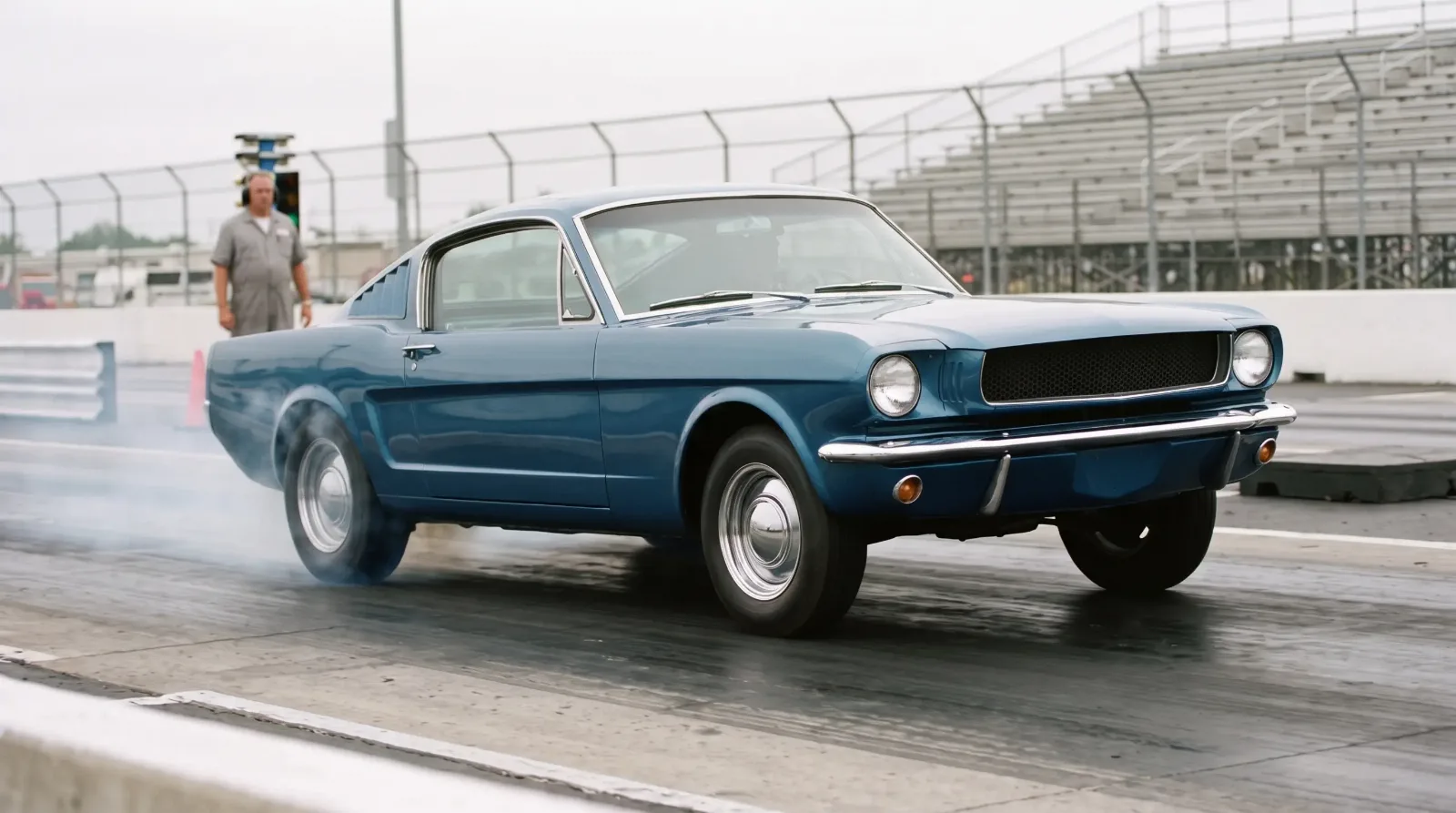
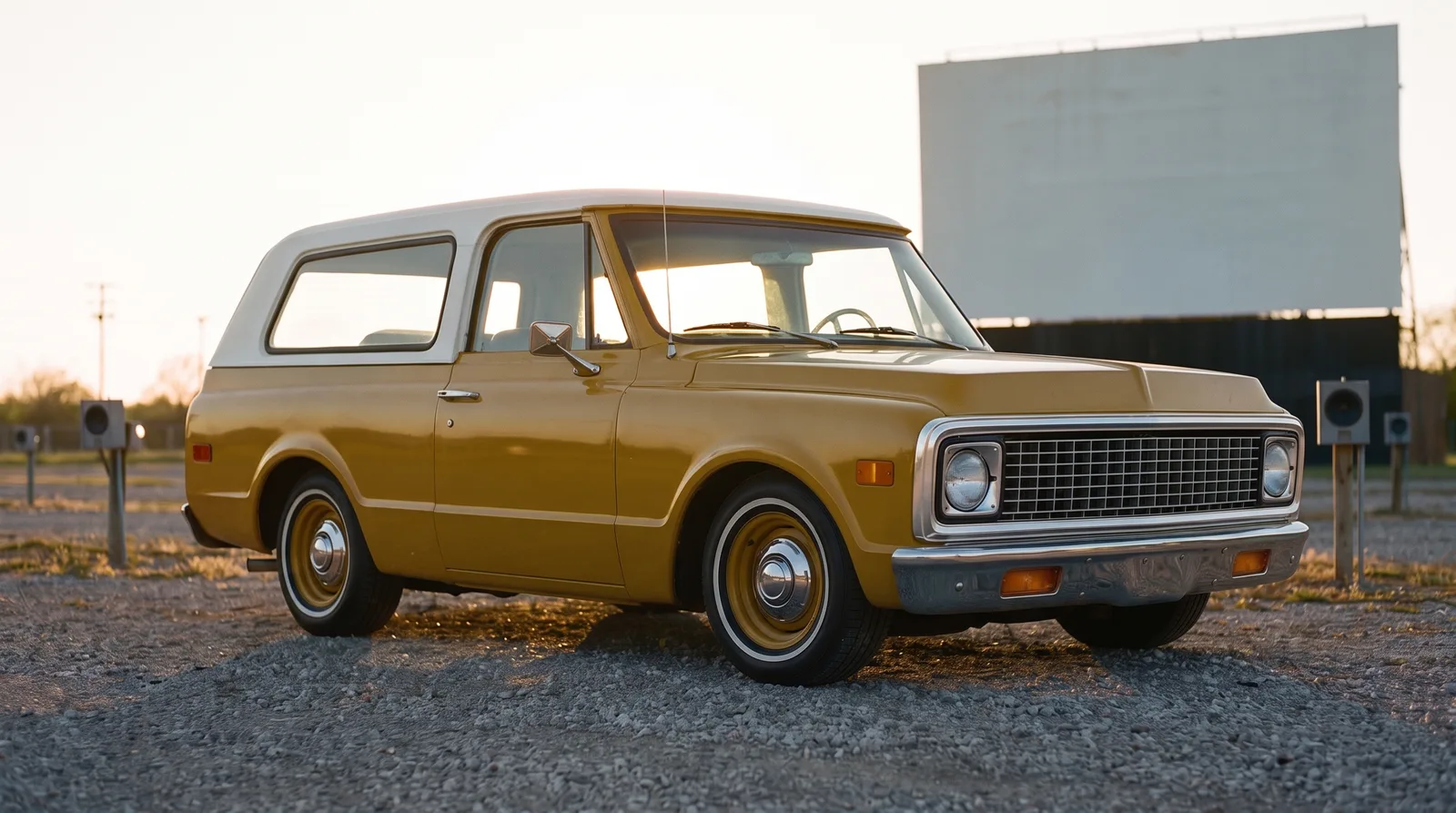
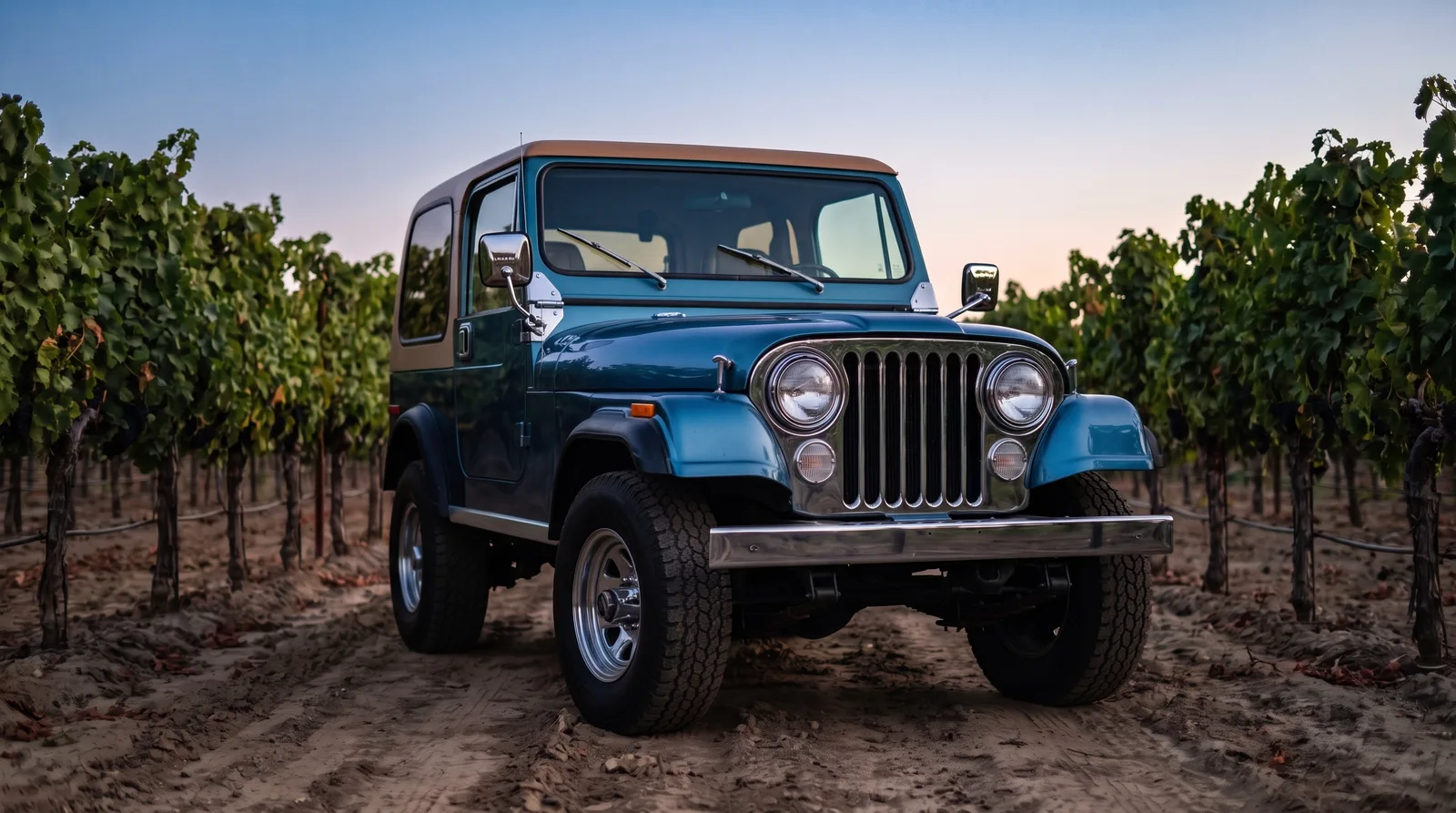
None of this means a 1949-and-newer car is second class. It just belongs to a different family. A modernized 1950s or 1960s car with a crate motor, big brakes, and modern suspension is a restomod or a pro-touring build. Same modern-drivetrain philosophy, different starting body. The engineering under the car can be identical. The label changes because the body crossed the line.
This is exactly the split we cover in street rod vs hot rod, and it is worth keeping straight because it affects everything from show classes to what parts fit. A street rod hobbyist and a pro-touring builder shop from different catalogs. If you want the origin of how the pre-1949 rod scene grew into its own world, the street rod story lays out that history.
Once the cutoff clicks, buying gets easier. You stop asking "is this a street rod" and start asking "is the pre-1949 body solid enough to build on." If you are shopping, our listings of classic street rods for sale are already filtered to the right side of that 1948 line, so you can compare real cars instead of second-guessing the date.
Sources and notes
- National Street Rod Association event eligibility rules and club history.
- Period automotive press covering the 1949 postwar body redesigns from Ford and General Motors.
- Marque body-change references for prewar and early postwar American passenger cars.
- Builder interviews and shop experience on platform selection.
Related Reading
Have a
Classic Car
for Sale?
Reach thousands of serious classic car collectors across the US.
Sell It Here →
Are You a Classic Car Dealer?
List your full inventory and connect with targeted classic car buyers.
Join as a Dealer →

About the author
Jim Vasquez
Southern California hot rod and custom car builder with roots in the traditional kustom kulture scene.

Comments
Be the first to comment on this article.