
The cheapest muscle cars left are not the ones on posters. Nobody is selling a solid 1969 big-block coupe for $8,000, and anyone who says they found one either bought a shell or bought a story. What you can still buy is a rear-wheel-drive American V8 car from the late 1970s through the late 1990s, plus the occasional rough 1970s project. Some of these are quick. Some only look quick. This is the short list, with the honest version of what the money gets you.
Ownership & Lifestyle
10 min read
The Cheapest Muscle Cars You Can Still Buy
The cheapest muscle cars left in 2026 are 1980s and 1990s V8s. Here is the short list, what breaks on each one, and how to buy without getting burned.
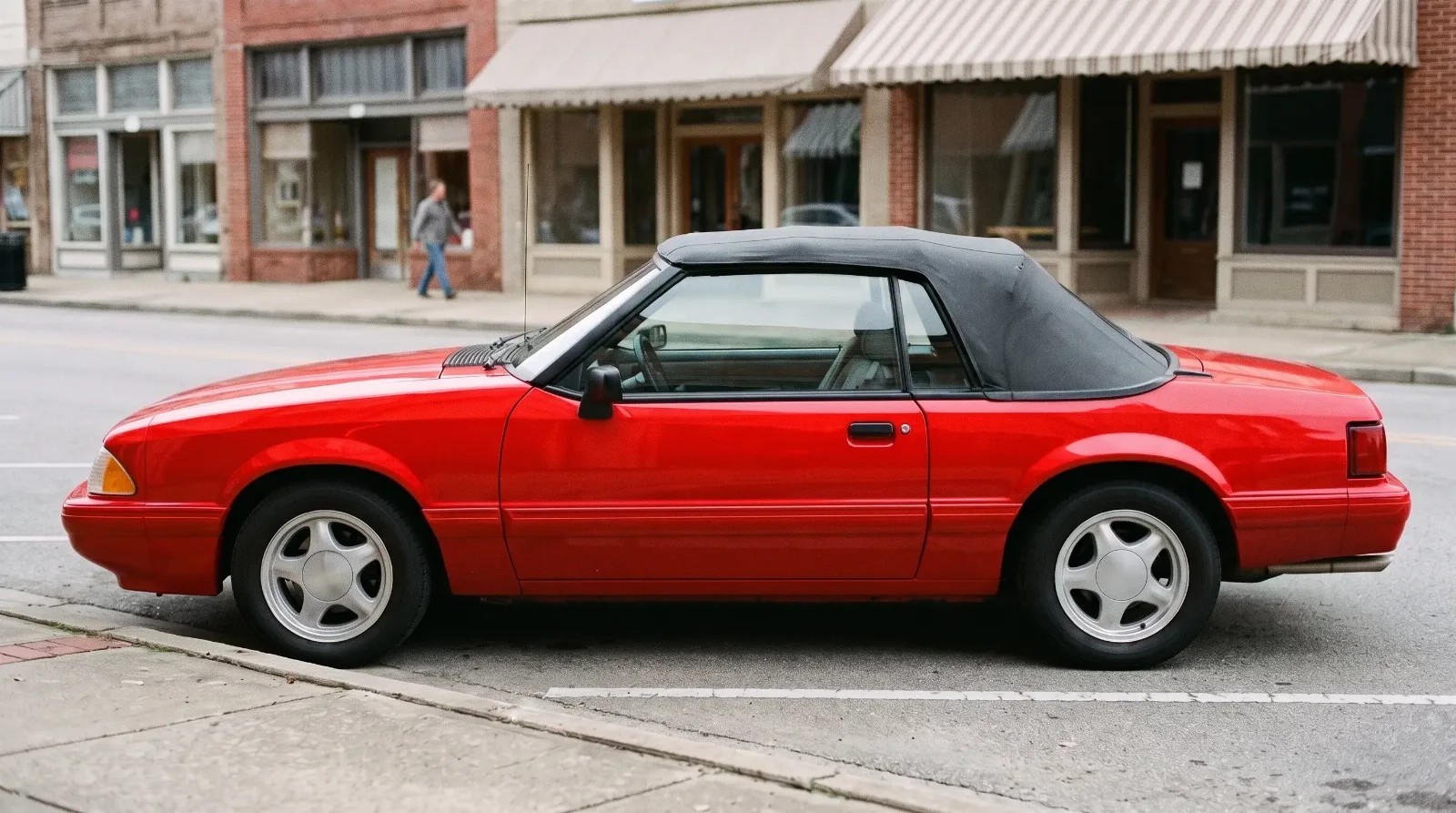
A ground rule first. "Muscle car" here means an American car with a V8 driving the rear wheels, built up to 2000. Purists will say the real era ended in the early 1970s. Fine. Those cars cost real money now. If your budget sits under five figures, the cars below are the ones you will actually be shopping, and a few of them will outrun the originals.
Why the cheapest muscle cars are from the 1980s and 1990s
Supply and nostalgia set the price. The 1960s cars were collected first, restored first and priced up first. Every rust-free body from that era has been found, bought and turned into a $40,000 car by somebody. The 1980s and 1990s cars were built in bigger numbers, survived in bigger numbers, and spent decades as used cars rather than collectibles. That keeps prices down.
There is a mechanical upside too. A fuel-injected V8 from the late 1980s or 1990s starts in the cold, idles in traffic and does not need a carburetor rebuild every few seasons. Parts are cheap because the same engines went into millions of cars. If you want classic cars that stay affordable to run as well as to buy, this is where to look.
The downside is power ratings. Emissions rules choked V8 output through the late 1970s and early 1980s. Some cars from that stretch look the part and make less power than a modern family sedan. Know which years recovered before you pay for a badge.
The short list, with real numbers
These are the cars that keep showing up between roughly $5,000 and $10,000 in driver or rough-driver condition. Ranges are wide on purpose. A clean, unmodified car will sit at the top or above it. A tired car with a smoking engine sits at the bottom, and should.
| Car | Years | Engine (rated power) | Typical range (as of late 2026) |
|---|---|---|---|
| Ford Mustang GT and LX 5.0 (Fox body) | 1987 to 1993 | 5.0 V8, 225 hp (1987 to 1992), 205 hp (1993) | $7,000 to $10,000 for rough drivers; Hagerty #3 for a 1990 5.0 LX convertible was $11,300 (October 2025) |
| Chevrolet Camaro Z28 and Pontiac Firebird Formula (fourth gen) | 1993 to 1997 | 5.7 LT1 V8, 275 hp (1993 Z28) | $6,000 to $10,000; a stock 132,500-mile 1995 Z28 coupe sold for $6,000 (February 2026) |
| Chevrolet Camaro Z28 and IROC-Z (third gen) | 1982 to 1992 | 5.0 or 5.7 V8, up to 245 hp (5.7, 1990 to 1992) | $6,000 to $10,000 for drivers; IROC-Z higher (a worn 1987 IROC-Z five-speed was bid to $10,001 in June 2026) |
| Ford Mustang GT (SN95) | 1994 to 1998 | 5.0 V8 (1994 to 1995) or 4.6 V8 (1996 to 1998), 215 hp (225 hp for 1998) | $5,000 to $9,000; Hagerty #3 for a 1996 GT convertible was $6,600 (April 2025) |
| Chevrolet Monte Carlo SS | 1983 to 1988 | 5.0 V8, 175 hp (1983), 180 hp from 1984 | Under $10,000 only for rough cars; Hagerty #3 for a 1988 SS was $18,700 (January 2025) |
| Pontiac Firebird and Trans Am (second gen, late) | 1977 to 1981 | 6.6 V8 (Pontiac 400 or Oldsmobile 403) in 1977 to 1979, 180 to 220 hp | $7,000 to $10,000 for projects; Hagerty #3 for a 1979 Trans Am 301 was $20,800 (October 2024) |
The ranges are our reading of the market as of October 2026, built from Hagerty price guide snapshots and recent Hagerty Marketplace results. The Monte Carlo SS and the late Trans Am sit at the edge of the budget, and only in rough condition. That table is the starting point, not the shopping list. Each car has one or two things that kill a cheap example. Here they are.
What breaks on each one
Fox-body Mustang. The 5.0 cars were driven hard and modified harder. Most cheap ones have had the engine opened, the exhaust changed and the suspension lowered by someone with a floor jack and a free afternoon. Check the torque boxes, the welded-on seams where the rear control arms mount. They crack. Check the floors under the carpet. A stock, unmolested car costs more than this budget. A modified one is fine if the work was done well, and that is rare.
Fourth-gen Camaro and Firebird. The LT1 is a strong engine with one known weak spot: the Optispark distributor sits under the water pump at the front of the engine, and coolant from a leaking pump can kill it. Ask when it was replaced. Look for coolant stains at the front of the engine. Check the T-tops for leaks, because water in the cabin means rust in the floor.
Third-gen Camaro and Firebird. Hatch glass, door hinges and interior plastics wear out. The bigger worry is rust in the rear frame rails and the floor. Tuned Port Injection cars are the ones people want. Carbureted and throttle-body cars from the early years are slower and cheaper. Do not pay TPI money for a car that does not have it.
SN95 Mustang GT. These are the cheapest V8 Mustangs you can buy, and the 1996 to 1998 cars with the 4.6 are cheaper still. The 4.6 is durable but not fast. Check for a clunking rear end and a worn clutch on manual cars. The interiors fall apart. The drivetrain usually does not.
Monte Carlo SS. Prices have climbed, and a nice one sits above this budget. The cars inside it usually need paint, interior work or both. Rust hits the lower rear quarters, the trunk floor and the area around the rear window. The V8 is simple and cheap to rebuild if it comes to that.
Late second-gen Firebird and Trans Am. These are the oldest cars on the list, and at this money they are projects. Rust is everywhere it can be: floors, trunk, rear quarters, the bottoms of the fenders. Check whether the engine is the original. Pontiac 400 and Oldsmobile 403 engines were both used in these years, with the 403 going mostly into California and high-altitude cars, and the differences matter to buyers.
The cars that look cheap but are not
Some listings will tempt you. Here is why they usually do not work.
The 1960s or early 1970s project at $8,000. You can find them. A rusted Nova, a Dart with a slant six, a Torino with no engine. Run the numbers before you get excited. Floors, quarter panels, a trunk pan and a frame rail add up fast. Then the body needs paint. Then the engine needs a rebuild. A cheap shell with a famous name is not a cheap car. It is the down payment on an expensive one. If that is the road you want, read up on cheap project cars before you buy anything with a trailer.
The clone. A base car dressed up as a high-performance version is common at this price. Badges, stripes, a hood scoop. It is fine to buy one, as long as you pay base-car money. Check the VIN and any build paperwork against what the seller claims. If the paperwork is missing, the car is a base car until proven otherwise.
The 1990s full-size sedan with a V8. Cars like the Chevrolet Impala SS of 1994 to 1996 are fun and fast for their size, but clean ones have climbed far past this budget: a 52,200-mile 1996 car sold for $25,252 on Hagerty Marketplace in August 2026, and only fair-condition cars dip under $10,000. The cheap ones are usually tired police and taxi Caprices. Those can be good, honest cars. They are not an Impala SS.
The heavily modified car. A big turbo, a swapped engine, a cage and slicks. The seller spent $20,000 and wants $9,000. That sounds like a deal. It often is not. Nobody knows what was done, how well, or what will fail next. Modified cars are cheap for a reason, and the reason is resale.
"The best cheap V8 car is the boring one. Stock engine, stock suspension, one owner who changed the oil. It will never win a car show. It will start every Saturday."
Mike Sullivan
How to buy one without getting burned
Same rules as any old car, with a few added for V8s that got driven like V8s.
- Cold start it. Ask the seller not to run it before you arrive. Feel the hood. A warm engine hides noises and smoke.
- Look for oil and coolant leaks. A little seepage is normal. Puddles are not.
- Check the rear end and transmission. Clunks when you shift into gear, whine at speed, slipping on a hard launch. All of these are money.
- Get under it. Floors, frame rails, subframe connectors if fitted. Bring a flashlight and do not trust fresh undercoating.
- Ask for receipts. No receipts means you assume nothing was done.
- Price the insurance first. A V8 coupe can cost a younger driver a lot to insure. Get a quote on the actual VIN before you agree a price.
One more thing. Do not fall for the first car you see. In the Fox Mustang and the F-body Camaro and Firebird, there are always more for sale. The buyer who waits a few weeks, watches the sales and walks away from the bad ones pays less and gets a better car.
Which one I would buy
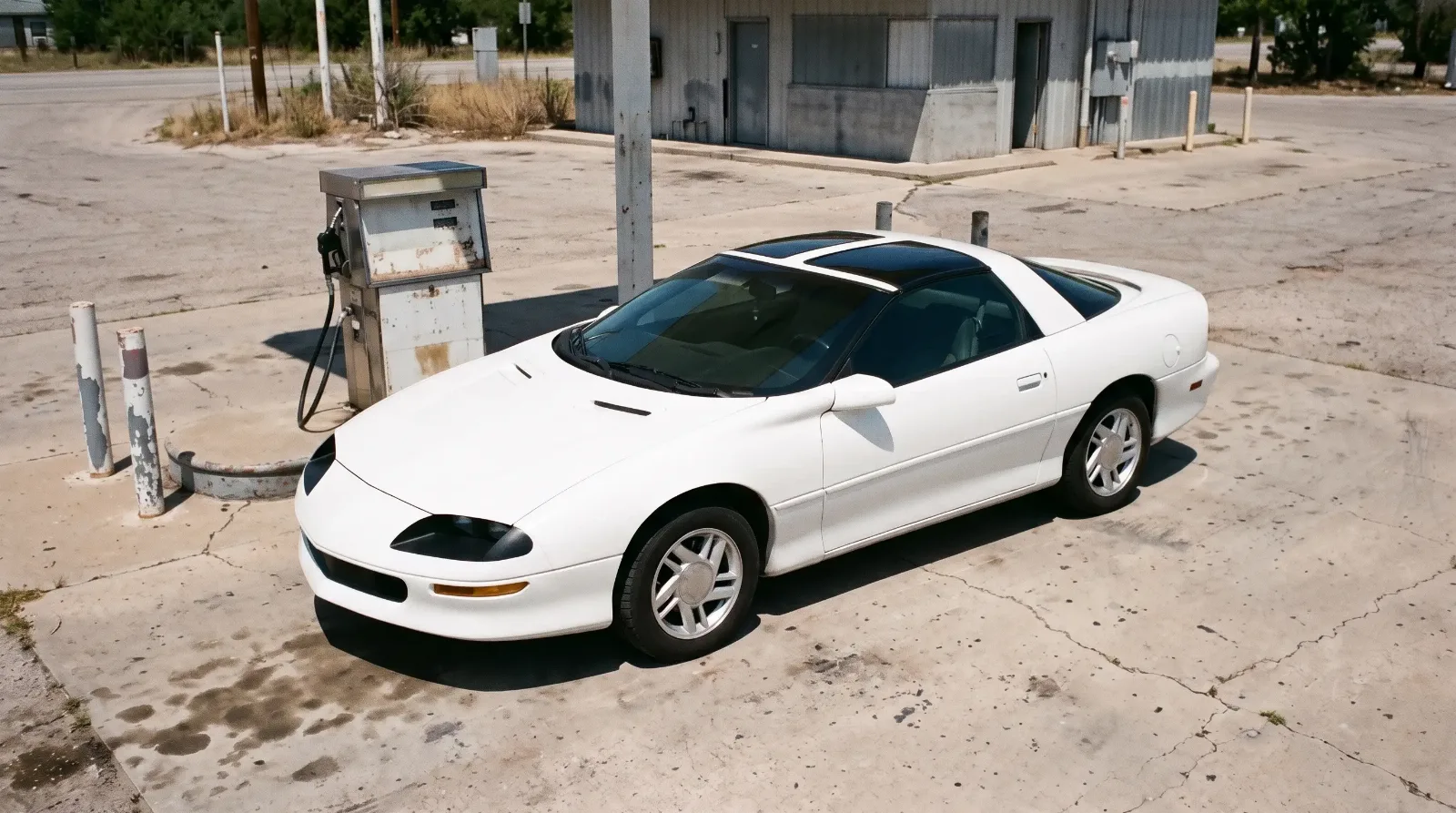
For most people, the fourth-gen Camaro Z28 or Firebird Formula with the LT1 is the best value on the list. It is the fastest car in the table for the money, parts are cheap, and the market still treats it as a used car more than a collectible. Fix the known weak spot, keep the T-tops sealed, and it will do everything you want a cheap V8 car to do.
If you want something that already has a following and will hold value, find a stock Fox 5.0. Expect to pay at the top of your budget, and expect to look for a while. If you want the cheapest V8 Mustang you can drive home today, the SN95 GT is it.
Whatever you pick, start by watching the listings for muscle cars under $10,000 for a few weeks. You will see the same models, the same faults and the same asking prices repeat. When the right car shows up, you will know it, and you will know what it is worth. That is the whole trick.
Sources and notes
- Ford Mustang (third generation): 5.0 HO ratings and the 1993 re-rating
- Ford Mustang (fourth generation): GT engines and ratings, 1994 to 1998
- Chevrolet Camaro (third generation): L98 rating and IROC-Z years
- Hagerty Marketplace: 1995 Camaro Z28 coupe result, February 2026
- Hagerty Marketplace: 1987 Camaro IROC-Z five-speed, June 2026
- Hagerty Marketplace: 1996 Chevrolet Impala SS result, August 2026
Related Reading
Article
Affordable Classic Cars: What $5,000 to $10,000 Really Buys in 2026
Article
Cheap Project Cars: Picking a Build That Will Not Eat You Alive
Article
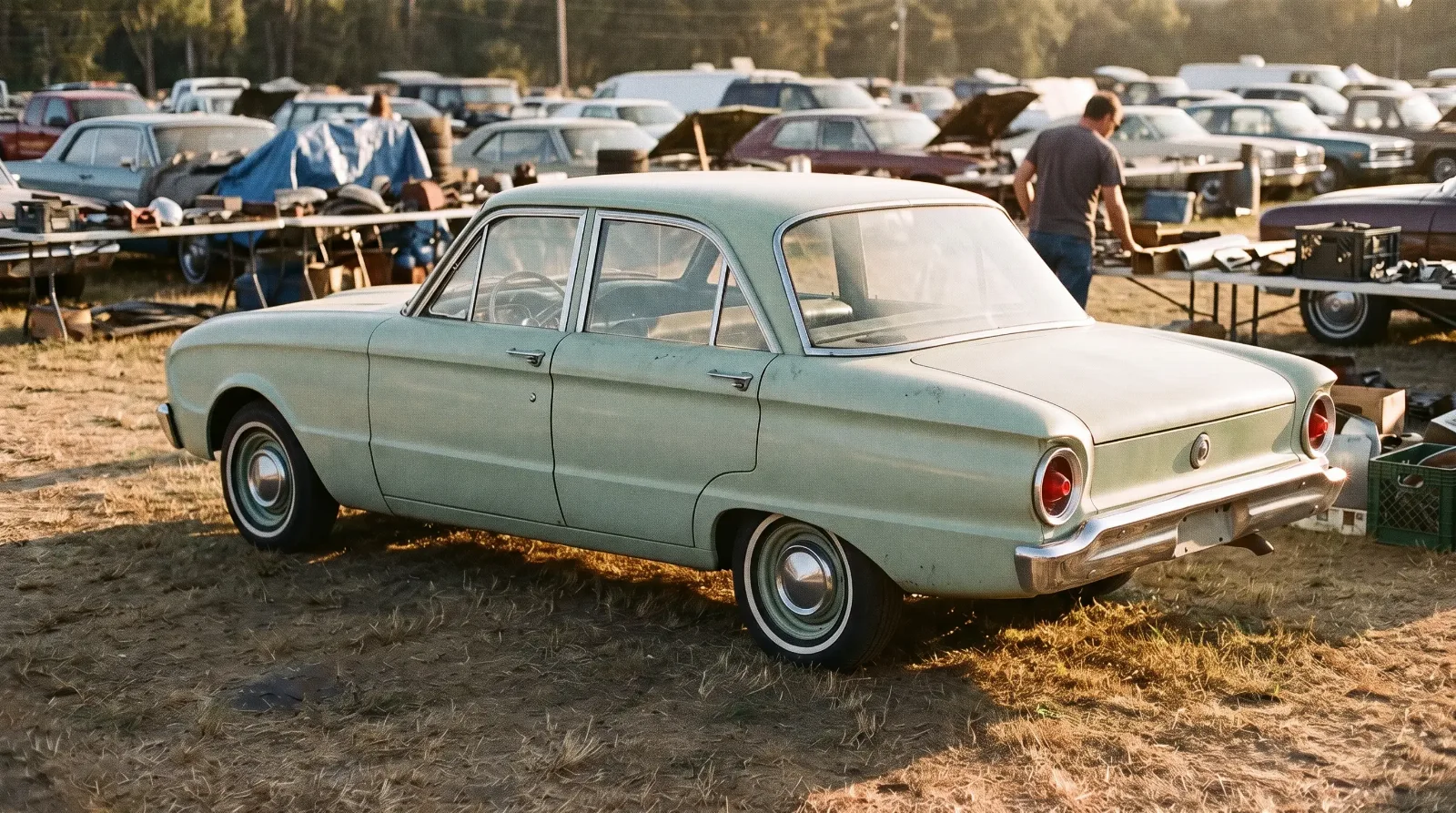
1950s, 1960s and 1970s Cars That Stayed Affordable
Article
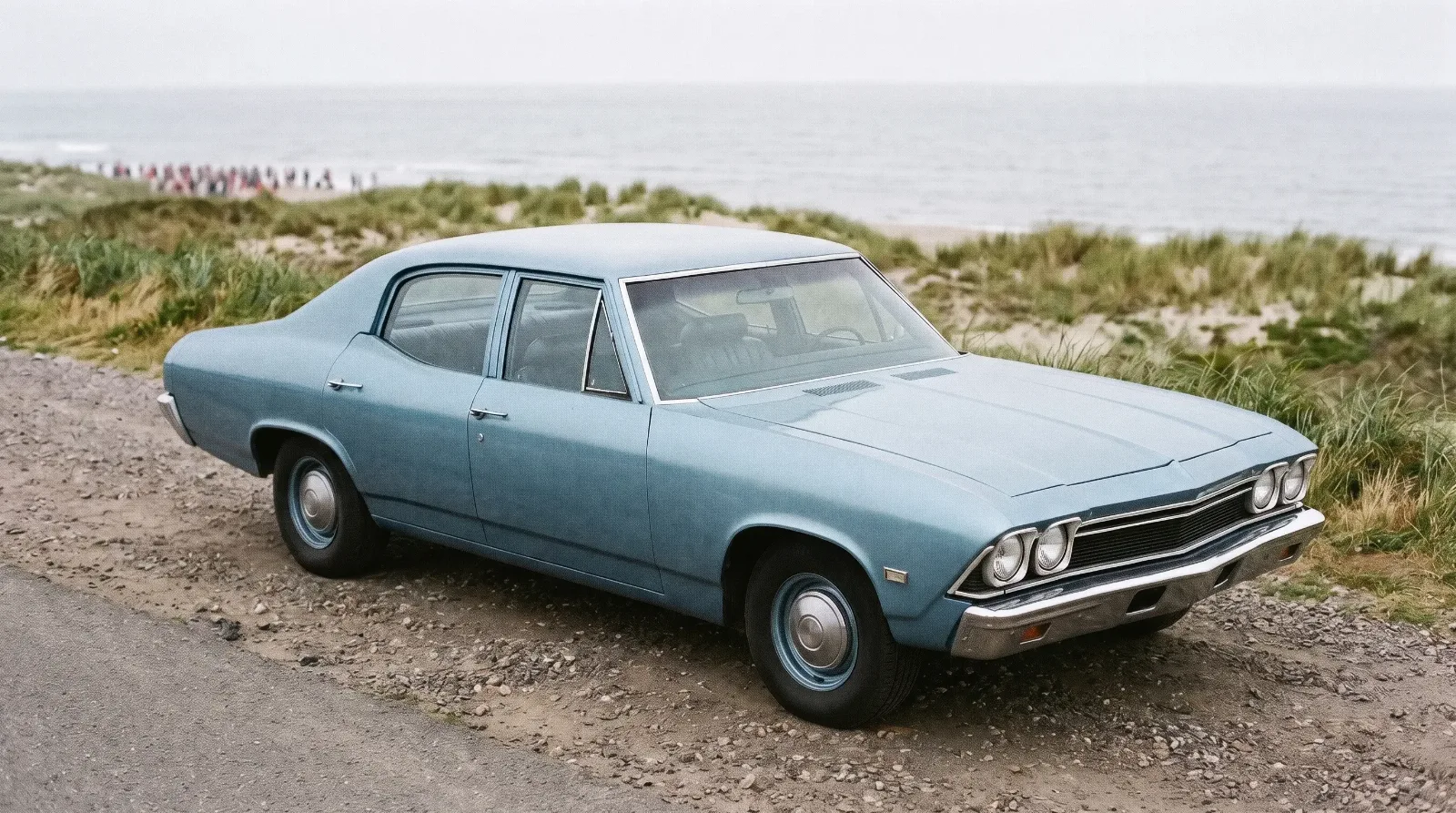
Four-Door Muscle Cars: The Cheaper Sedans Behind the Famous Coupes
Article
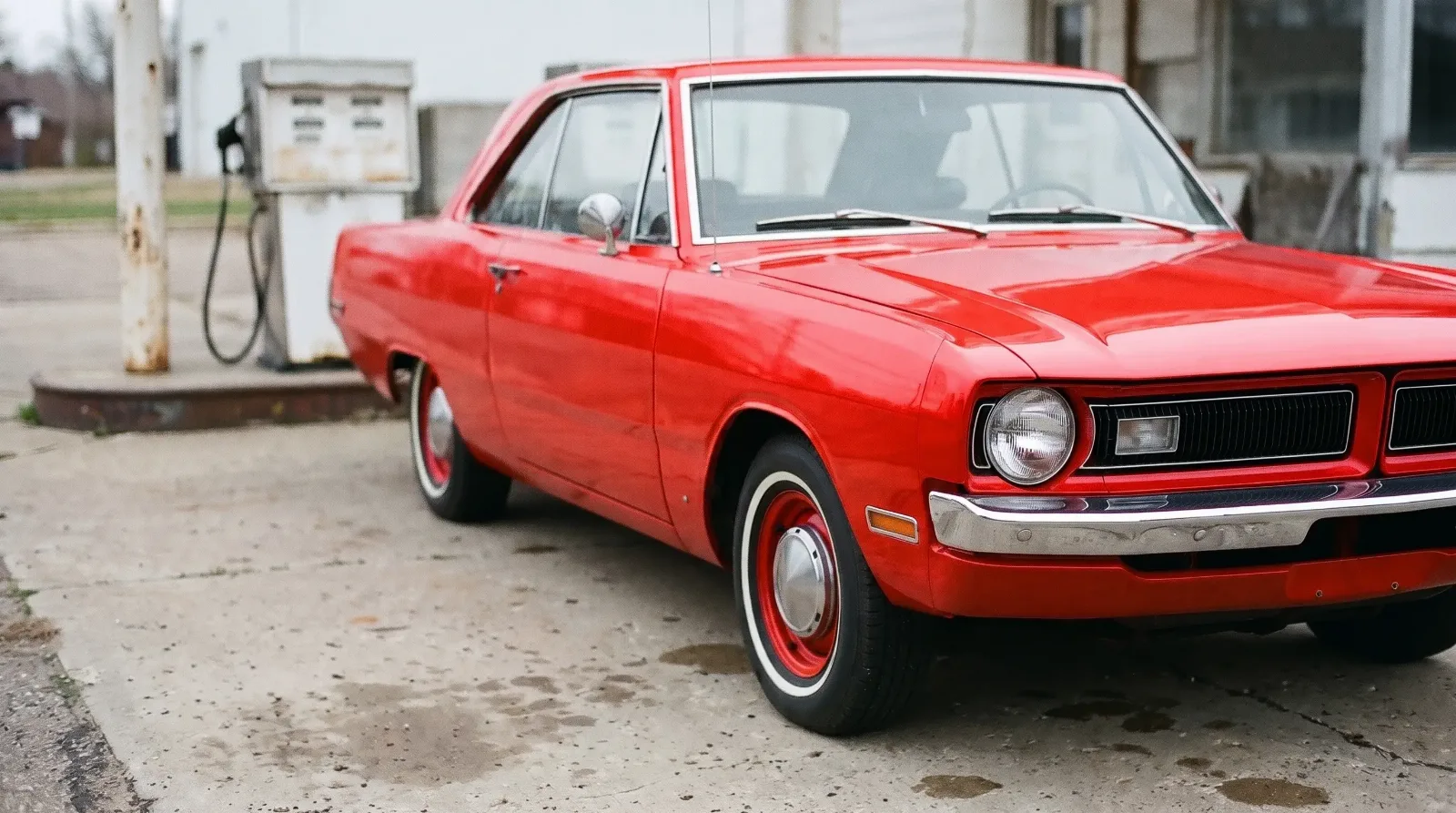
Cheap Muscle Cars to Build: Starting From a Base-Model Body
Article
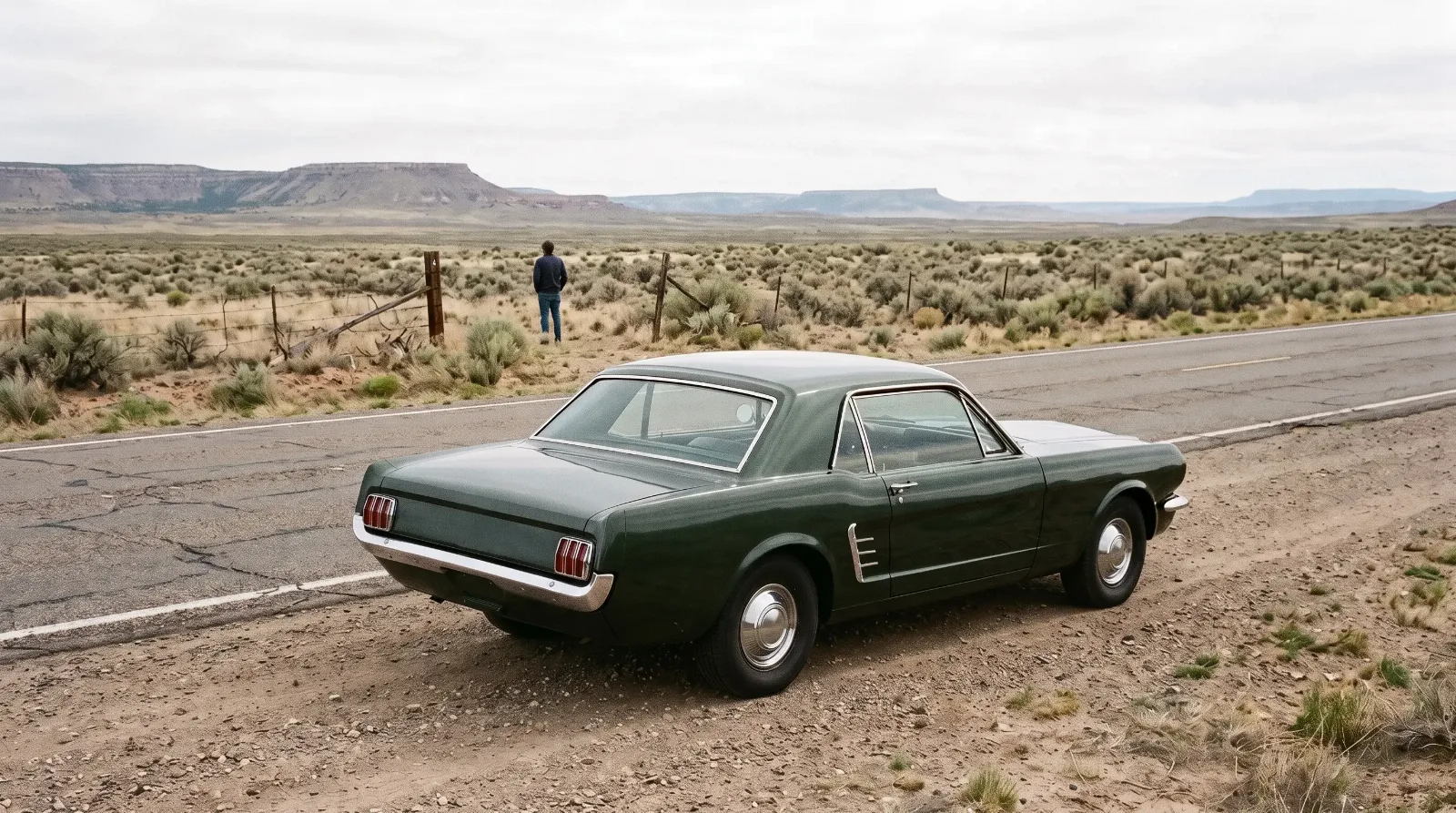
Six-Cylinder Pony Cars: The Cheapest Way Into a Mustang, Camaro or Firebird
External
/classic-cars-for-sale-under-10000
Have a
Classic Car
for Sale?
Reach thousands of serious classic car collectors across the US.
Sell It Here →
Selling a classic? Here's how: compare the places to sell classic cars
Are You a Classic Car Dealer?
List your full inventory and connect with targeted classic car buyers.
Join as a Dealer →
#camaro z28
#pontiac firebird
#fox body mustang
#affordable classic cars
#budget muscle cars
#cheapest muscle cars
#V8 project cars

About the author
Mike Sullivan
Detroit-area muscle car enthusiast and restoration specialist with three decades of hands-on experience working on American iron.
More in Ownership & Lifestyle
Comments
Be the first to comment on this article.