
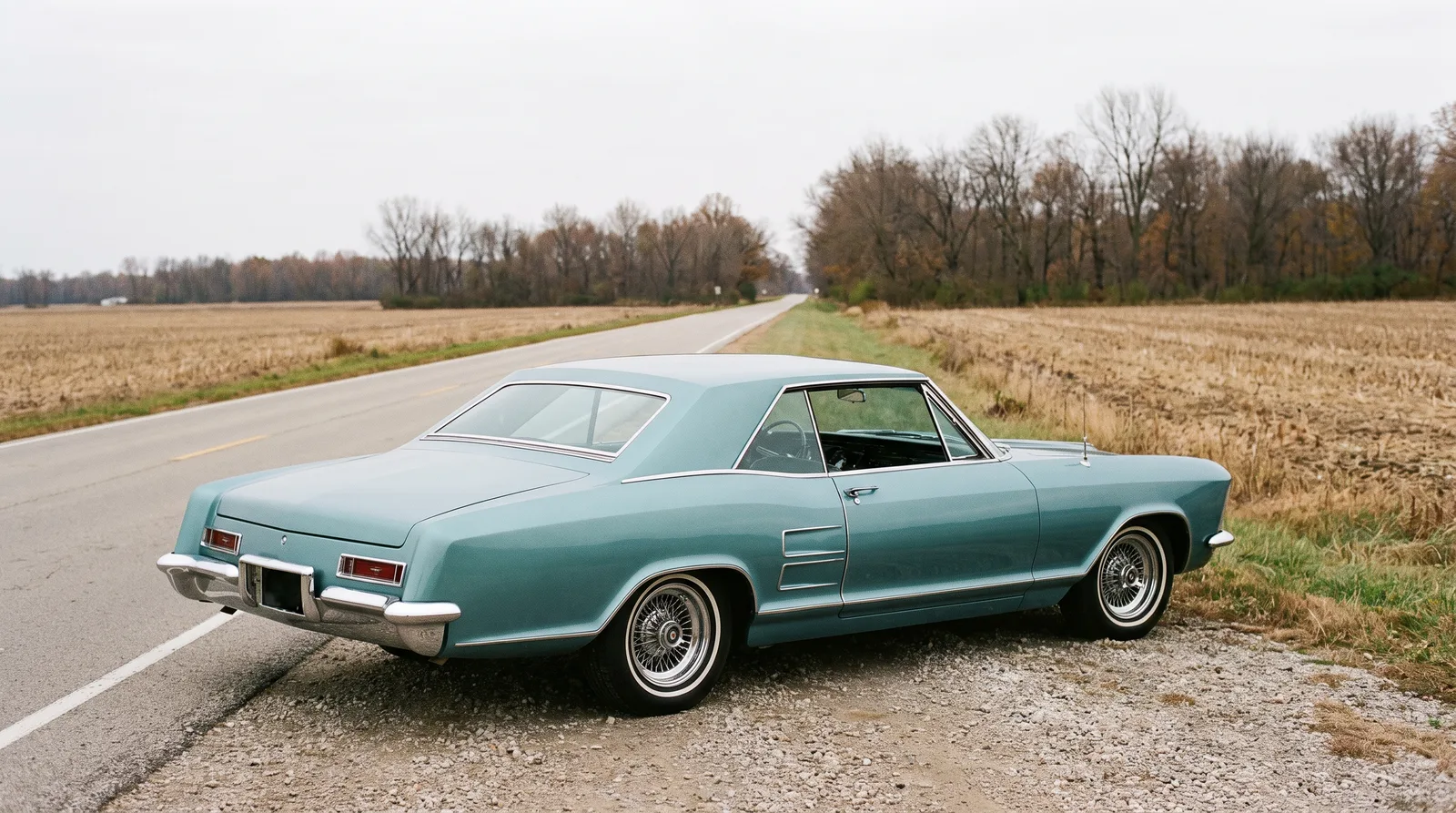
Imagine a Saturday in late spring. The car you have kept for twenty years is washed and parked at the end of the driveway, and a stranger is walking up to it with the careful, slightly reverent look that tells you he already wants it. It is a good moment. It is also the moment when a private seller is most exposed: your address is known, your keys are in your pocket, your title is in a drawer inside, and the only thing between you and a bad day is the set of habits you brought to it.
Market & Values
8 min read
How to Protect Yourself When Selling Privately
How to protect yourself when selling a car privately: guarding your details, safe showings and test drives, secure payment and a clean close.
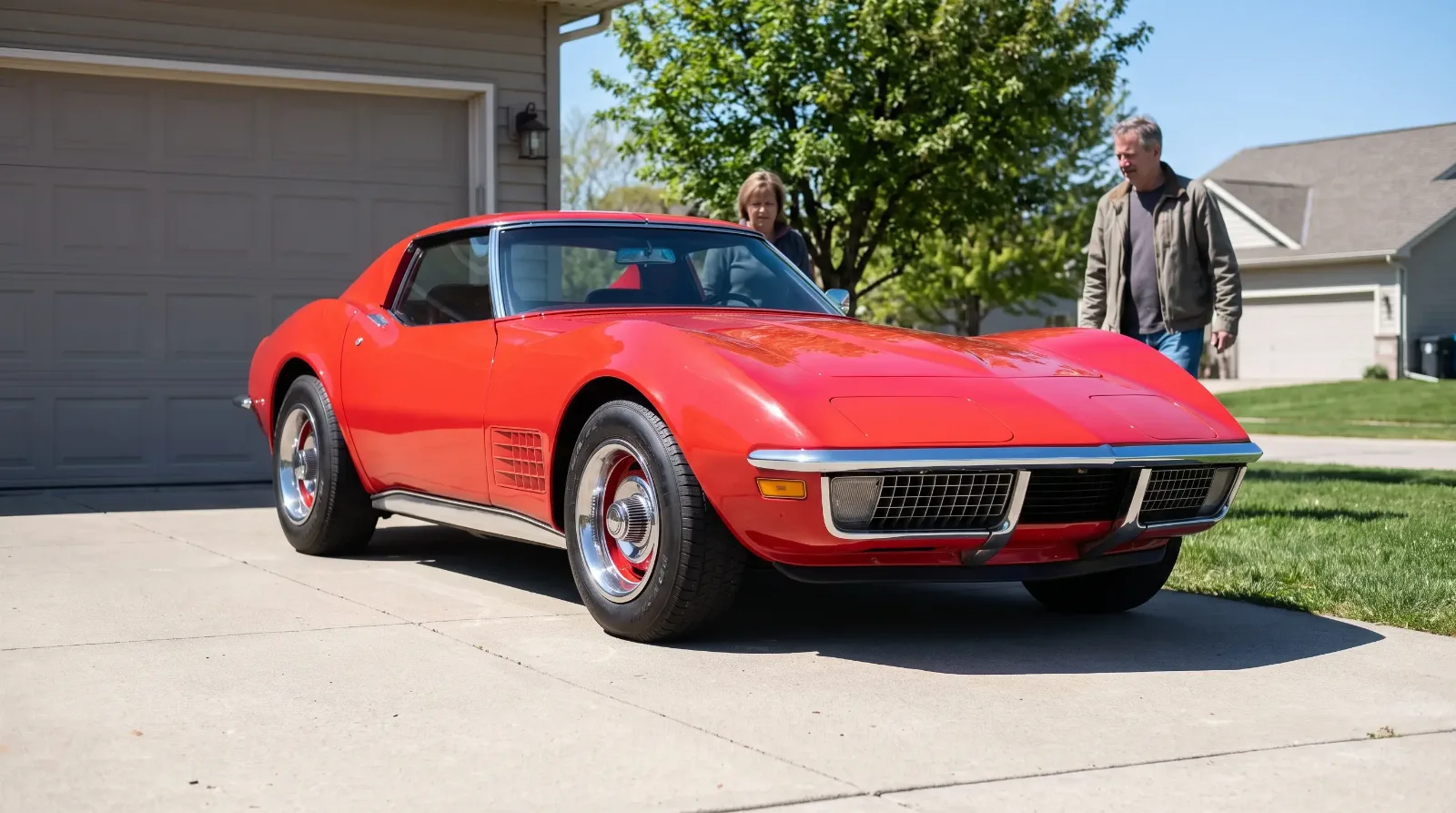
Knowing how to protect yourself when selling a car privately is less about suspicion than about structure. Most buyers are exactly who they say they are. The structure is there for the few who are not, and a well-run sale feels better to the honest buyer too, because it tells them the seller is serious. Here is that structure, from the first listing to the evening after the car leaves.
Guard your information before the first call
Protection starts with the listing itself. Every detail you publish is something a stranger can use, so publish what sells the car and hold back what identifies you.
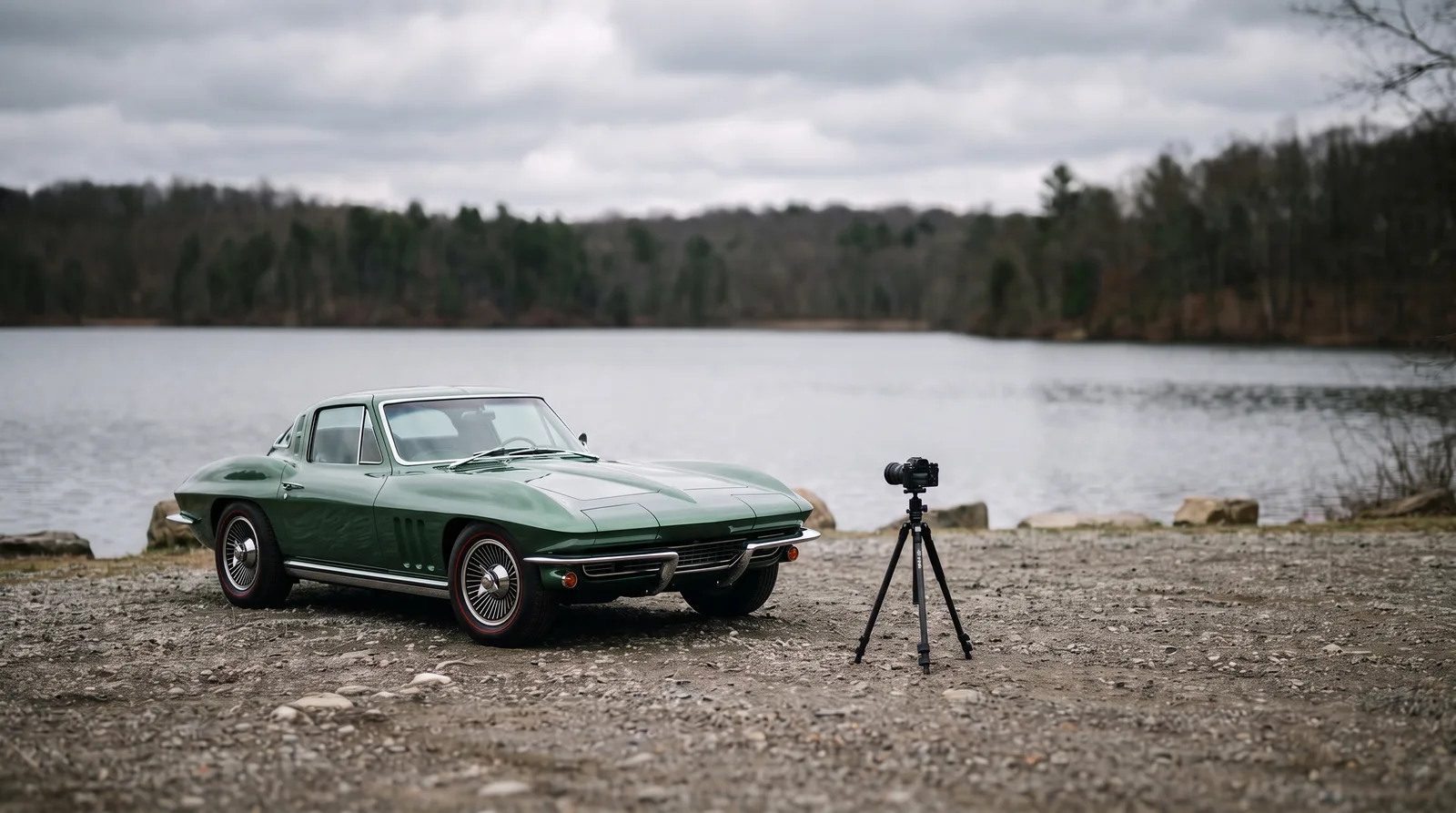
Use a separate email address for the sale, and if you can, a free secondary phone number that forwards to your own. When the car sells, you retire both, and nobody has your personal number. Leave your street address out of the ad; a city or region is enough for a buyer to judge the drive. Look at your photos with a stranger's eye: a house number, a street sign, mail on the workbench can all be cropped or reshot. The VIN is fine to share, because serious buyers need it for a history check. The title document itself is not something to photograph and send. If a buyer asks to see it, show it in person, or send a picture with the title number, your address and your signature covered.
Then screen by phone. A ten-minute call tells you more than a week of texts. Real buyers talk about the car: what they are looking for, what they have owned, what worries them about this one. A caller who cannot name the model year, who will not speak by phone at all, or who opens with payment and shipping before asking a single question is telling you something.
Showings and test drives on your terms
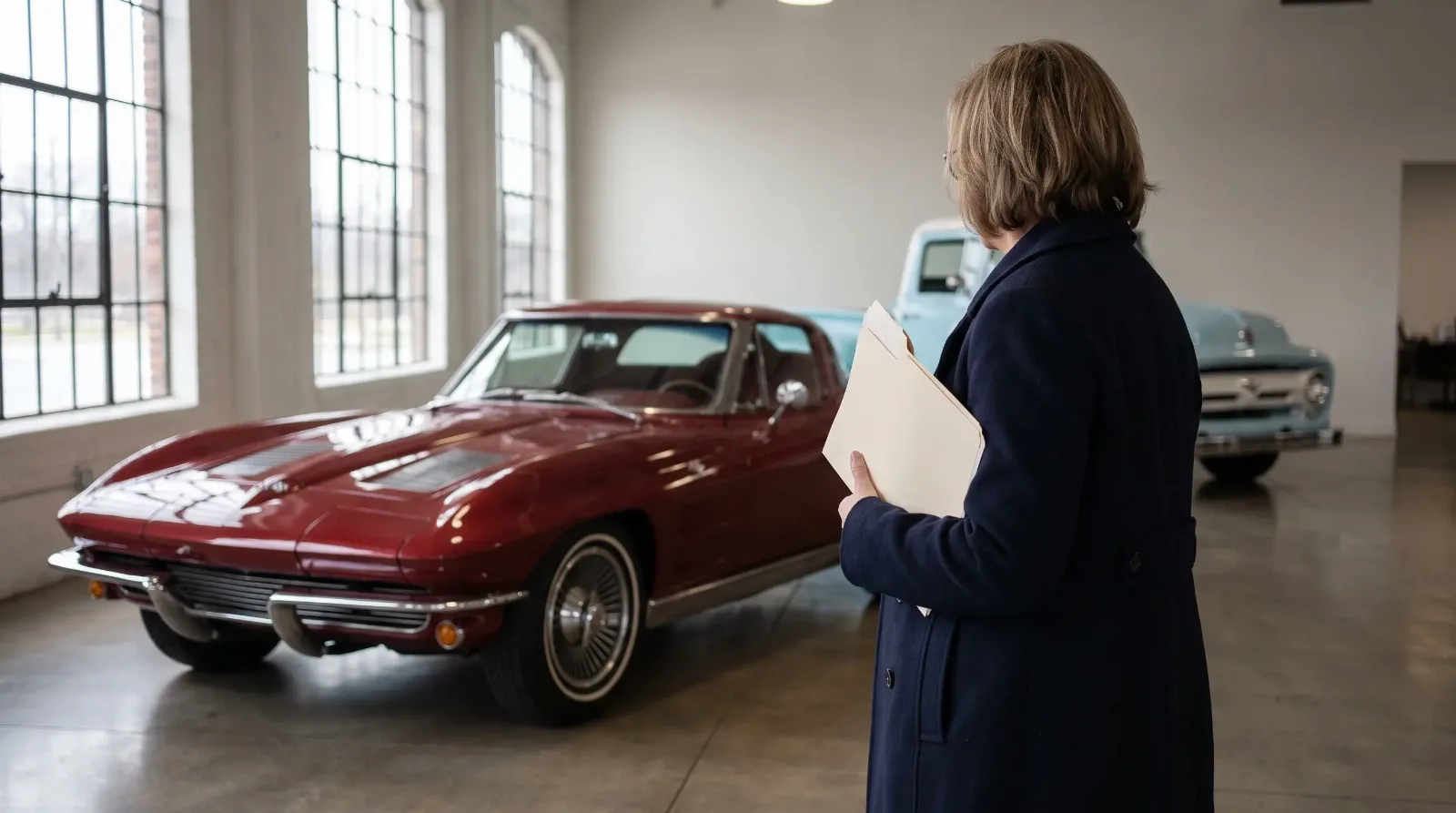
Where you meet matters as much as who you meet. A classic is not always easy to move, so many showings happen at home. That is fine, with a little planning. Schedule daytime visits, have another adult present, and keep the car outside the garage so the buyer does not need to come into your space. If the car can be driven or trailered, a busy public lot works, and the parking lot of your own bank is better still, because it has cameras and you will be going inside to finish the deal anyway.
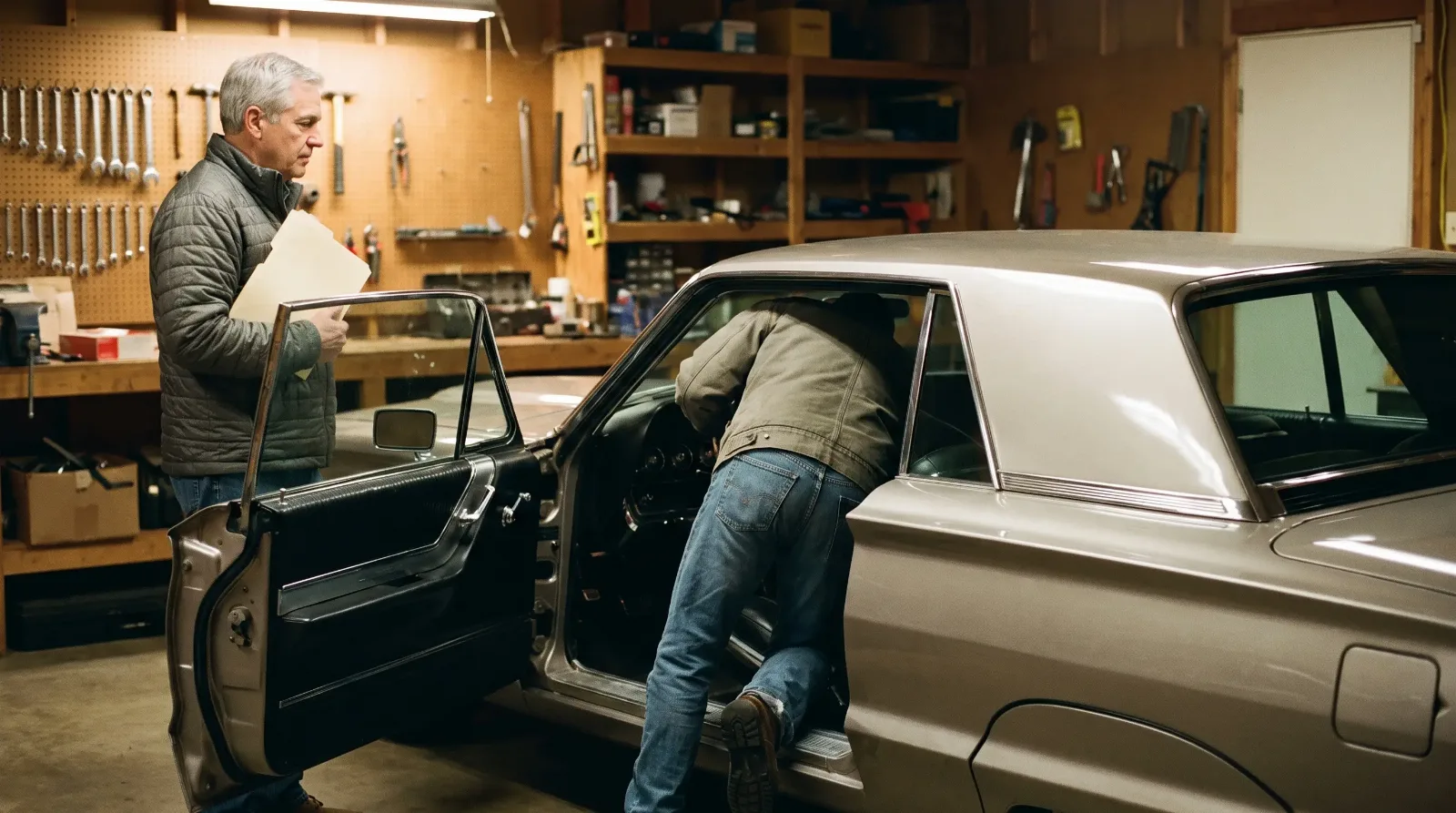
Test drives deserve their own rules, and it helps to state them before the buyer arrives so nobody feels singled out. Ask to see a driver's license and photograph it. Confirm the buyer has insurance, but know the order in which policies pay. Auto insurance generally follows the car, so when someone drives it with your permission, your policy is usually the first to respond, and the buyer's own policy may only cover costs above your limits. Read your own policy, or call your agent, before the first showing. You ride along, every time. You hold the keys until you are both in the car. And you choose the route, short and familiar, ending back where it started.
| Stage of the sale | The risk | The protection |
|---|---|---|
| Listing | Personal details and address exposed | Sale-only email and phone, no street address, cropped photos |
| First contact | Scripted scam messages | Phone screening, questions about the car before any talk of payment |
| Showing | A stranger at your home, alone | Daylight, a second adult, car outside the garage or at a bank lot |
| Test drive | Damage, theft, an uninsured driver | ID photo, insurance check, you ride along and keep the keys |
| Payment | Counterfeit checks, reversible payments | Funds confirmed with your own bank before anything is signed |
| After the sale | Tickets, tolls or accidents still tied to you | Plates off, release of liability filed, copies of every document |
Payment is where private sales go wrong
If there is one part of this to take slowly, it is the money. In a private sale there is no dealer and no auction house standing between you and the buyer's funds, so confirming those funds is your job alone.
The rule that covers almost every case is simple: nothing leaves your hands until the money is final in your own account and you have confirmed it yourself. Not the title, not the keys, not the car. A cashier's check can show as available the next business day and still come back counterfeit weeks later, and when it does, the bank takes the money back from you. A wire is better, once you have called your own bank and heard that it has landed. Better still is to finish the deal inside a bank, where the buyer's bank draws the check or sends the wire while you watch. For a long-distance buyer, an escrow service can work, as long as you choose it, type its address yourself and confirm the funds by logging in, not by reading an email.
Skip payment apps for a vehicle. PayPal and Venmo purchase protection both exclude motor vehicles, and Zelle offers no purchase protection at all. Never accept more than the agreed price, and never send back an "overpayment." If a buyer asks you to, the conversation is over.
Paperwork protects you as much as payment does. If the title carries a lien because you still owe on the car, settle how the payoff works before you advertise; our guide to selling a car privately with a loan walks through the lender, the payoff letter and the closing.
Close the deal so it stays closed
The last hour of a sale is where small mistakes turn into long ones. Check the buyer's ID against the name going on the title. Sign the title in the right boxes with the real date and the real price, and never hand over a title with the buyer section left blank. Write a bill of sale that records the price, the VIN, the odometer reading and the words "sold as is, where is, with no warranty expressed or implied." Make two signed originals, one for each of you. Photograph the signed title, front and back, before it leaves your hands.
Then take your plates off, unless your state says they stay with the car. That evening, file your release of liability or notice of transfer with your DMV. Some states set short deadlines; California, for one, gives you five days. That filing is the record that keeps a stranger's parking tickets, tolls or worse from finding their way back to you. Call your insurer only after the car is gone and the notice is filed. For the full paperwork picture, from bonded titles to taxes on a gain, the bigger picture is laid out in our title and taxes guide.
"A good private sale tends to end the same way: two people shaking hands at a bank counter, the paperwork already in order, nobody in a hurry. The care you take is not distrust. It is respect for the car, and for whoever drives it next."
Patrick Walsh
Choosing where you sell is part of the protection
Different channels hand you different amounts of risk. A dealer or consignment shop takes the payment risk and much of the hassle off your plate, in return for a lower price or a commission. A live or online auction handles the money for a fee. A direct listing keeps more of the sale price in your pocket, and in exchange you run the showings, the screening and the payment checks yourself. If you are still weighing those trade-offs, the comparison of every channel sets them side by side.
On this site, the buyer pays you directly and there is no commission, success fee or buyer premium; you pay a flat one-time fee of $49, $99 or $179, and the listing stays up until the car sells. That model rewards exactly the habits above, because the person confirming the money is you. When you are ready, get your car listed with your sale-only email in the contact box and a plan for the day of sale already written down. Then enjoy meeting the person who will love it next.
Sources and notes
Related Reading
Have a
Classic Car
for Sale?
Reach thousands of serious classic car collectors across the US.
Sell It Here →
Selling a classic? Here's how: the best sites to sell a classic car
Are You a Classic Car Dealer?
List your full inventory and connect with targeted classic car buyers.
Join as a Dealer →
#private sale
#test drive
#selling a classic car
#release of liability
#car selling scams
#seller safety

About the author
Patrick Walsh
Automotive journalist covering classic car shows, events, and the enthusiast community across North America.
Comments
Be the first to comment on this article.