
A street rod that looks perfect in a photo and beats you up on a two-lane highway is a failed build. I've driven plenty of them. The paint is deep, the stance is right, and then the engine runs hot in traffic, the drum brakes fade on the first long grade, and the thing screams at 3,400 rpm the moment you hit 65. That car isn't finished. It's a rolling parts catalog.
Restoration & Tech
9 min read
Building a Street Rod for Comfort and Reliability
Crate engine, IFS, disc brakes, overdrive, AC, and clean wiring: how the streetable package fits together into a pre-war car that drives like a modern one.
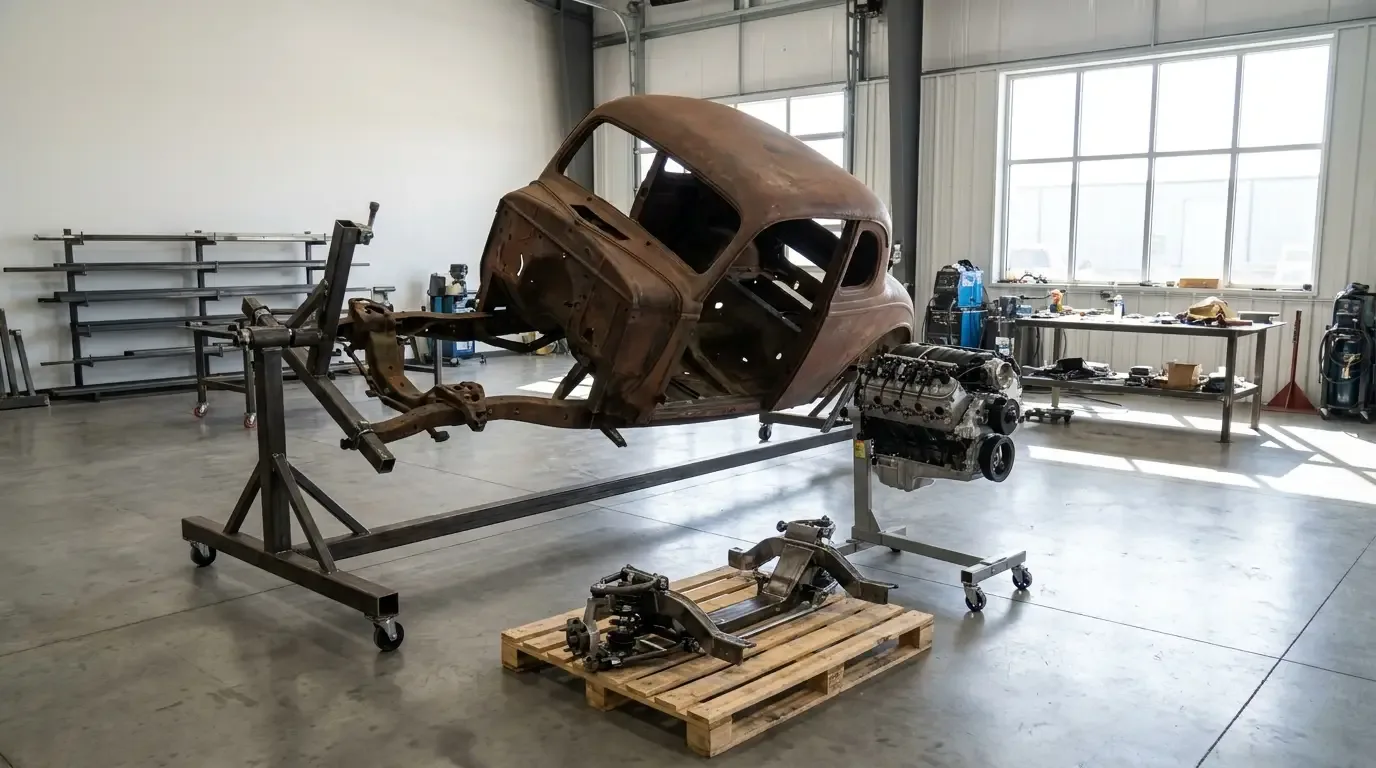
The whole point of a street rod, as opposed to a period hot rod, is that you can get in it and drive it anywhere without a second thought. If you're fuzzy on where that line sits, read up on what a street rod really is before you spend a dollar. Once you're clear on the concept, the build itself comes down to five or six systems that have to work together. Get them right and you've got a pre-1949 car that starts on a cold morning, holds 70 all day, stops straight, and keeps you cool. Get them wrong and you've got a garage ornament.
Here's how I sequence a streetable build, and where the money actually earns its keep.
Start with the drivetrain, not the paint
Everybody wants to talk about color first. Wrong end of the car. The drivetrain decides how the whole thing drives, so it gets decided first, and everything else works around it.
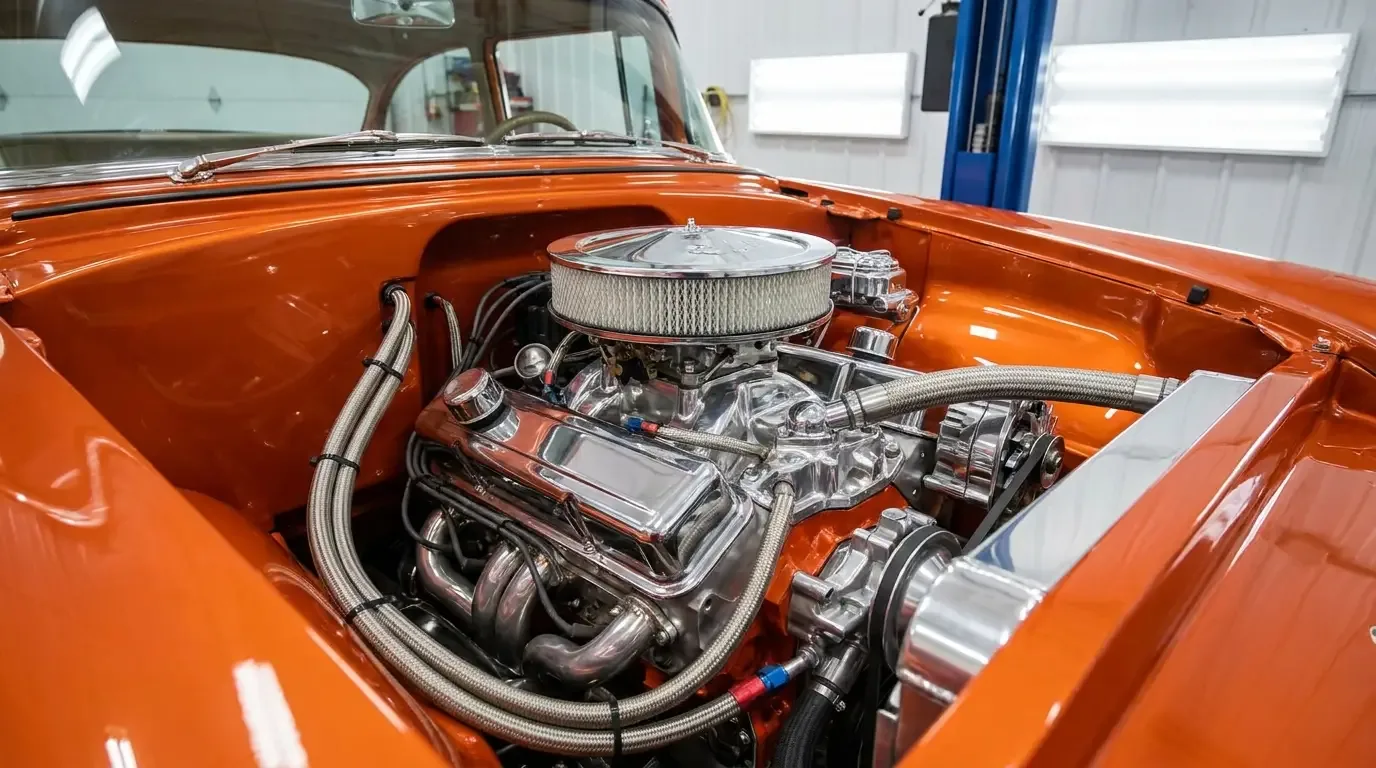
For most builders the answer is a crate engine. A GM LS-family V8 is the default for good reason: parts are everywhere, the aftermarket support is bottomless, and even the entry-level versions make more usable torque than a warmed-over vintage small block. A GM 5.3L or 6.2L LS makes life easy, and a factory-style crate small block Chevy is the traditional route if you want the look. The exact numbers depend on which crate you buy, so check the spec sheet for the specific part number before you order. Roughly speaking, a modern LS in the 5.3 to 6.2 liter range lands somewhere around 320 to 450 horsepower in street trim, which is far more than any pre-war chassis needs.
The reason I push crate engines over building a period motor for a driver is simple. A crate engine comes with a warranty, a known state of tune, and fuel injection that just works. You turn the key at 20 degrees and it runs. A hand-built vintage engine can be glorious, but it's a project inside a project, and it rarely idles in a summer traffic jam without complaint.
Independent front suspension changes everything
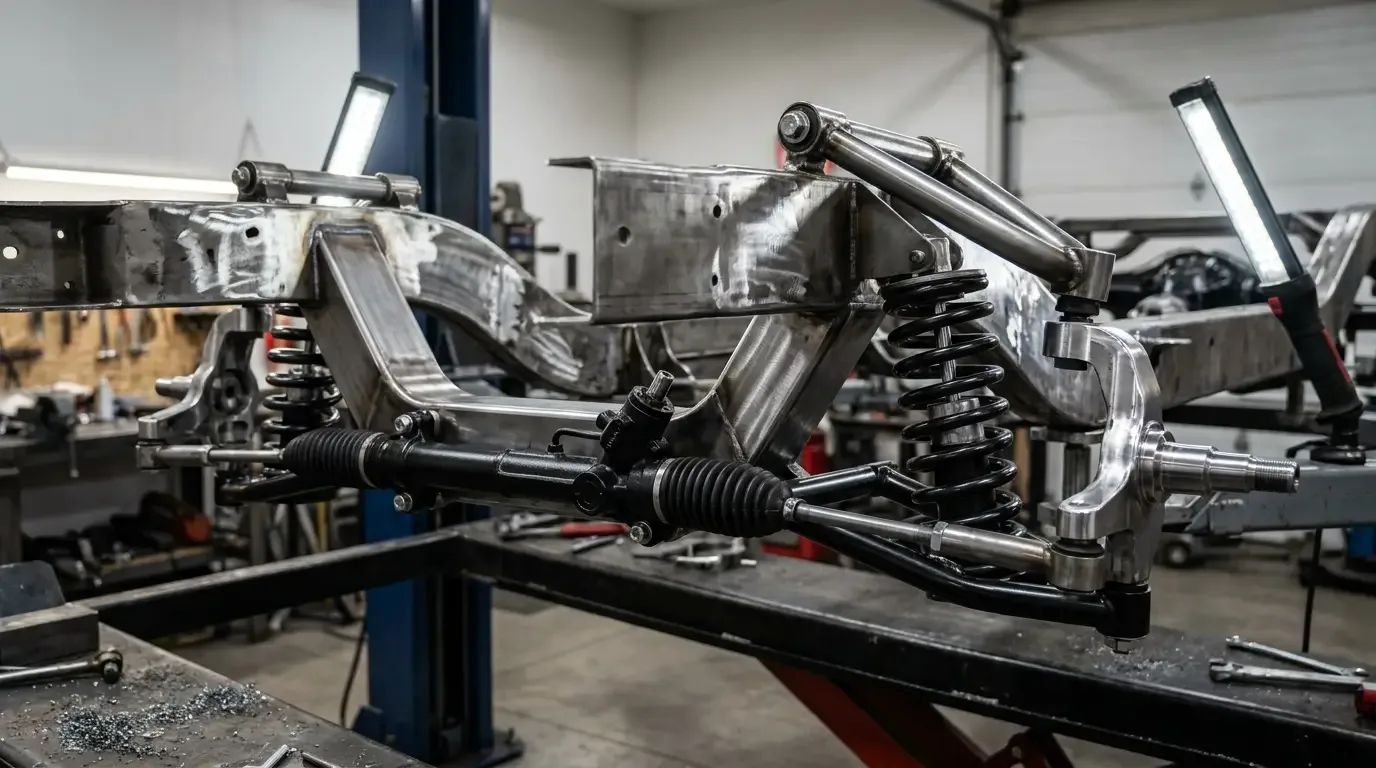
The single biggest ride-quality upgrade on an old car is throwing out the solid front axle and bolting in an independent front suspension. A straight axle on a buggy-spring setup rides like a buckboard and darts over every seam. IFS gives you coil springs or coilovers, an anti-roll bar, and geometry that actually keeps the tires planted.
Most builders go one of two ways. You either buy a bolt-in Mustang II style IFS crossmember, which has been the aftermarket standard for decades, or you graft in a later factory subframe. The Mustang II approach is popular because the kits are cheap, well documented, and fit under narrow pre-war frame rails. It also gives you rack-and-pinion steering, which cleans up the vague, wandering feel that plagues old steering boxes.
Whatever you choose, this is not the place to cut corners on welding or alignment. The front suspension holds your steering, your brakes, and your ability to not end up in a ditch. If you're not confident welding structural mounts, pay someone who does it every day.
| System | Vintage-original | Streetable upgrade |
|---|---|---|
| Front suspension | Solid axle, buggy spring | Mustang II style IFS, coilovers |
| Steering | Worm-and-sector box | Rack and pinion |
| Front brakes | Mechanical or drum | Vented disc, power boost |
| Transmission | 3-speed manual, no OD | Automatic or manual with overdrive |
| Cooling | Original brass radiator | Aluminum radiator, electric fan |
| Comfort | None | Aftermarket AC, insulation |
Disc brakes are not optional
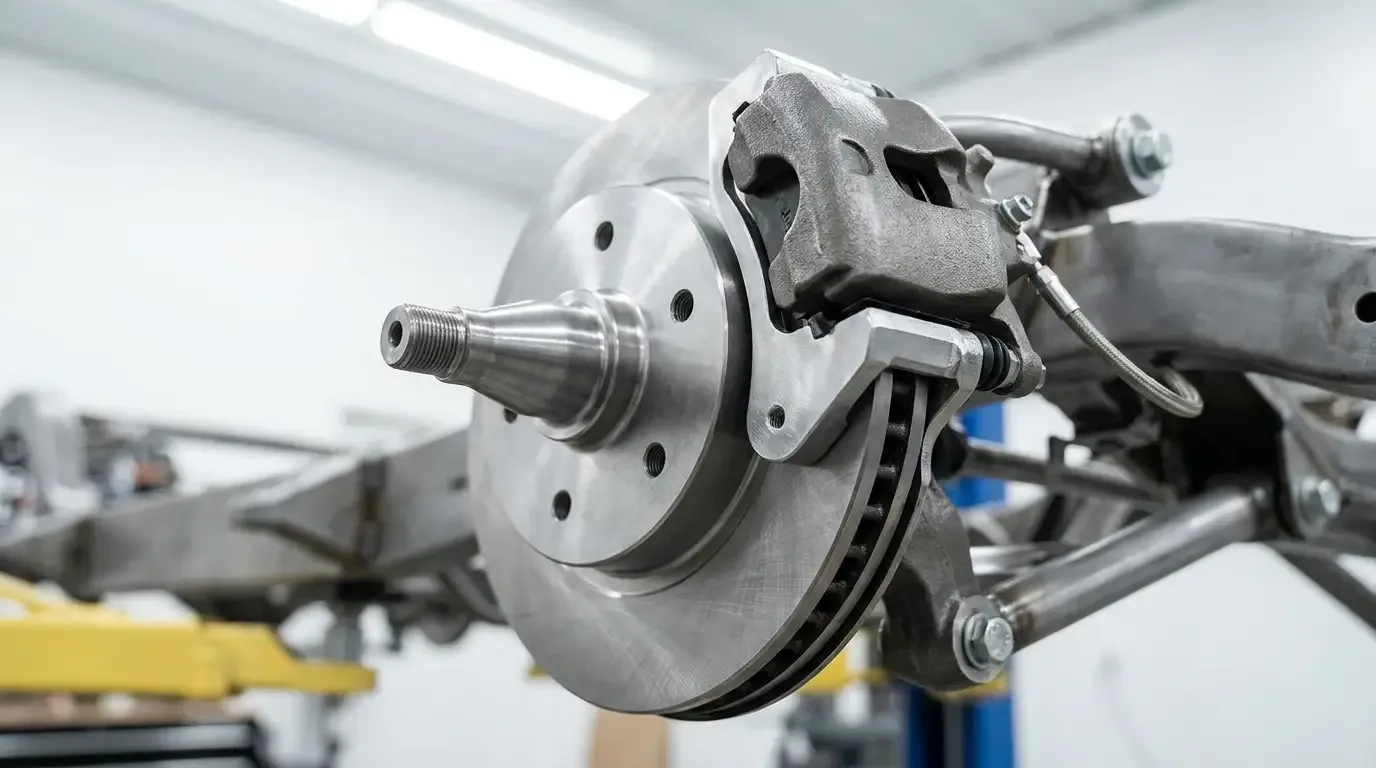
Old drum brakes were adequate for 1946 traffic and 1946 speeds. They are not adequate for merging onto an interstate next to a semi. On any car I'd trust at highway speed, the fronts get vented discs and a power booster, minimum. Four-wheel discs are better still if the rear axle supports them.
The physics are boring but they matter. Drums trap heat, and trapped heat means fade. Do two hard stops coming down a mountain grade and a drum system starts giving up. A disc sheds heat, so the third and fourth stop feel like the first. When you upgrade the engine to make modern power, you have to upgrade the brakes to match. A fast car that won't stop is a slow car with a body count.
"I tell everybody the same thing. Spend on brakes before you spend on horsepower. Nobody ever crashed because their car was too slow, but I've seen plenty of nice builds bent up because the owner cheaped out on the front brakes."
Mike Sullivan
Overdrive is the difference between cruising and screaming
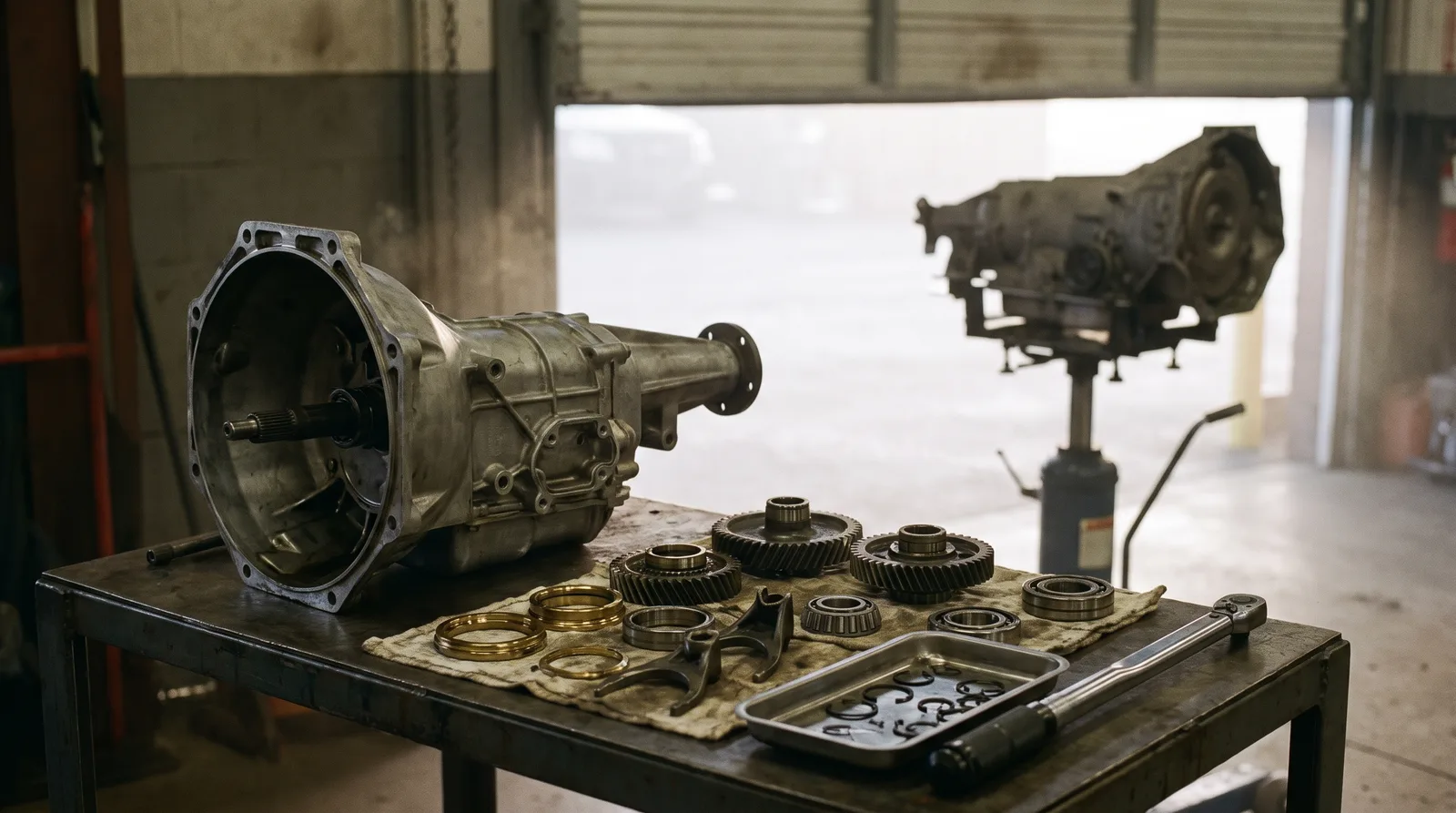
This is the upgrade people skip and then regret on their first long trip. An old three-speed with a numerically high rear gear will have the engine turning frantically at highway speed. You want an overdrive, either a modern automatic like a GM 4L60E or 4L80E, or a manual with an overdrive top gear.
The math is what sells it. An overdrive top gear, often around 0.70 to 0.75 to 1, drops engine rpm at cruise by roughly 30 percent. That means less noise, less heat, less fuel burned, and an engine that isn't working itself to death just to hold 70. On a car with a modern injected engine and an overdrive automatic, you can genuinely drive 500 miles in a day and step out feeling fine. Confirm the exact overdrive ratio for whichever transmission you choose, since it varies by unit.
Cooling and air conditioning, the comfort layer
A modern engine makes modern heat, and a 1940 radiator was never designed to shed it. Every streetable build gets a proper aluminum radiator sized for the engine, an electric fan on a thermostat, and a coolant recovery setup. Skip this and your beautiful car overheats the first time you sit at a light in July, which is exactly when you least want to be stuck.
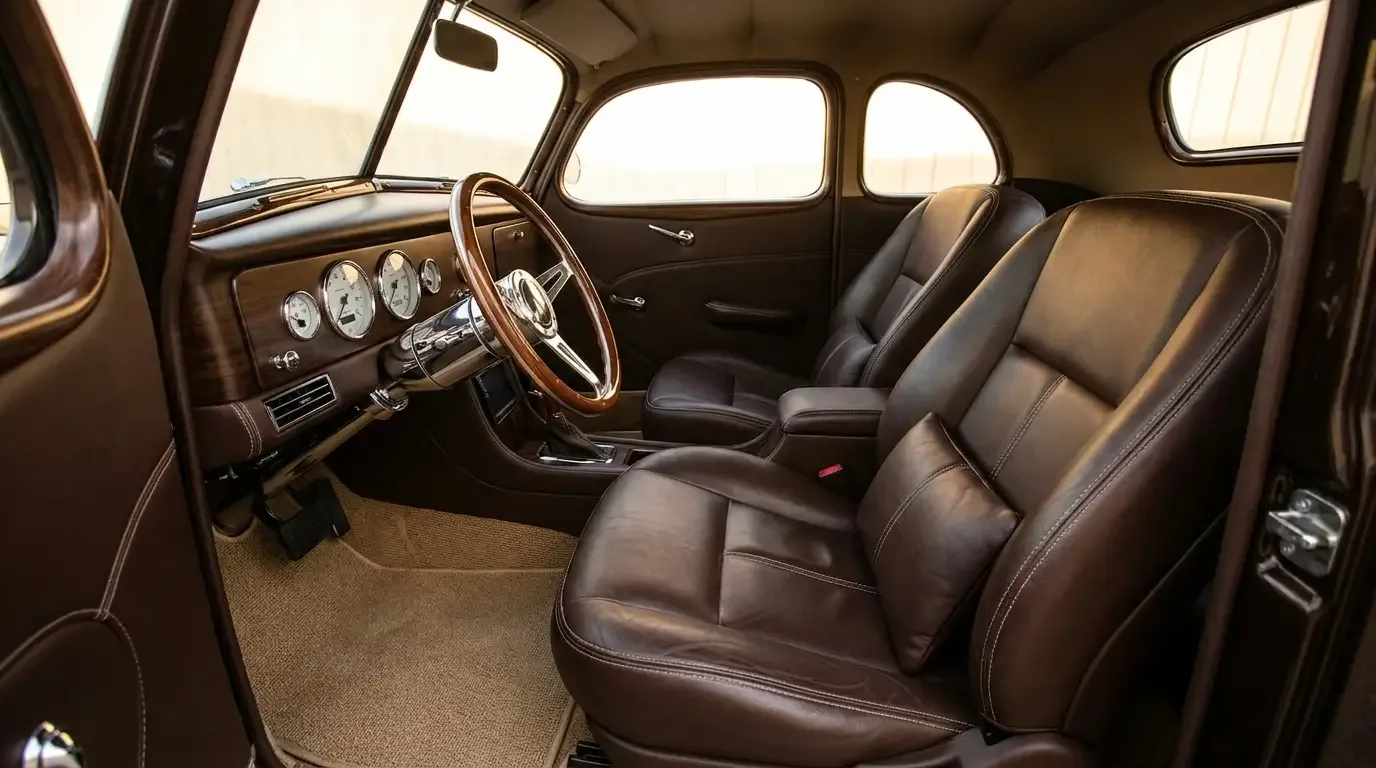
Air conditioning is the upgrade that turns a fair-weather toy into a car you actually use. Aftermarket AC kits, the sort from companies that specialize in street rod climate systems, package a compressor, condenser, and evaporator that fit under the dash of a car that never had them. Add sound-deadening insulation on the floor and firewall while you're at it. The insulation kills heat soak and road drone at the same time, and it's cheap to do while the interior is already out.
Wiring is where good builds quietly fail
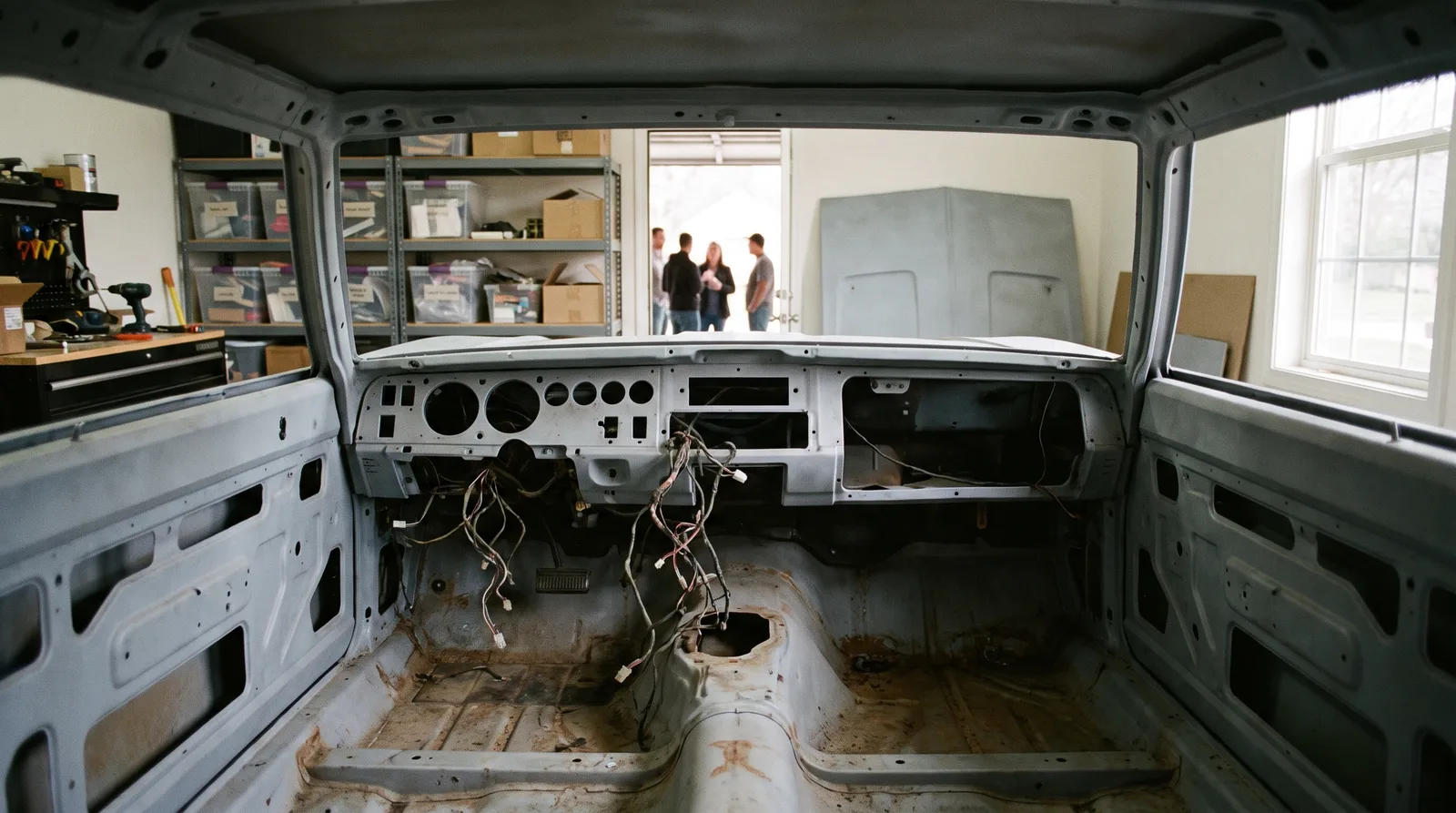
Nobody photographs the wiring, so nobody wants to pay for it, and that's exactly why so many street rods end up unreliable. The original six-volt harness, or worse, a decade of previous owners' splices wrapped in electrical tape, is not going to run modern fuel injection, an electric fan, AC, and a stereo.
Do it once, properly, with a modern 12-volt aftermarket harness built for street rods. These kits come labeled, fused, and organized around a central fuse block, and they take a weekend of patient work instead of a lifetime of chasing gremlins. When your injected crate engine won't start on a Saturday morning, nine times out of ten the fault is a bad ground or a corroded connector, not the engine. Good wiring is the invisible system that makes every other system trustworthy.
🔧 Inspection Priorities
- Grounds and connectors. A fuel-injected engine is only as reliable as its worst ground. Budget a full weekend to do the harness right; a quality kit runs a few hundred dollars and saves years of headaches.
- Brake system match. Confirm the master cylinder and booster suit disc brakes, not leftover drum spec. A mismatch here means a soft pedal or one that locks early.
- Cooling capacity. Verify the radiator is sized for the actual engine and that the fan triggers on a thermostat, not a manual switch you'll forget to flip.
- IFS alignment. Get a proper alignment after the front suspension is in. Bad geometry eats tires and wanders at speed.
The streetable package, put together
None of these systems live alone. A crate engine needs an overdrive to be pleasant, an overdrive needs disc brakes to be safe, disc brakes need a matched master cylinder, and all of it needs clean wiring to be reliable. Build them as a set, in order, and you end up with a pre-war car that behaves like something built this century.
If you're still deciding which body and chassis to start from, the choice of platform shapes every one of these decisions, so it's worth looking hard at the common street rod cars before you commit. And if you'd rather buy a finished, sorted driver than spend two years turning wrenches, there's a healthy market of street rods for sale where somebody else already did the hard part. Either way, the test is the same. Can you get in it and drive it 300 miles without thinking about it? If yes, it's a real street rod. If no, it isn't done yet.
Sources and notes
- Crate engine specifications and tuning states from manufacturer engine reference sheets.
- Suspension and brake upgrade practices from street rod builder interviews and aftermarket component references.
- Transmission overdrive ratios from published gearbox reference data.
- Climate and wiring practices from aftermarket street rod component documentation.
- Club and registry conventions from National Street Rod Association materials.
Related Reading
Article
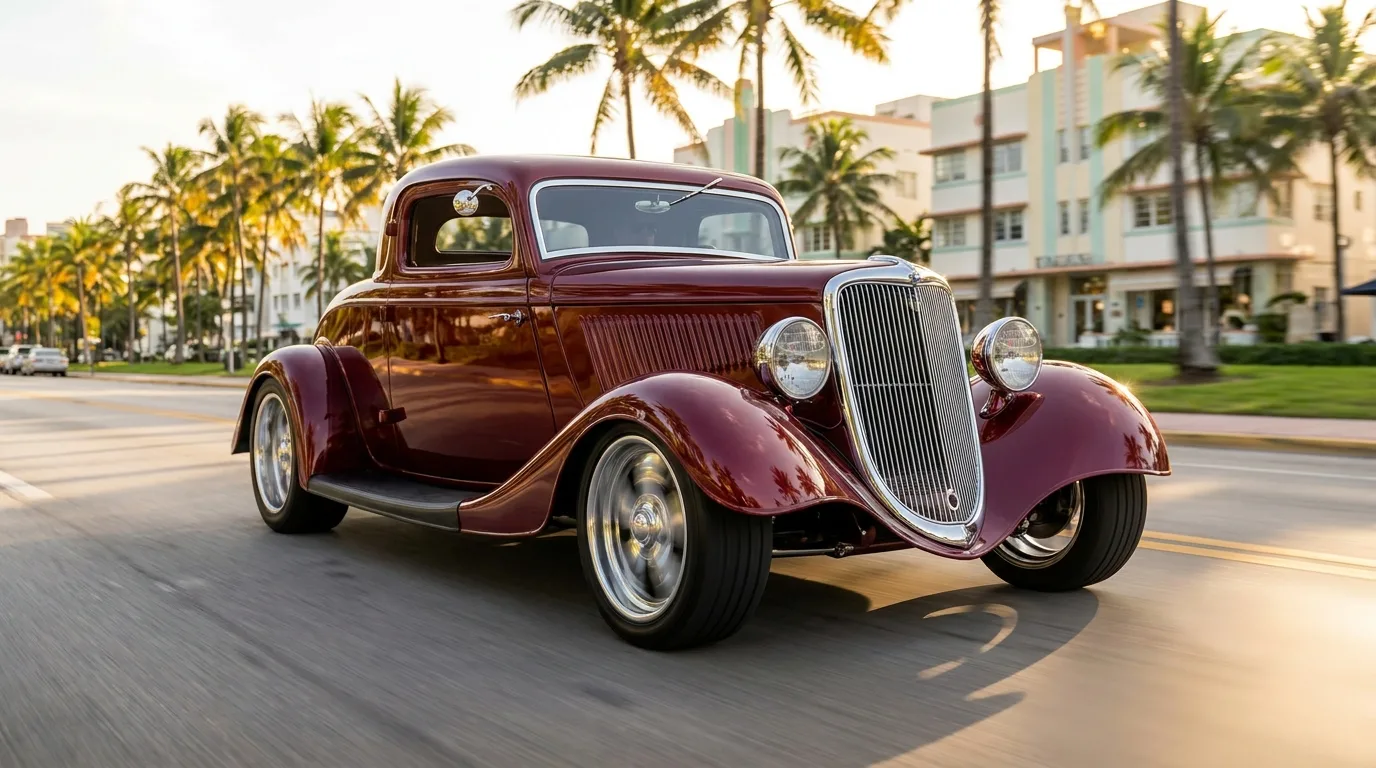
The Street Rod Story
Article
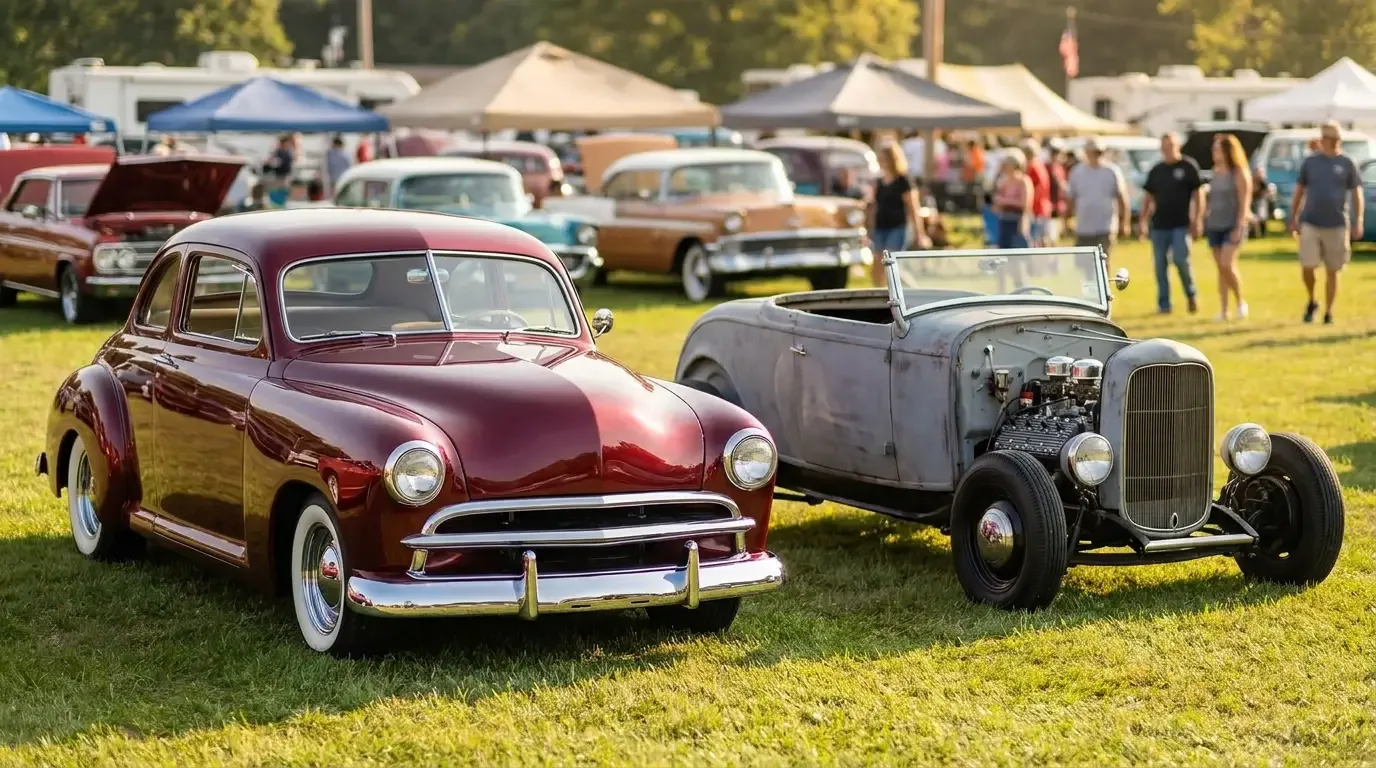
Street Rod vs Hot Rod: The Real Difference
Article
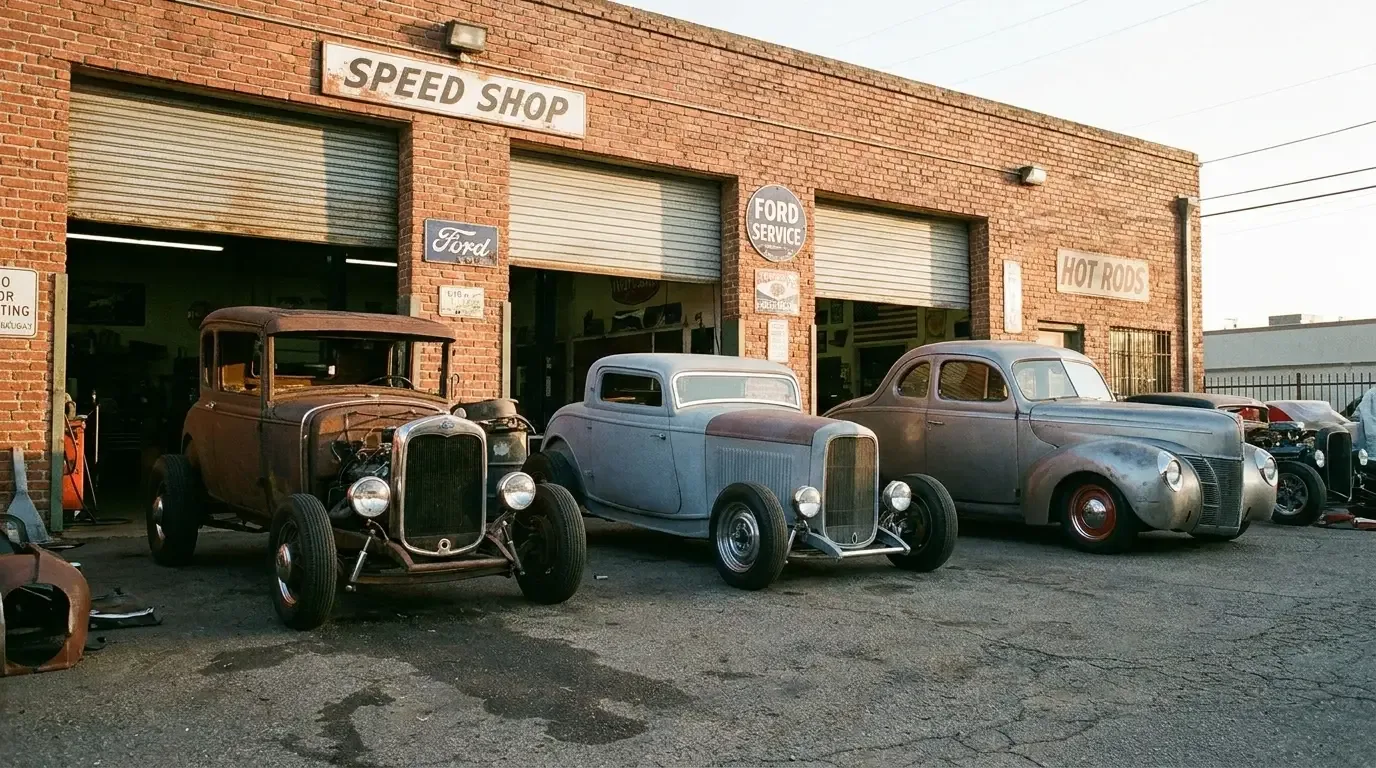
Street Rod Platforms
Article
Choosing a Street Rod Crate Engine
Article
Street Rod Front Suspension and the Mustang II IFS
Article
Street Rod Disc Brakes
Article
Street Rod Air Conditioning and Comfort
External
/street-rods-for-sale
Have a
Classic Car
for Sale?
Reach thousands of serious classic car collectors across the US.
Sell It Here →
Are You a Classic Car Dealer?
List your full inventory and connect with targeted classic car buyers.
Join as a Dealer →

About the author
Mike Sullivan
Detroit-area muscle car enthusiast and restoration specialist with three decades of hands-on experience working on American iron.
More in Restoration & Tech
Comments
Be the first to comment on this article.