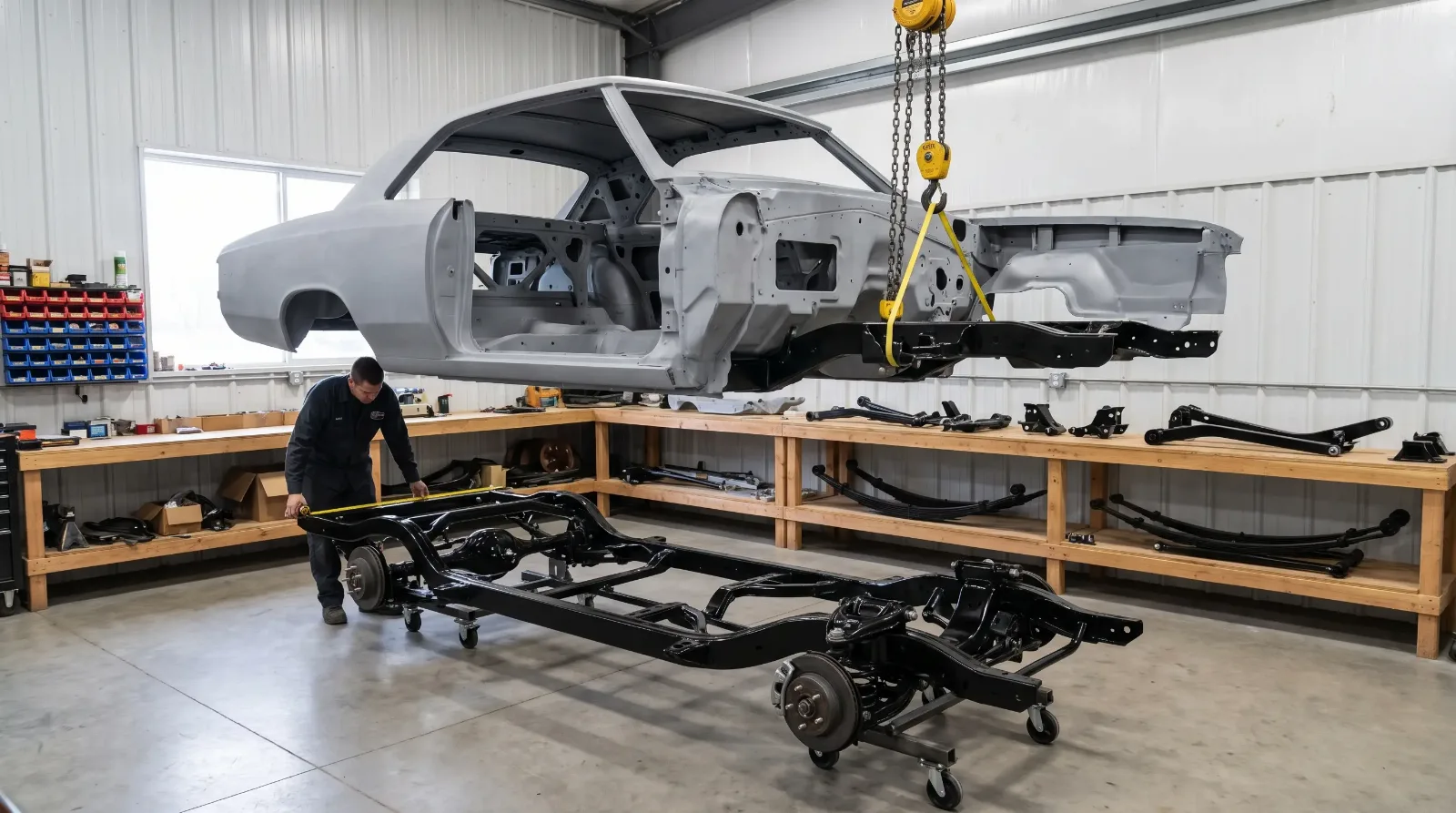
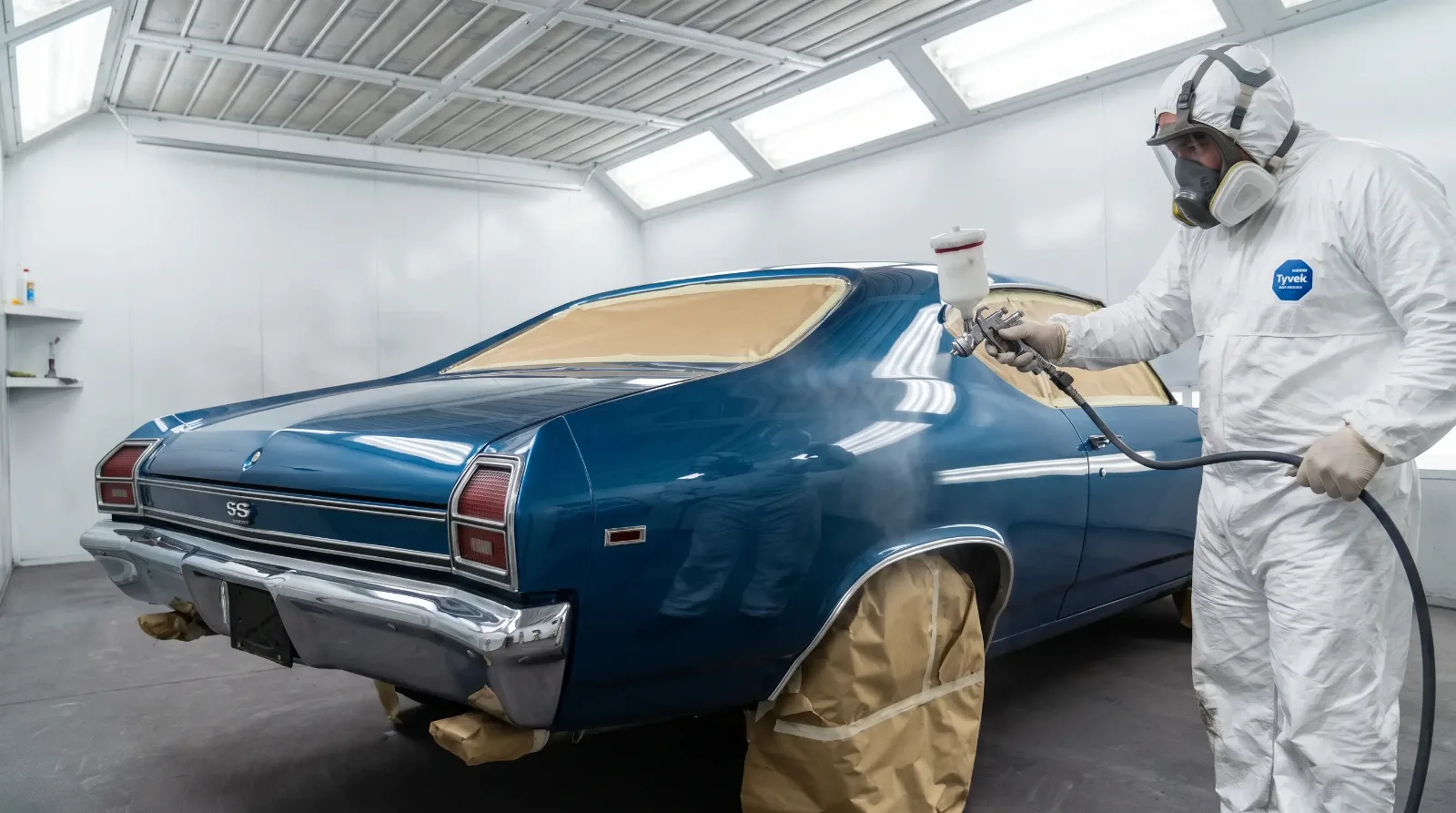
We have all stood next to a car at a Sunday cruise and felt it before we could say why. The paint is deep, the chrome throws light back at you, the seats look like somebody cares. Nobody walking by knows whether the transmission was touched. They are looking at the skin, and the skin is what tells them the owner loves the car. That is what a cosmetic restoration is for.
It is also the most misunderstood level of work, because people treat it as a lesser version of a full build. It is not. It is a different job with a different goal, and for the right car it is the smartest money you can spend.
What a cosmetic restoration covers
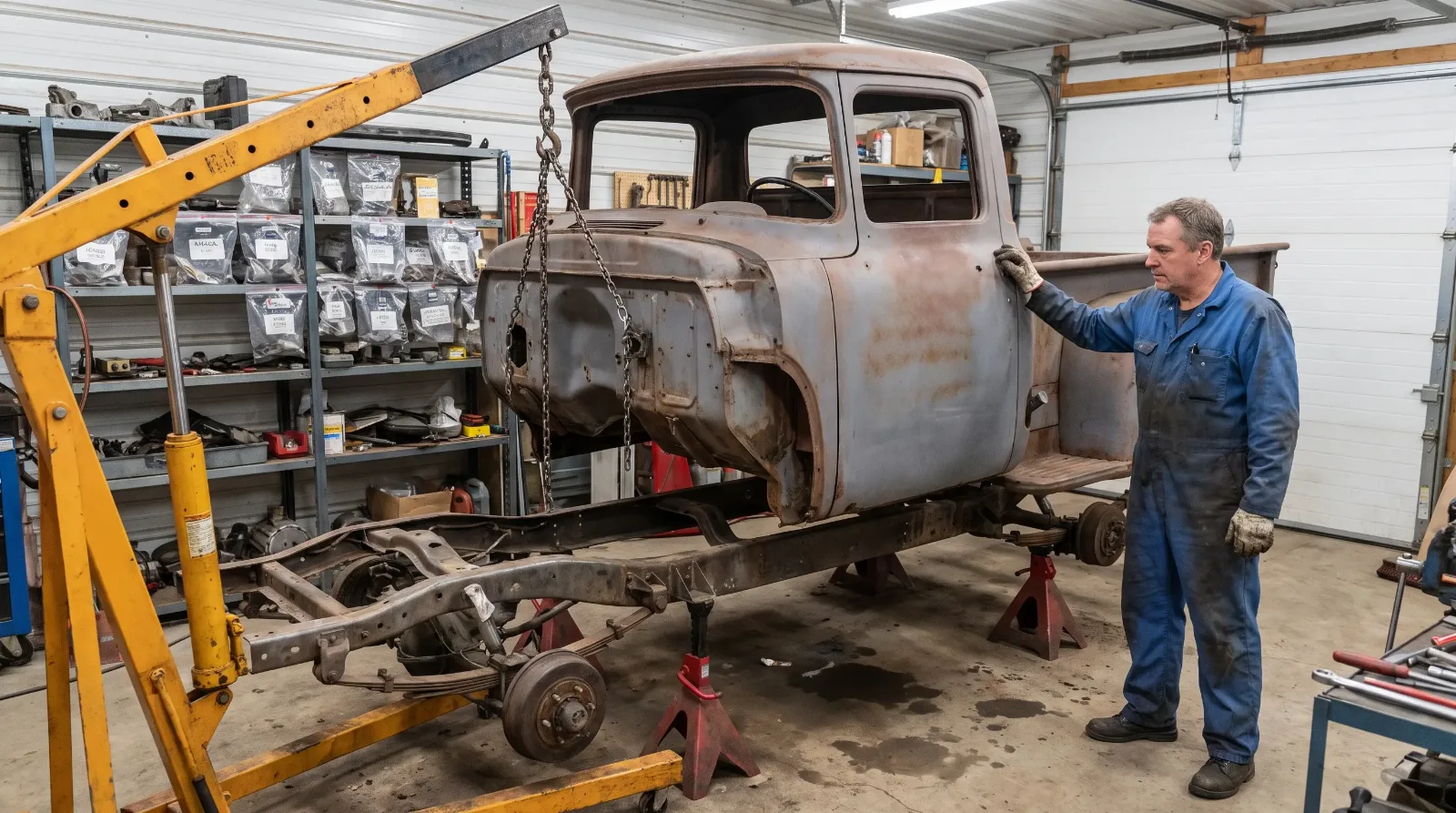
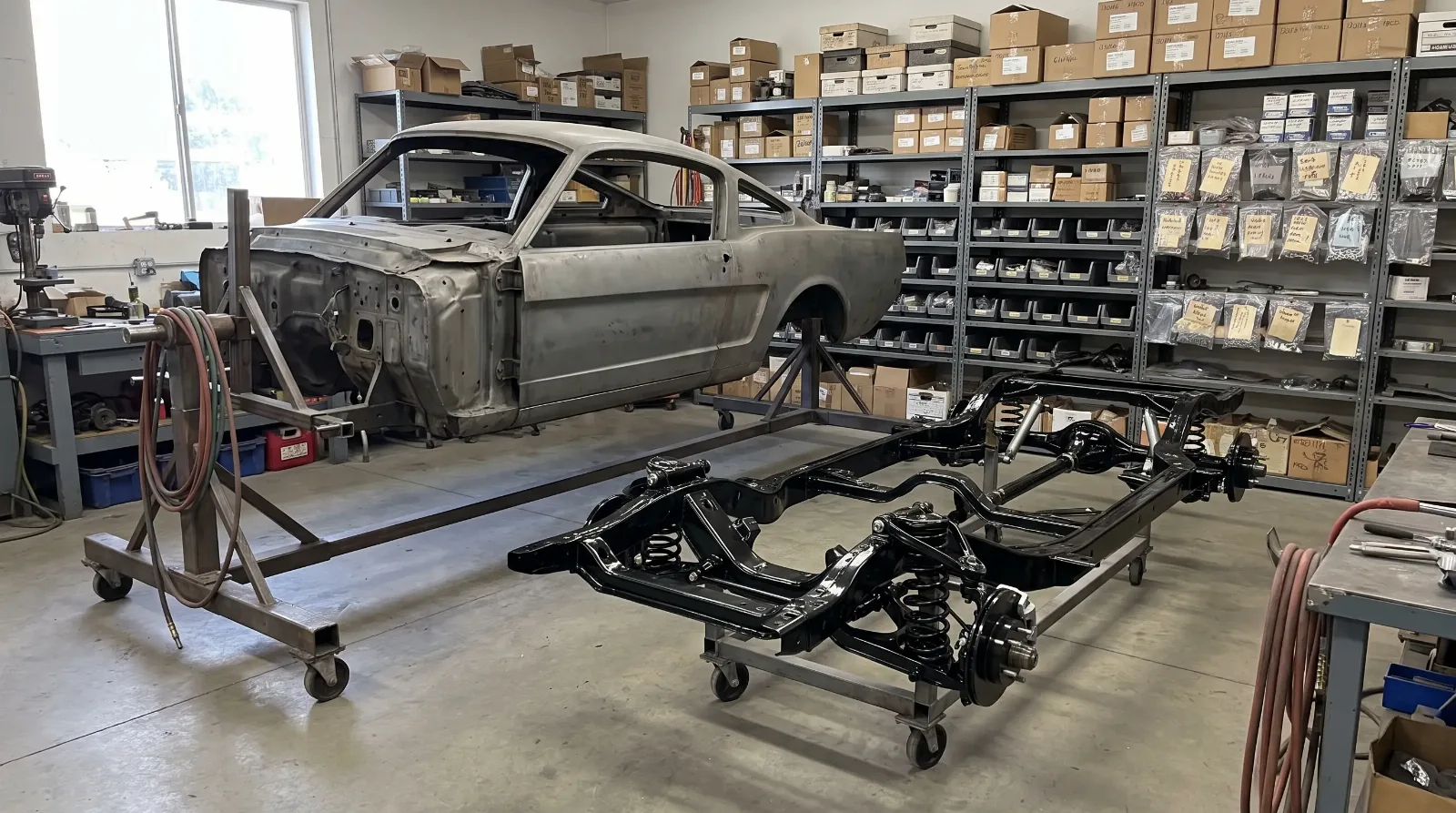
A cosmetic restoration car project improves what you can see and touch without a full teardown. The mechanical side stays as it is, apart from fixes needed to make the car safe to drive. The body stays on the frame, the engine stays in place, and the work centers on four areas.
- Paint and bodywork, from minor dent and rust repair to a complete respray.
- Brightwork, meaning chrome, stainless trim, emblems and lenses.
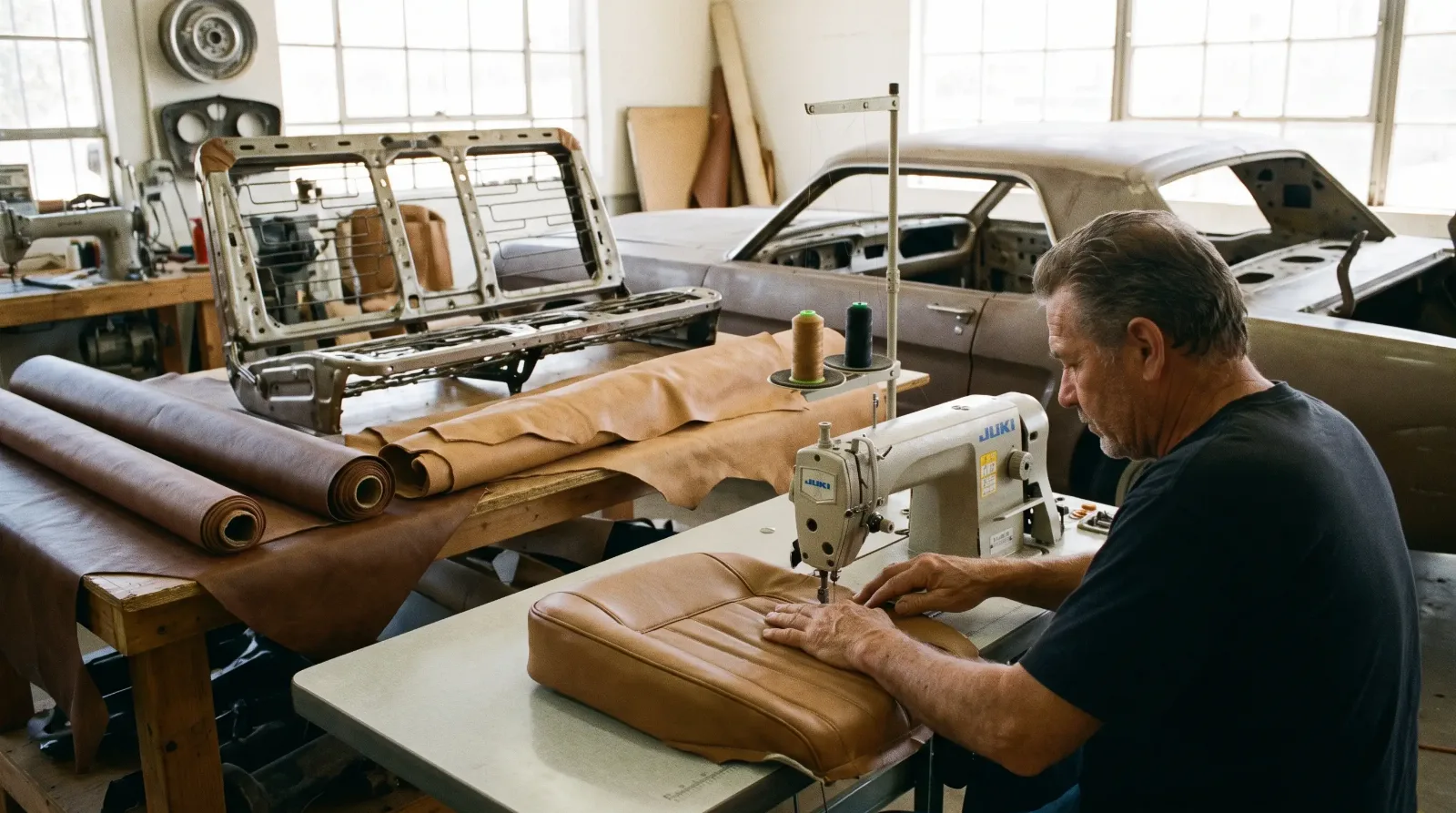
- Interior, including seats, door panels, headliner, carpet and dash pad.
- Wheels, tires and glass, the details people notice from across the lot.
The key phrase is without a teardown. Panels may come off, doors may be removed for paint, and the interior gets stripped out. But the car is not disassembled to the last bolt, and that is where the savings come from. If you want to understand where this sits against the heavier work, the breakdown of full restoration levels lays out each rung.
Paint is where the money goes
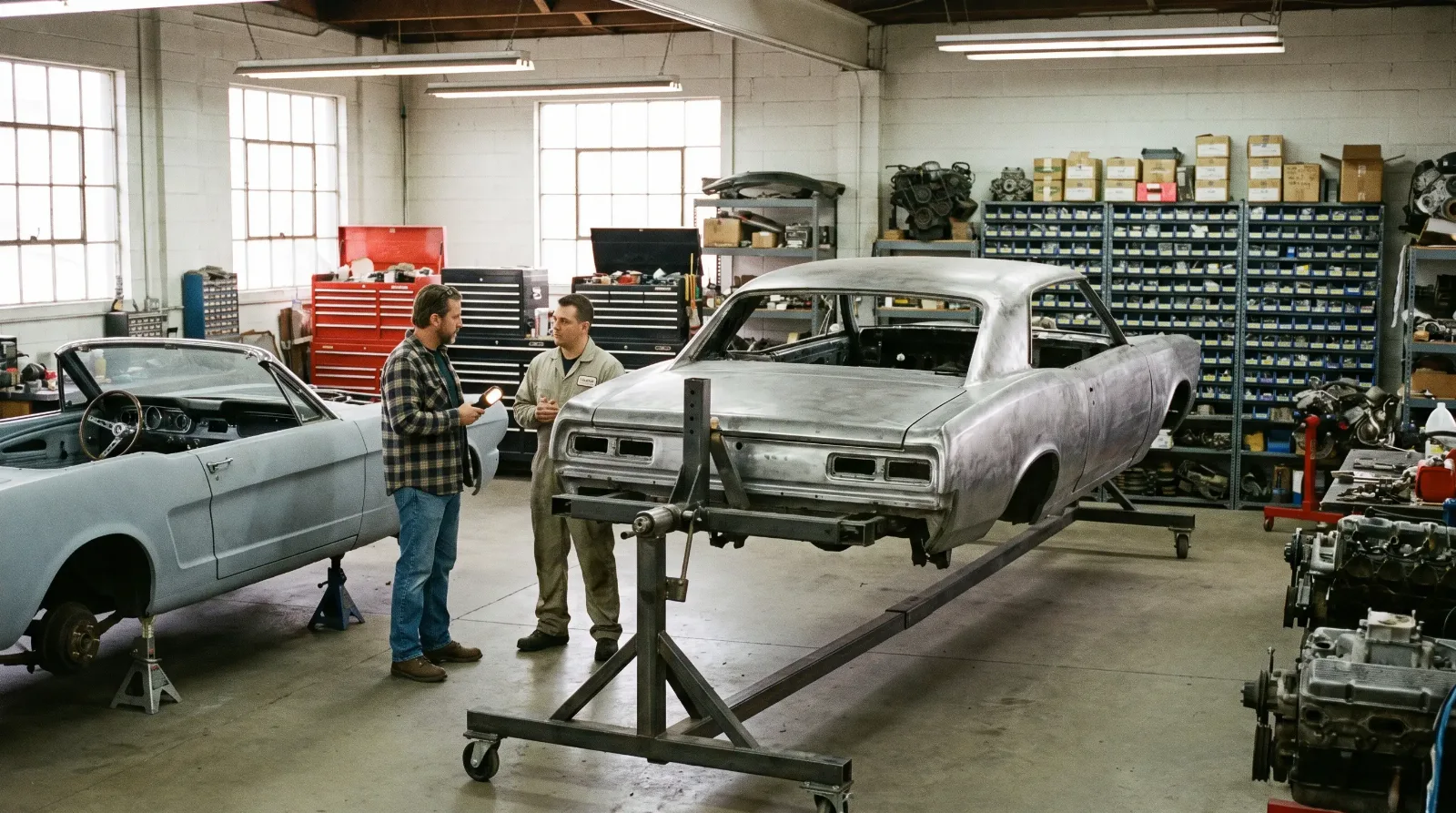
Paint is the biggest line item, and the cheapest option is rarely the best one. The finish is only as good as the prep underneath, and prep is labor. A shop that sands, fixes the metal properly, primes, blocks and then lays color is selling hours. A shop that scuffs and sprays is selling a color change that will show every flaw in a year.
Candy and metallic colors especially punish rushed prep. We learned that the hard way in the scene: every wave in a panel shows up under clear coat, and there is nowhere to hide. For a deeper look at how the process and the price break down, read about the paint job in detail before you collect quotes.
| Paint scope | What you get | Typical 2026 range |
|---|---|---|
| Scuff and shoot | Color refresh over sound existing paint | $2,000 to $7,500 |
| Quality driver respray | Panels prepped, minor metal repair, new base and clear | $10,000 to $20,000 |
| Show finish, body on | Extensive block sanding, doors and lids off, polished | $40,000 to $80,000 and up |
Interior and brightwork
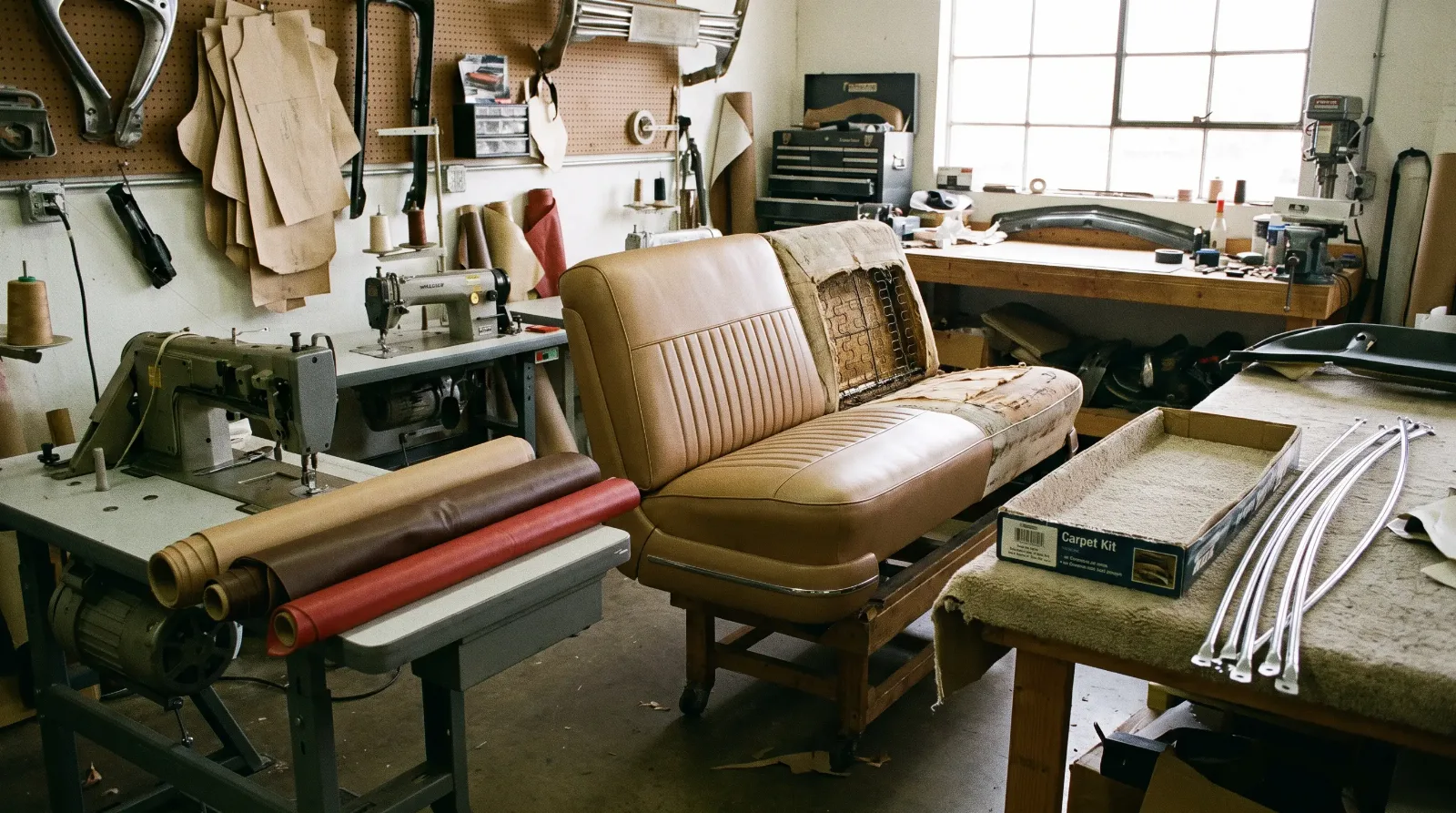
The interior is where an owner spends the actual time, so it deserves attention even on a tight budget. Seat covers, carpet kits and headliners are widely reproduced for popular models, and a full driver-quality interior typically runs about $1,800 to $5,000 in parts and roughly $5,000 to $12,000 installed by a trim shop, with show-level work starting around $15,000 and going far higher for rare cars. Original patterns and leather grades matter if you want the car to be judged against a stock standard. Dash pads, door seals and gauge lenses are small items that change the whole feel of the room.
Chrome is the sneaky expense. Re-plating a single bumper can cost many hundreds of dollars, and quotes for some pieces run into the thousands. Pitted trim polishes up better than people expect, and sometimes the right call is to restore the best pieces and replace the rest with reproductions rather than plating everything.
"Do the interior before you fall in love with the paint. You will sit in the seats for years. Everybody else only looks at the fender for a minute."
Hector Morales
Where a cosmetic job stops making sense
There is a ceiling, and it is honest to name it. If the floors are rusted through, if the frame is tired, or if the car does not run well, new paint just puts a nice coat on a problem. Panels that need major rust repair push the work toward structural territory, and at that point a cosmetic budget stops covering it. Likewise, a car that overheats, leaks everywhere or stops badly needs mechanical attention first. That is the territory of a mechanical restoration, which is the mirror image of this job: reliable on the inside, untouched on the outside.
The cleanest way to decide is to ask what you want the car to do. A cruise night car that looks sharp and runs well fits a cosmetic job perfectly. A car you plan to show at a high level, or one that needs deep structural work, does not.
Is it worth it, and what should you do first
For driver quality cars, yes. A cosmetic restoration lifts the value and the pride of ownership at a fraction of the cost of a ground up build, and it usually takes a few months rather than years. Total budgets for a solid refresh often land somewhere between about $20,000 and $60,000 when paint, interior and brightwork are all done, and the spread comes almost entirely from paint scope and how much brightwork you replate.
If you are still deciding whether to restore at all, there are plenty of well kept classic cars for sale that already have the cosmetic work done, which can be cheaper than doing it yourself. And if you are weighing a modified build instead of keeping the car stock, the restoration versus restomod decision is worth reading before you commit a dollar to paint.
Sources and notes
- ThePricer: car painting costs by quality tier, supports the point that prep is roughly half of a paint bill
- AAA: how much does it cost to paint a car, supports that bare-metal and high-end work costs far more than basic repaints and that rust and dent repair add to the bill
- ThePricer: how much it costs to reupholster a car, supports per-seat and classic interior cost ranges
- Jalopnik: cost to reupholster car seats, supports that labor is most of a retrim bill and that leather adds roughly $1,000 over cloth
- Street Tech: how to get your bumpers re-chromed, supports the plating process, straightening before plating and the wide spread in bumper quotes