
The honest answer is usually no, in dollar terms, and sometimes yes, for reasons that never appear on a spreadsheet. The market makes this easy to quantify. Restoration costs are driven by labor, which rises every year. Finished values are driven by supply and demand, which do not follow the same curve.
Restoration & Tech
6 min read
Is It Worth Restoring a Classic Car? Cost vs Finished Value
Restoration cost versus finished value in 2026: where the math works, where it does not, and how to test your own car against real market comparables.
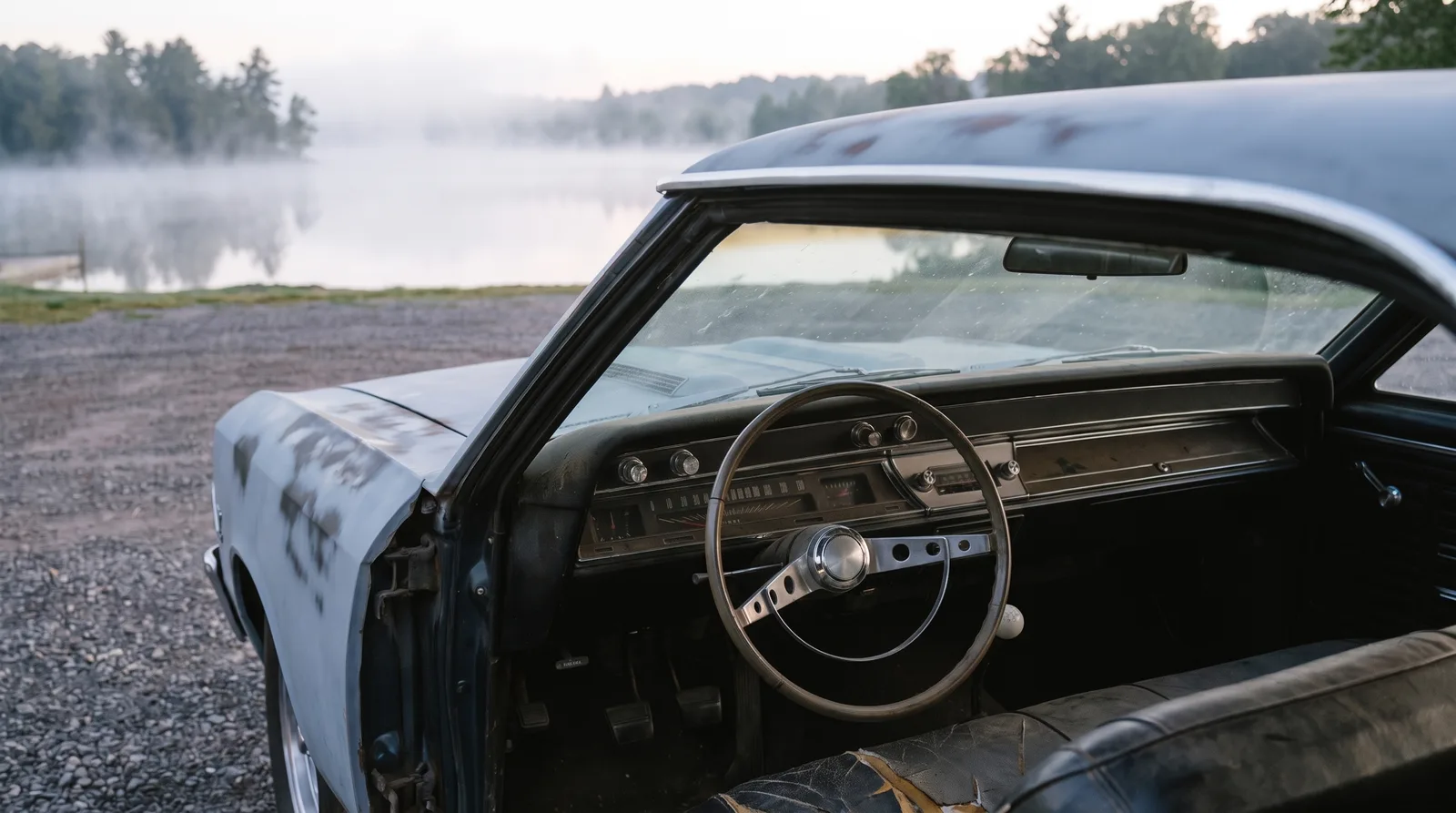
The basic math
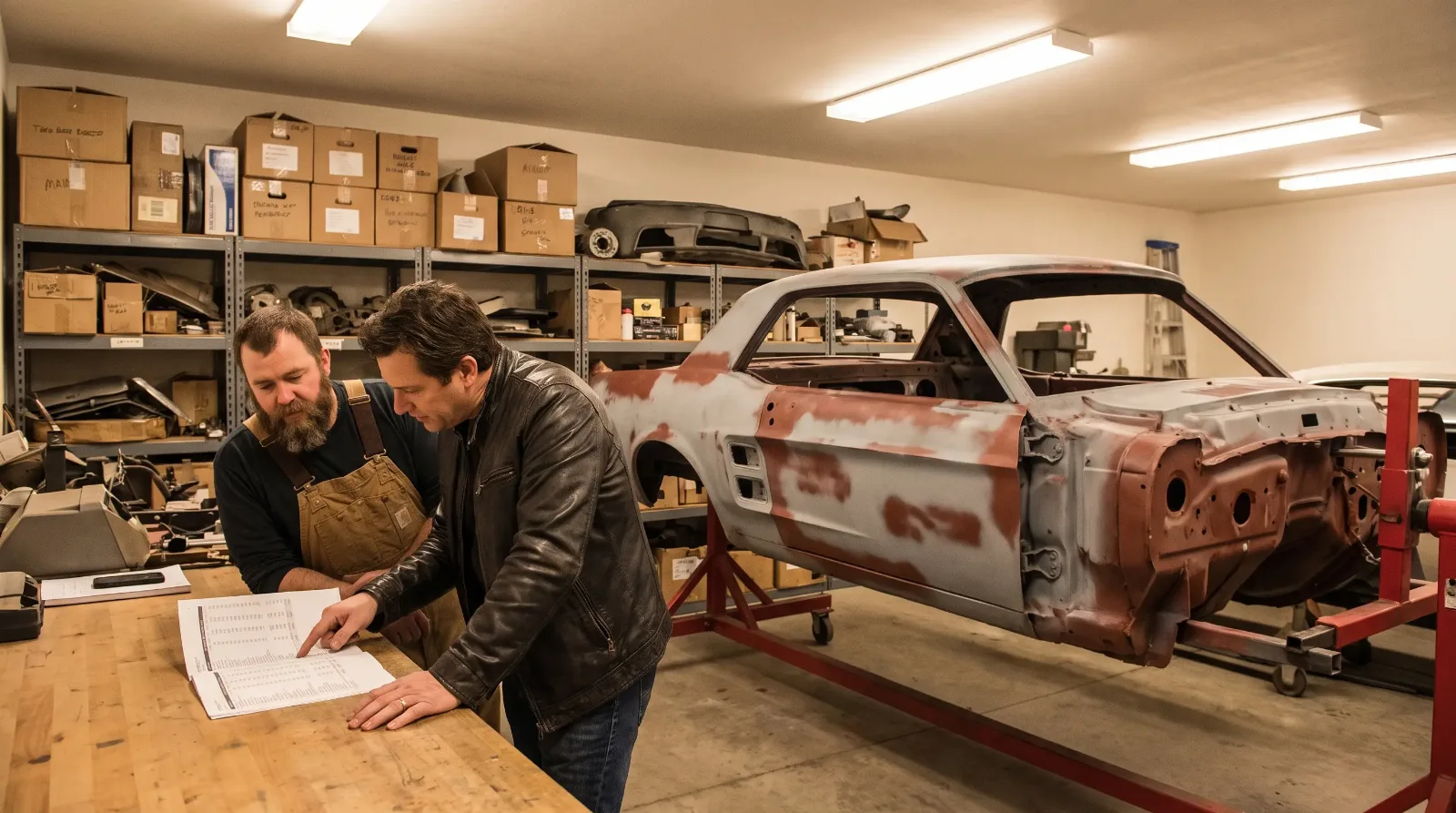
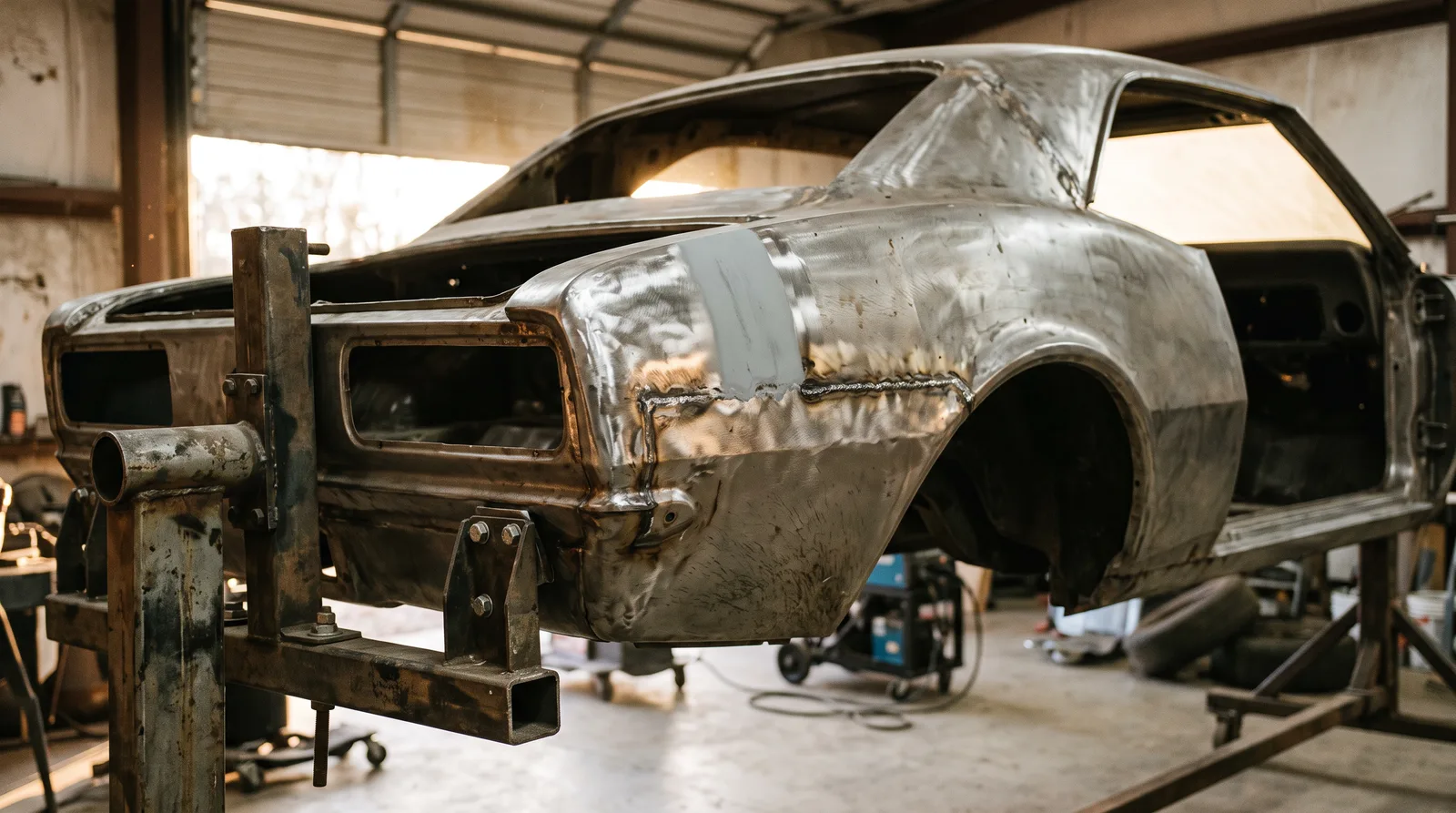
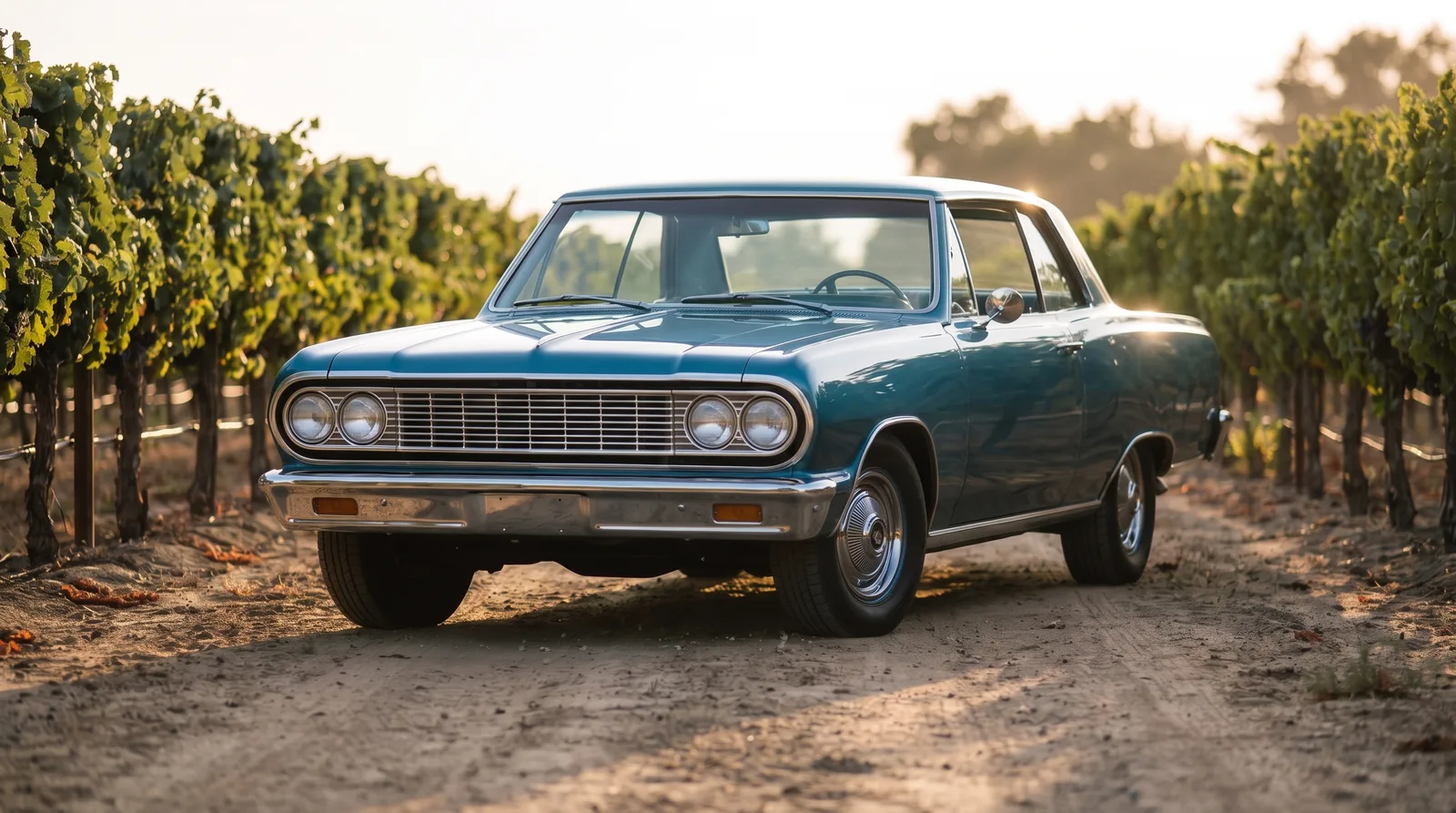
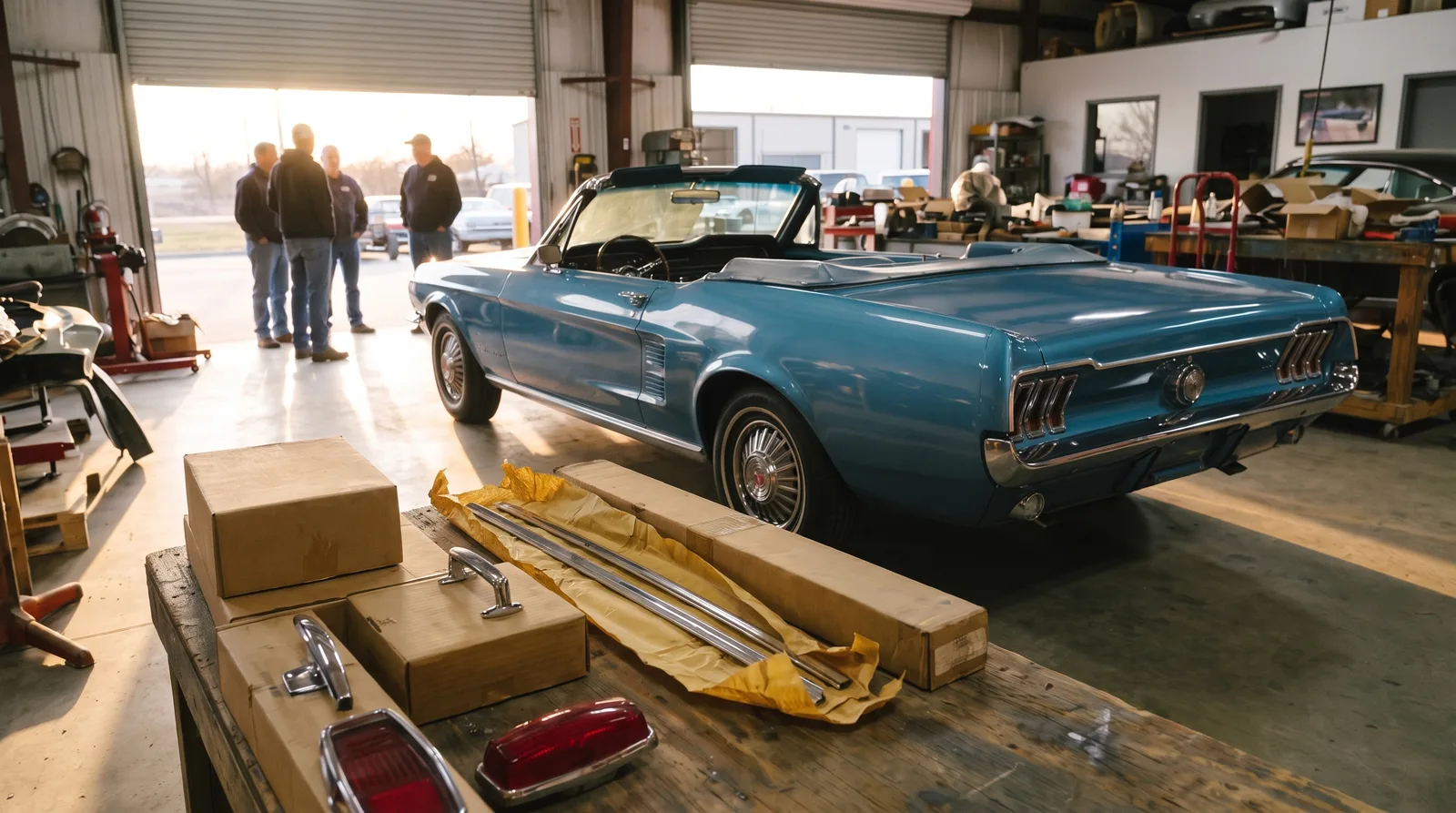
Take a mainstream car, a 1960s American V8 coupe of the kind that sells in large numbers. A well-restored example often sells for somewhere in the tens of thousands of dollars, frequently less than a professional restoration of the same car costs. At a typical shop rate of about $125 an hour, a driver-quality shop restoration of a common American classic runs roughly $45,000 to $100,000, and a show-quality one $100,000 to $225,000, before the purchase price of the car is counted. That gap is the central problem, and it has been widening for years.
| Car type | Typical all-in restoration (2026 USD) | Typical finished value | Outcome |
|---|---|---|---|
| Common 1960s and 1970s coupe or convertible | $45,000 to $100,000 driver, $100,000 to $225,000 show | Often below the restoration bill | Usually a loss |
| Mid-tier sports car | Commonly above the common-coupe range | Varies widely by model | Break-even to loss |
| Rare high-option or documented car | Often $100,000 and well beyond | Can exceed the bill when the car is scarce | Can be positive |
| Pre-war or coachbuilt | Concours level can reach $200,000 to $400,000 or more | Varies widely | Case by case |
The table is a framework, not a quote. The point is where each category sits: common cars lose money, rare cars sometimes do not, and the middle depends on documentation. For the cost side of the equation, see what you'll spend getting there.
Why value does not keep up
Auction results show that the market pays a premium for originality, provenance and options, not for work performed. A car with its factory engine, build documents and a believable history sells for more than an equivalent car that was rebuilt with the same parts. The restoration market punishes cars that were restored to a generic standard and rewards cars with a story that could not be reproduced.
Condition tiers matter too. The step from a #3 to a #2 car is expensive and the market pays less for it than the work costs. The step from a #4 to a #3 is the cheapest improvement per dollar, which is why many owners do better with a thorough mechanical and cosmetic refresh than with a full restoration.
When it does make sense
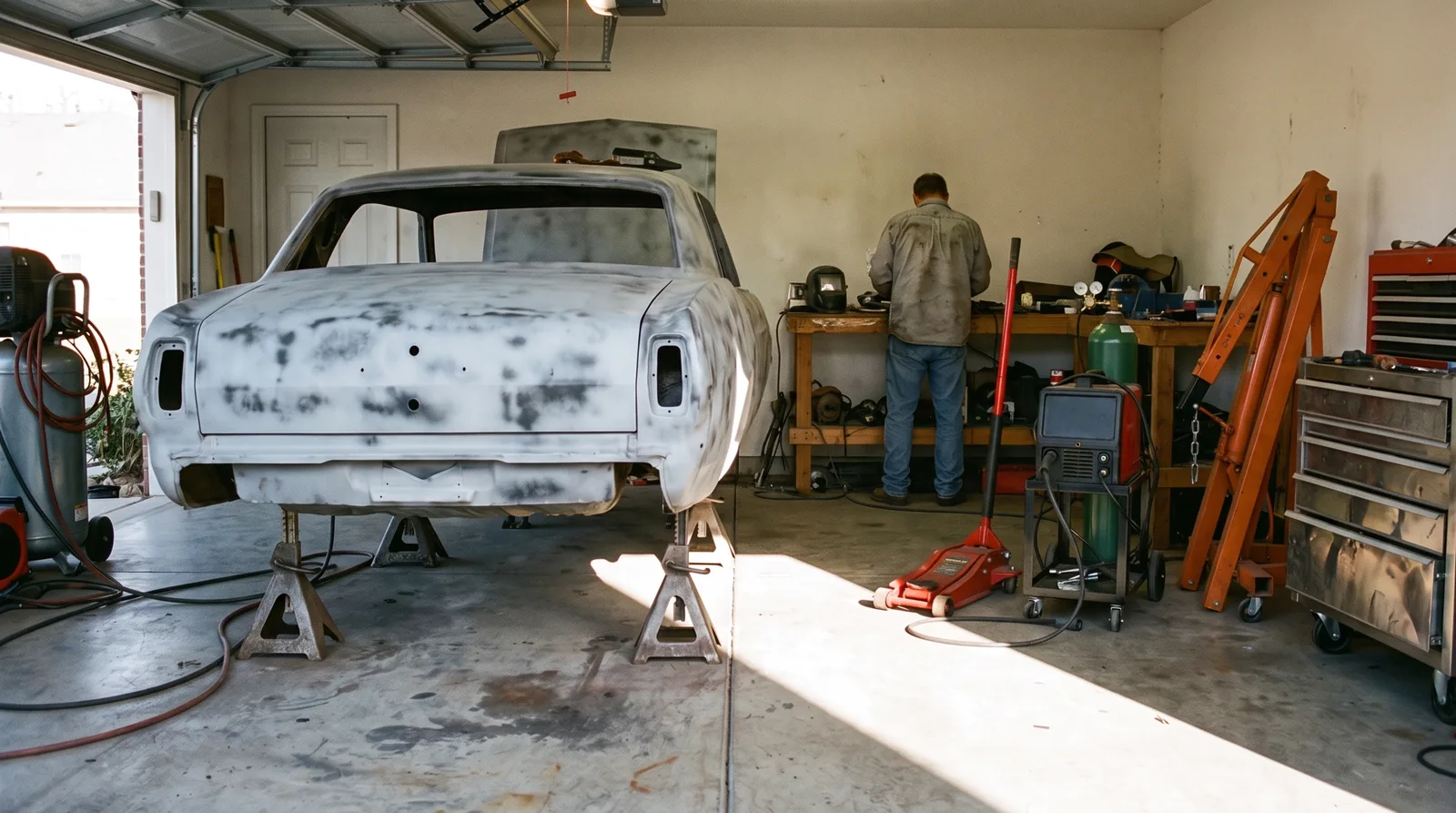
There are four situations where restoring pencils out. The car is rare enough that finished examples are scarce and expensive. The car carries documentation that adds value, such as original build sheets, matching numbers and ownership history. You do much of the work yourself and your labor is not billed at shop rates. Or the car has sentimental value that makes a market comparison beside the point. If none of these apply, the numbers will probably disagree with you.
Buyers who want to test the alternative should price buying finished instead. For many models, the cheapest restored car on the market costs less than a restoration of the same model.
Check the market before you decide
Do the comparison with real listings. Look at the sold prices for finished cars in the tier you want, not the asking prices, and note how long they sit. You can browse classic cars already restored to see the range of condition and price for the model you are considering. If a good #3 car sells for less than your projected all-in cost, you have your answer in numbers.
"A restoration is a purchase of labor. The market buys the car. Those two prices diverge more often than owners like to admit."
David Mercer
The partial restoration option
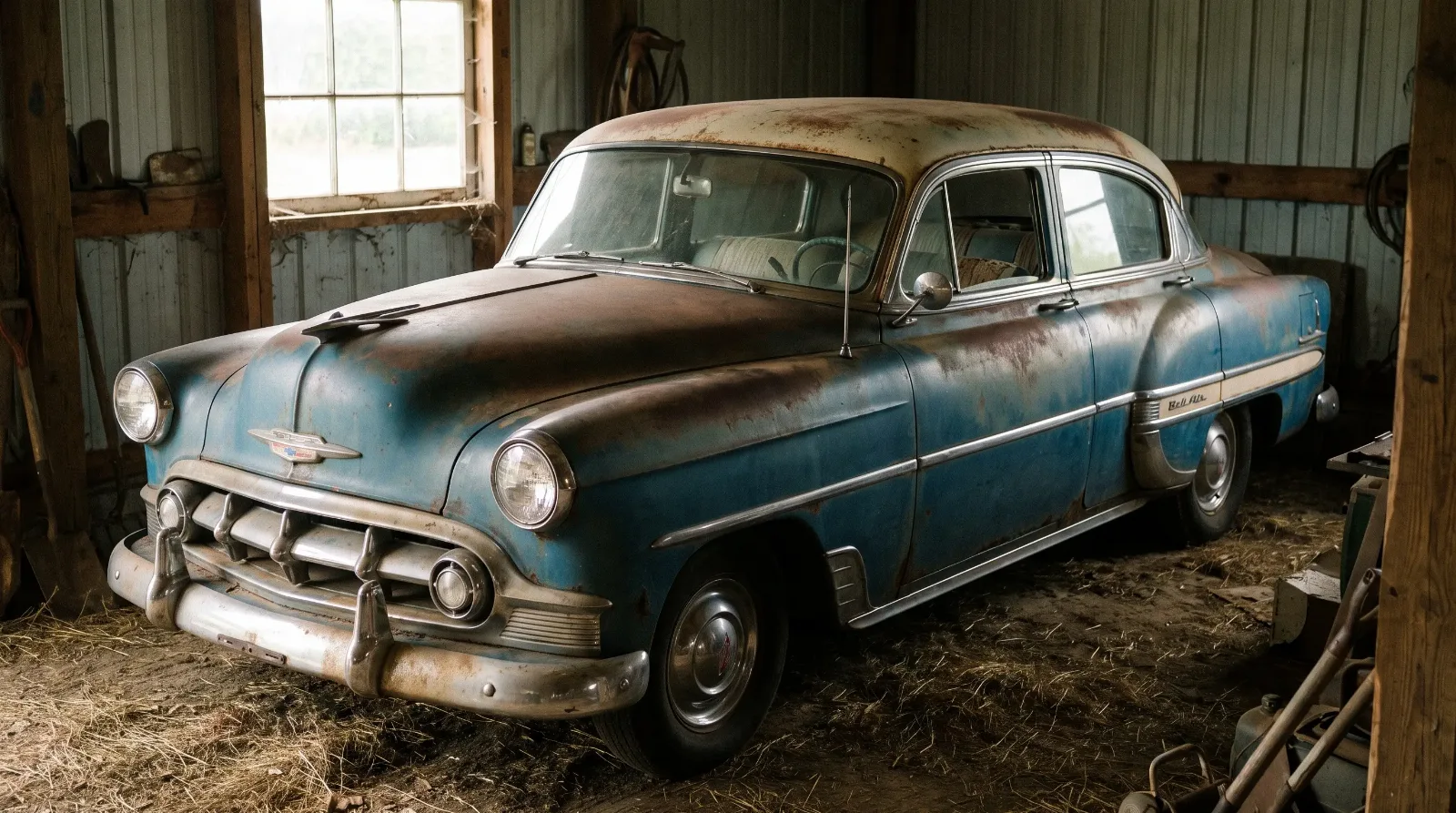
Between a full restoration and doing nothing sits a third path that the numbers often favor. Fix what is mechanically unsound, repair rust, repaint only where it is needed, and refresh the interior without replacing every piece. The result is a presentable, reliable #3 car at a fraction of the cost of a #2 build, and the market has no strong preference for the more expensive version in most mainstream segments.
Preservation has also become a strategy. Cars with original paint and interiors, even if worn, have in some cases drawn higher bids at auction in recent years than comparable cars that were redone. Before tearing a sound survivor apart, ask what you would be destroying. A restoration cannot return originality once it is gone.
Questions to answer before you start
Write down the purpose, the budget ceiling and the exit plan. If the purpose is to drive the car for twenty years, the resale value matters less. If you might sell within five years, the margin for error is narrow. Decide in advance what total you will not exceed, and decide who will say stop. Projects most often go wrong at the point where sunk cost starts making the decisions.
Value is not only resale
None of this means restoration is wrong. People restore cars because they want a specific car in a specific condition that the market cannot supply, or because the work is the point. What matters is knowing which category you are in. If you are restoring for use and enjoyment, the all-in cost is the price of the experience. If you are restoring to sell, you need a thin margin of error and a car that the market already likes. For a closer look at the link between work done and price paid, read about how restoration affects value.
A final test is simple. Imagine the car finished, and imagine the total you paid. Would you write that check today for the finished car if it were parked in front of you? If the answer is yes, the restoration is a fair price for what you want. If the answer is no, the gap between that figure and the market is the amount you are choosing to spend on the project itself, and it is better to name it now than discover it at the final invoice.
Sources and notes
- Hagerty: which classic cars are worth restoring, restoration usually exceeds owner expectations, and purchase plus restoration should stay below finished value
- Wikipedia: Car restoration, restoration versus preservation and preserved cars outperforming some restored ones at auction
- Sports Car Market: unrestored 1928 Mercedes S-type sale, an example of an unrestored car commanding a major price
- InsideHook: why an unrestored Jaguar XK150 sold for six times its estimate, rarity and provenance outweighing condition
- HotCars: are old cars cheap to restore, how rarity, parts availability and labor drive restoration cost
Related Reading
Have a
Classic Car
for Sale?
Reach thousands of serious classic car collectors across the US.
Sell It Here →
Selling a classic? Here's how: compare the places to sell classic cars
Are You a Classic Car Dealer?
List your full inventory and connect with targeted classic car buyers.
Join as a Dealer →

About the author
David Mercer
Classic car market analyst with two decades of experience tracking collector car valuations, auction results, and investment trends.
More in Restoration & Tech
Comments
Be the first to comment on this article.