I've watched owners hand a rusty fastback to the best collision shop in town, get a beautiful paint job back, and then spend two years chasing wrong parts, ill-fitting trim and a car that sits nothing like it did in 1968. The shop did good work. It was the wrong shop. Three kinds of business all say they fix old cars, and they do not do the same job. Before you choose a classic car restoration shop, figure out which of the three you actually need.
The restoration shop
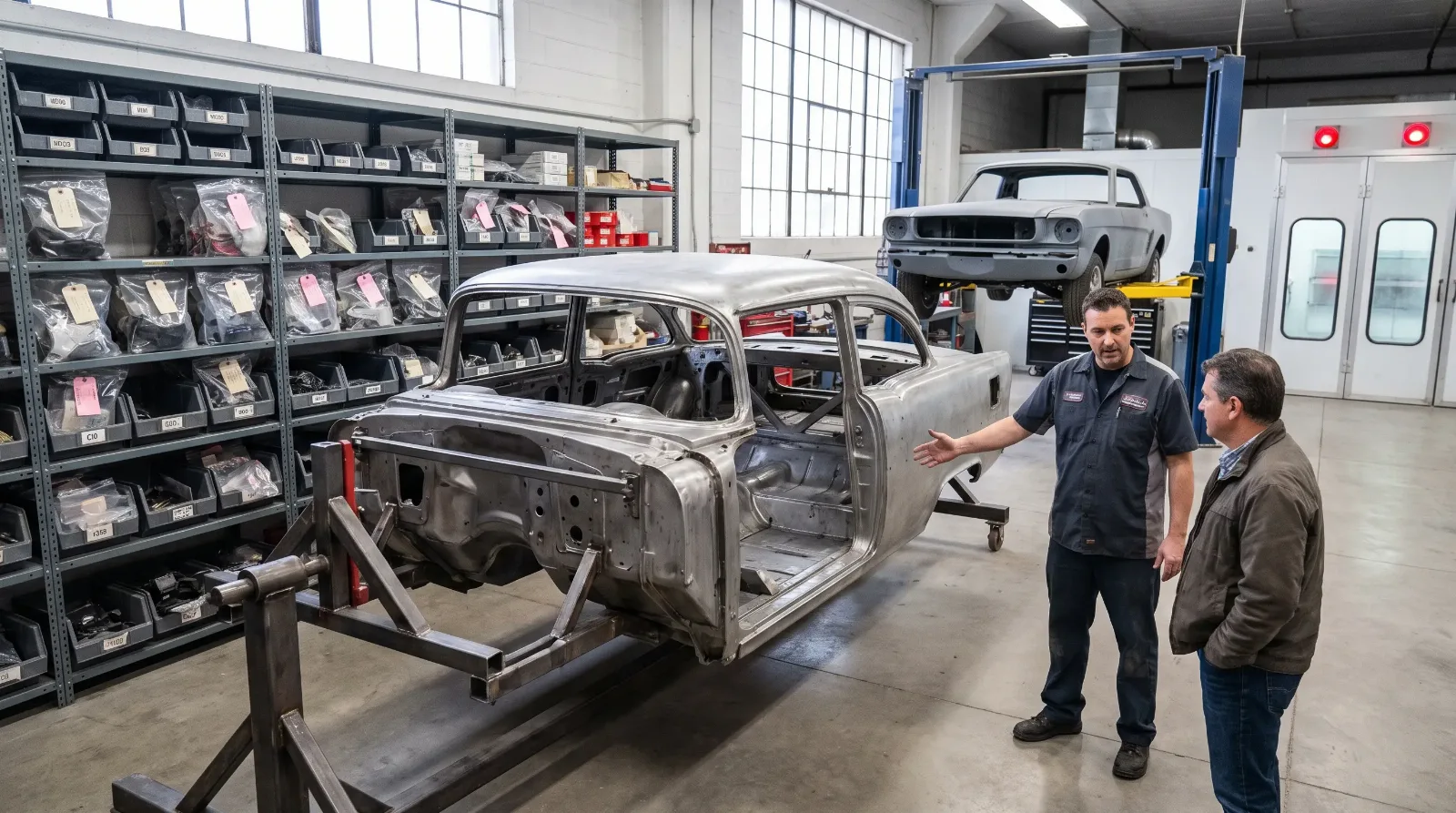
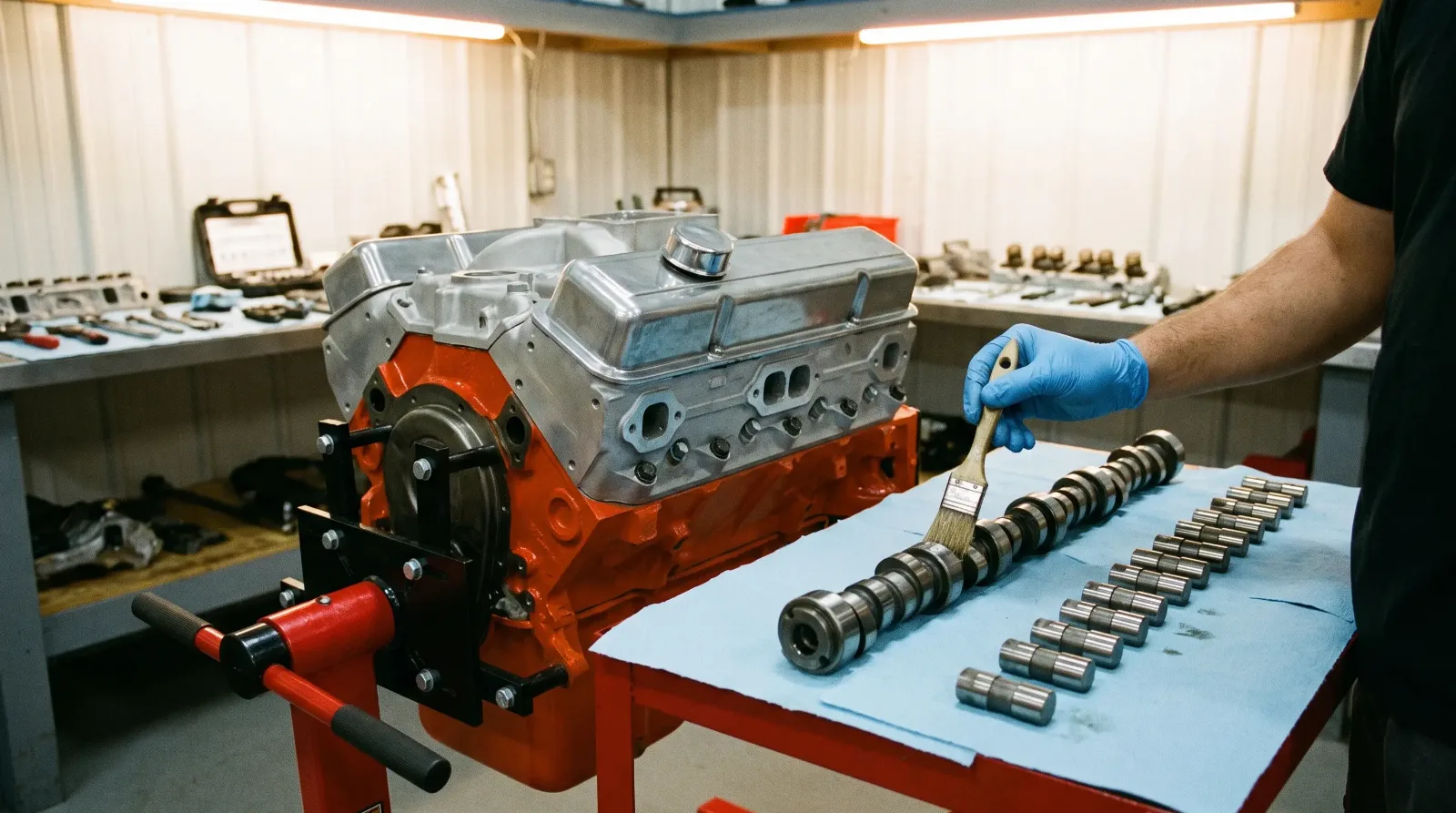
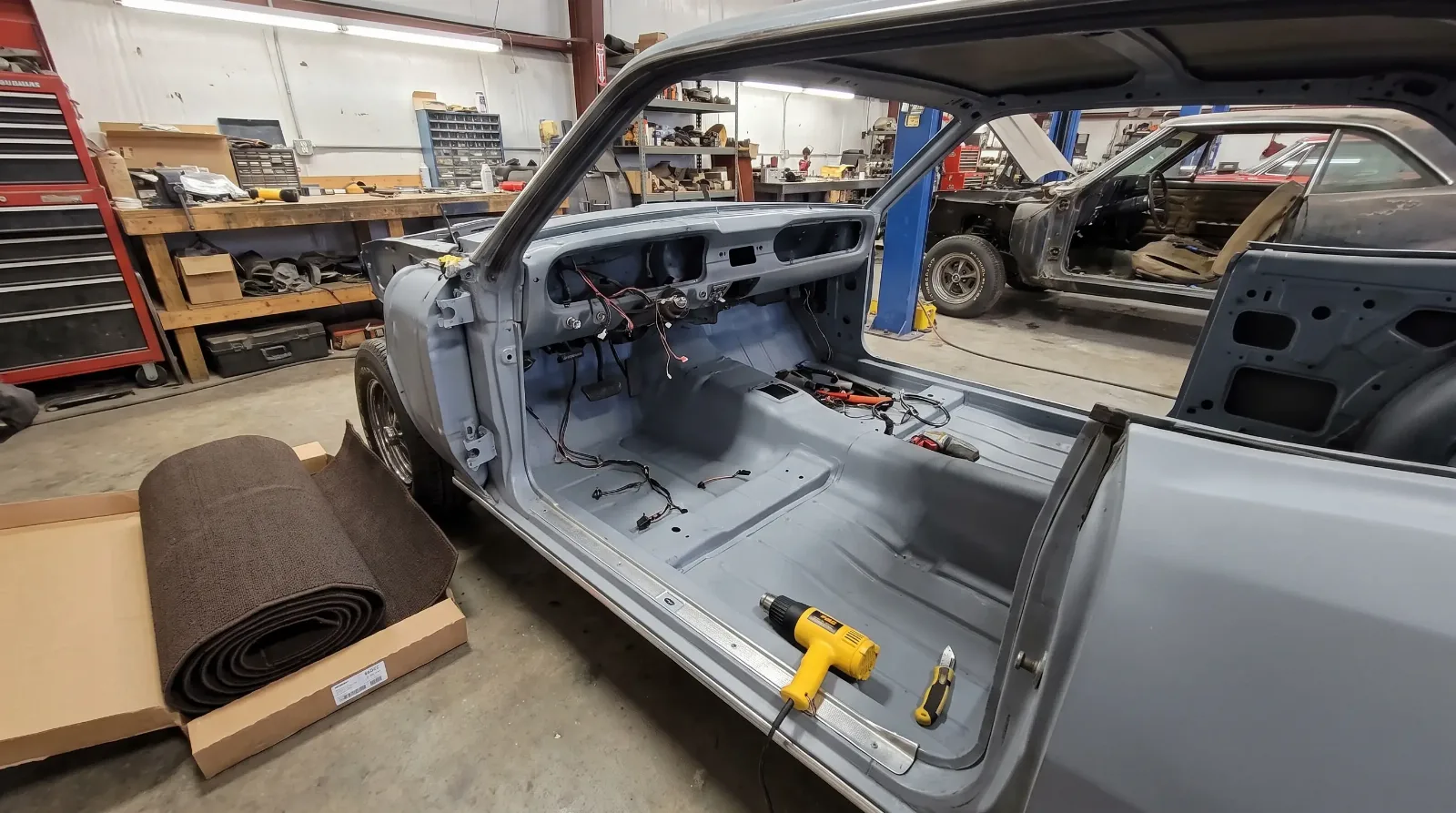
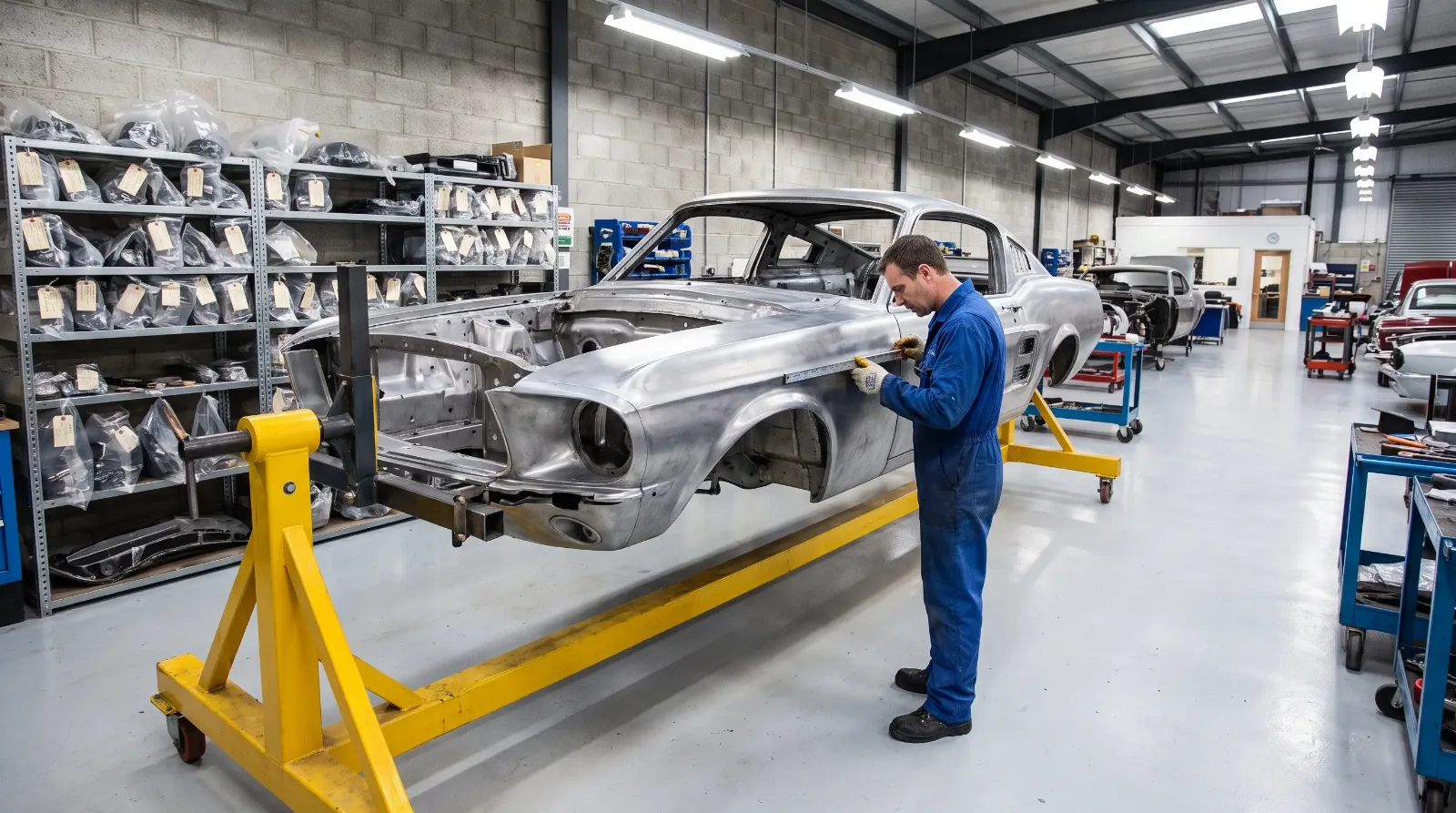
A restoration shop returns a car to a defined past condition. That might be factory-correct, or a period-accurate driver, but the target is the original design, not a new one. The crew expects to do metal repair and fabrication, correct finishes, period-appropriate hardware, wiring, interior, chrome and mechanical work, all under one roof or through trusted vendors.
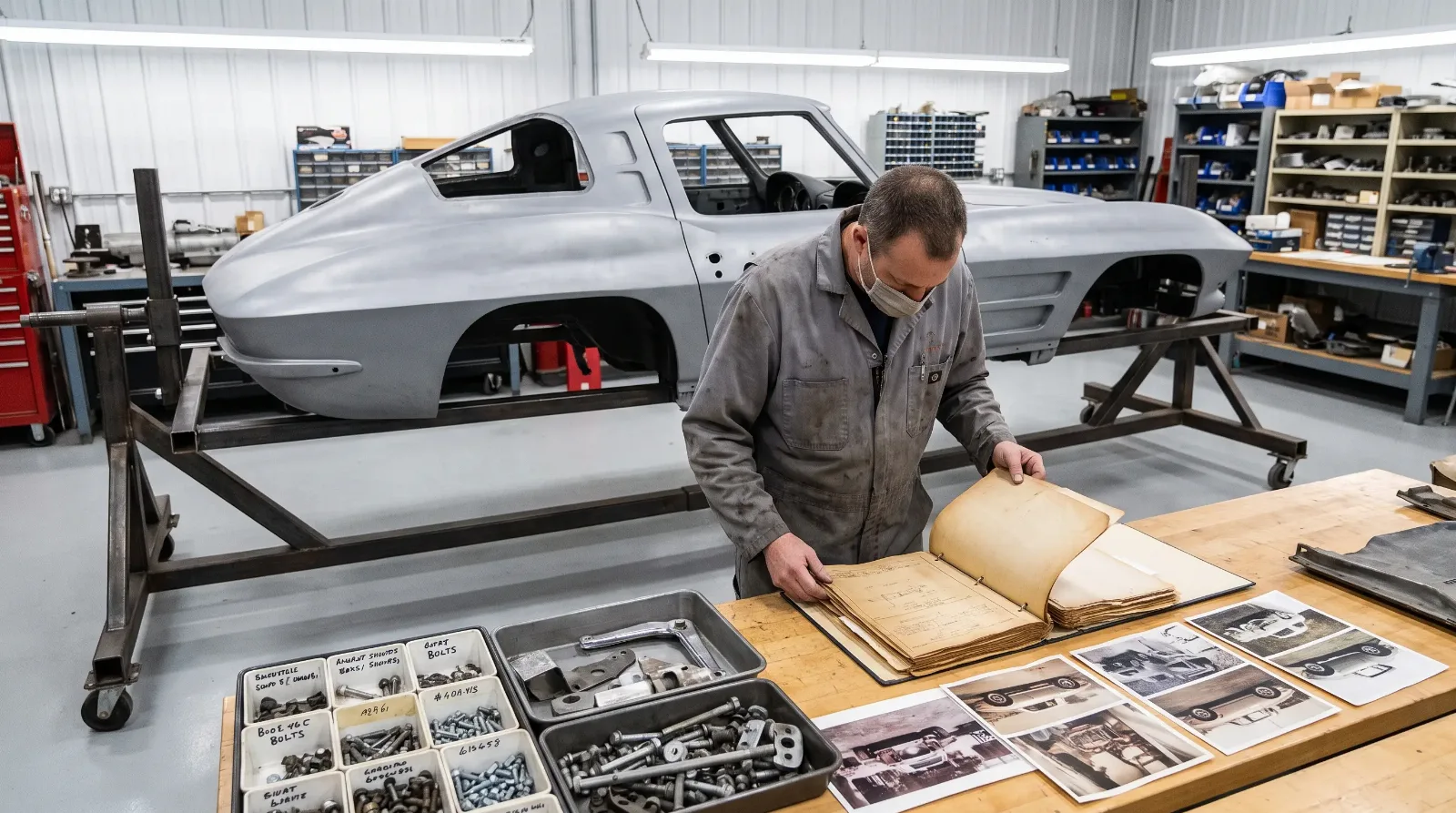
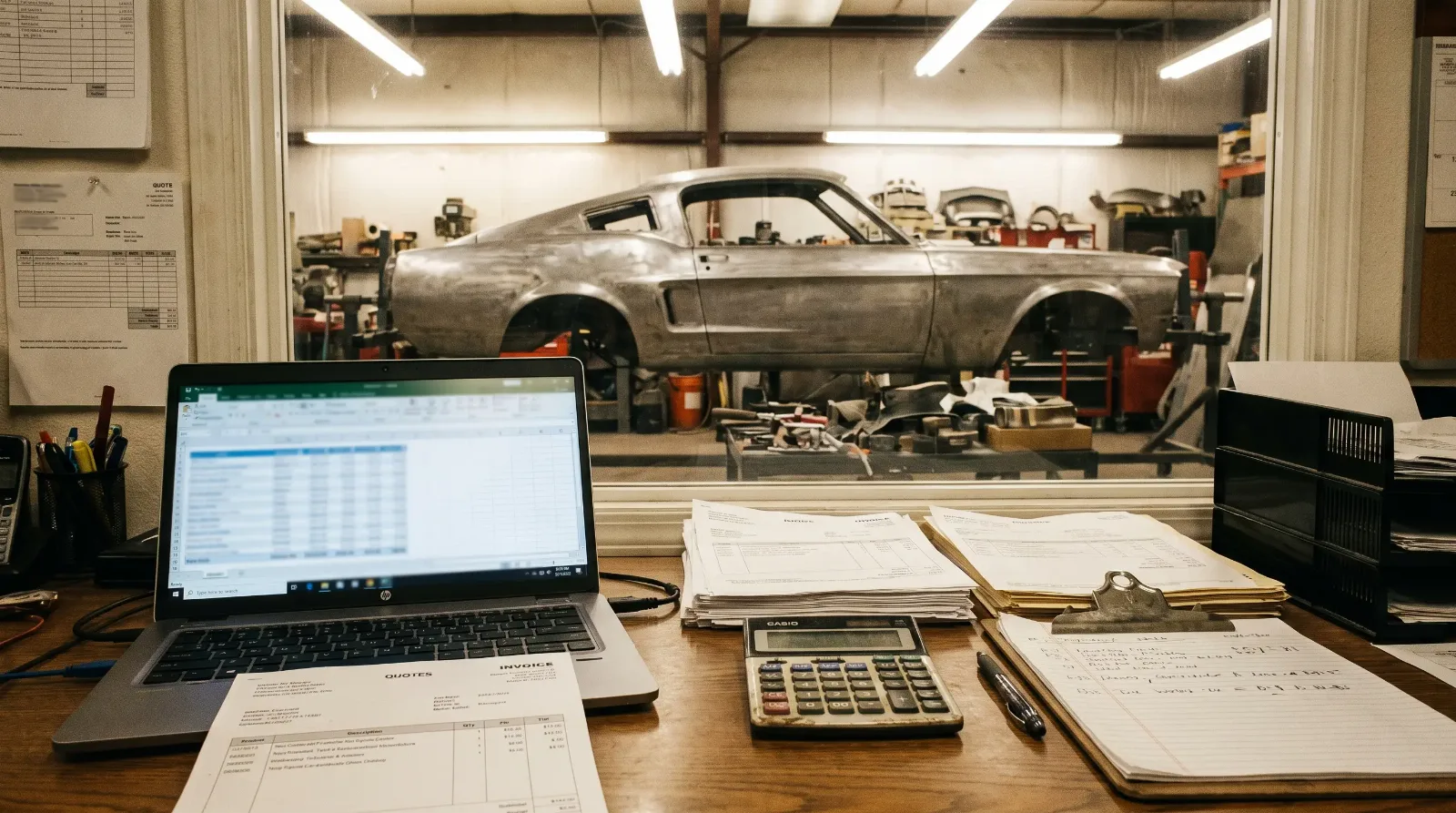
What they sell is process and research. They take the car apart, document it, bag and tag parts, and rebuild it in a planned sequence. Projects run long, commonly a year or more for a full job (one shop profile that moved from collision to restoration and custom work cites average cycle times of 6 to 24 months), and the price reflects it. Hourly rates at most independent restoration shops run roughly $85 to $150, about $125 typical, with concours and marque specialists charging $175 or more, and a complete restoration can reach well into six figures depending on the car and standard.
The weakness is capacity and cost. A good restoration shop is busy and may turn down small jobs. If you only need a fender repaired and repainted, you are paying for expertise you will not use.
The collision body shop
A collision shop repairs modern cars after accidents, quickly, usually paid by an insurance company. They have excellent equipment for frame straightening, paint matching and refinishing, and their processes are built for speed and volume on unibody cars made in the last twenty years.
Classic cars are a poor fit for that business model. Old steel, lead seams, body-over-frame construction, lacquer or single-stage paint, and parts that must be fabricated rather than ordered all slow the work. Collision techs are often paid by the job, so a car that eats three times the expected hours is a bad deal for them. Some shops enjoy classic work and do it right, and many small independents have one or two old-car specialists on staff. Ask directly. But generally, a collision shop is the right call for a minor accident repair, a localized panel replacement, or a repaint on a car that is otherwise sound.
For anything involving paint on a high-value car, read up on paint and body work first, so you know what a proper finish involves and can judge whether a quote reflects it.
The custom shop
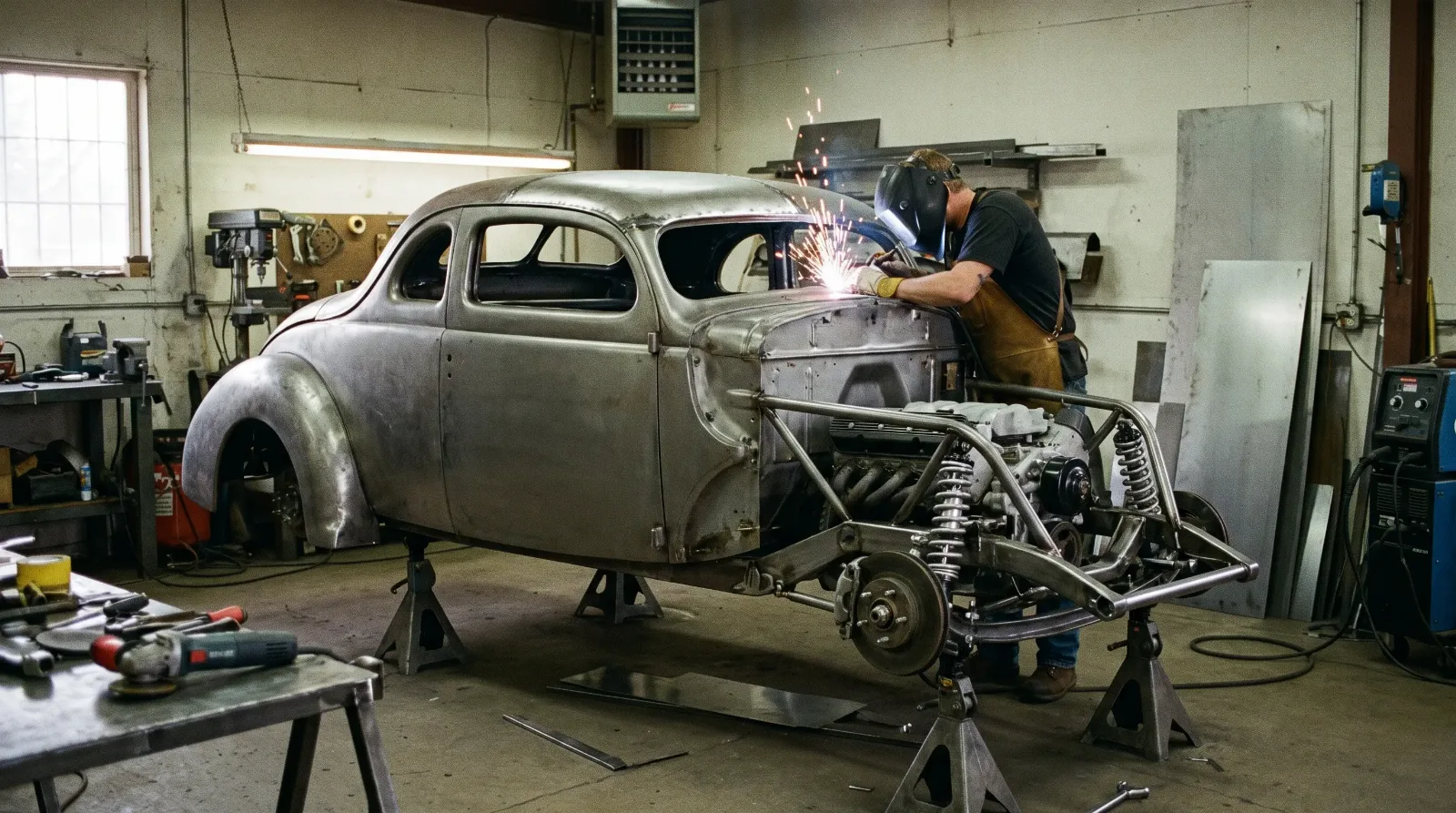
A custom shop builds something new from an old car. Chopped tops, shaved door handles, modern suspension, a swapped drivetrain, unusual paint, and one-off interiors all belong here. The goal is the owner's vision, not the original design. Good custom builders are fabricators first, with strong metal skills and a clear aesthetic.
That freedom is the strength and the risk. A custom shop may not care what the factory did, and a restoration judged against factory standards will lose points for the same changes that make a custom car great. Custom jobs also rely on design decisions made along the way, so budgets are harder to fix. If you want a car to look as it did in the showroom, this is not the place. If you want a restomod with modern brakes and an LS engine, it may be the right one.
| Shop type | Goal | Best for | Watch out for |
|---|---|---|---|
| Restoration | Return to original or period-correct | Judged cars, full restorations, rare models | Long queues, higher cost |
| Collision body | Repair and refinish quickly | Accident repair, simple repaints | Little classic experience, speed over detail |
| Custom | Build a new vision | Hot rods, restomods, one-offs | Loose scope, loss of originality value |
Matching the job to the shop
Start with the end state. If the car should be as built, choose a restoration shop. If it needs a bumper-to-bumper new look with modern parts, choose custom. If it is a good car with a dent or a fading panel, a careful body shop may do it for a fraction of the cost.
Mixed jobs are common. A restoration shop may send chrome, upholstery or engine machining to specialists, and some do not paint in-house at all. Ask which work stays in the building. A body shop may have a restoration department separate from collision work, with different people and a separate quote. A custom shop may also take on restoration work for a favorite customer. Skills overlap, but the culture does not.
Questions that sort the shops out
- How many cars from before 1975 did you finish in the last two years?
- Can I see one that has been on the road for a year or more?
- Do you do metal fabrication in-house, or send it out?
- Who does the paint, and in which booth?
- Do you work to a stated standard, factory original, period correct, or custom?
The answers shake out most mismatches in a short phone call. A collision shop that says it does not do much old stuff is telling you the truth, and that is worth thanking them for.
"I've pulled apart cars that went to the wrong kind of shop. The work was clean and the result was still wrong. Know what you want before you hand over the keys."
Mike Sullivan
Before you hire anybody
Whichever type you choose, vet the people behind the label. Reputation tells you more than a business name does, and the steps for checking a shop's reputation work for restoration, body and custom shops alike: references, past customers, reviews in context, and a visit to the floor. A good shop of the right type, with a documented history, will beat a famous shop of the wrong one every time.
Sources and notes
- Hagerty car insurance, agreed value policies and the owner's choice of repair or restoration shop
- FenderBender shop profile, a collision shop moving into restoration and custom work, with 6 to 24 month average cycle times
- US Restoration, the truth about auto restoration, collision shops built around cycle time versus restoration work (an industry press release, treat as opinion)
- Restomod (Wikipedia), restomod definition and how it differs from restoration
- Car restoration (Wikipedia), restoration levels and why an engine swap makes a car modified rather than restored