
Call a respected restoration shop today and there is a decent chance they will tell you the next opening is a year or more away. That is not a bluff and it is not a sales tactic. It is arithmetic. A full restoration takes thousands of hours, the skilled people who do the work are scarce, and a shop with ten good people can only have so many cars on the floor at once.
Restoration & Tech
6 min read
Restoration Shop Waiting Lists: Why Good Shops Are Booked a Year Out
Good restoration shops are often booked a year or more ahead. Here is why, what the wait tells you, how to get on the list, and how to use the time well.
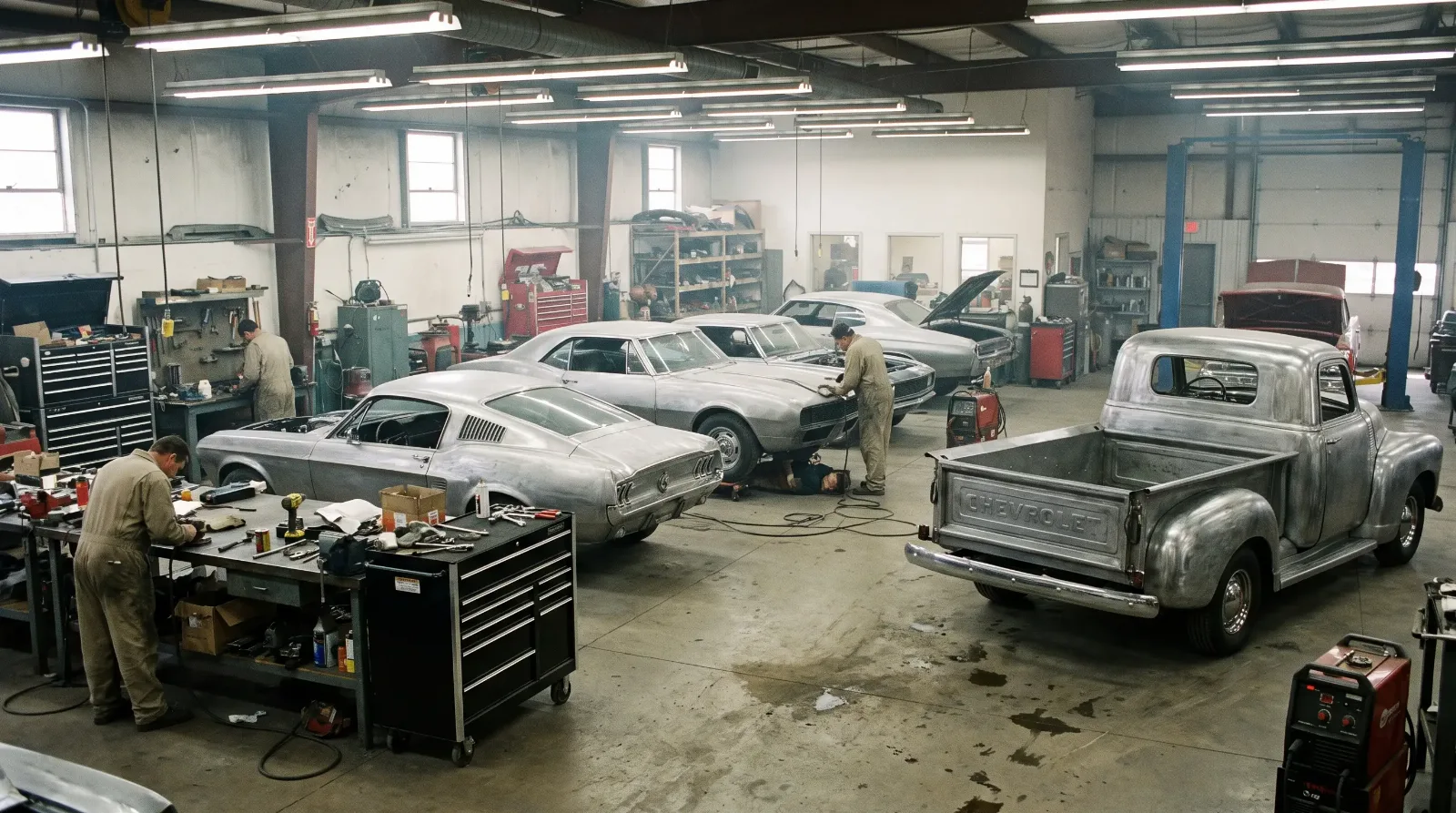
I have spent a lot of years around shops, and the waiting list is something owners take personally when they should treat it as information. Here is what it means and how to use it.
Why good shops are booked
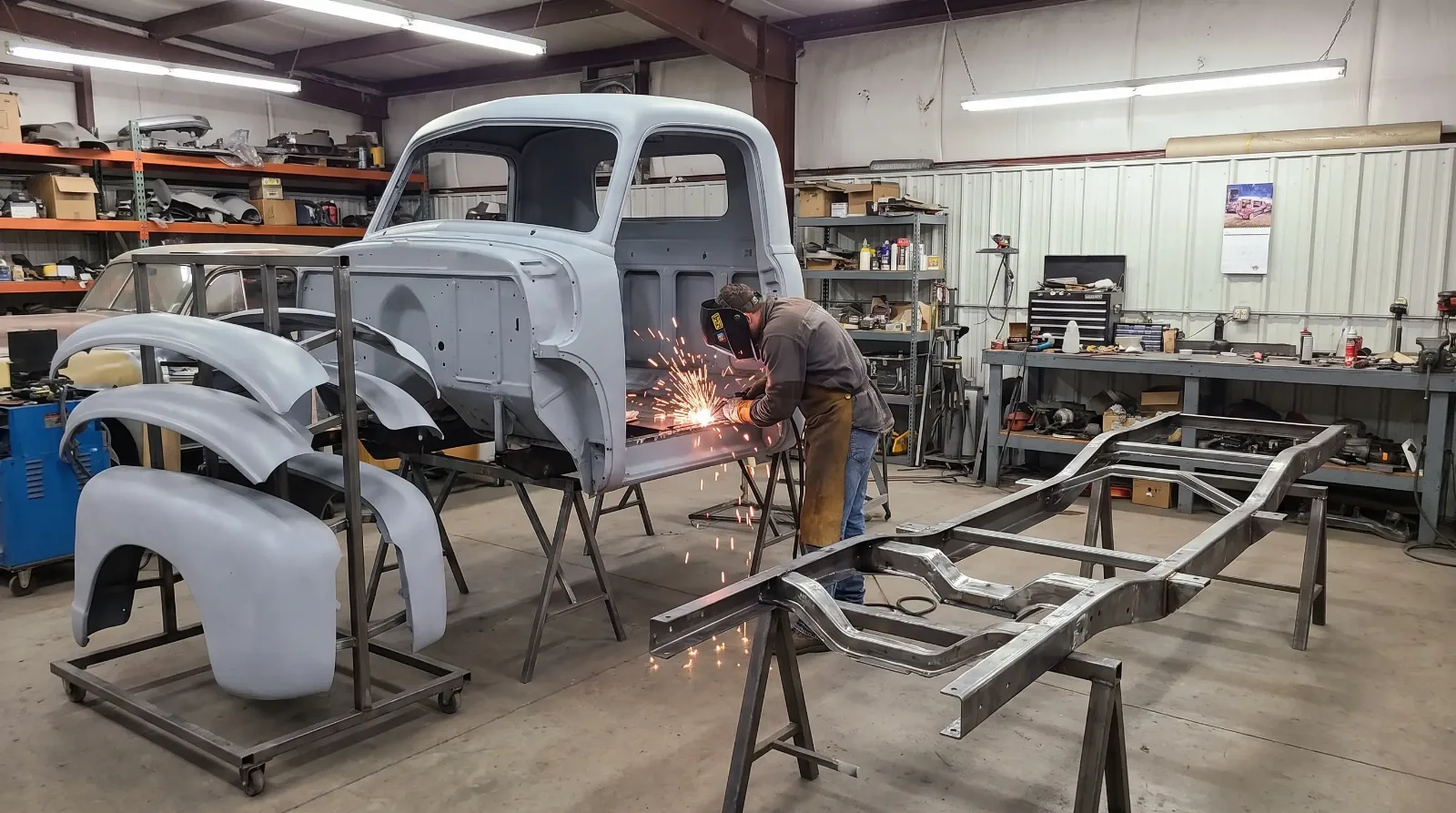
A restoration is not a repair. A frame off job on a car with decent bones commonly runs 1,000 to 2,000 hours of labor, and concours level builds can reach 2,500 to 5,000 hours or more. A shop with a handful of full time technicians is only able to complete so many projects per year. Add the specialized trades, such as bodywork, paint, upholstery, and engine building, and you can see why the schedule fills up and stays full.
Demand is the other half. The shops with a reputation for a given marque or era attract owners from across the country, and the supply of people qualified to do this work has not grown at the same rate. Many owners also get in line before they have a car ready to deliver, because a place in the queue is worth reserving.
What a waiting list actually means
A long list tells you the shop has more demand than capacity. That is a good sign, but not a guarantee of quality. A shop can be booked because it is excellent, or because it is slow, or because it started more jobs than it can finish. The way to tell is by asking how many projects are currently on the floor and how long the last few took from start to delivery.
| Situation | What it may mean | What to do |
|---|---|---|
| Booked 12 to 24 months | High demand, limited capacity | Ask about deposit terms and whether the date is firm |
| Can start next week | Open capacity, or a gap in the schedule | Ask why, and check recent finished work |
| Vague start date | Schedule not controlled | Request a written start window |
| Waiting list with no deposit | Informal placeholder | Confirm that the spot is actually reserved |
None of these is automatically good or bad. They are prompts for questions.
Getting on the list the smart way
Call early and be specific. Tell the shop the make, model, year, and condition of the car, whether it is running, whether it is complete, and what level of work you want. A shop can place you far more accurately when it knows the project, and it may give you a realistic range instead of a polite brush off.
Ask what a place on the list costs. Some shops take a refundable deposit, some a non refundable one, and some require nothing until the car is delivered. A deposit should cover parts ordering and early labor, not a big upfront chunk: one restoration guide suggests $2,000 to $3,000 as a good-faith amount and warns about requests far larger than that. Get the terms in writing and ask what happens if the date slips. A shop that moves the start date by several months without warning is telling you how it handles the rest of the job.
If you are unsure which shop to join, the process in choosing among booked shops will help you compare. It is reasonable to join two lists at once and drop one when you decide, as long as the shops know where you stand.
Using the wait productively
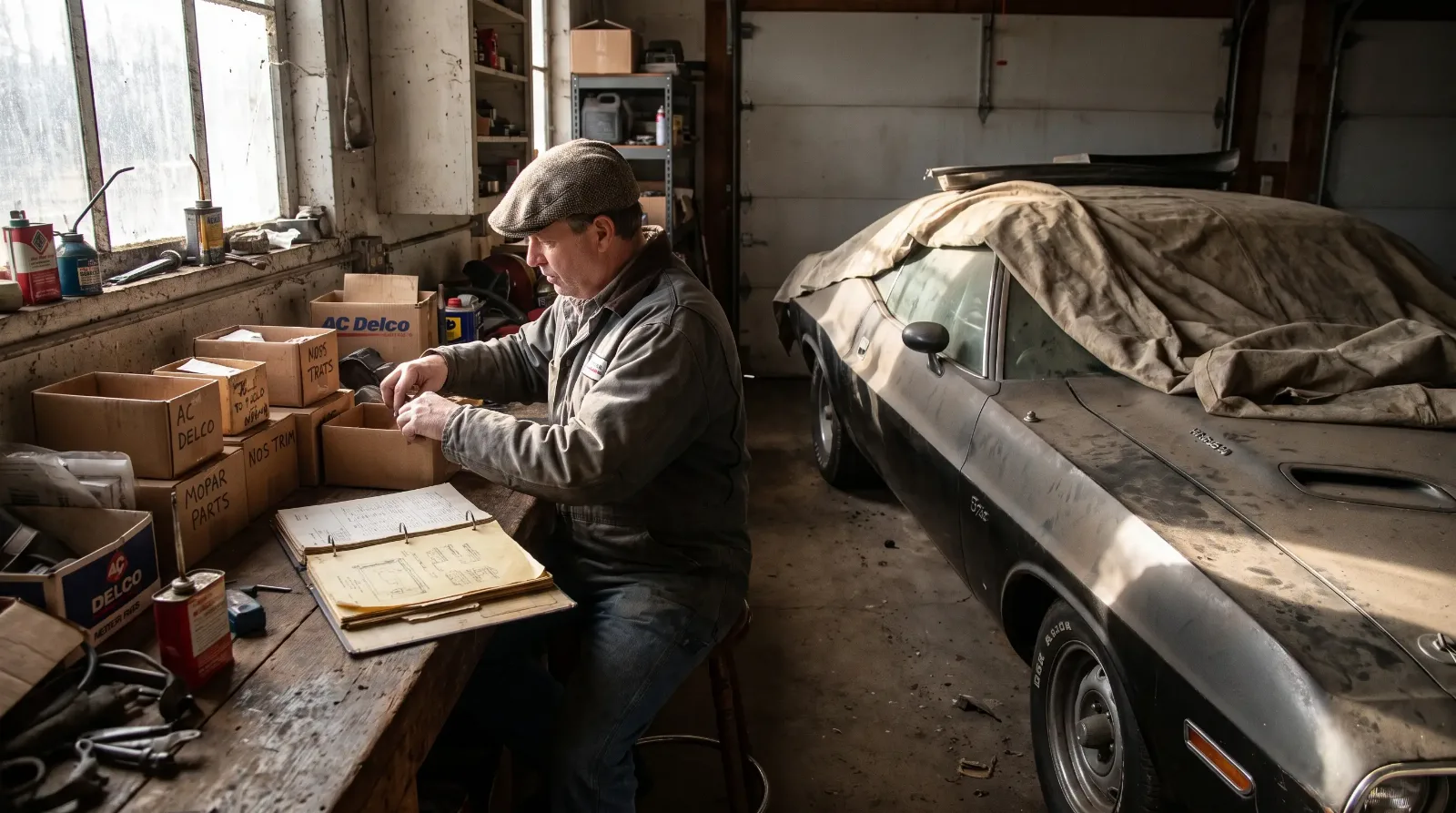
A year is a long time, and it is a gift if you use it. Finish your research, gather documentation, and build an inventory of the car and every part you have. Source parts that are difficult to find, because you will have the time to do it cheaply. Settle on the finished goal: driver, show car, or period correct restoration. The more you decide in advance, the fewer change orders you will pay for later.
Keep in touch with the shop, politely and not constantly. A monthly note is plenty. Owners who are organized and easy to deal with tend to get a smoother project, and shops remember that.
"People hear a twelve month wait and think the shop is showing off. Usually it is just math. The shop is telling you how long the line is."
Mike Sullivan
What to ask while you wait
Once you are on a list, ask the shop what it wants from you before the start date. Some want a completed inventory, a decision on finish and level of work, or a deposit toward parts. Others want the car delivered a few weeks early so the teardown can be scheduled. Doing what the shop asks, on time, is the simplest way to avoid losing your slot. Ask also how the shop will tell you if the schedule moves, and how much notice you will get. A firm answer is worth more than an optimistic date.
When to look elsewhere
If the wait is simply too long, consider a smaller shop that specializes narrowly, even if it is less famous. The same goes for projects that are a particular kind of vehicle. A pickup, for example, may be best served by one of the truck specialists who run shorter queues because fewer people compete for them. Ask for references, check their finished work, and compare the paperwork the same way you would with a bigger name.
What you should not do is hand your car to the first shop that says yes right away, just to avoid waiting. Fast is rarely the word you want attached to a restoration. The waiting list is not the obstacle. It is the shop telling you the truth about its schedule, which is more than most will do.
Sources and notes
- Muscle Cars Illustrated, 10 questions to ask a muscle car restoration shop, waiting lists at small shops and paying upfront only for parts and materials
- All Chevy Performance, useful tips in finding the right restoration shop, queues of a year or 18 months, good-faith deposit guidance, 700 to 1,000 hours for a rotisserie job
- All Chevy Performance, committing to a professional restoration, homework, patience and asking about the queue before committing
- The Shop Magazine, paint restoration shop has two-year waiting list, a high-end shop booked two to three years because demand exceeds capacity
- Car Guy Chronicles, how to choose a professional restorer, agreeing approximate cost, timeline and goals with the shop before work starts, and talking to past customers
Related Reading
Have a
Classic Car
for Sale?
Reach thousands of serious classic car collectors across the US.
Sell It Here →
Selling a classic? Here's how: sell my classic car
Are You a Classic Car Dealer?
List your full inventory and connect with targeted classic car buyers.
Join as a Dealer →

About the author
Mike Sullivan
Detroit-area muscle car enthusiast and restoration specialist with three decades of hands-on experience working on American iron.
More in Restoration & Tech
Comments
Be the first to comment on this article.