
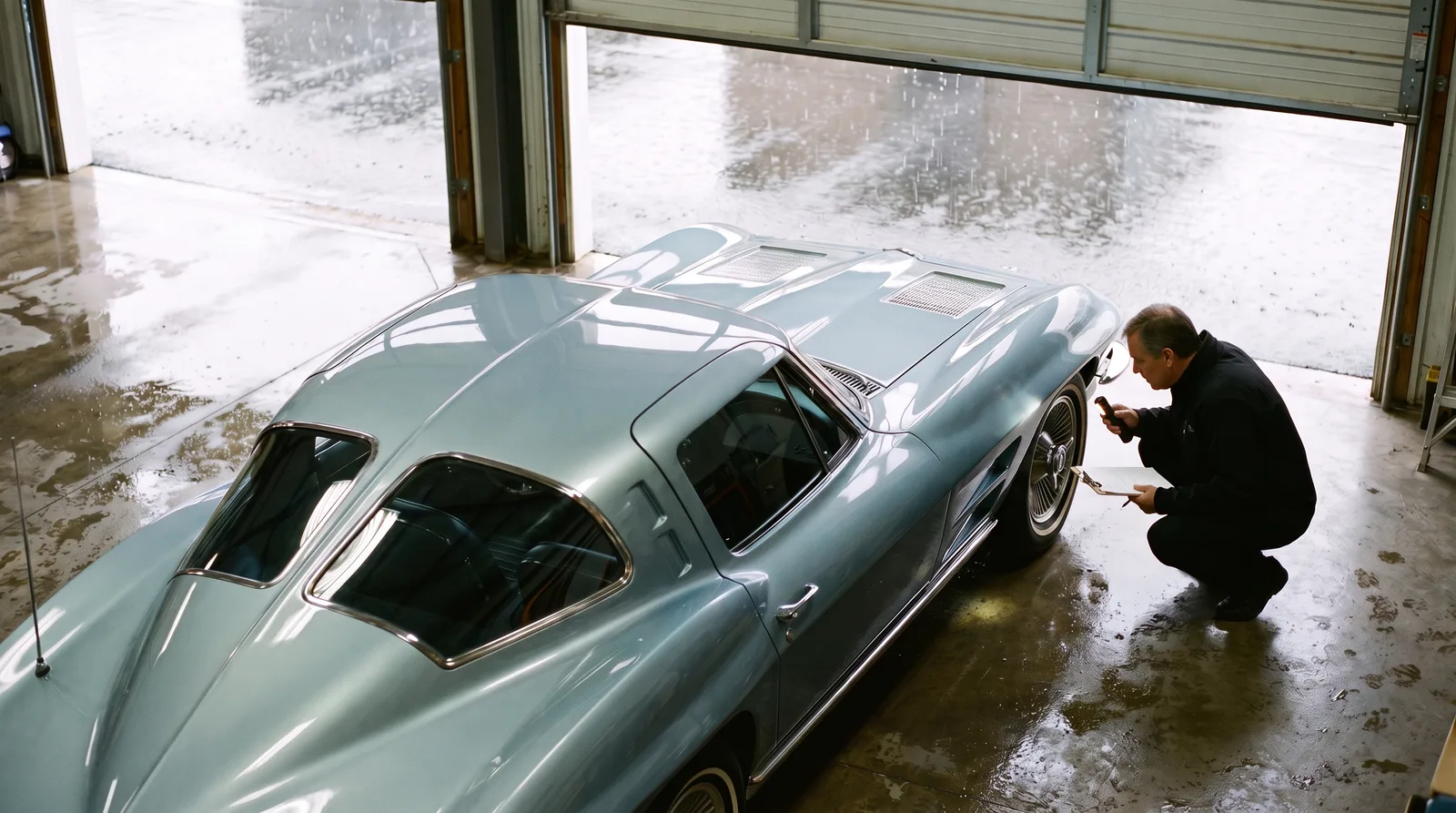
A rolling restoration is simple. You keep the car running and driving, and you fix it in phases instead of tearing it all the way down. Brakes this winter. Suspension next spring. Paint when the money shows up. The car stays on the road the whole time.
Restoration & Tech
6 min read
Rolling Restoration: Restoring While You Drive
A rolling restoration keeps the car on the road while you fix it in phases. What it costs, what you give up, which work order makes sense, and when a full teardown is the better call.
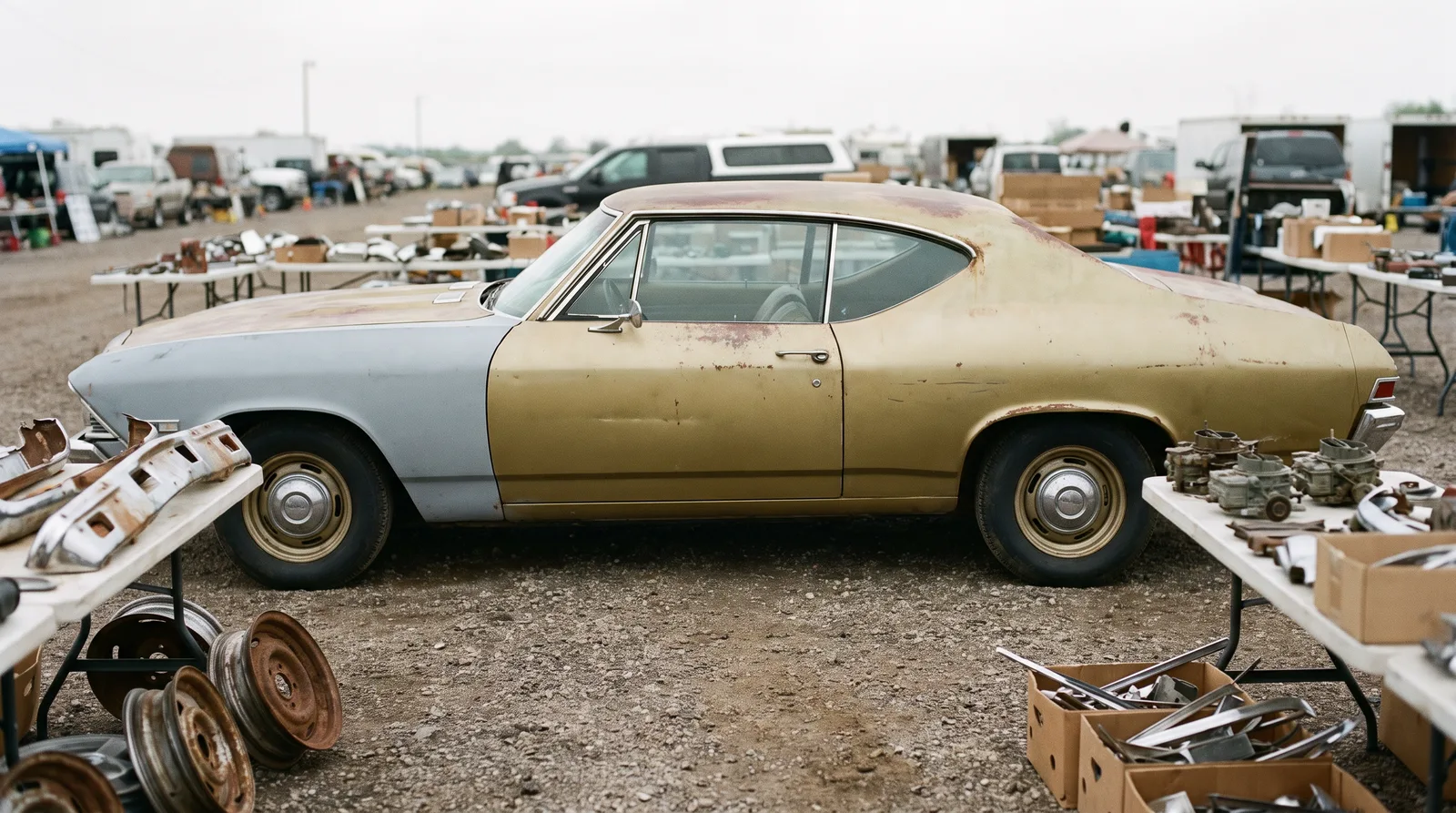
It is not a shortcut, and it is not the cheap way to get a show car. It is the right way to get a good driver. Here is how it works, what it costs, and where it falls apart.
What a rolling restoration is, and is not
The defining feature is that the car never sits disassembled for long. Each phase takes a weekend or a few weeks, and the car comes back to life in between. That is the opposite of a full frame-off, where the body leaves the chassis and the car is a collection of parts for a year or more.
It is also not a patch job. A rolling restoration still follows a plan. The difference is that the plan is sequenced around keeping the car safe and usable. Safety items first, reliability second, cosmetics last. Done well, you end with a solid driver that looks good at twenty feet and runs without drama.
The order that works
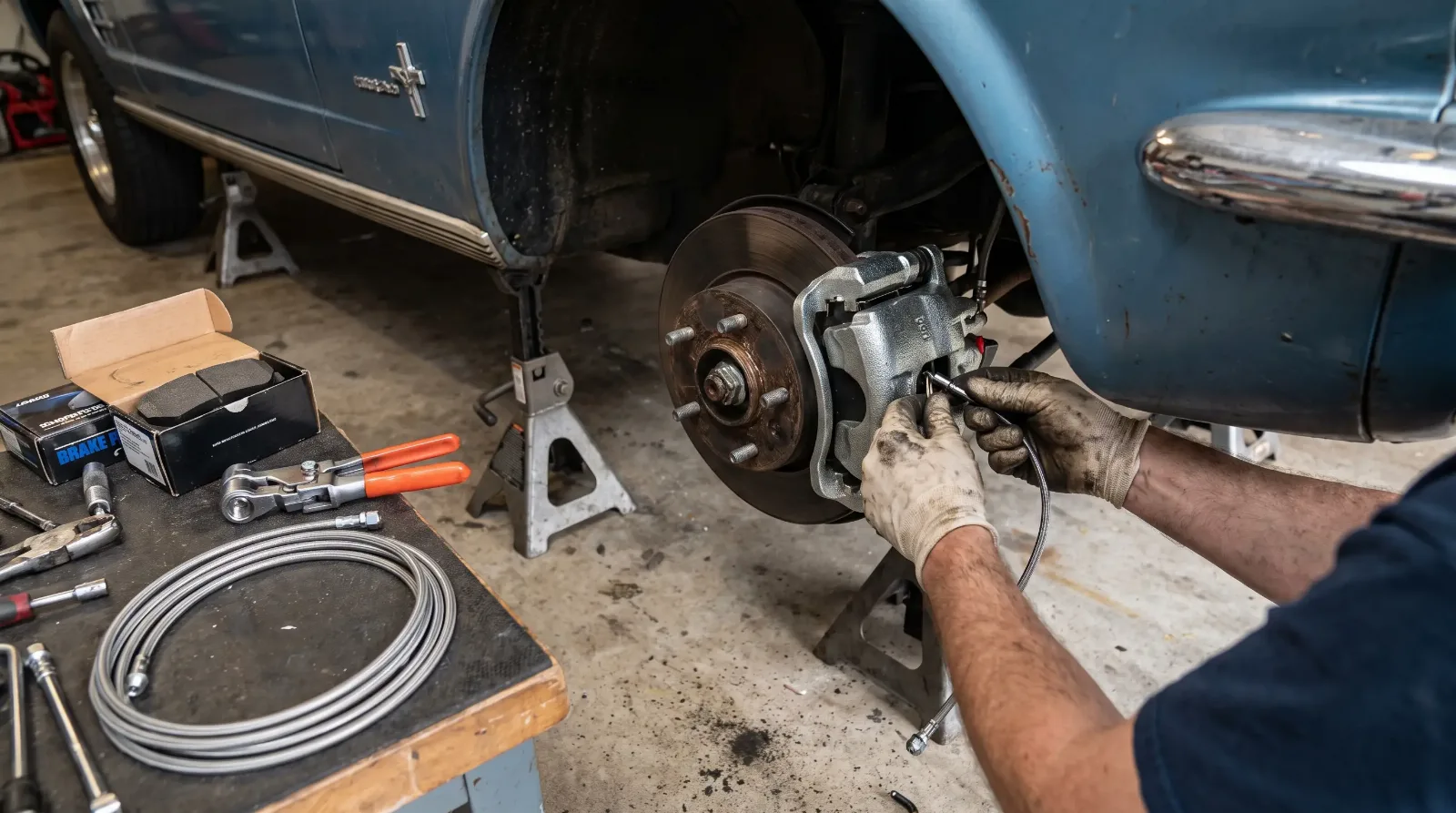
Work in the order of what can hurt you, then what can strand you, then what you can see. That means this:
- Brakes and steering. Lines, hoses, master cylinder, calipers or wheel cylinders, tie rods, ball joints. This is not optional and it is not cosmetic.
- Tires and suspension. Bushings, shocks, springs, alignment. Old tires on a classic are a hazard regardless of tread. Check the date codes: the last four digits of the DOT number give the week and year of manufacture, and British rubber manufacturers advise replacing all tires ten years after manufacture, whatever the tread looks like.
- Fuel and cooling. Tank, lines, pump, radiator, hoses. These are the usual roadside failures.
- Ignition and electrical. Wiring repairs, grounds, charging system, battery cables.
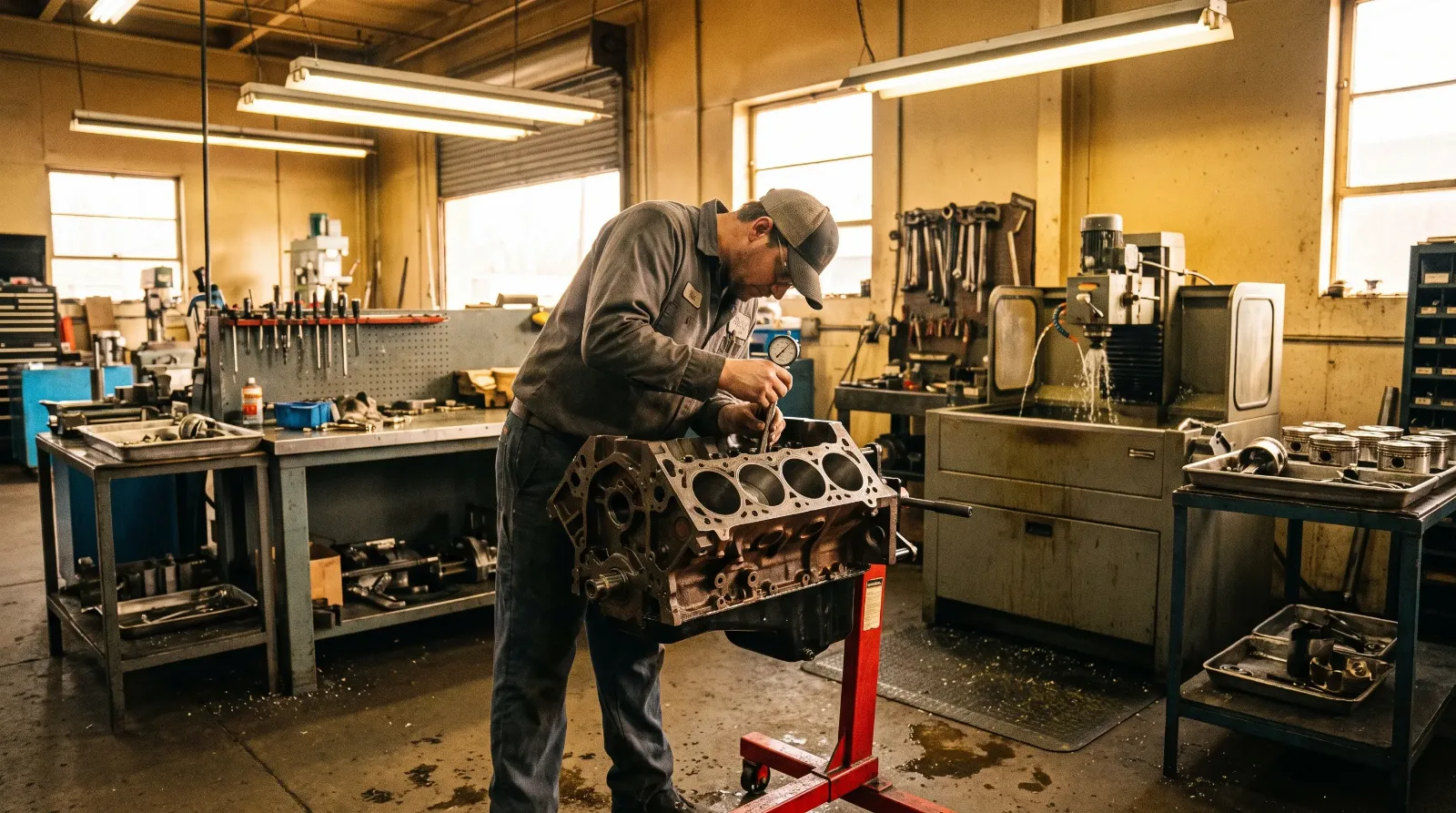
- Engine and transmission. Reseal, tune, or rebuild only when the data says so.
- Rust and bodywork. Areas get fixed in sections as the budget allows.
- Interior and paint. Last, because they are the least urgent and the most expensive to do twice.
The data point I keep is a compression and leakdown test before anything on the engine gets rebuilt. If the cylinders hold within about 10 percent of each other, leakdown numbers are reasonable, and oil pressure is healthy, a rebuild is money spent for no measurable gain.
Costs and trade-offs
A rolling restoration usually costs less per phase and often less overall for a driver-quality result. Costs vary widely with the car and with how much of the work you do yourself, so no single published figure fits every project. What can be said is that a professional shop restoration of a common American classic to good driver level typically runs about $45,000 to $100,000 all-in, and a rolling job spread over a few seasons, with much of the labor done at home, usually costs a fraction of that.
Here is what you give up, and it is worth being honest about it.
| Factor | Rolling restoration | Full teardown |
|---|---|---|
| Car availability | Driveable between phases | Off the road for a year or more |
| Cash flow | Spread over seasons | Front-loaded in large payments |
| Hidden rust access | Limited, found as you go | Full access to every seam |
| Paint quality ceiling | Good to very good | Show and concours possible |
| Risk of rework | Higher if phases are poorly ordered | Lower, work is sequenced once |
| Typical result | Reliable, enjoyable driver | Reference-quality car |
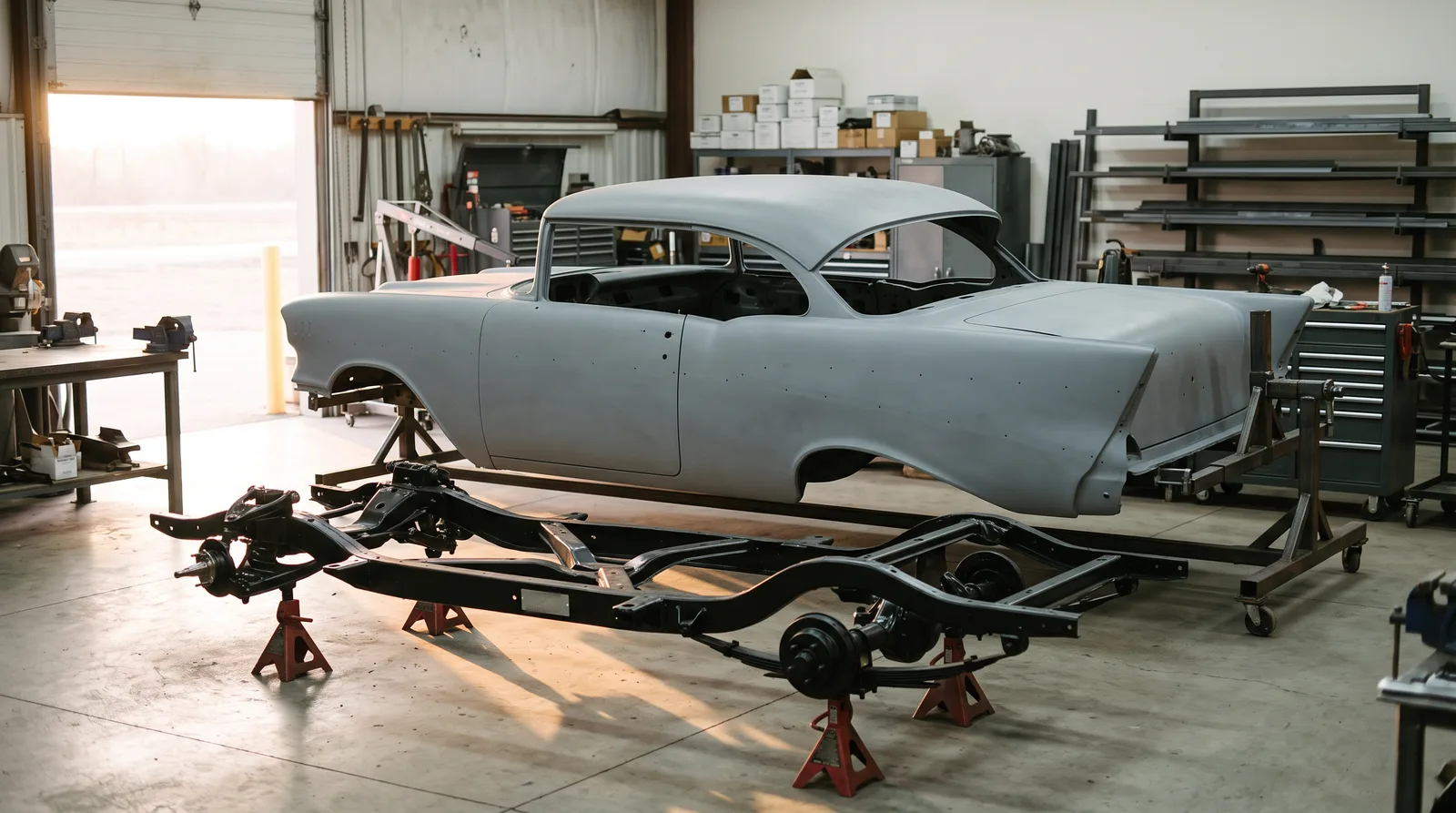
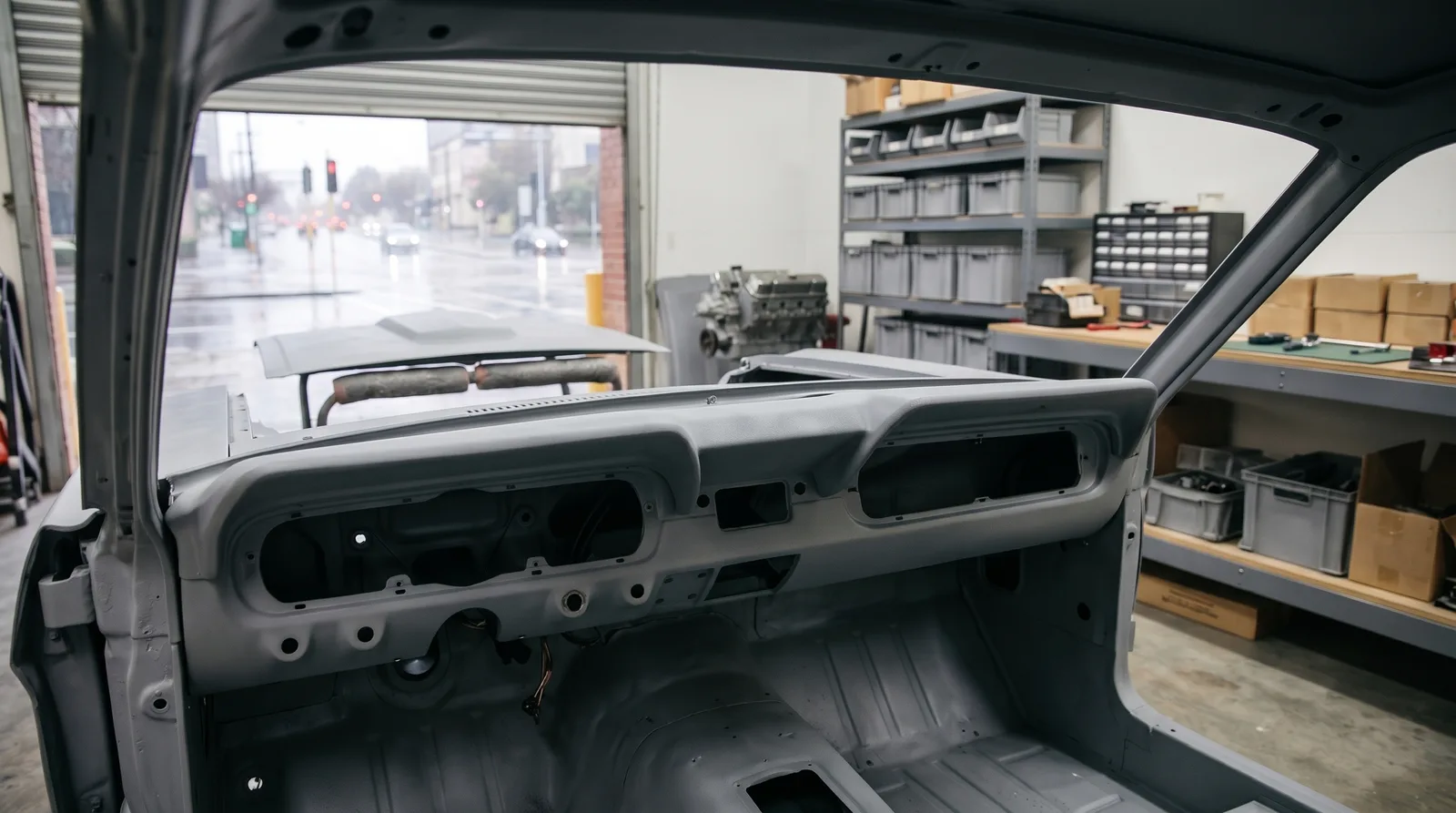
The big trade-off is access. You cannot see the frame top, the inside of the rockers or the underside of the floor with the body on and the interior in. A rust issue you find in phase five can force you to redo the brakes you finished in phase one. That is the real price of staying on the road.
Which cars suit it
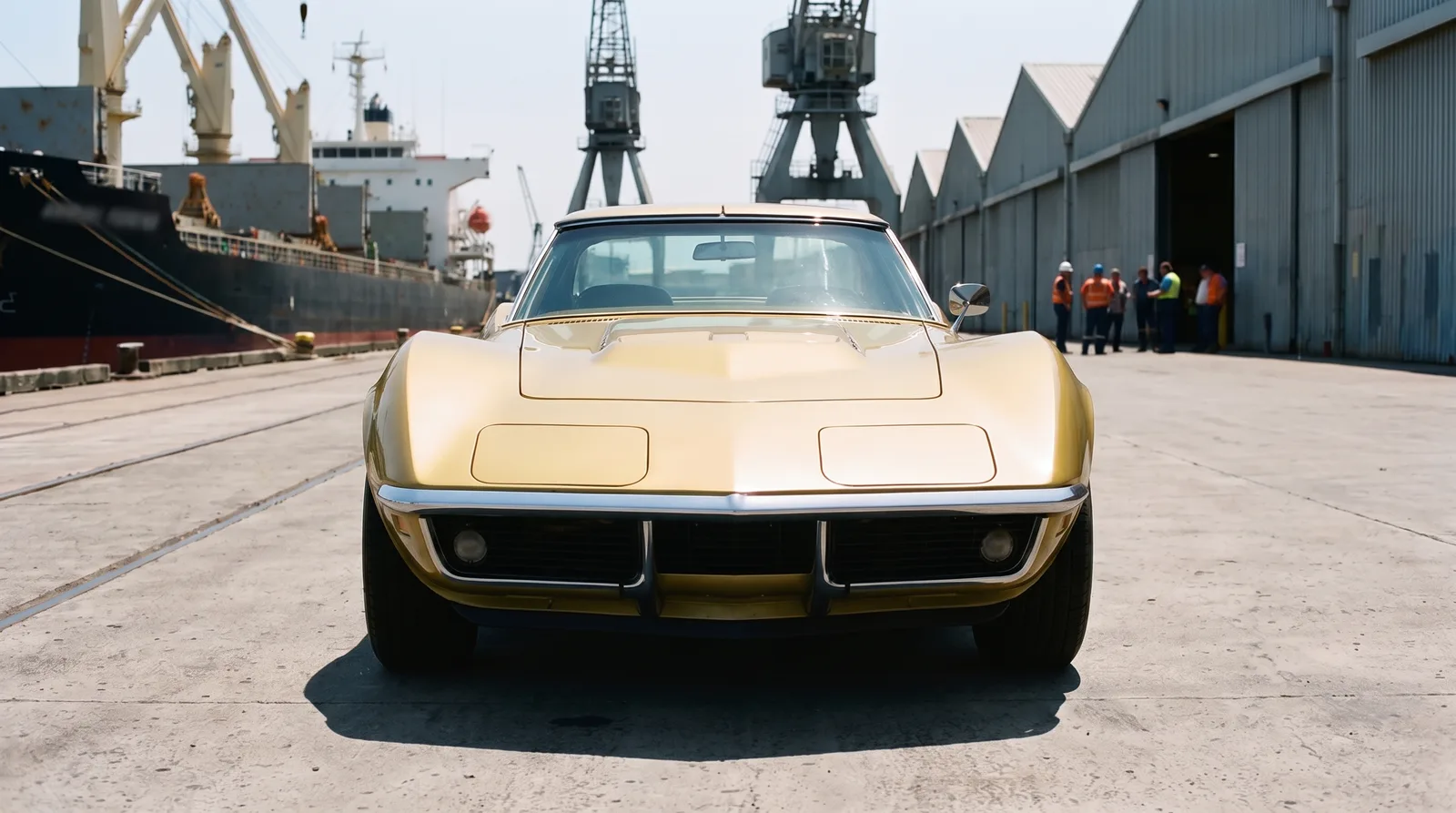
Good candidates are cars that are mostly solid and mostly complete. A running 1960s or 1970s V8 coupe with surface rust and tired mechanicals is ideal. A car with a good title, an intact body and an engine that turns over is a better starting point than a bargain shell that needs everything. If you are shopping for that kind of car, browsing driver-grade project cars will show you what a realistic starting point looks like.
It suits owners who want to drive more than they want to show. It suits shops-of-one working in a home garage. It suits anyone whose budget arrives in monthly installments. It does not suit a car with a rotted structure, a car with questionable frame integrity, or a car you plan to take to a judged event, since a judged event wants documented, correct, consistent work. If that is where you are headed, read how concours judging actually scores a car before you commit to phases.
Keeping a rolling job from becoming a money pit
Write the whole plan before the first phase. Phase it, price each phase, and keep a running ledger. The most common failure is not a bad phase, it is a project with no end state. Decide what finished means: an eight on ten driver, a local show car, a weekend cruiser. Then stop when you reach it.
Buy once. A cheap part that fails in a season means paying for the labor twice. Keep every receipt and photo, because documented work adds value when you sell. And re-evaluate at the halfway point. If rust has turned out worse than expected, it can be smarter to change course than to keep feeding a plan that no longer fits the car. Some owners reach that point and move toward a modified build, and the trade-offs there are laid out in the article on restoration versus restomod.
"Fix what can hurt you first. Fix what can strand you second. Paint is a reward, not a priority."
Dan Reeves
The verdict
A rolling restoration is the correct plan for a mostly sound car and an owner who wants to drive it. It is the wrong plan for a rotted shell or a concours goal. Pick the right one for the car you actually have, sequence the work by risk, and the car stays on the road and gets better every season.
Sources and notes
- Tire code, Wikipedia, how the DOT date code shows the week and year a tire was made
- Tire, Wikipedia, tire aging and the British Rubber Manufacturers Association advice of ten years from manufacture
- Car Guy Chronicles, how to choose a professional restorer, setting the goal (show or driver) first, since it decides methods and cost, and the point that restorations rarely recoup their cost
- Finding the gremlins in a rebuilt 1974 Oldsmobile Omega (The Drive), brakes, tires and linkage needing attention on the first drive of a rebuilt car
- Leak-down tester, Wikipedia, how compression and leak-down tests differ and why a test should include both
Related Reading
Have a
Classic Car
for Sale?
Reach thousands of serious classic car collectors across the US.
Sell It Here →
Selling a classic? Here's how: where to sell your classic car online
Are You a Classic Car Dealer?
List your full inventory and connect with targeted classic car buyers.
Join as a Dealer →

About the author
Dan Reeves
Performance engine builder from North Carolina's motorsports corridor, focused on swaps, forced induction and making real, repeatable power.
More in Restoration & Tech

Comments (1)
G
Goat_Guy_Wis
1 week ago
Ya know, the DOT date code is what caught me. My '66 GTO was riding on 2009 tires with perfect tread.
P
Paul Bergmann
1 week ago
Quite right; the date code is the step most owners skip. One addition: tires made before 2000 carry only a three-digit code, the final digit giving the year within the decade, so any tire showing three digits needs no further deliberation. Indoor storage at moderate temperature slows the aging, but it does not stop it; the rubber hardens from within, and tread depth tells you nothing about that. The spare in my 2002tii had never touched the road, yet at fourteen years old its sidewall cracked the day I inflated it.