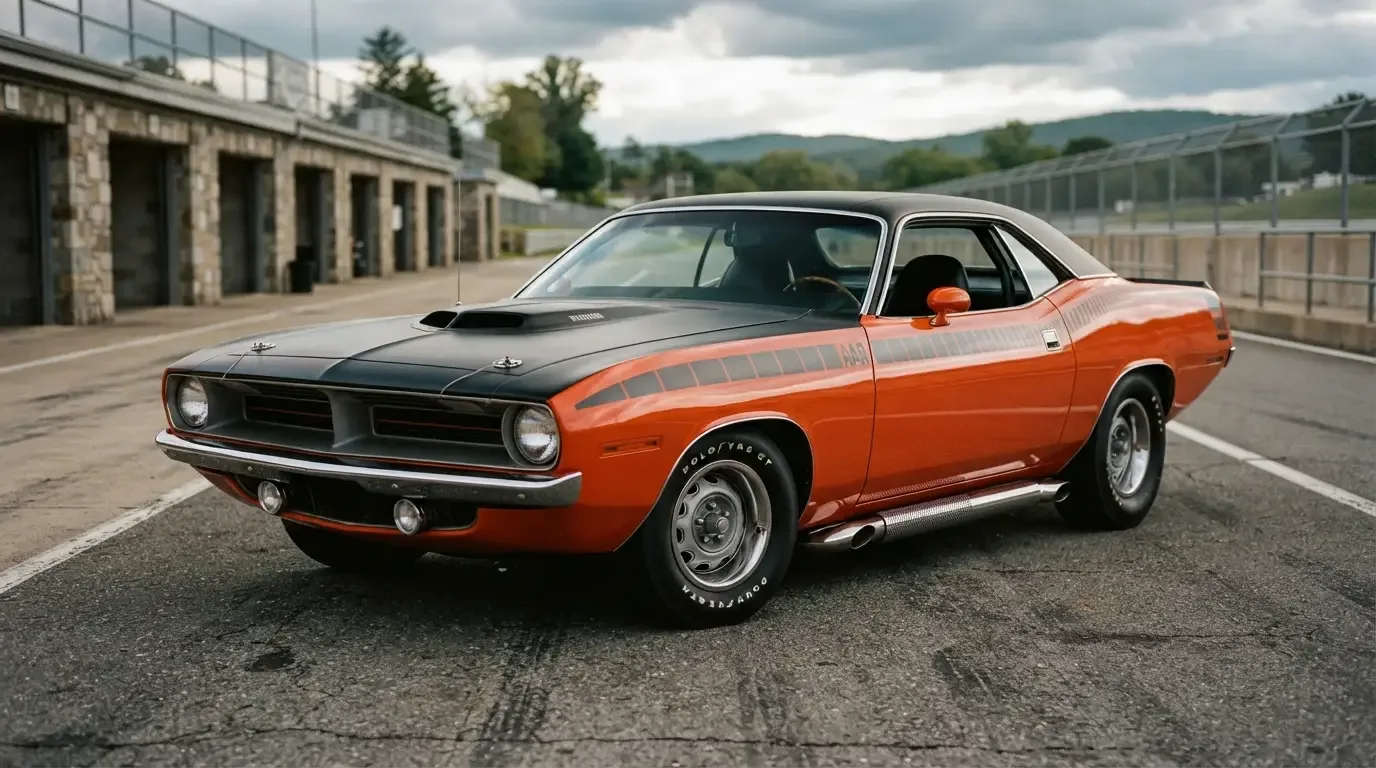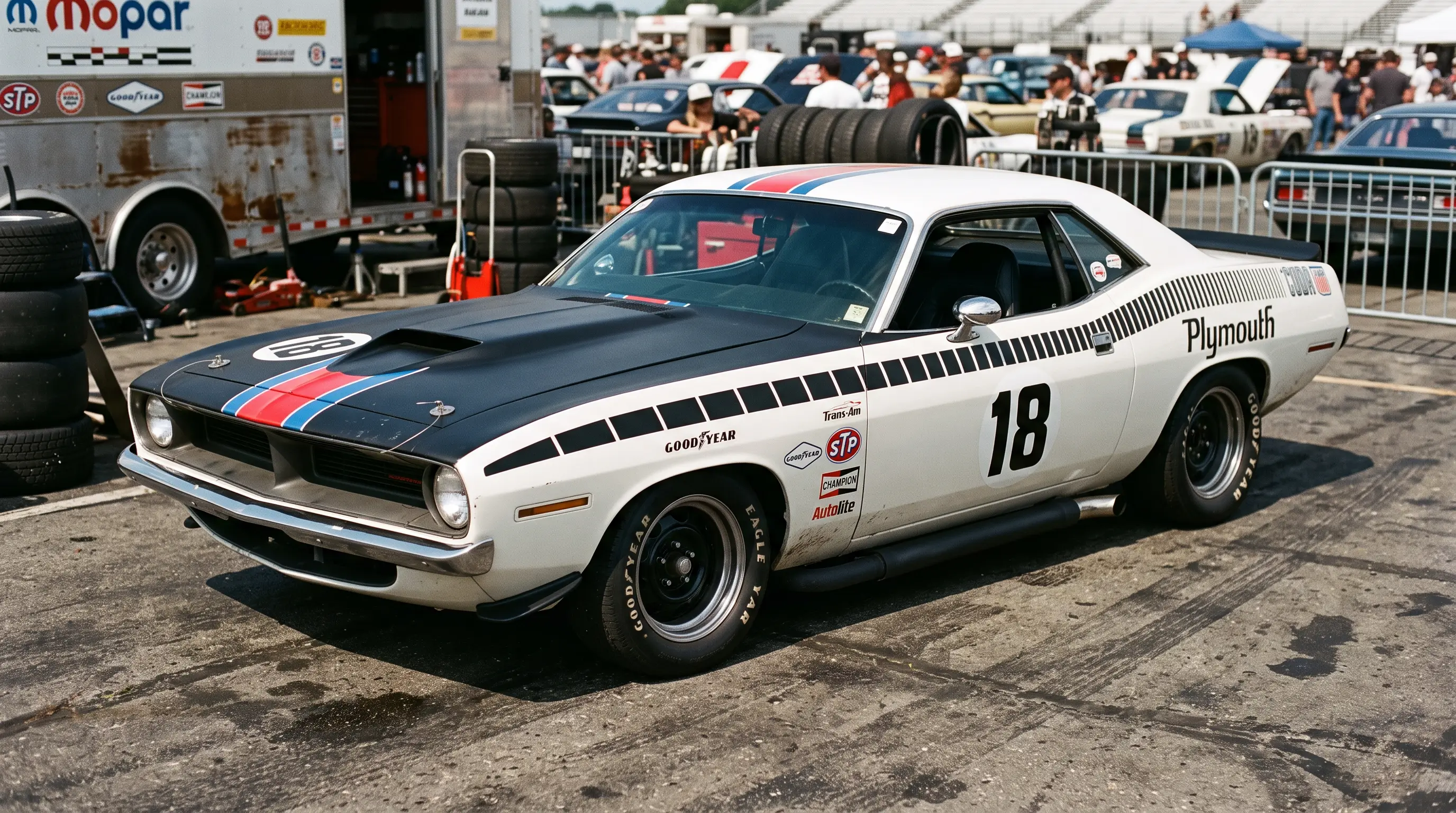
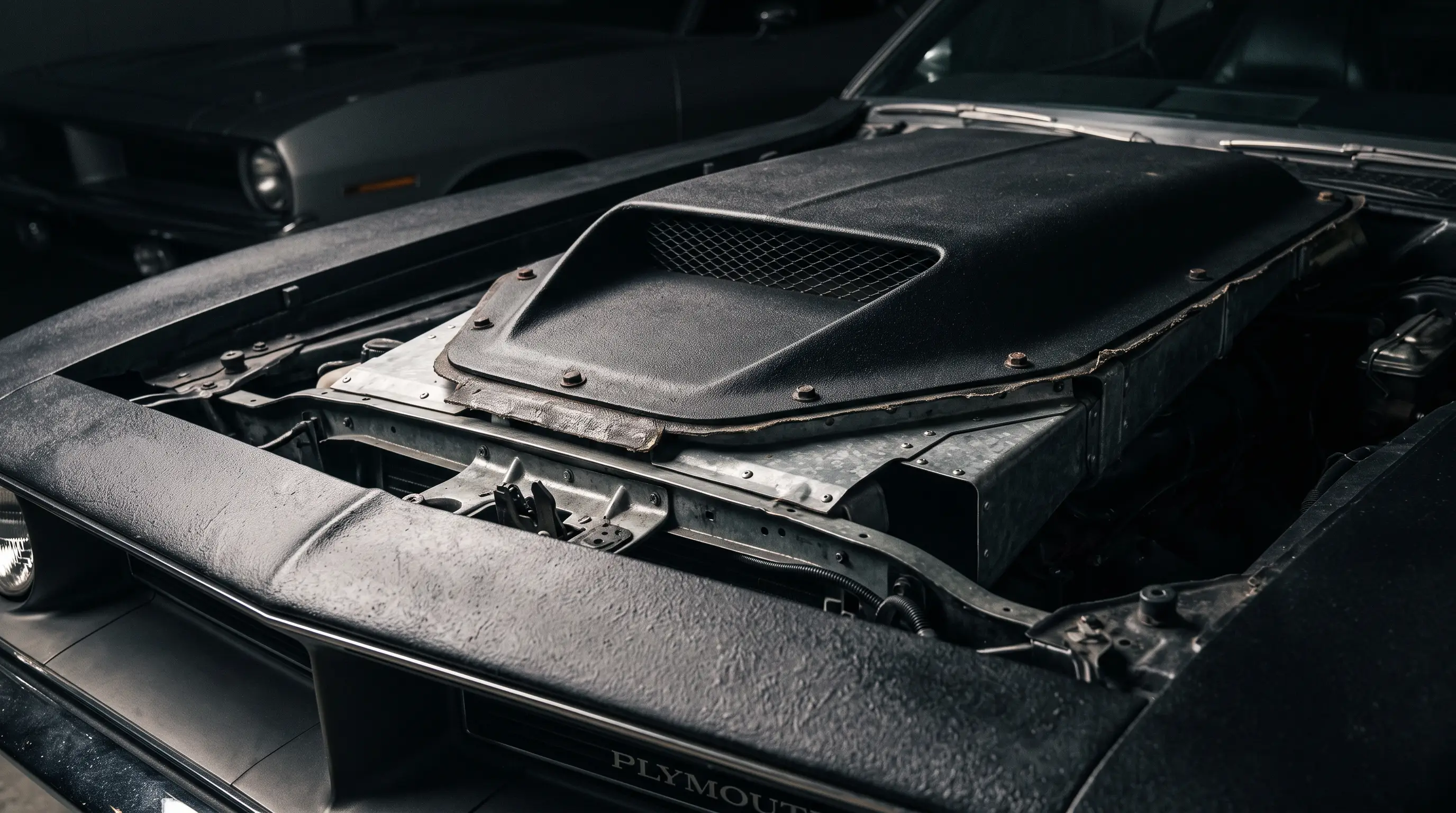
Pop the hood pins on a real AAR Cuda and you are not lifting steel. The aar cuda hood is fiberglass, matte black, and built with a functional scoop feeding cold air straight to the 340 Six Pack underneath. It is one of the few factory hoods from this era that was engineered to do actual work rather than just look aggressive sitting still.
Why fiberglass instead of steel
Weight was the whole point. Trans-Am racing rewards every pound you can pull off the front of the car, and Plymouth carried that logic straight from the race program onto the street version. A fiberglass hood shaves meaningful weight off the nose compared to a stamped steel panel, and combined with the functional scoop feeding the carburetors, it turns a cosmetic panel into a performance component. This was not a bolt-on dealer accessory. It came from the factory this way, built specifically for this one model.
The matte black finish was not just for looks either, though it certainly reads as aggressive. Flat black reduces glare off the hood surface directly in the driver's sightline, a small detail borrowed from race car practice where reflections off a glossy hood can actually be a distraction at speed.
How the scoop actually functions
Unlike a lot of muscle car hood scoops from the period that were sealed shut and purely decorative, the AAR's scoop opens into the engine bay and feeds outside air directly to the carburetors. That functional detail is a big part of why enthusiasts take this hood seriously as engineering rather than styling. Cold, denser air reaching the carbs does real work for a performance engine, and Plymouth built the ductwork to actually deliver it rather than faking the look.
Hood pins hold the whole panel down at speed, another detail lifted straight from racing practice, where a standard hood latch is not trusted to keep a lightweight fiberglass panel in place under aerodynamic lift.
What goes wrong with these hoods over fifty years
Fiberglass ages differently than steel, and that matters a lot to anyone shopping a car today. Stress cracks develop around the hood pin mounting points and along the scoop opening if the panel has flexed too much over the decades, and past repairs are common, some done well, some done with more enthusiasm than skill. A hood with visible crazing, mismatched texture from a patch repair, or a scoop opening that has been reshaped is telling you something about how the car was used and stored.
- Check hood pin mounting areas closely for stress cracking or past repair
- Look for texture or gloss mismatches around the scoop opening, a sign of prior fiberglass work
- Confirm the scoop ductwork is actually intact and connected, not just present for looks
I have pulled more than one of these hoods off a car to find the underside ductwork missing entirely, someone along the way deciding it was easier to leave it disconnected than repair a cracked duct. That is a functional loss, not just a cosmetic one, on a car where the scoop was engineered to matter.
How the hood fits the rest of the front-end package
The hood does not work in isolation. It pairs with hood pins, a specific latch mechanism replacing the standard hood release, and the fiberglass itself needs to sit correctly against the fenders without the gaps that plague poorly fitted reproductions. Getting this fitment right during a restoration usually takes more trial adjustment than a steel hood would, since fiberglass panels do not shim and align quite the same way factory steel stampings do. Shops that specialize in this era know to expect several rounds of test fitting before the panel gaps look right, and that extra labor is part of why a correct AAR hood restoration costs more than people expect going in.
Paint prep on fiberglass also differs from steel, requiring different primer approaches to prevent the flat black finish from showing texture inconsistencies once cured. A rushed paint job on this hood tends to reveal itself within a year or two as the fiberglass and paint react differently to temperature swings than the steel body around it.
Replacement and originality questions
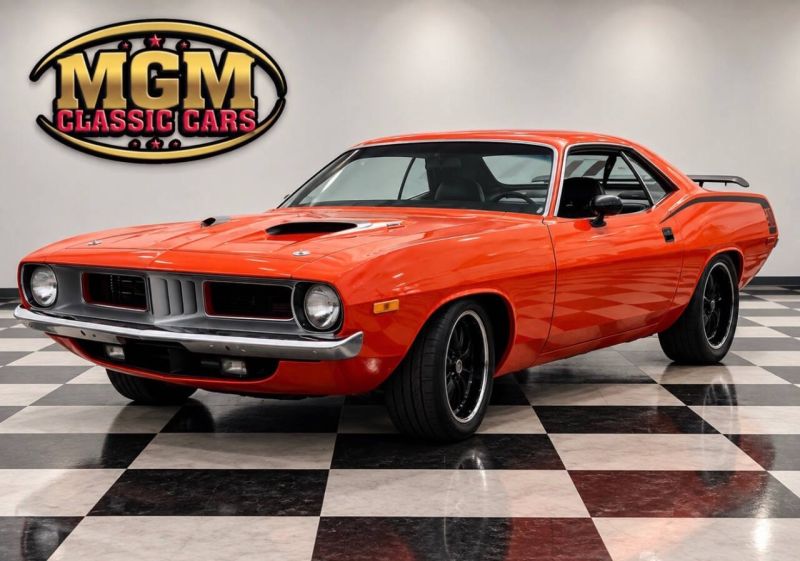
Reproduction fiberglass hoods have been available for a long time, and quality varies enormously between vendors. A correct reproduction should match factory scoop dimensions and hood pin placement exactly, but plenty of aftermarket panels take liberties with scoop shape or overall contour that a trained eye catches immediately. If a hood has been replaced, that alone does not disqualify a car, but it does change how you should think about overall originality and, honestly, about price.
Anyone trying to place the hood in context with the rest of the car's factory specification should check out the whole picture, since the hood only makes full sense alongside the side-exit exhaust, the stripe package, and the staggered tires that came with it.
"That hood isn't there to look mean. It's ductwork for the carburetors, and if the scoop underneath isn't hooked up right, you're driving around with a styling exercise instead of the part Plymouth actually engineered."
- Mike Sullivan
What the hood signals about a car's history
A hood tells you more about how a car was actually used and stored than almost any other single panel. Stone chips along the leading edge suggest real highway miles rather than a trailer queen existence. Sun fade or chalking on the matte black finish points to long stretches parked outside rather than in a covered garage. None of that is disqualifying on its own, a driven car has its own kind of honesty that a pampered trailer queen sometimes lacks, but it should inform how you weigh the rest of the car's condition claims. A seller who describes a car as garage kept its whole life while the hood shows clear sun damage is giving you information worth following up on before you take the rest of the listing at face value.
Buying with the hood in mind
Get a flashlight under the hood before you get excited about the paint color. Feel the panel for consistent thickness, check the pin mounts for cracking, and confirm the ductwork actually routes to the carburetors rather than dead-ending. A gorgeous top coat over a compromised or poorly repaired fiberglass panel is a common trap, and it costs real money to correct once you own the car. If you want to compare hood condition across available inventory, shop classic Barracuda listings before you settle on one.
| Detail | Specification |
|---|---|
| Material | Fiberglass |
| Finish | Matte black |
| Scoop function | Functional, feeds carburetors |
| Retention | Hood pins |
The hood is one of the clearest reminders that this car came from a racing program rather than a design studio brainstorm, and it deserves a closer look than most buyers give it before signing a check.