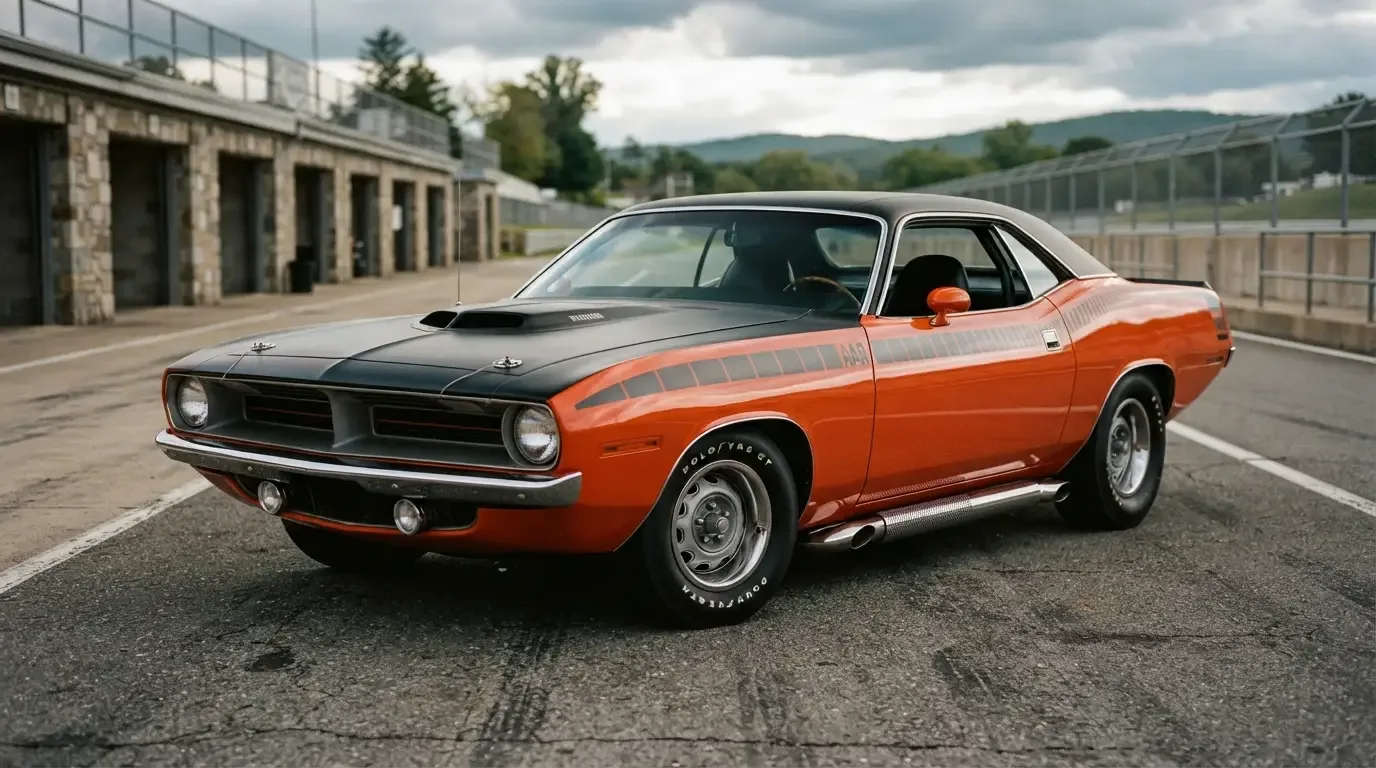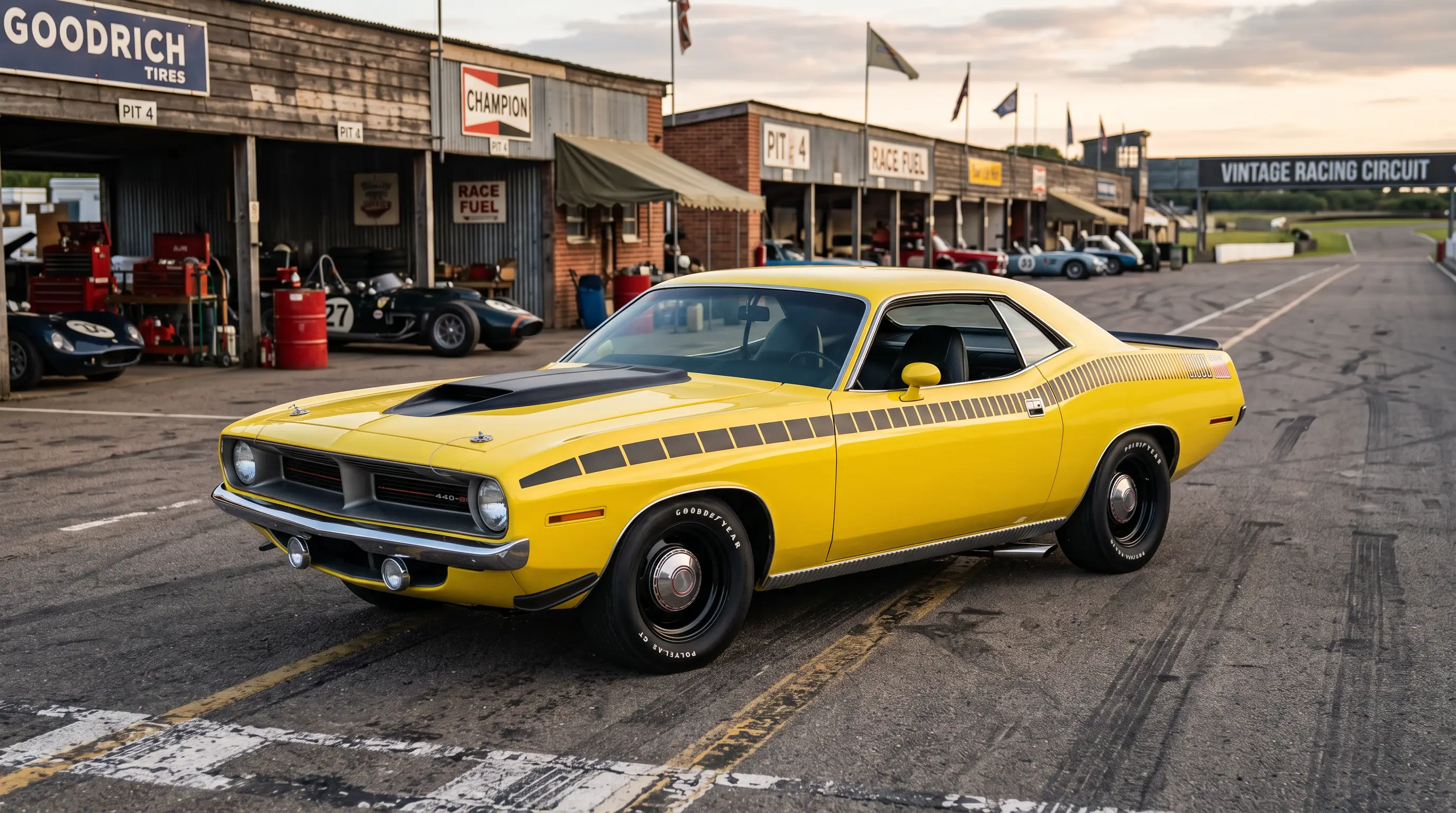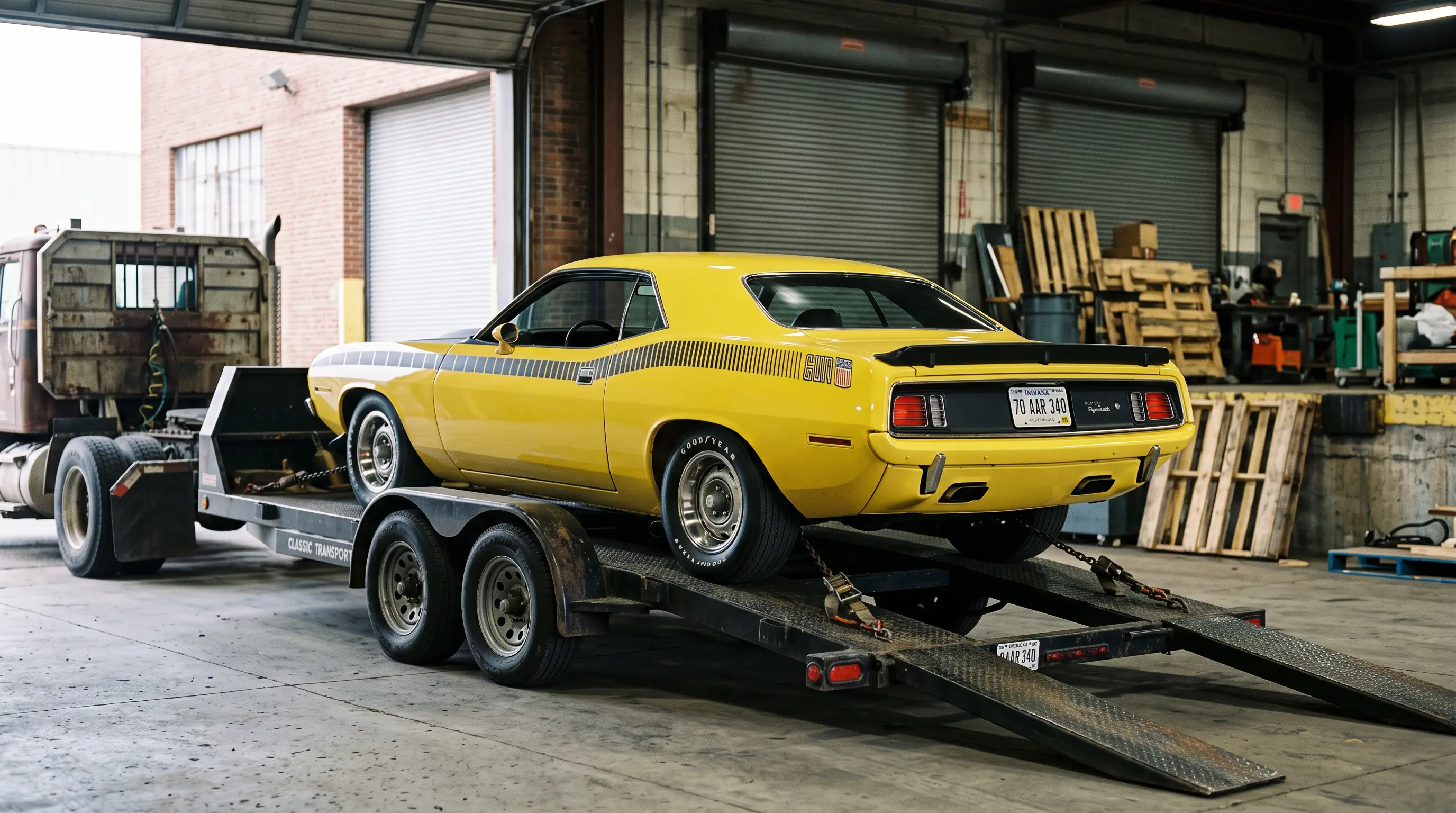
Picture a Sports Car Club of America official in early 1970, clipboard in hand, walking a Chrysler production line, counting cars. That scene, tedious as it sounds, is the actual reason the AAR Cuda exists. The aar cuda homologation requirement was not a marketing concept dreamed up by an advertising department. It was a rule, strict and specific, that forced Plymouth to build a real production run of street cars before Dan Gurney's race team could legally put a Barracuda on a Trans Am grid.
What homologation actually meant in 1970
Homologation is a motorsport sanctioning requirement that a manufacturer must build and sell a minimum number of a specific car to the public before that model can compete in a given racing series. The logic behind the rule is straightforward: sanctioning bodies wanted Trans Am racing to showcase cars that ordinary buyers could actually purchase, not one-off prototypes built purely for competition. For the 1970 SCCA Trans Am season, that meant Plymouth needed to produce 2,724 street-legal Barracudas configured closely enough to the race car specification to satisfy the rule.
This requirement is why the AAR Cuda exists as a distinct, single-year model at all. Without the homologation rule, there would have been little commercial reason for Plymouth to build a dedicated trim level around the 340 Six Barrel engine and the specific styling cues tied to Gurney's All American Racers team. The rule created the car, not the other way around.
How Plymouth met the requirement
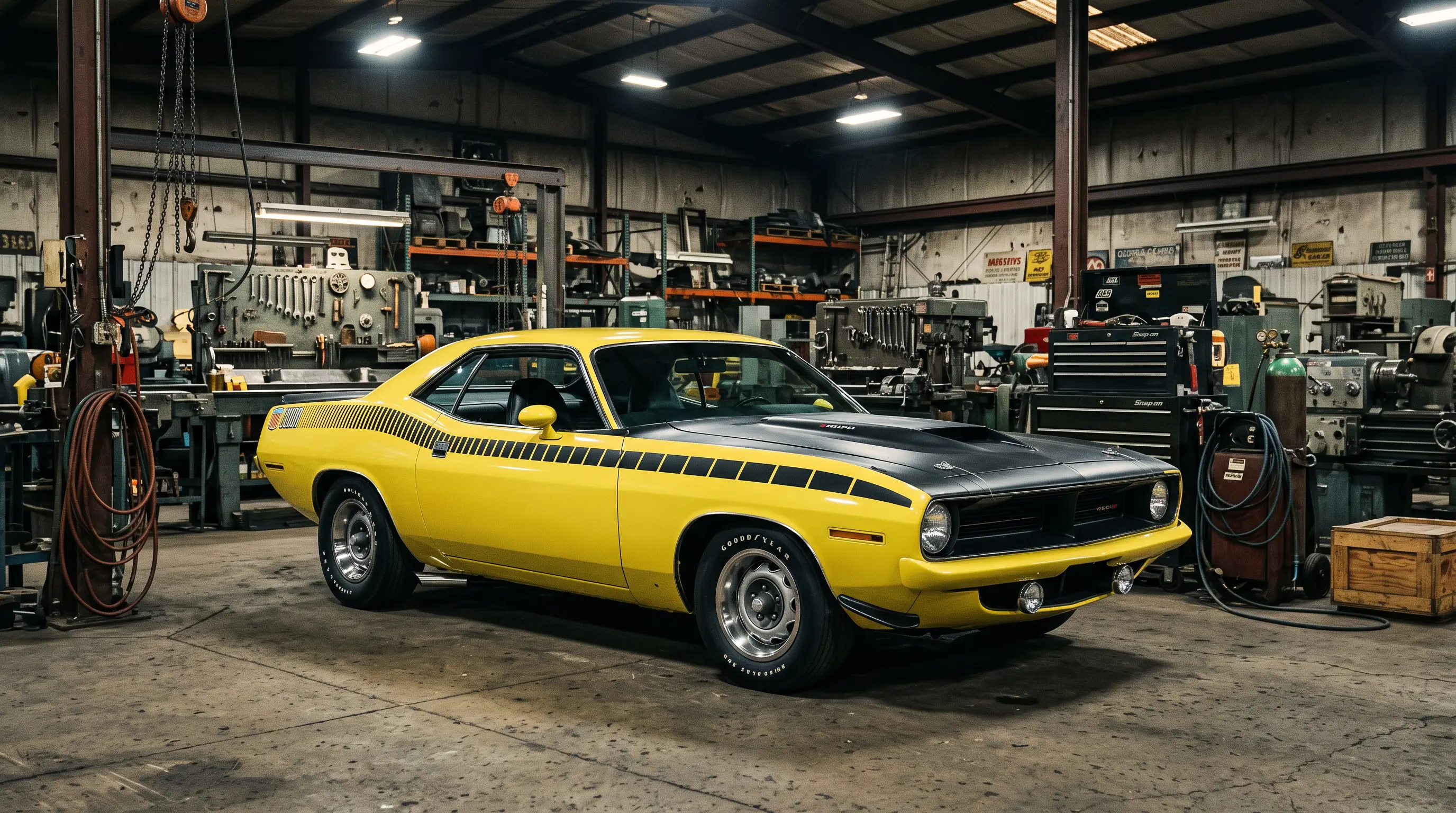
Plymouth built the necessary production run during the 1970 model year, fitting the AAR Cuda with the 340 Six Barrel engine, distinctive side-exit exhaust, a fiberglass hood, and the AAR strobe stripe graphics tied to Gurney's team. Every one of these elements traced back, directly or indirectly, to satisfying either the letter of the SCCA rule or the spirit of building a car that shared genuine engineering DNA with the actual race cars competing that season.
The 2,724 units built were sold through normal Plymouth dealerships to ordinary retail customers, which is an important detail often lost in retellings of the story. These were not special-order cars reserved for racing insiders. Anyone who walked into a Plymouth dealer with the money could buy one, which is precisely what the homologation rule required, real cars, sold to real customers, in real numbers.
| Requirement | How Plymouth met it |
|---|---|
| Minimum production run | 2,724 units built in 1970 |
| Retail availability | Sold through standard Plymouth dealer network |
| Shared race-relevant hardware | 340 Six Barrel engine, side-exit exhaust design |
| Single model year | 1970 only, tied to that season's Trans Am rules |
Why this rule shaped more than just the Barracuda
The AAR Cuda was part of a broader pattern across Trans Am racing in this period. Ford's Boss 302 Mustang and Chevrolet's Z/28 Camaro existed under nearly identical homologation pressure, each manufacturer building a specific street model largely because SCCA rules demanded it rather than because market research called for it. Understanding this pattern matters because it reframes how a reader should think about several of the most celebrated muscle cars from this era. Many of the specification choices that now look like inspired styling or engineering decisions were actually compliance requirements first, with the styling built around them afterward.
That is not a knock on any of these cars. If anything it makes their stories more interesting, because it means the AAR Cuda's distinctive look and engine choice were dictated by competition rules rather than a stylist's blank sheet of paper, and the fact that Plymouth turned a compliance requirement into a genuinely desirable car speaks well of the engineering and design team that pulled it off.
"Half the muscle car legends people talk about at shows started as somebody's answer to a rulebook, not somebody's dream car. The AAR Cuda wears that history better than most because Plymouth never tried to hide it."
- Patrick Walsh
What happened to homologation rules after 1970
SCCA tightened and eventually loosened various Trans Am production requirements over the following seasons as manufacturer participation waxed and waned through the 1970s, and by the time factory-backed Trans Am efforts wound down later in the decade, the entire homologation-special concept had largely faded from the American muscle car landscape. Rising insurance costs, tightening emissions rules, and shifting manufacturer priorities all played a role in ending the era that had produced cars like the AAR Cuda, the Boss 302, and the Z/28 in their most focused early forms.
That historical closing point is part of why these specific homologation specials carry the weight they do with collectors today. They represent a narrow window when racing sanctioning rules directly shaped showroom products in a way that essentially stopped happening once the racing programs and market conditions that created it moved on.
Reading a homologation special correctly as a buyer
Understanding the AAR Cuda as a homologation special rather than a standalone flagship changes what a buyer should expect from it and appreciate about it. It was never meant to be Plymouth's ultimate performance statement, that role belonged to the Hemi Cuda. It was meant to be a genuinely good, race-relevant small block car built in exactly the numbers a rulebook demanded, no more and no less. That context explains the single model year, the specific engine choice, and the visual details that tie the car so directly to a particular racing season and a particular team.
Buyers who understand this origin tend to have a more accurate, and often more appreciative, view of what the car actually is. For the fuller story of how this single-year special fits into Plymouth's broader Barracuda lineage, more on the aar cuda covers the production details in depth, and readers curious how the entire Barracuda nameplate got to this point should also see where this started.
A rulebook that accidentally created a classic
Few buyers cross-shopping classic Barracudas today think much about SCCA paperwork from 1970, but that paperwork is the entire reason the AAR Cuda exists in the specific form it does. A sanctioning body's minimum production requirement, met by Plymouth through 2,724 dealer-sold cars, created one of the more distinctive and historically well-documented special editions of the muscle car era. Readers ready to see what is currently available can browse classic Barracudas on the market and compare documented AAR Cuda examples against the history behind them.