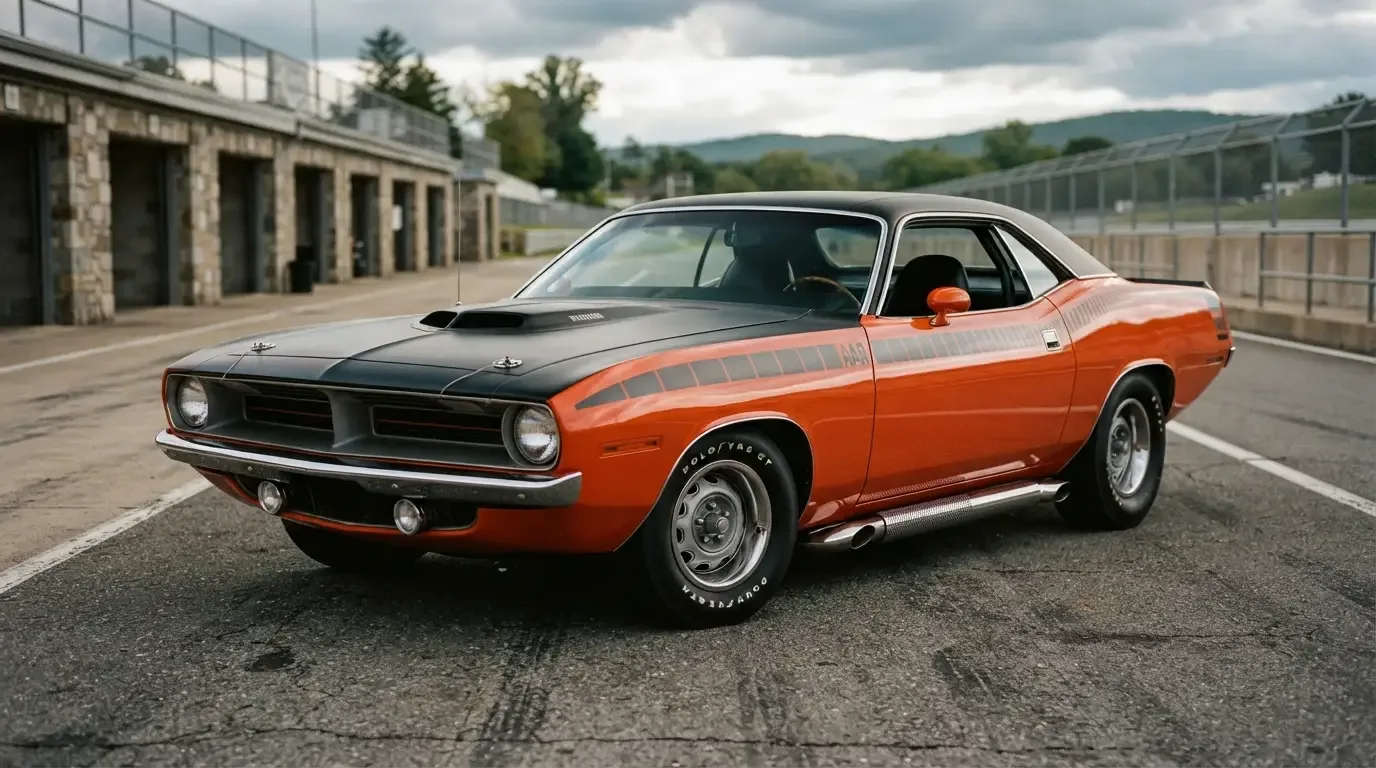
Dan Gurney had already won at Le Mans, in Formula One, and in NASCAR before Plymouth handed him a Barracuda and asked him to go beat Ford and Chevrolet in Trans Am racing. That partnership is the reason the aar cuda dan gurney connection is not just a marketing footnote stamped on a fender, it is the entire origin story of the car. Gurney's team, All American Racers, built the race cars. Plymouth built the street cars that let those race cars legally compete. Neither half of that deal happens without the other.
Who Dan Gurney was before Plymouth came calling
By 1970, Gurney was already one of the most respected drivers and team owners in American motorsport. He had raced and won across sports cars, open wheel, and stock cars, and he had founded All American Racers in the mid-1960s to build and race his own cars rather than simply drive for other teams. AAR had already had success in Indy car and Formula One before Plymouth approached the team about running its Trans Am effort, which meant Chrysler was not gambling on an unproven outfit. They were partnering with a team that had already shown it could design, build, and win with cars carrying its own name on the sheet metal.
That track record mattered to Plymouth because Trans Am racing in 1970 was fiercely competitive, with Ford, Chevrolet, and American Motors all fielding serious factory-backed efforts. Plymouth needed a team capable of competing at that level immediately, not building toward it over several seasons, and Gurney's operation was one of the few that could credibly promise that.
What AAR actually did with the race cars
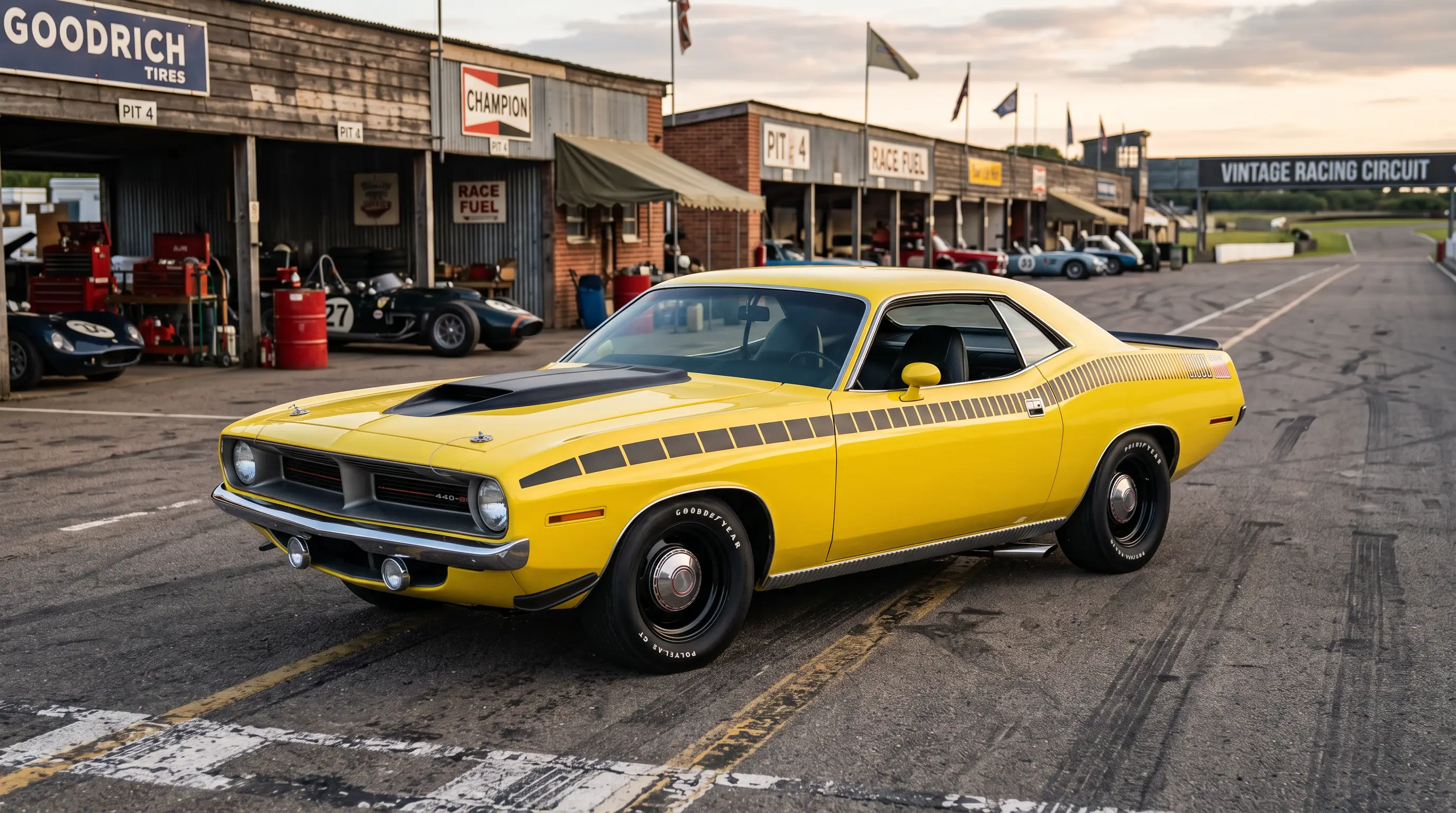
All American Racers took the Barracuda platform and built purpose-made Trans Am race cars around it, running the series under Gurney's team banner with Gurney himself and other drivers behind the wheel. The team's engineering work went well beyond the street AAR Cuda's specification sheet, involving suspension, aerodynamics, and preparation that had nothing to do with what a dealership customer would ever experience. The street AAR Cuda existed specifically to satisfy SCCA's homologation requirement so the race version AAR built could compete legally at all.
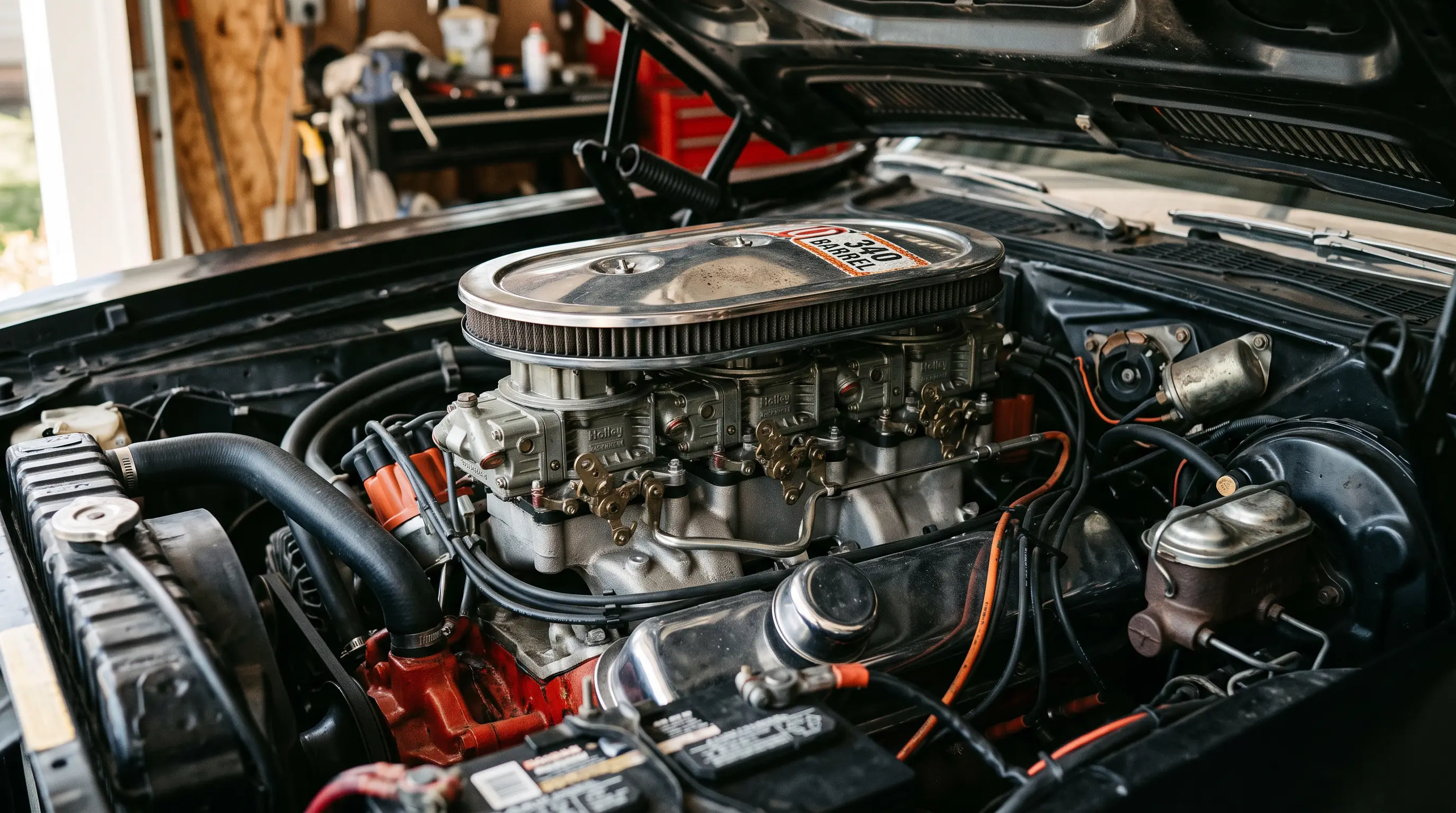
The relationship between the street car and the race car is often misunderstood by people encountering the AAR Cuda for the first time. The street car did not need to match the race car's performance. It needed to exist in sufficient numbers, 2,724 units for 1970, wearing enough of the same core hardware, the 340 Six Barrel engine among it, to satisfy the sanctioning body's rules.
| Detail | Fact |
|---|---|
| Team | All American Racers, founded by Dan Gurney |
| Racing series | SCCA Trans Am, 1970 season |
| Street car requirement | Minimum production run for homologation, 2,724 units |
| Shared hardware | 340 Six Barrel small block, distinctive strobe graphics |
Why the partnership made sense for both sides
Plymouth got a race team with a genuine winning pedigree and instant credibility on the Trans Am grid. Gurney's operation got factory backing, real engineering resources, and a high-profile platform to compete against Detroit's other manufacturers on equal footing. Neither side was doing the other a favor. This was a straightforward alignment of interests between a manufacturer that needed to win races to sell cars and a team owner who had spent years proving he could build cars capable of winning at the highest level.
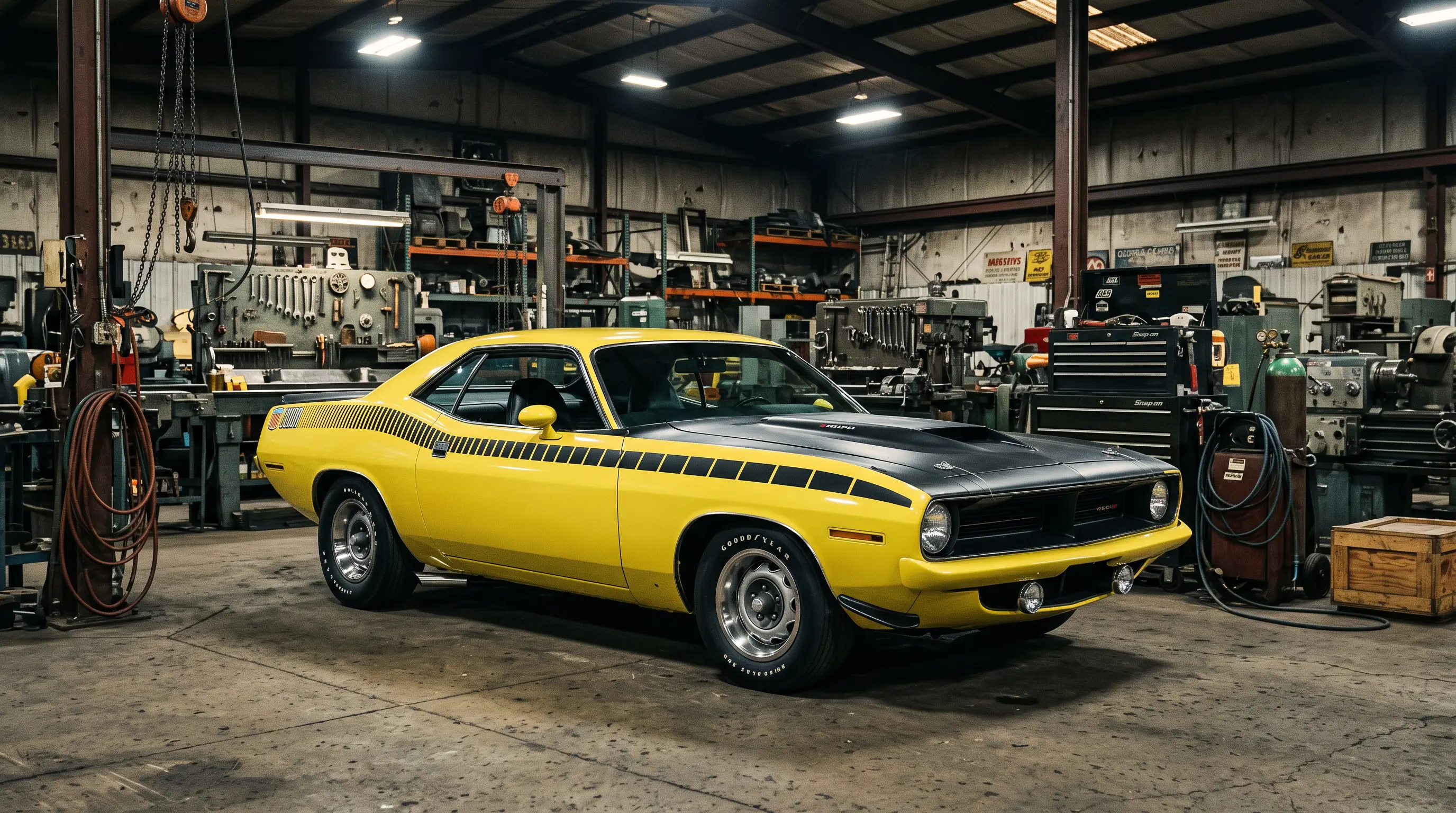
The strobe stripe and AAR badging on the street car were not just cosmetic flourishes borrowed for style. They tied the production car directly and visibly to Gurney's team identity, giving buyers a tangible connection to a specific driver and a specific racing program rather than a generic performance package with no real story behind it.
"Most homologation specials get built by committee. This one got built because Dan Gurney's team needed a legal car to race, and that gives it a straighter, more honest story than most muscle cars from this era carry."
- Mike Sullivan
How the 1970 Trans Am season actually went
Gurney's team competed against factory-backed efforts from Ford, Chevrolet, and American Motors in a season widely regarded as one of the most competitive in Trans Am history. The Barracudas did not dominate the series, and that is worth stating plainly rather than glossing over for the sake of a tidier story. Plymouth finished fifth in the 1970 Trans Am manufacturer's championship with no wins, and driver Swede Savage, who took over the bulk of the season after Chrysler trimmed AAR's budget down from a two-car to a one-car effort, earned most of the team's points with a runner-up finish at Road America and a handful of pole positions. Competition that year was fierce enough that no single manufacturer walked away with an easy championship, and AAR's effort, while respected and well engineered, faced the same uphill battle every other team in the paddock did against deep-pocketed rivals fielding their own strong programs.
What the season did prove is that Gurney's operation could build and run a competitive Trans Am program on short notice with a new platform, which mattered more to Plymouth's long-term reputation than a single championship trophy would have. The street AAR Cuda's value today rests on that credible, hard-fought effort, not on a claim of series-dominating success that the historical record does not actually support.
What the connection means for the car's value today
A documented tie to a driver and team as respected as Gurney and All American Racers gives the AAR Cuda a provenance story that holds up under scrutiny in a way that marketing-driven trim packages from the same era often do not. Collectors and enthusiasts researching these cars are not relying on dealer folklore, they can trace the car's existence back to a specific SCCA rule, a specific team, and a specific driver's competitive program. That kind of verifiable history tends to hold collector interest longer than stories that cannot be pinned to anything more solid than a period advertisement.
For readers who want the broader background on why Plymouth needed this car at all, read the background covers the full production history, and the homologation rule that made the whole partnership necessary is explained in detail in worth a look too.
A driver's name that means something on a fender
Plenty of muscle cars from this era carry a famous name for marketing reasons alone. The AAR Cuda carries Dan Gurney's team name because his operation was the actual reason the car exists, built to satisfy a rule so his cars could race. That is a rare, honest connection between a street car and the motorsport story behind it, and it is a large part of why this particular Barracuda variant has held collector attention for more than fifty years. Anyone shopping for one today can shop classic Barracuda listings and weigh that history against what is currently available.
Sources and notes
- Revs Institute: Glorious Cudas and Challengers, the 1970 Trans-Am Season
- Audrain Auto Museum: 1970 Plymouth AAR Cuda
- Mac's Motor City Garage: Dan Gurney Joins Plymouth and Introduces the 1970 Cuda
- Wikipedia: Dan Gurney
- Plymouth AAR Cuda Registry: 340 Six Barrel Engine Information
- Wikipedia: Plymouth Barracuda