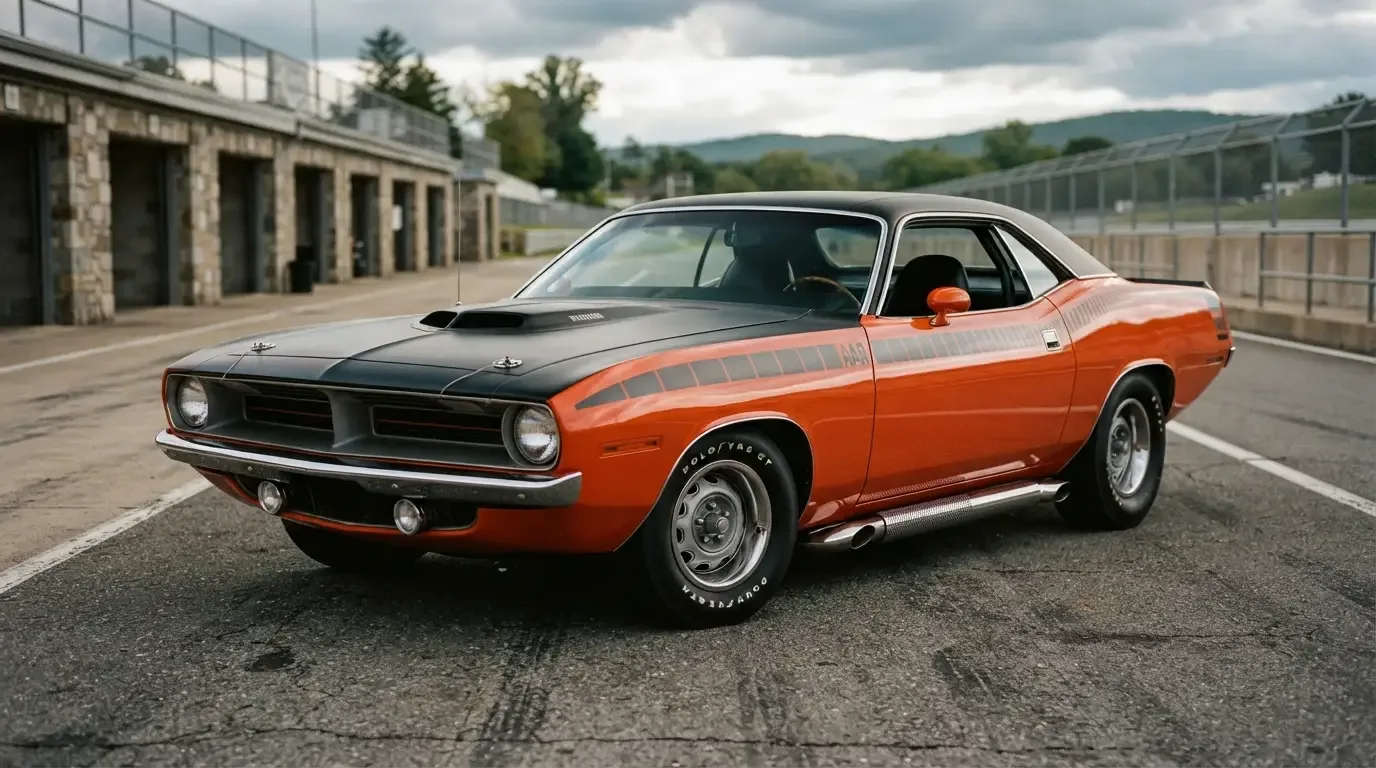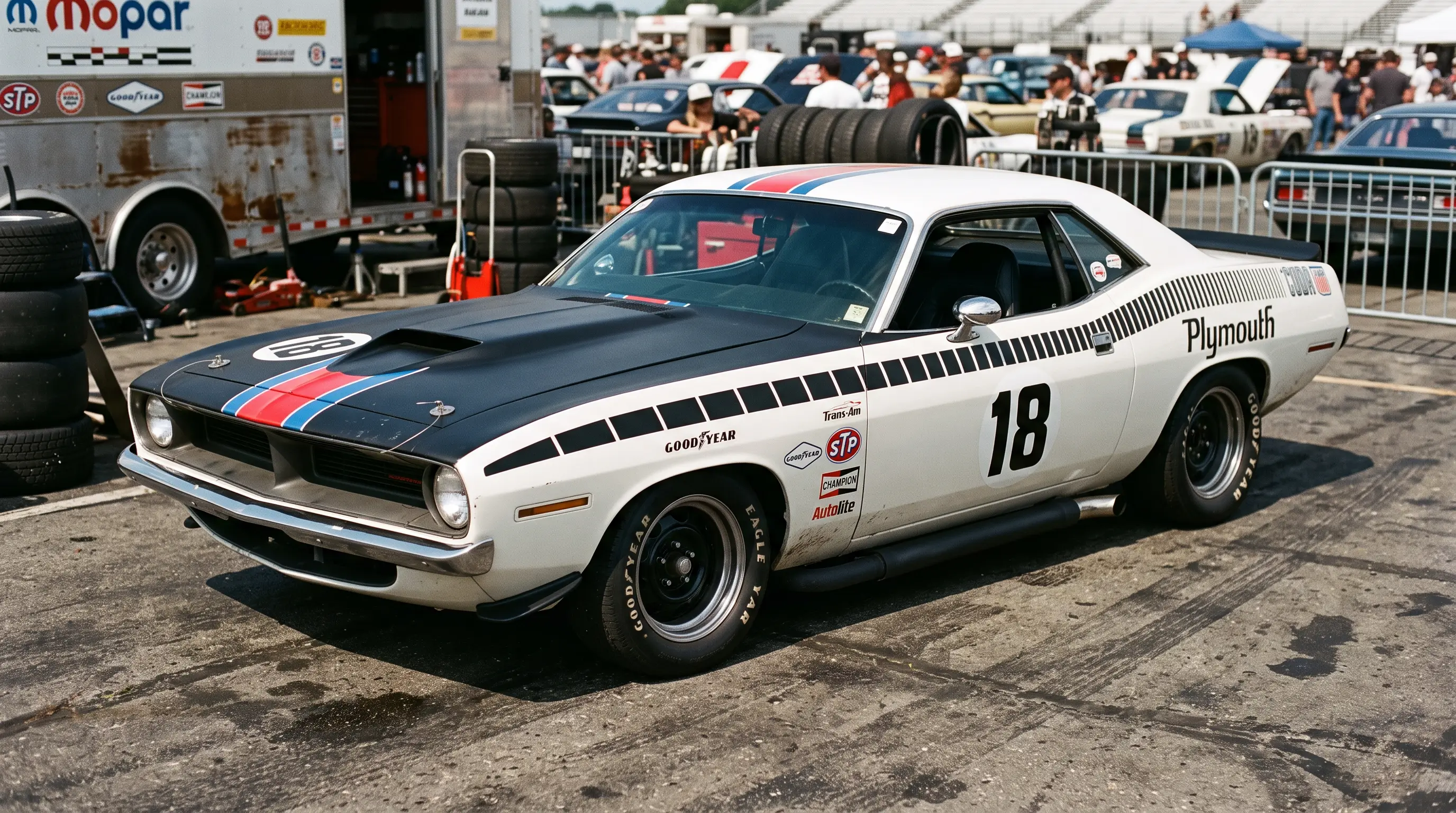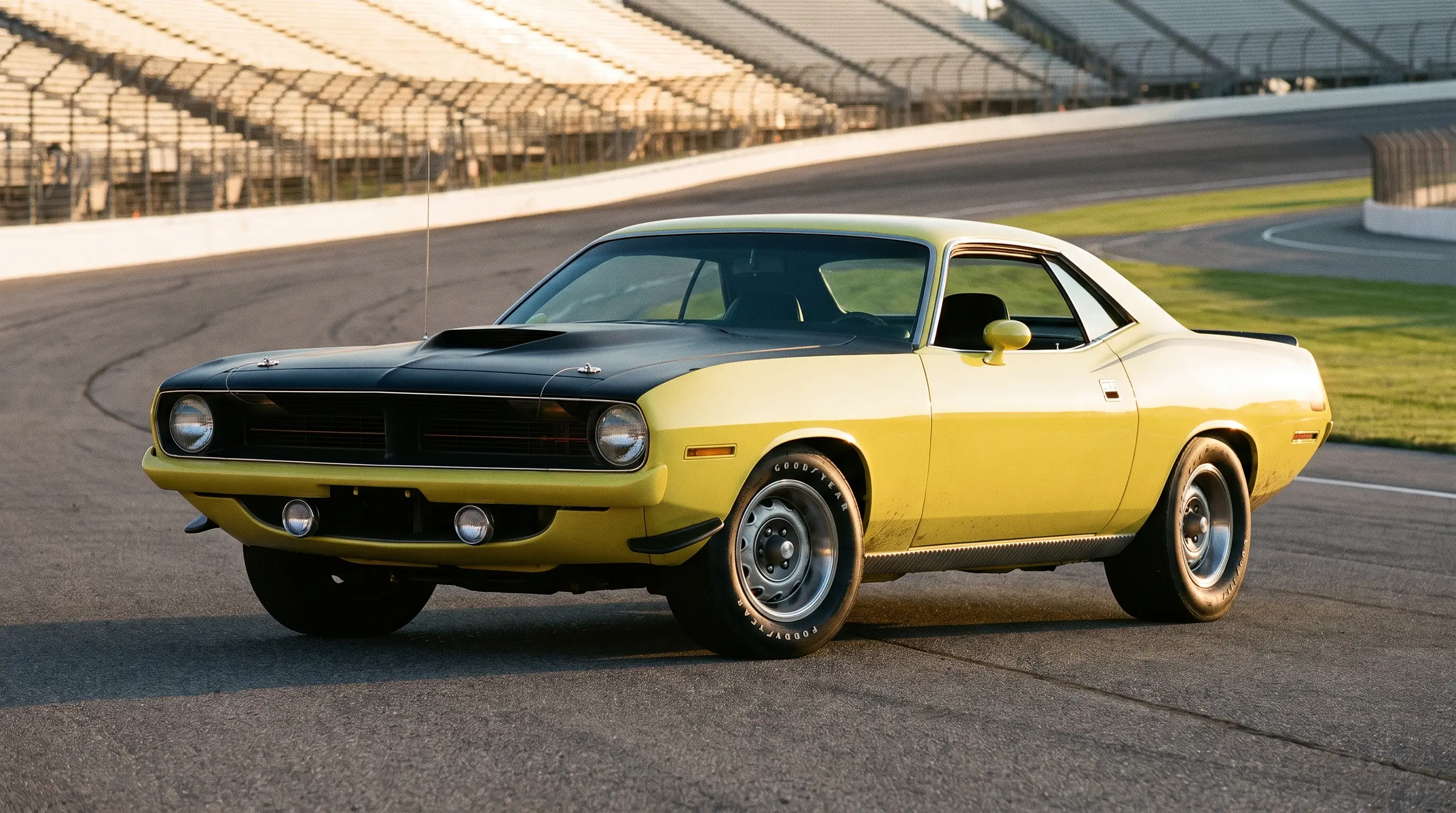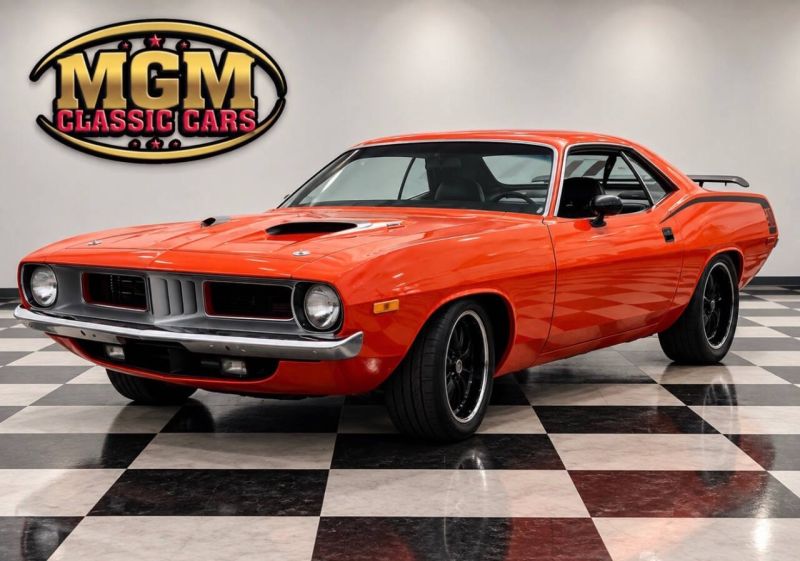
I get asked about aar cuda value more than almost any other single model in this era, and the honest answer is never a single number. It is a range that swings hard depending on documentation, originality, and condition, and the gap between the top and bottom of that range is wider than most buyers expect walking in.
The condition premium is not subtle
A rough, driver-grade AAR Cuda with a replacement engine and incomplete documentation and a concours-quality, numbers-matching example with a full paper trail are not the same asset class, even though they wear the same badge and share the same base specification. The gap between them reflects real risk. A car you cannot fully verify carries downside if a buyer later discovers a mismatched engine or a replaced fender tag, and that downside gets priced in whether the current owner acknowledges it or not.
Liquidity matters here too. A documented, clean example sells to a wider pool of serious buyers faster and with less negotiation friction. A questionable one sits, gets relisted, and often ends up moving at a discount to whatever the seller originally hoped for, because the buyers who would pay top dollar have already walked away.
What actually moves the needle on price
Four factors do almost all the work in determining where a specific car lands in its value range, and none of them is the color of the paint.
- Documentation: fender tag, broadcast sheet, and any surviving factory paperwork confirming original configuration
- Originality: matching numbers engine, correct drivetrain, unmolested body panels including the fiberglass hood
- Condition: quality of any restoration work, or genuine unrestored survivor status if that applies
- Options and drivetrain combination: automatic versus four-speed, and specific color combinations that carry their own premiums
Miss any one of these and the car gets discounted relative to a fully documented, correctly optioned example, sometimes significantly. I have seen otherwise beautiful restorations sell for meaningfully less than a rougher original car simply because the rougher car had a complete paper trail and the beautiful one did not.
Reading the downside risk correctly
The biggest risk in this segment is not paying too much for a genuine, well-documented car. It is paying a genuine-car price for something that turns out to be a clone or a heavily reworked example once you dig into the paperwork. That risk sits entirely on the buyer's side of the table unless due diligence happens before money changes hands, not after.
Practically, that means treating a fender tag and broadcast sheet review as non-negotiable steps before agreeing on price, not optional extras you get around to after a deposit is down. A seller unwilling to produce or allow verification of documentation is telling you something about the deal, even if they never say it out loud.
"Value in this segment is documentation plus condition plus liquidity, minus whatever risk you can't verify. Skip the paperwork and you're not buying a car, you're buying a story somebody else is telling you."
- Marcus Feld
Where the market sits today
Collector interest in factory homologation specials from this era has stayed firm, and the AAR Cuda benefits from a genuinely compelling backstory, a real racing connection rather than a marketing invention, which supports demand even as the buyer pool ages. That said, this is not a segment where every car appreciates uniformly. Undocumented, heavily modified, or incorrectly restored examples can and do stagnate in value while correctly documented cars continue moving upward. The spread between those outcomes is only getting wider as more buyers educate themselves on what to check before committing.
For background on how this car came to exist and why that origin story underpins its current value, the full story covers the Trans-Am homologation history that every serious buyer should understand before shopping.
How buyer profiles have shifted over time
The typical buyer chasing an AAR Cuda today looks different than the buyer chasing one twenty years ago. Earlier buyers often came to the car through personal memory, having owned one new or known someone who did, and their purchases reflected nostalgia as much as investment thinking. The current buyer pool skews toward collectors who never experienced the car firsthand in period and are instead drawn in by its racing history and genuine scarcity, researched carefully before ever making an offer. That shift has, if anything, made documentation matter even more, since a buyer with no personal memory of the car has nothing to fall back on except paperwork and provenance when deciding whether a specific example is worth the asking price.
Auction results versus private sale reality
Publicly reported auction results give a useful reference point for this segment, but they do not tell the whole story on their own. A single high-profile sale of an exceptional, fully documented car can skew perception of the entire model's value upward, while private sales of more ordinary examples happen quietly and rarely make headlines. Anyone using auction data to benchmark a purchase should weigh several results together rather than anchoring to the single highest number they saw reported, since that number likely represents the best documented, best condition example to cross the block recently, not a typical car.
Private sale prices for solid, honestly presented cars without auction house marketing behind them often land meaningfully below the headline auction figures, and that gap is not a sign of a weak market. It reflects the premium auction houses can command through presentation, provenance research, and a competitive bidding environment that a private transaction simply does not replicate.
A practical buying framework
Before you get emotionally invested in a specific car, verify the fender tag against the seller's claims, request a broadcast sheet if one exists, and have an independent, experienced eye look at the engine block casting numbers. Only after those checks clear should price negotiation really start. If the paperwork does not hold up, walk, regardless of how good the car looks in photos.
To see how documentation and condition are actually reflected in current asking prices, browse a classic Barracuda for sale listing and compare how sellers present paperwork versus how they present cosmetics. The gap between those two things tells you a lot about a listing before you ever make a call.
| Factor | Impact on value |
|---|---|
| Fender tag and broadcast sheet | Highest impact, confirms authenticity |
| Matching numbers engine | High impact, core to originality claim |
| Restoration quality | Moderate to high impact, varies by buyer |
| Color and options combination | Moderate impact, some combinations carry premiums |
Bottom line: this is a car where the paperwork is worth as much as the sheet metal. Buy the documentation first and let the rest of the deal follow from there.