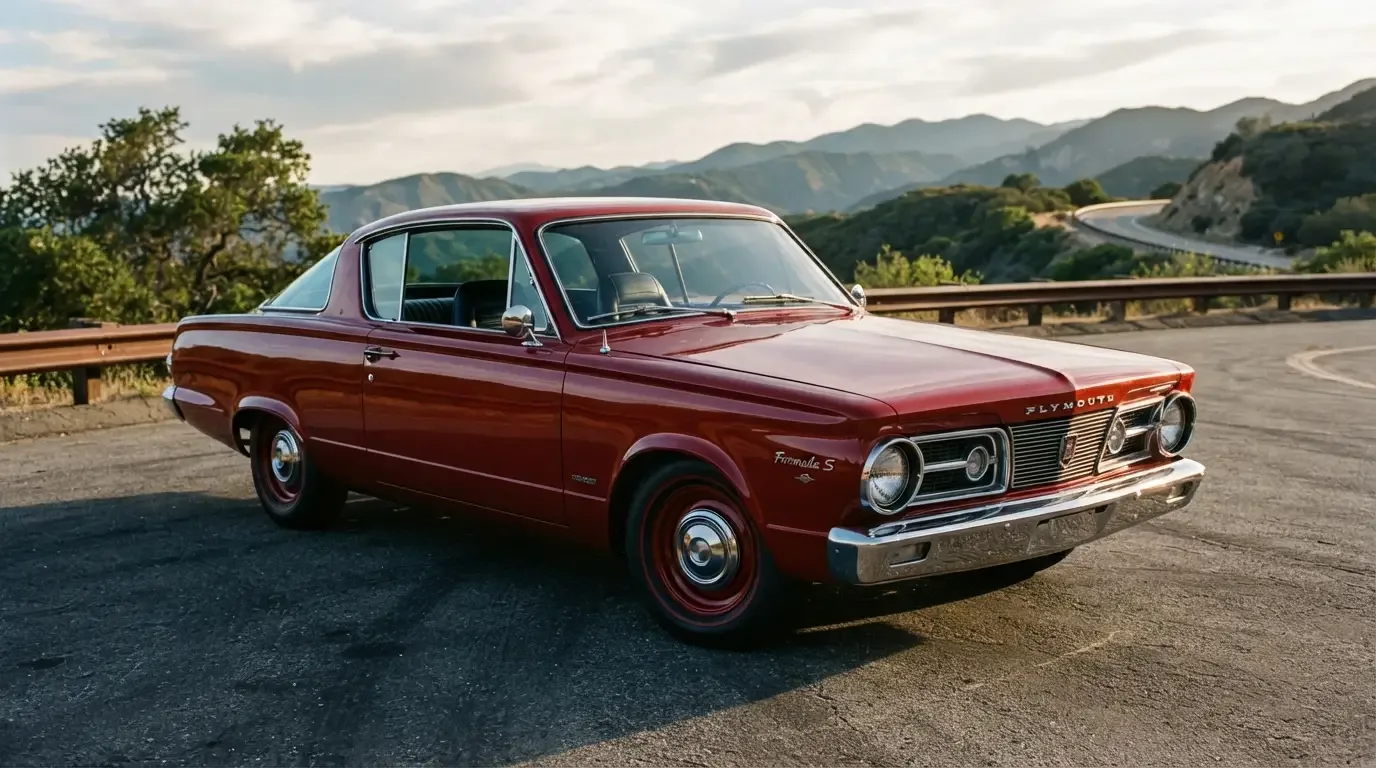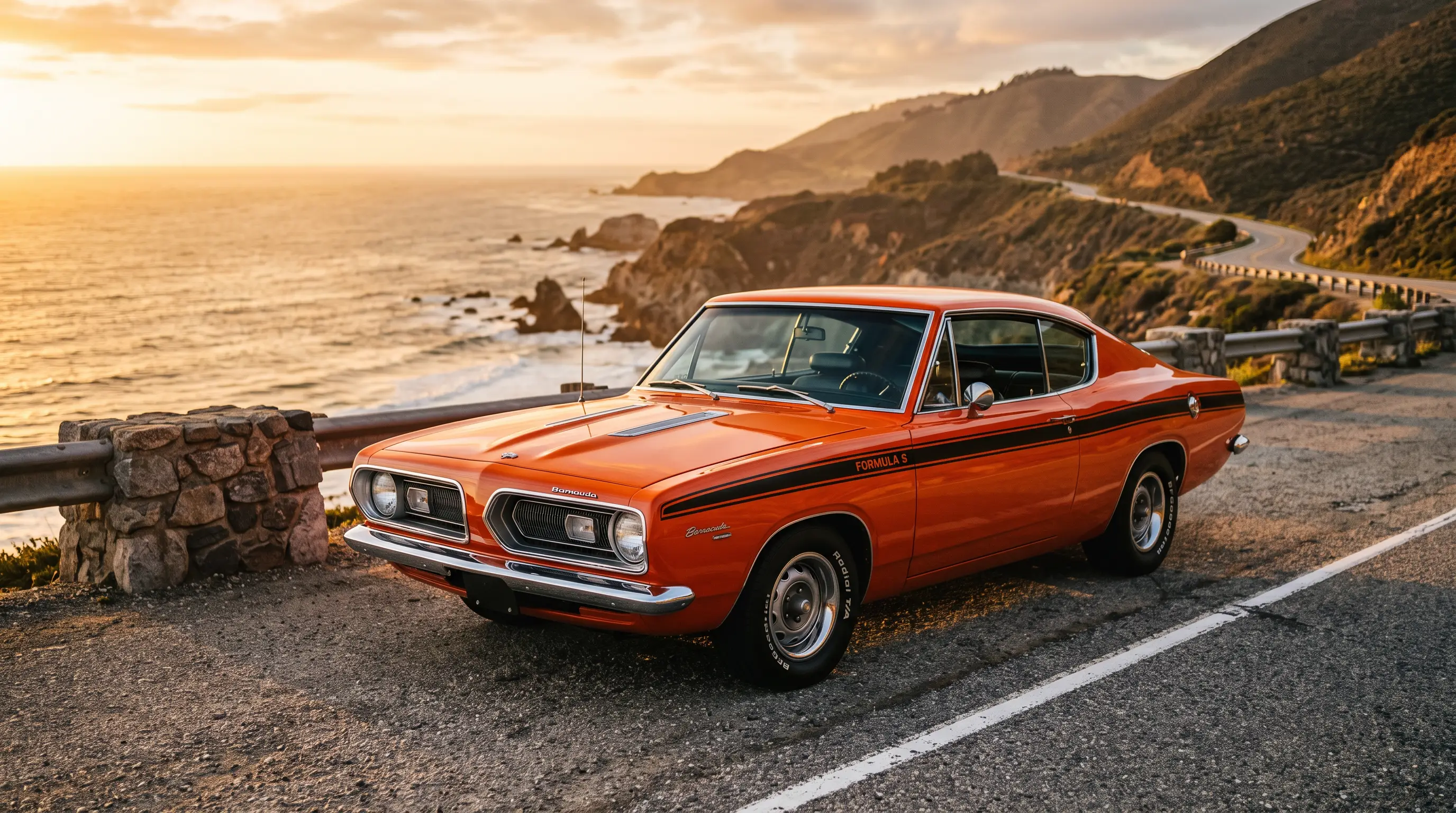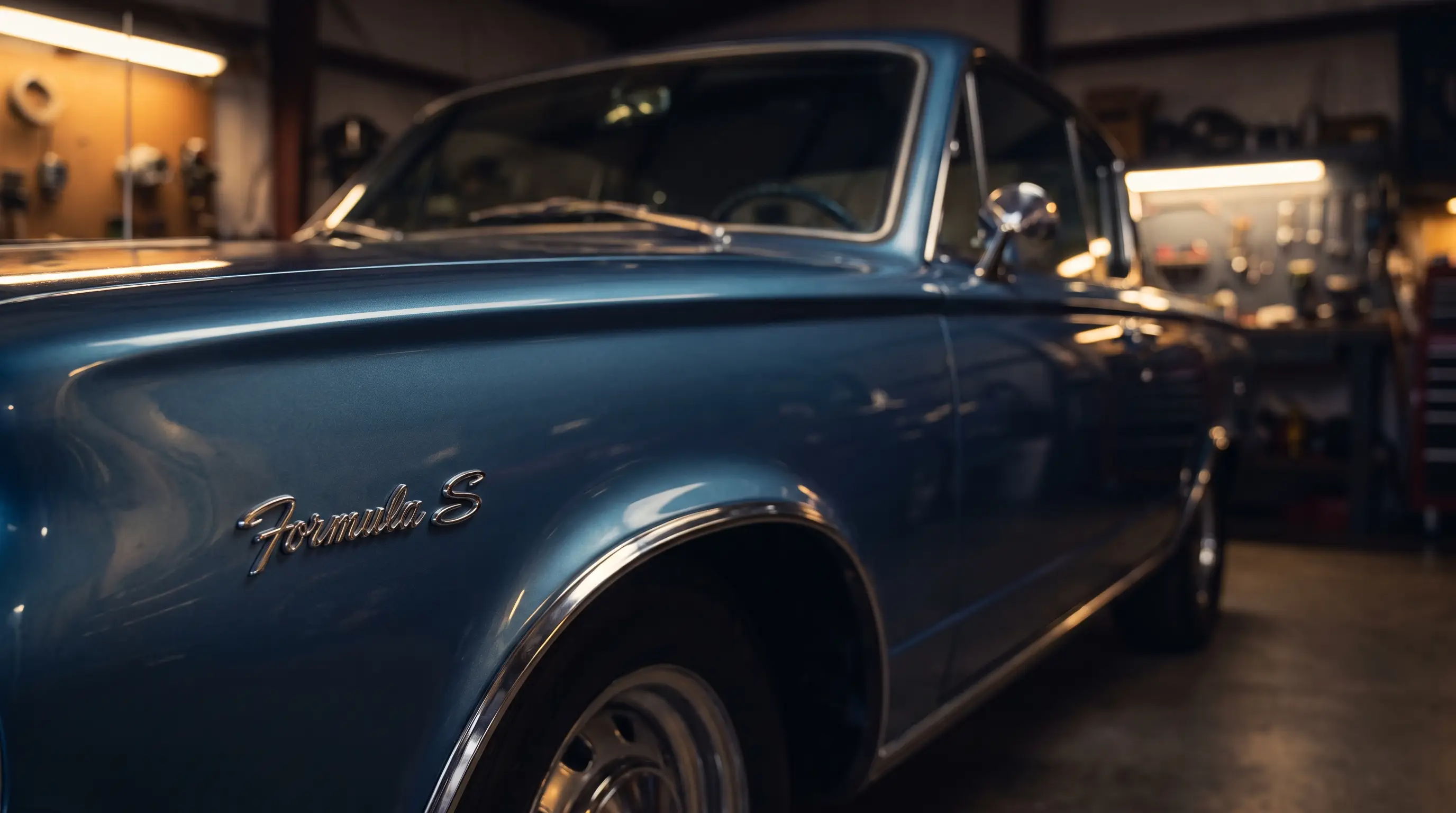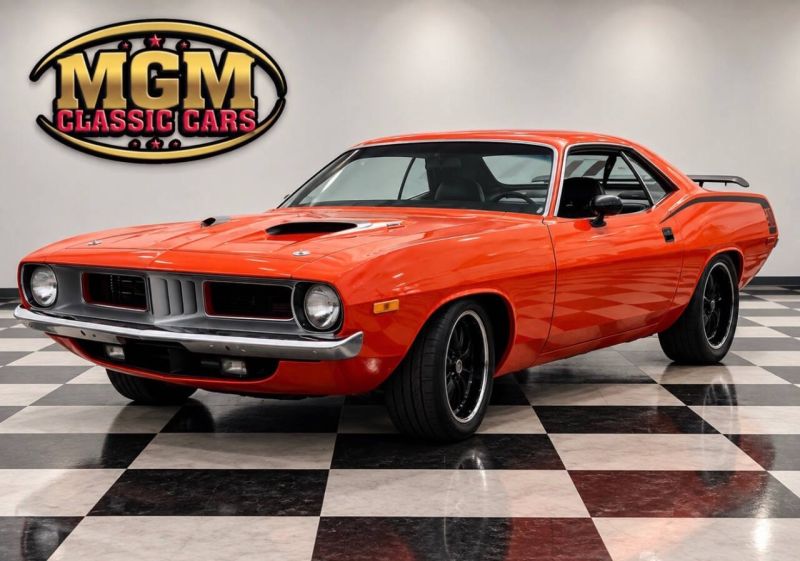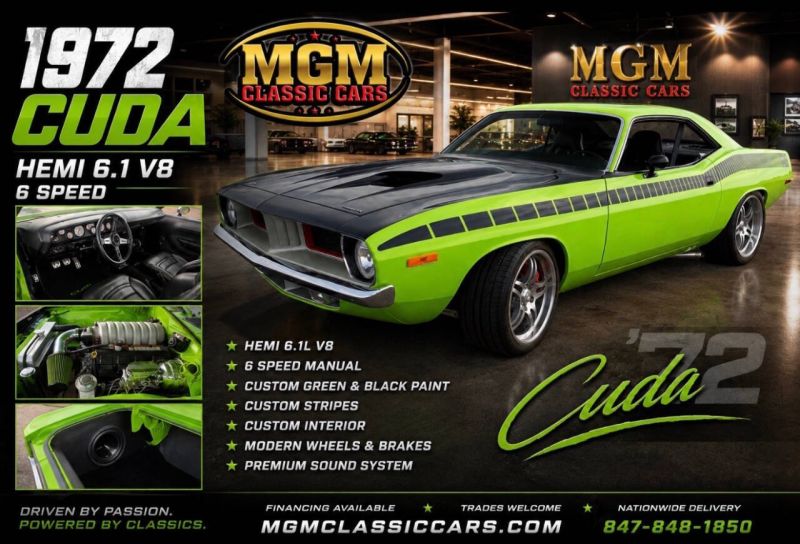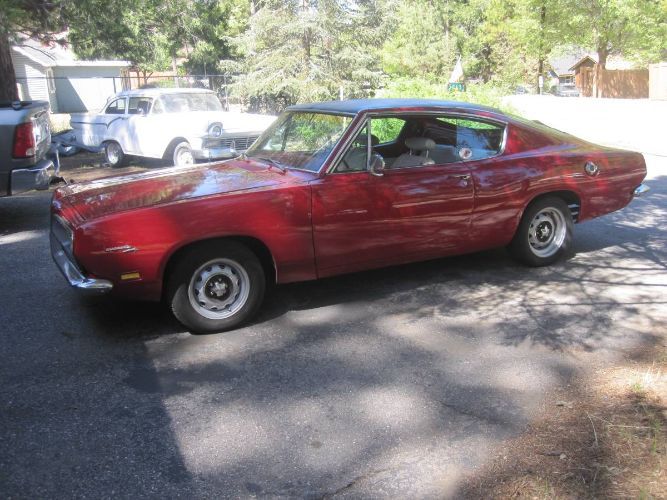
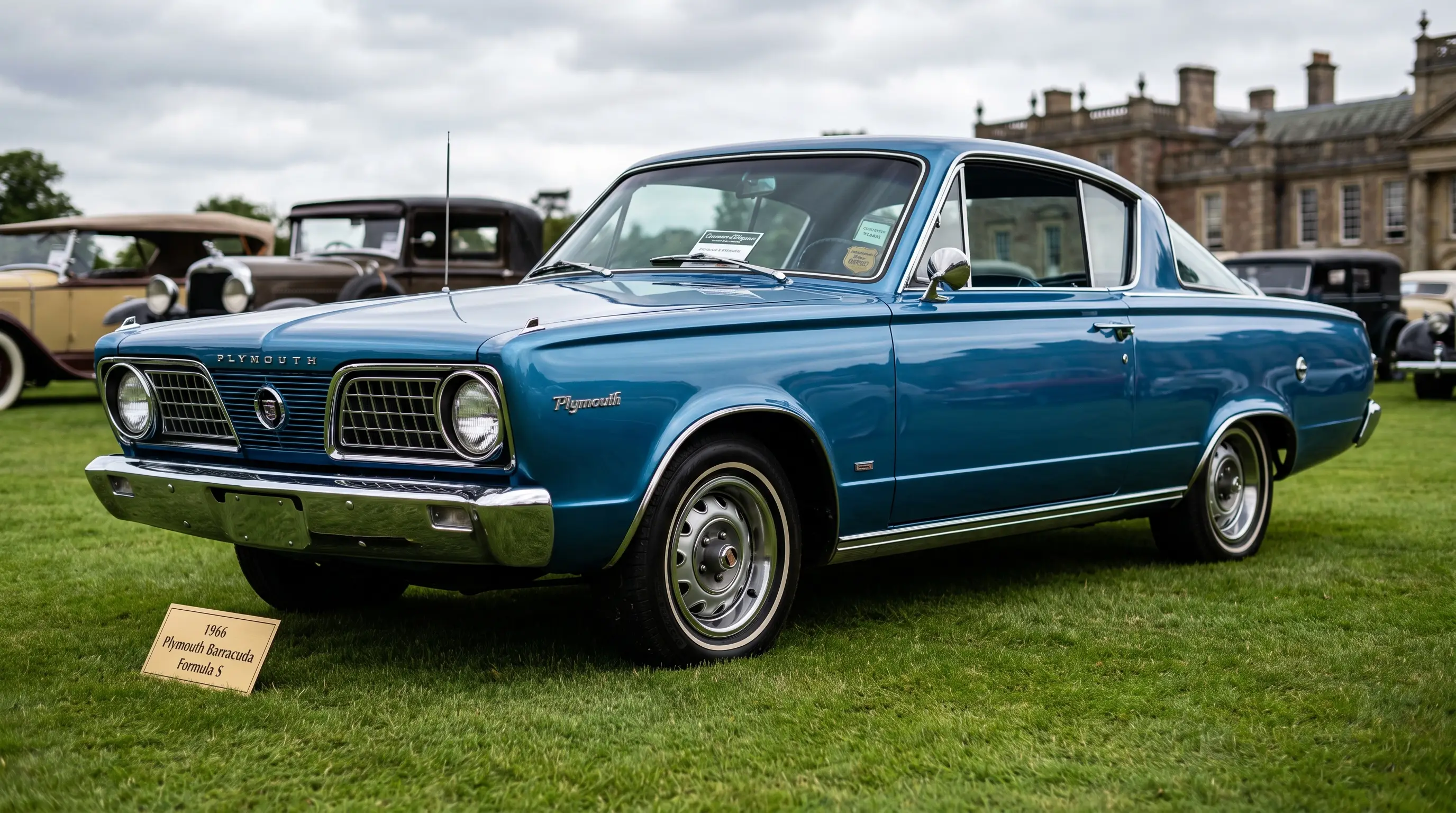
Ask a room full of muscle car buyers to name the Barracuda they would want and most will say Hemi 'Cuda, then quietly admit they will never afford one. The car that actually moves at auction in volume, the one collectors keep circling back to with real money, is the Formula S. It is the rational choice in a market that does not always reward rational choices, and that is exactly why it deserves a serious look.
The math behind the appeal
Value in this hobby comes down to four things I keep coming back to: condition, documentation, liquidity, and downside risk. A Hemi 'Cuda scores well on the first two if you can find a real one, but liquidity is thin because so few exist, and the downside risk on a bad decision runs into six figures fast. A Formula S 340, by contrast, was built in real numbers, parts support is solid, and the buyer pool is wide enough that you are not waiting years to find the next serious offer. That combination is what collectors mean when they say a car is "usable" as an asset, not just as a hobby purchase.
The Formula S package also carries a story that resonates without needing a seven figure price tag to justify it. It was Plymouth's stated performance answer inside the Barracuda line, and a well documented example represents a real engineering decision rather than a marketing sticker. Buyers who understand the market are not chasing the biggest number on the window sticker. They are chasing the best combination of story, scarcity, and something they can actually insure without a second job.
What separates a strong buy from a soft one
Not every Formula S is worth the same money, and the spread between a documented, tag-matched car and a generic clone is wide enough to change your decision entirely. A verified fender tag paired with a broadcast sheet or factory invoice moves a Formula S into a different pricing tier than a car wearing the badge with no paper trail. I have watched two visually identical cars sell at the same auction weekend for prices a wide margin apart, purely on the strength of documentation.
| Factor | Strong buy signal | Weak buy signal |
|---|---|---|
| Fender tag | Matches VIN and options list | Missing or replaced |
| Engine | Numbers-matching 340 or 383 | Undocumented replacement block |
| Paperwork | Broadcast sheet, build sheet, or period invoice | None, seller "recalls" the history |
| Restoration record | Photo documented, receipts | Undisclosed or vague |
The lesson here is not complicated, but it gets ignored constantly by buyers who fall in love with a color combination before they check the boring stuff. Paper first, paint second. A gorgeous repaint on a car with no documentation is still a gamble no matter how straight the panel gaps are.
How the numbers actually break down at auction
Anyone who has tracked this segment for a while notices the same pattern repeating at every major auction weekend. A tag-matched Formula S with a clean, believable ownership chain draws multiple bidders and finishes ahead of the pre-sale low estimate more often than not, while a car with a fuzzy history and a badge nobody can trace tends to sit closer to the low end or fail to meet reserve entirely. That gap is not the auction house manipulating outcomes. It is buyers who understand the market pricing risk accurately in real time, right in front of you if you watch closely enough.
I have also noticed the buyer pool itself shifting over the past several years. A decade ago, the typical serious bidder on a Formula S car was someone who remembered these cars new or close to it, buying back a piece of their own history. Today a meaningful share of bidders are younger collectors who never owned one the first time around and are drawn purely by the combination of story and usability I mentioned earlier. That demographic shift matters for long-term value, because it suggests demand for well documented, drivable E-body cars is not going away as the original ownership generation ages out of the hobby, which is a real concern in some other corners of the classic car market right now.
The risk side nobody wants to talk about
Every honest appraisal has to include the downside, and with Formula S Barracudas the biggest risk is not the car itself, it is the paperwork gap. Because these cars were never as rare or as closely tracked from new as the Hemi cars, a meaningful share of surviving examples have incomplete records. That does not make them bad purchases. It makes them purchases that require real diligence rather than a handshake and a deposit.
The other risk worth naming plainly is over-restoration. A car that has been rebuilt to a standard higher than anything Plymouth ever shipped from the factory looks impressive in photos and can actually work against you at resale, because serious buyers in this segment increasingly value originality and honest wear over showroom perfection applied forty years after the fact. If you want where this started in terms of how the Formula S package was built and marketed originally, that context matters just as much as the condition report when you are setting a price in your head.
"I don't fall in love with a car until I've seen the fender tag. Everything before that is just a nice photo."
- Marcus Feld
A quick word on originality versus modification
One trend I have watched develop over the past several seasons is a growing premium for Formula S cars that retain their original drivetrain and suspension components even when those components are objectively less capable than a modern replacement would be. Buyers used to reward tastefully modified cars with upgraded brakes or a mildly built engine, and to some extent that market still exists, but the top tier of serious collector interest has shifted decisively toward originality. A numbers-matching car with its factory-installed suspension components intact now commands a real premium over an otherwise comparable example that has been "improved" with period-incorrect parts, even when those parts genuinely perform better on the road.
This shift matters for anyone deciding how to approach ownership of a Formula S car. If your plan is preservation and eventual resale to a serious collector, resist the urge to upgrade components just because you can. If your plan is simply to enjoy driving the car regularly, a sympathetic upgrade to brakes or cooling rarely tanks resale value dramatically, but it is worth going in with clear eyes about which path you are choosing before you start bolting on parts.
Where the market is headed
The broader trend across this segment has been a slow, steady narrowing of the gap between the flagship Hemi cars and the well documented Formula S examples, at least in terms of buyer interest even if the price gap itself remains wide. Younger buyers entering the hobby are increasingly drawn to cars they can actually drive to a cars-and-coffee meet without worrying about a six figure repair bill after a fender bender, and the Formula S fits that need better than almost anything else wearing a Barracuda badge.
My advice to anyone circling this market is straightforward. Buy the best documented example your budget allows, resist the urge to chase the flashiest color combination over the paperwork, and treat the badge itself as a starting point for research rather than a guarantee. If you are ready to start that search, you can shop classic Barracuda listings with those priorities in mind, and you will end up with a car that satisfies both the collector instinct and the practical one.