A fellow at our club's spring show a few years back rolled in with a 1970 Barracuda he swore was a Gran Coupe built off the old Formula S formula, wood grain dash appliques, upgraded upholstery, the works, sitting on top of what he insisted was the same mechanical recipe Formula S buyers had been getting for years. Half the members standing around his car had never heard the two names connected that way before, and honestly, that confusion is common enough that it is worth clearing up properly instead of just nodding along at the next show.
Two different kinds of upgrade, two different cars
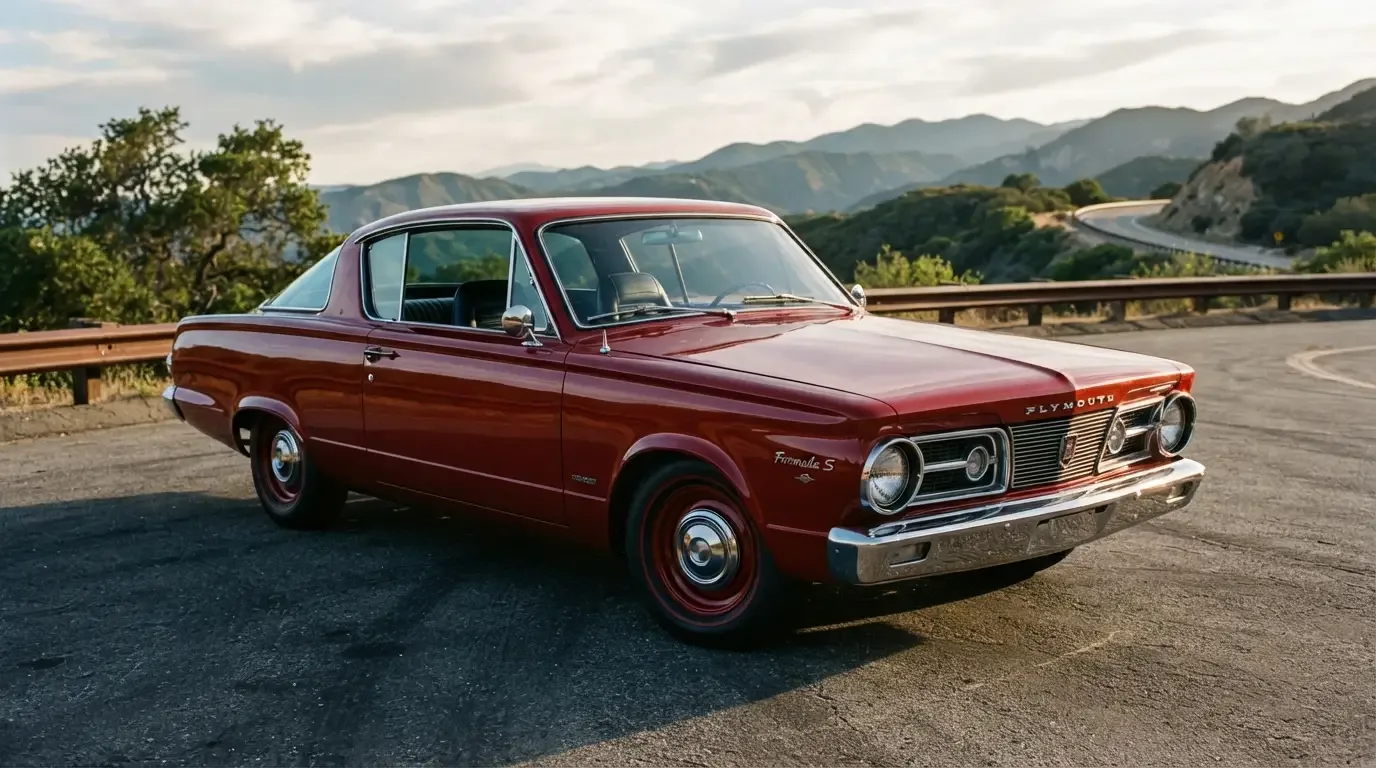
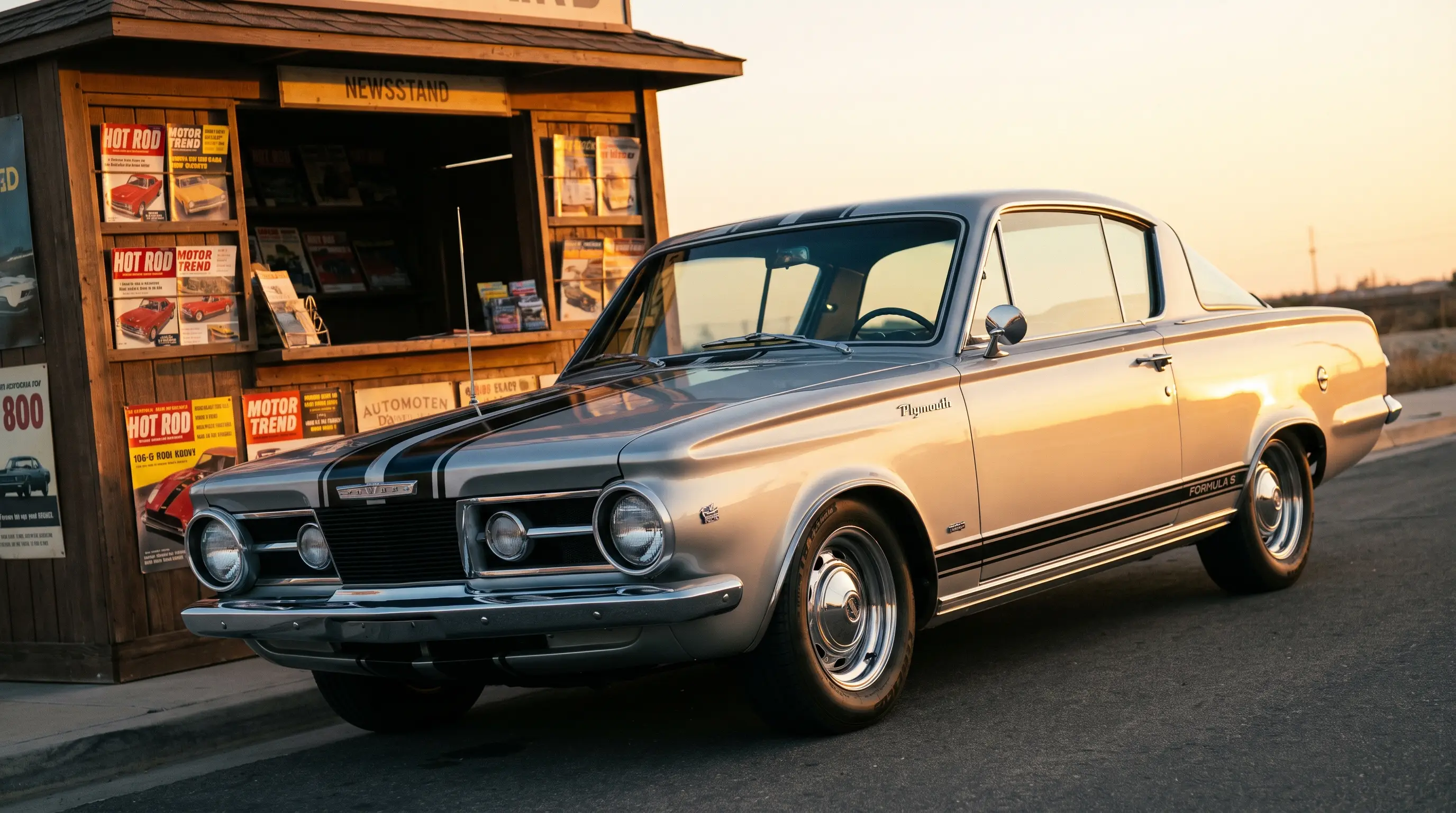
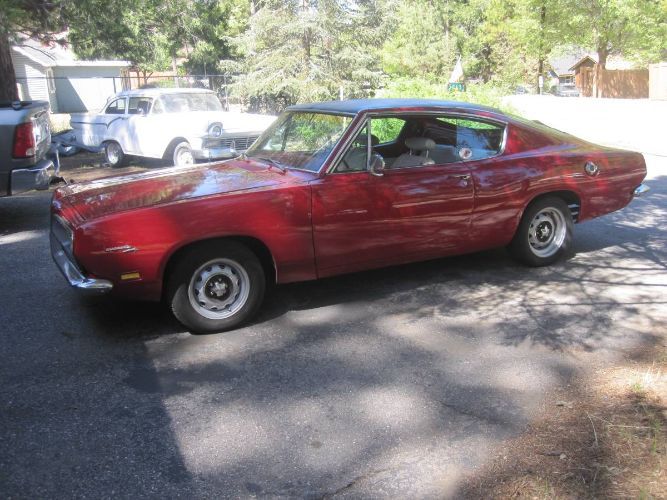
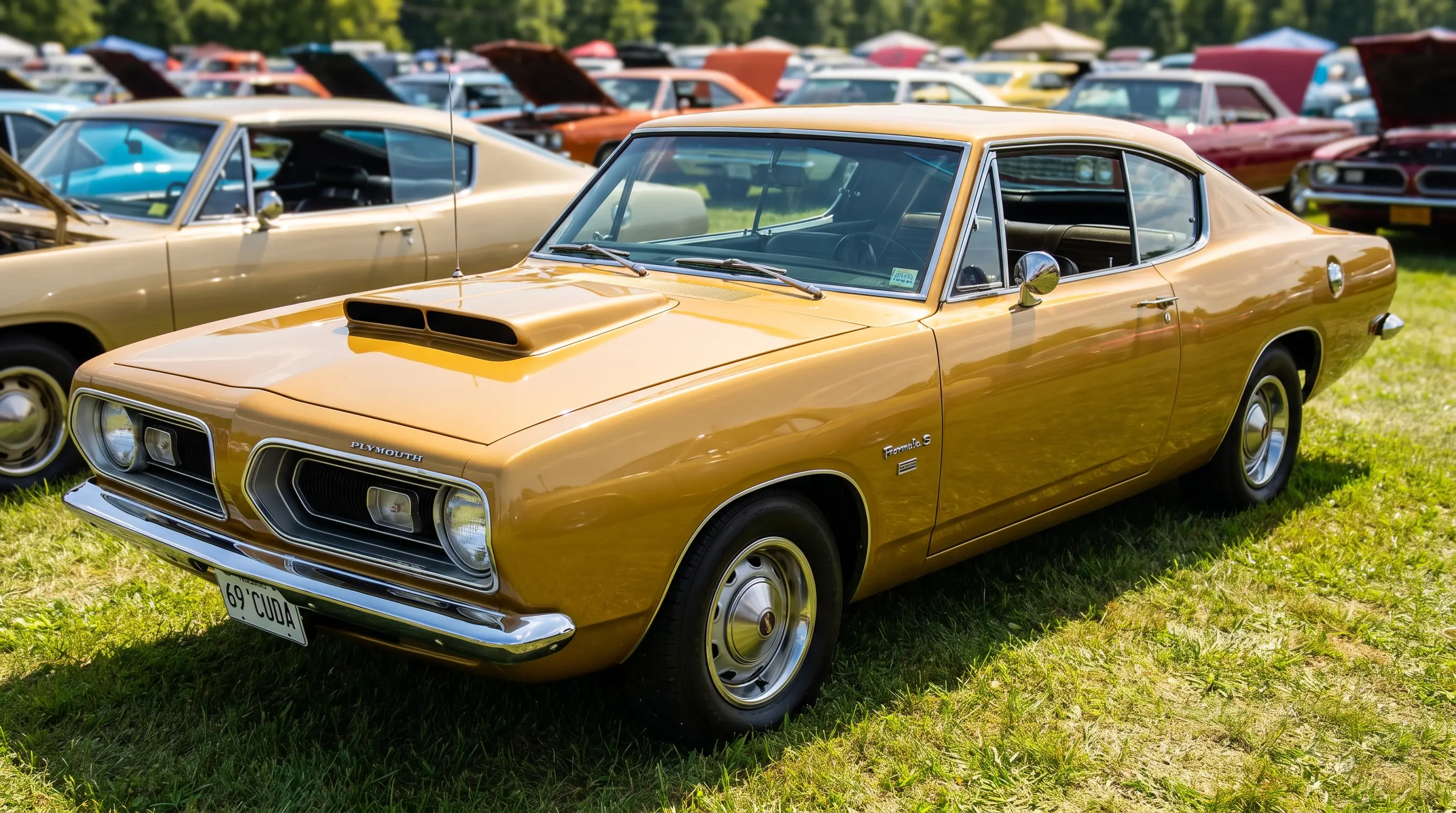
The Formula S was always about mechanics. Bigger engine, tighter suspension, better tires, a real tachometer where the base car had a warning light. It ran as an A-body option from 1965 through 1969, and the name was retired once that platform gave way to the redesigned E-body Barracuda for 1970. The Gran Coupe was a different animal entirely. It arrived only with that 1970 redesign, as a distinct luxury-trim model, code BP, sold alongside the base Barracuda and the performance-oriented 'Cuda, code BS, rather than as an option layered on top of either one. Plymouth never offered a Gran Coupe with a Formula S badge, because by the time the Gran Coupe existed, Formula S no longer did.
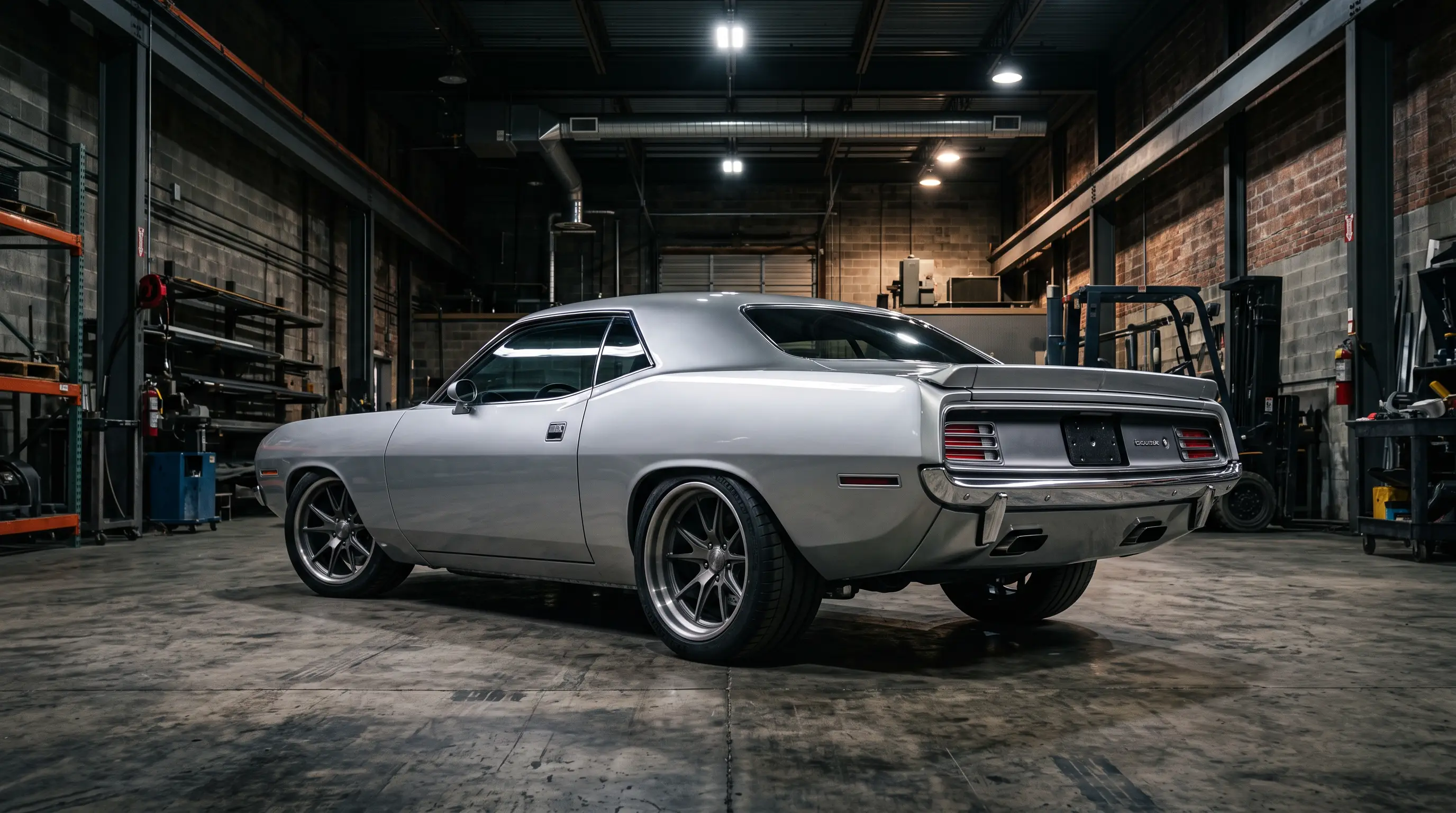
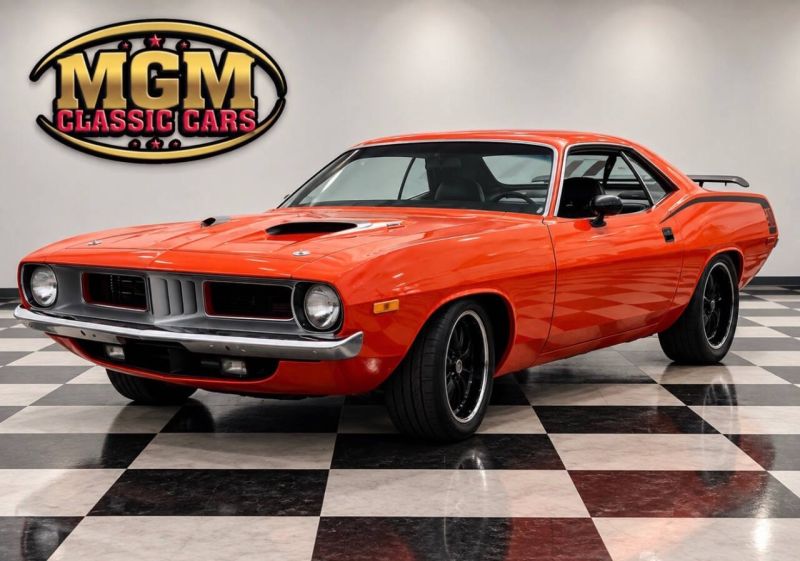
What our club member actually had, once we looked at the fender tag together instead of taking his word for it, was a genuine 1970 Gran Coupe carrying the dressed up cabin the model was built around. He had not been lying about what he owned. He had just linked it to Formula S in his head because that was the name he had always associated with a well equipped Barracuda, which happens more than you would think even among people who have owned these cars a long time.
Why the confusion persists
Part of the mix up comes from how these cars get described secondhand, decades after the original buyer made their choices at the dealership. A seller who inherited a car, or bought it from someone who was not the original owner, often has an incomplete or slightly garbled version of what the car actually is. Formula S becomes shorthand for any well equipped or performance oriented Barracuda in casual conversation, and it gets applied to Gran Coupe cars that never carried that option in the first place. Our club has had more than one member show up convinced their car connected to Formula S because someone before them described it that way, only to find the fender tag told a quieter, more precise story.
Documentation settles the argument
Here is where the story earns its punchline. The fender tag on that 1970 car at our show confirmed the BP Gran Coupe code, plain and simple, with no Formula S or 'Cuda designation anywhere on it. The car was exactly what its owner claimed to be sitting in, a genuinely well trimmed Gran Coupe, he had simply misattributed the family tree, crediting an older option name for a model line that came after it. A quick read of the build codes sorted the whole thing out in about five minutes, which is usually how these disputes end once someone bothers to check instead of argue. the full story on how the Formula S package developed across its production years covers exactly where that option ended and how the later E-body trims took a different path.
| Model or option | What it changed | Years offered |
|---|---|---|
| Formula S | Engine, suspension, wheels, tachometer (A-body option) | 1965 to 1969 |
| Gran Coupe (BP) | Interior trim, upholstery, wood grain accents (E-body model) | 1970 to 1971 |
What our club has learned from cars like this
Every club has a member or two who has been quietly wrong about their own car for years, not out of dishonesty but because nobody ever walked them through the fender tag properly. We make a point now of doing exactly that at our new member orientation, pulling out a tag decoding sheet and going line by line so people understand what they actually own before they start repeating a secondhand story at the next regional meet. It saves arguments, and more importantly it saves people from either underselling a genuinely well equipped car or overselling one that never had the options they assumed.
"Half of what gets argued about at a car show would settle itself in five minutes with the fender tag out. People just don't think to check until somebody makes them."
- Wayne Coburn
A second car, a second lesson
We had a similar situation the following year with a different member, a woman who bought a 1970 hardtop sight unseen from an estate sale two states over. She had been told it was a Gran Coupe with the sportier 'Cuda touches thrown in, one car doing double duty as both, and she believed it right up until the tag came out. When she finally brought it to a meeting, a few of us went over the codes together and found she had a genuine BP Gran Coupe, full stop, with none of the 'Cuda's stiffer suspension or larger engine options underneath the nicer upholstery. She was not upset. If anything she said it explained why the car had never felt as sharp through a corner as she expected from everything she had read about the model beforehand. Knowing what she actually owned let her set realistic expectations instead of chasing a driving feel the car was never built to deliver.
Both of those cars taught the same lesson from opposite directions. Assume nothing about what a Barracuda is carrying under its trim level until the tag confirms it, because Formula S, Gran Coupe, and 'Cuda are three separate chapters of this car's history, not interchangeable labels for the same options, and a seller's best guess is not a substitute for the factory record.
The car nobody argues about anymore
That 1970 Gran Coupe still shows up to our meets most years, and nobody questions its credentials anymore, because the fender tag settled it plainly and the owner learned to describe his own car more precisely along the way. If you are hunting for a similarly well equipped example, there is real value in cross checking build codes before you fall for a good story at a show. For those ready to start that search, a look through classic Barracuda for sale listings is a reasonable place to begin, provided you ask for the fender tag details before you ask about anything else.
What I tell new members every time
The advice I give newer club members is not complicated, but it bears repeating because the same confusion keeps recurring generation after generation of owners. Learn to read your own fender tag before you repeat anyone else's version of your car's history, seller, previous owner, or well meaning friend at a swap meet included. It takes maybe twenty minutes with a decoding chart the first time through, and after that you will spot a mismatched claim in about the time it takes someone to finish their sentence. That single habit has saved our club more arguments, and saved a few members from embarrassing themselves at regional judging, than any other piece of advice we hand out at orientation.