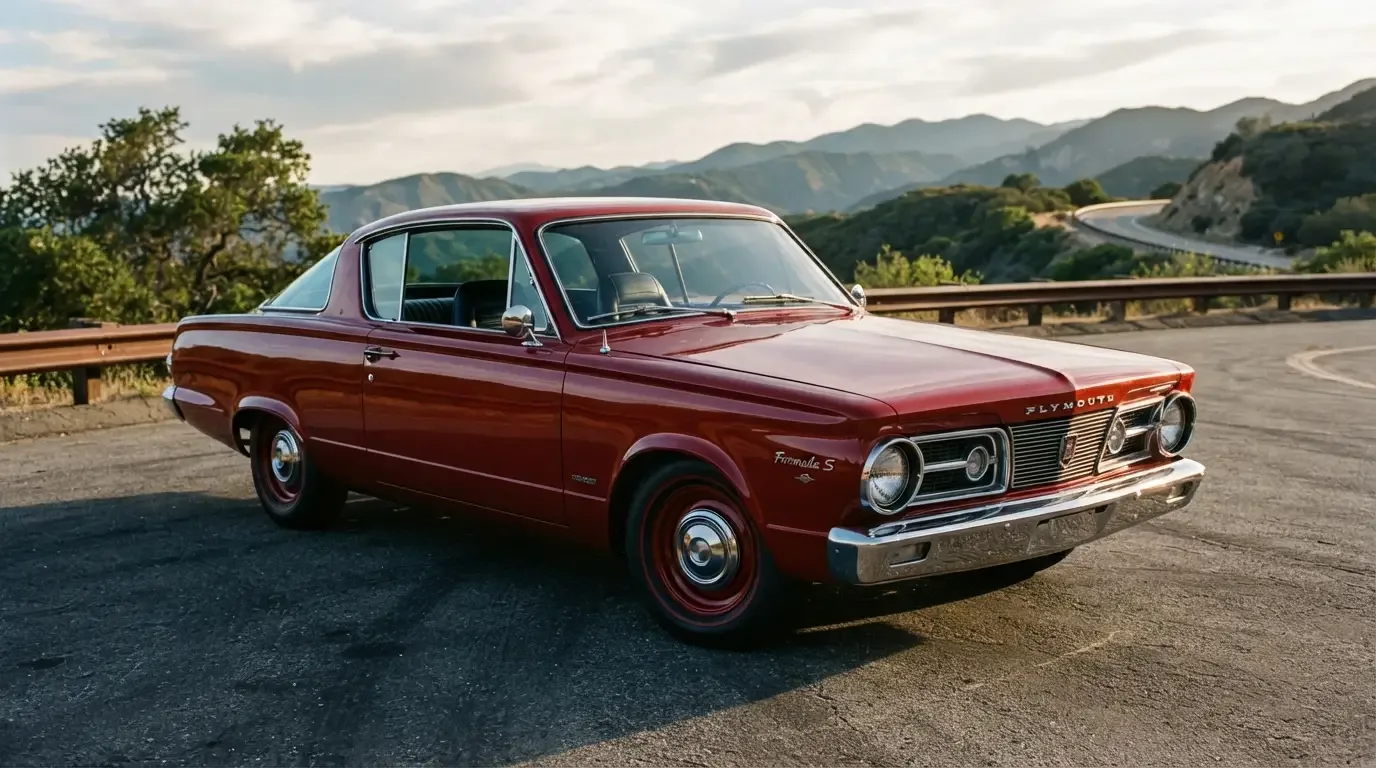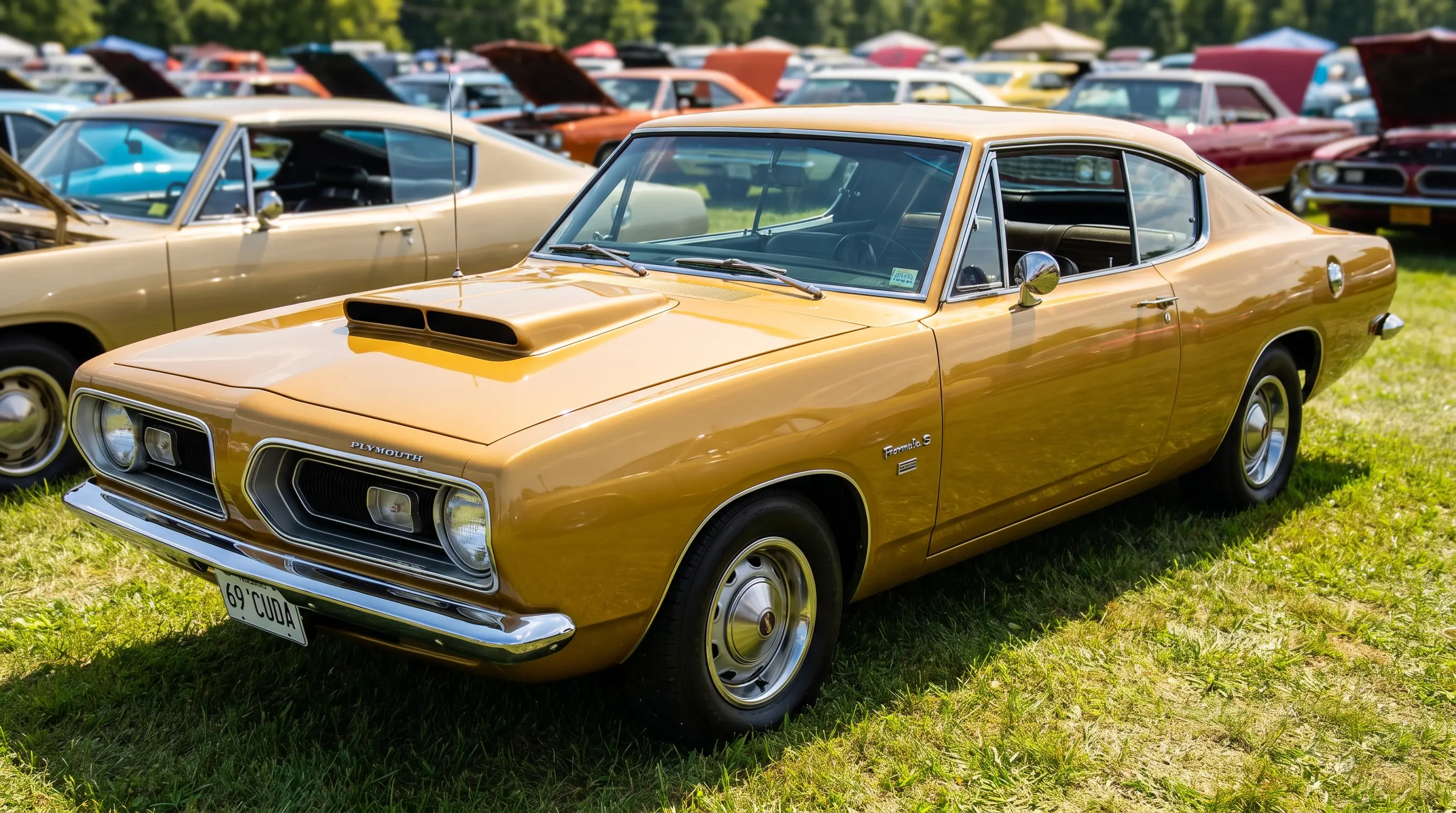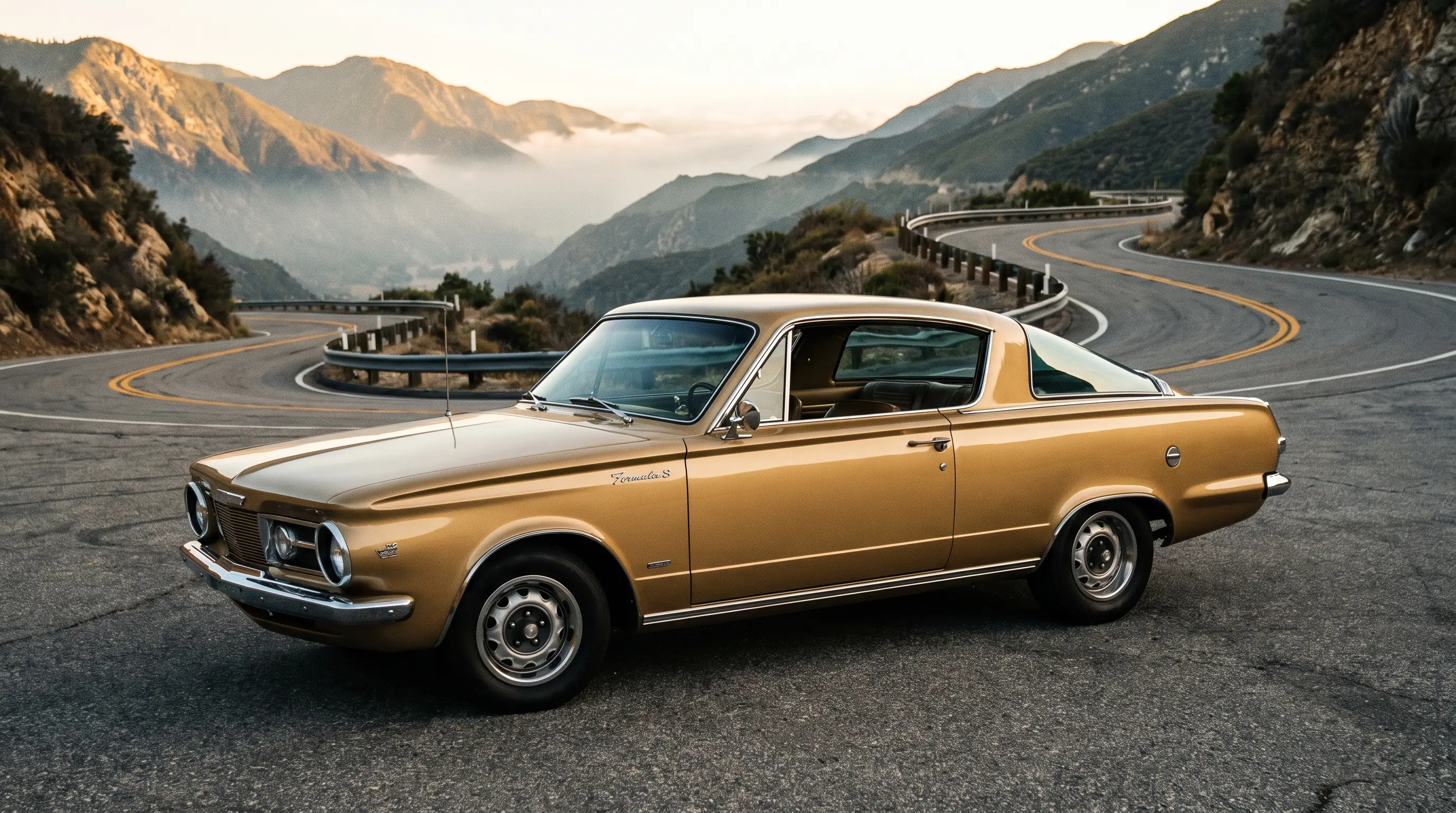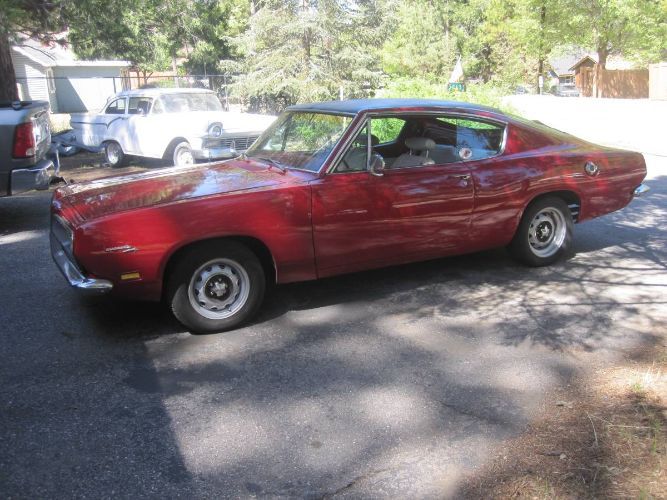
The Formula S disappeared as a name after the 1969 model year, replaced by a whole new generation of Barracuda that did not need a suspension package option to prove it could handle a corner, because the entire car had been redesigned around that idea from the start. That is not the Formula S getting forgotten. That is the Formula S doing its job well enough that Plymouth built its lessons straight into the next car instead of selling them as an extra.
What the Formula S actually proved
Before the Formula S, the Barracuda was a Valiant with better glass and a fold down rear seat, a practical car that happened to look sporty from certain angles. The Formula S proved something Plymouth needed data on, that buyers would pay extra for real suspension work, not just a bigger engine, and that a proper handling package sold well enough to justify the tooling and parts investment. That is not a small thing to establish in a corporate product planning meeting. Every performance option Plymouth built into later Barracudas, and a fair amount of what showed up across the Chrysler lineup more broadly, owes something to the Formula S proving the concept worked in the showroom, not just on paper.
I have rebuilt enough Formula S suspensions over the years to know the parts were not fancy. Stiffer springs, a bigger front bar, better shocks, wider tires. None of that was exotic engineering. What mattered is that Plymouth bundled it together as a coherent package instead of scattering the pieces across a dozen separate options nobody would think to combine on their own.
The 1970 handoff
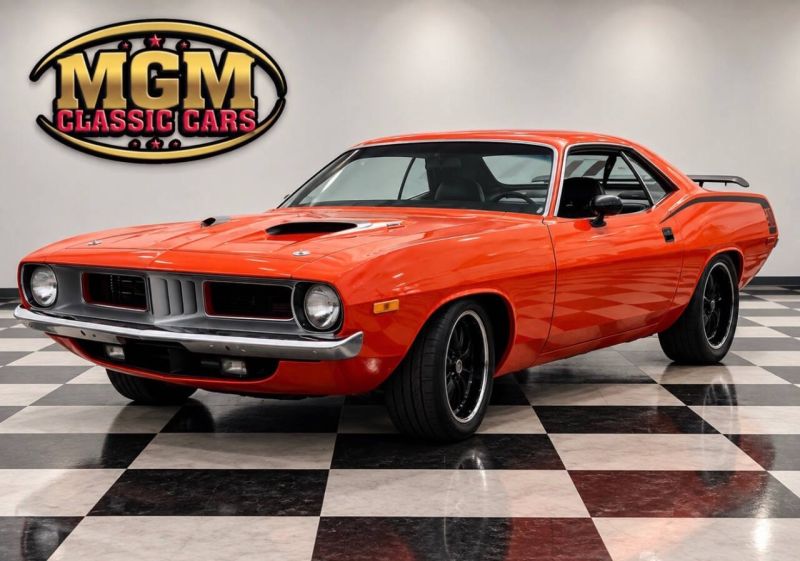
When the third generation Barracuda arrived for 1970 on Chrysler's new E body platform, Plymouth dropped the Formula S name entirely in favor of the 'Cuda designation for its performance oriented cars. That was not a demotion. The new platform was wider, lower, and built from the ground up around performance handling in a way the old Valiant based chassis never fully allowed. The Formula S had been Plymouth's best effort at making a compact platform handle like something more serious. The E body Barracuda did not need that effort anymore because the base engineering had caught up.
I think that gets lost sometimes when people talk about the Formula S like it was simply discontinued and forgotten. It was retired because its job was finished. The car that came after did not need a bolt on suspension package to compete, because the whole chassis had been engineered around the same goals from day one.
What survives in the hobby today
Working on these cars now, decades later, the Formula S parts are still some of the most requested pieces among Barracuda owners, and not just from people restoring an original Formula S. Plenty of base Barracuda owners chase down the same heavy duty springs, shocks, and sway bars to improve how their own cars drive, which tells you the suspension engineering held up on its own merits, independent of the badge attached to it. That is a decent measure of whether a performance package actually did something real or just looked good on a window sticker.
"You know a suspension package actually worked when people are still chasing the parts fifty years later, not because the badge is worth something, but because the car handles better with them installed. That's the real legacy, not the name on the fender."
- Mike Sullivan
Lessons that traveled beyond Plymouth
It is also worth noting the Formula S did not just influence what came next inside Plymouth's own lineup. Chrysler's broader product planning across the late 1960s clearly absorbed the same lesson the Formula S had proven, that a dedicated, well marketed suspension and handling package could sell on its own merits alongside a straightforward engine upgrade. You can see that thinking echoed in how other Mopar performance trims of the era were bundled and marketed in the years that followed, engine and chassis sold together as a coherent story rather than as separate line items a buyer had to assemble themselves. None of that happens in isolation, and a lot of it traces back to a mid size fastback proving the concept worked with modest, unglamorous hardware rather than a flagship engine everyone already expected to sell on name alone.
Reading the legacy correctly
our complete history of the Formula S covers the model year details in full, but the short version for anyone working on these cars today is this. The Formula S was not a marketing gimmick that got quietly dropped when it stopped being useful. It was a proof of concept that worked well enough Plymouth built its lessons into the next generation of car instead of continuing to sell them as a separate option. That is a better outcome for an engineering program than most badge names in this era ever got, and it is why the Formula S name still carries real weight with collectors and shops alike, long after the last one left the factory.
Where that leaves buyers now
If the legacy of the Formula S interests you more than a specific model year, it is worth remembering that the parts and the engineering philosophy behind them outlasted the name itself. Anyone shopping around should browse classic Barracuda listings with an eye toward how a given car actually drives and what suspension work it carries, Formula S badge or not, because the real legacy of this option was never really about the name. It was about proving a compact car could be engineered to handle properly, and that lesson stuck around a lot longer than the badge did.
What I look for when a customer wants that legacy preserved
Customers occasionally bring me a Formula S specifically because they want the car to drive the way it did when it left the factory, not modernized, not stiffened up with parts that were never original to it. That is a legitimate and, frankly, respectable goal, but it requires resisting the urge to over correct. A properly restored Formula S suspension will still ride firmer than a base Barracuda, but it was never meant to feel like a modern sport sedan, and pushing spring rates or bushing durometer past factory spec in the name of improvement actually erases the exact character that made the package notable in period road tests. The best restorations I have done on these cars stuck as close to original spring rates and bushing compounds as parts availability allowed, because the goal was recreating what those magazine testers actually drove, not building something faster that happens to wear the same badge.