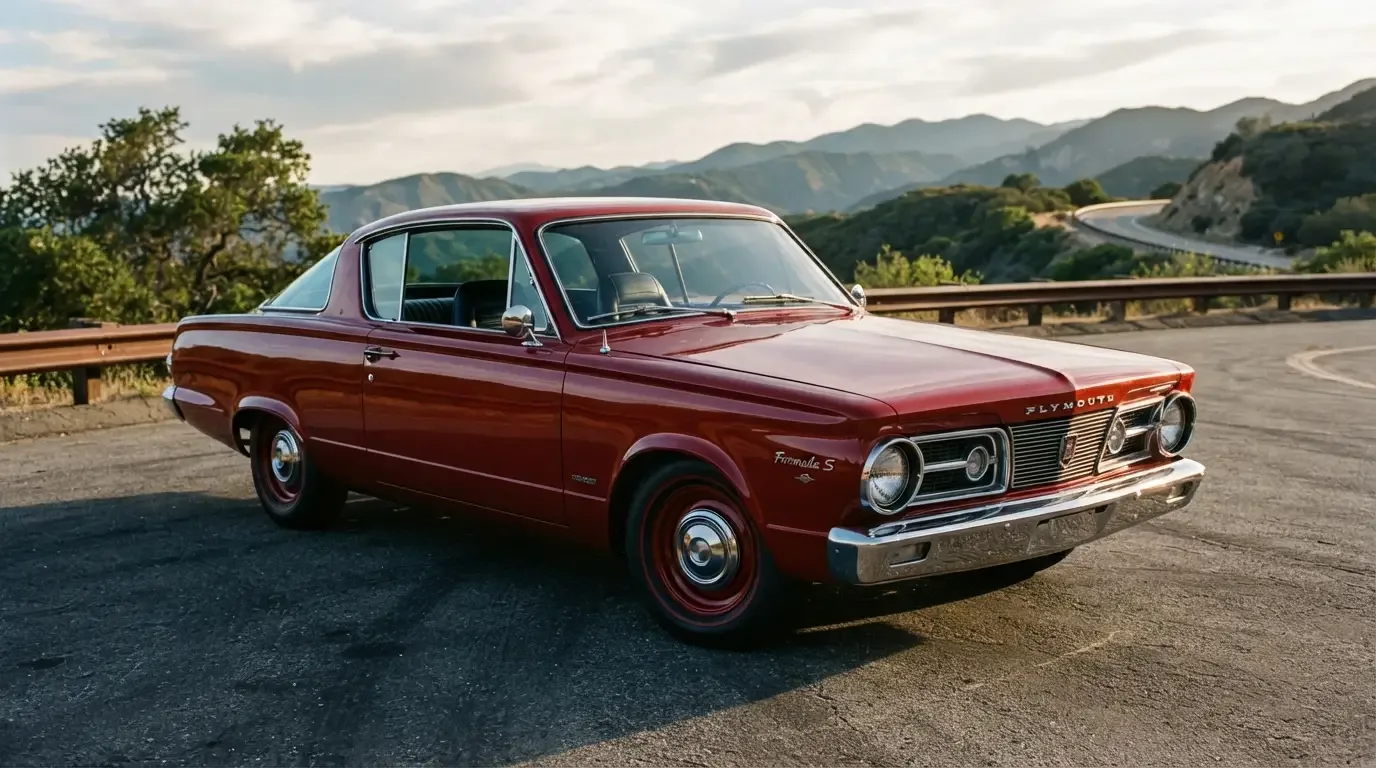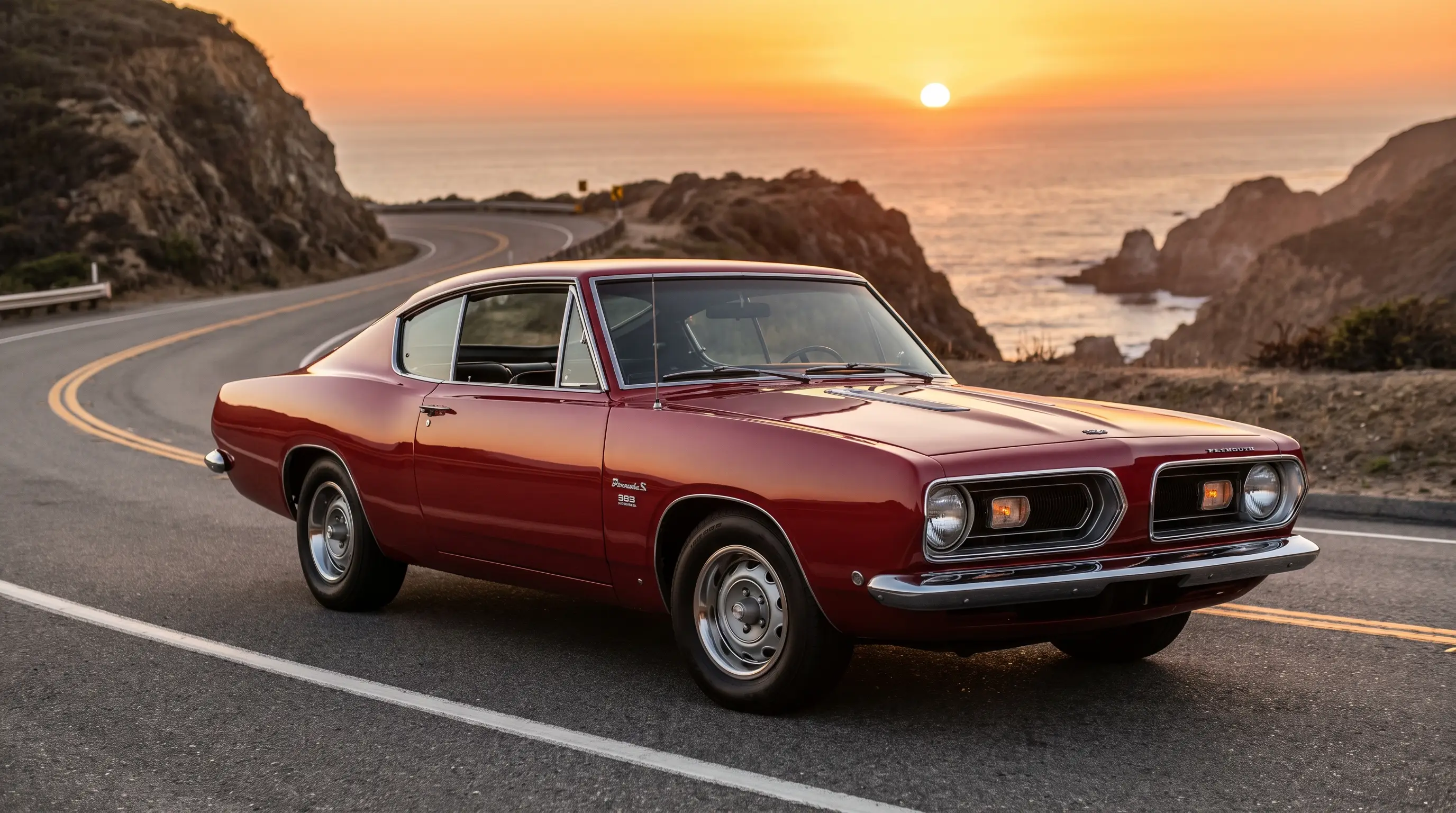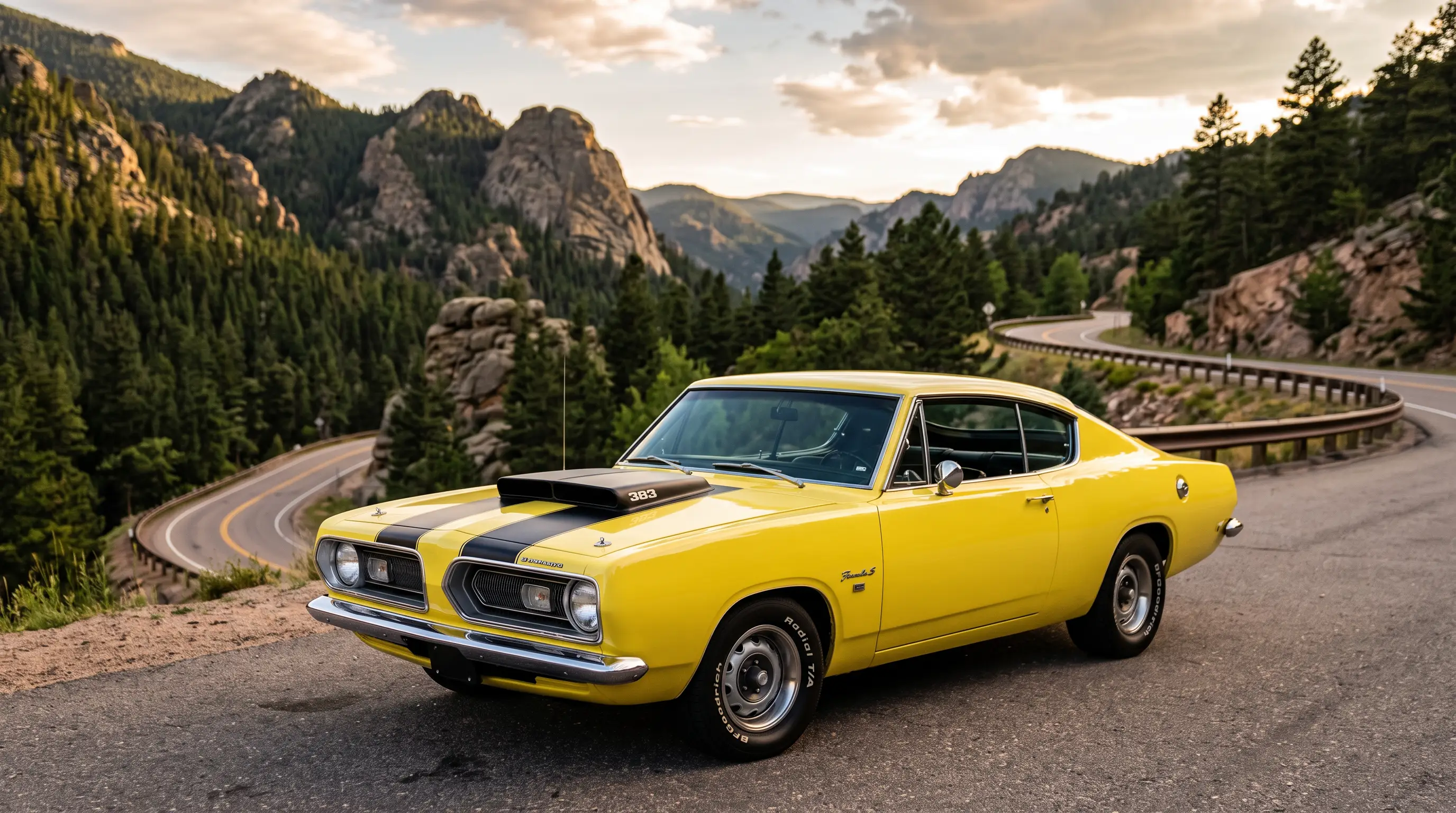
Every club I have ever belonged to has at least one member who insists the Formula S handling package is the reason to own one of these cars, full stop, engine choice be damned. I used to think that was an exaggeration until I actually drove a properly sorted Formula S next to a standard Barracuda back to back at a regional event years ago. The difference was not subtle. The formula s handling package changed how the whole car behaved, and it did it with parts that sound almost too simple to matter this much.
What was actually in the box
The handling side of the Formula S option was never flashy. Heavier torsion bars up front replaced the standard Barracuda units, firmer shock valving went in all around, and a front sway bar was added to a car that in standard trim did not have one at all. Wider wheels and tires rounded out the mechanical changes, giving the car a genuinely wider contact patch than a standard Barracuda rolled off the line with.
None of that reads like much on paper next to a big engine swap. But suspension tuning done right rarely announces itself with a big number the way an engine spec sheet does. It shows up in how the car actually behaves the first time you push it into a corner faster than you probably should, and that is exactly where the Formula S package earned its reputation among people who actually drove these cars rather than just admired them in a parking lot.
I remember explaining this to a newer club member who had just bought a standard Barracuda and was disappointed with how it felt compared to a Formula S he had test driven at a swap meet the month before. He assumed the difference had to be the engine. It took some convincing before he accepted that a lot of what he felt through the wheel had nothing to do with horsepower at all, and everything to do with a sway bar his car simply did not have.
Why club members still argue about which year did it best
I have sat through more debates than I can count about whether the original 1965 handling package, tuned around the lighter Commando 273 engine, actually worked better than what Plymouth offered once bigger engines came into the picture. My honest opinion, and I know not everyone in the club agrees, is that the earlier cars had an advantage simply because the suspension changes were designed around a lighter engine up front. Once the 383 arrived a couple years later, the same basic suspension philosophy had to work against considerably more weight over the front wheels, and something had to give.
That does not mean the later cars handled poorly. It means the character changed, and club members who have owned both generations tend to describe the difference in similar terms: the small-block cars feel eager to change direction, while the big-block cars feel like they need to be muscled through the same maneuver. Neither is wrong. They are just different answers to the same engineering question Plymouth kept asking year after year.
What the package meant for everyday driving
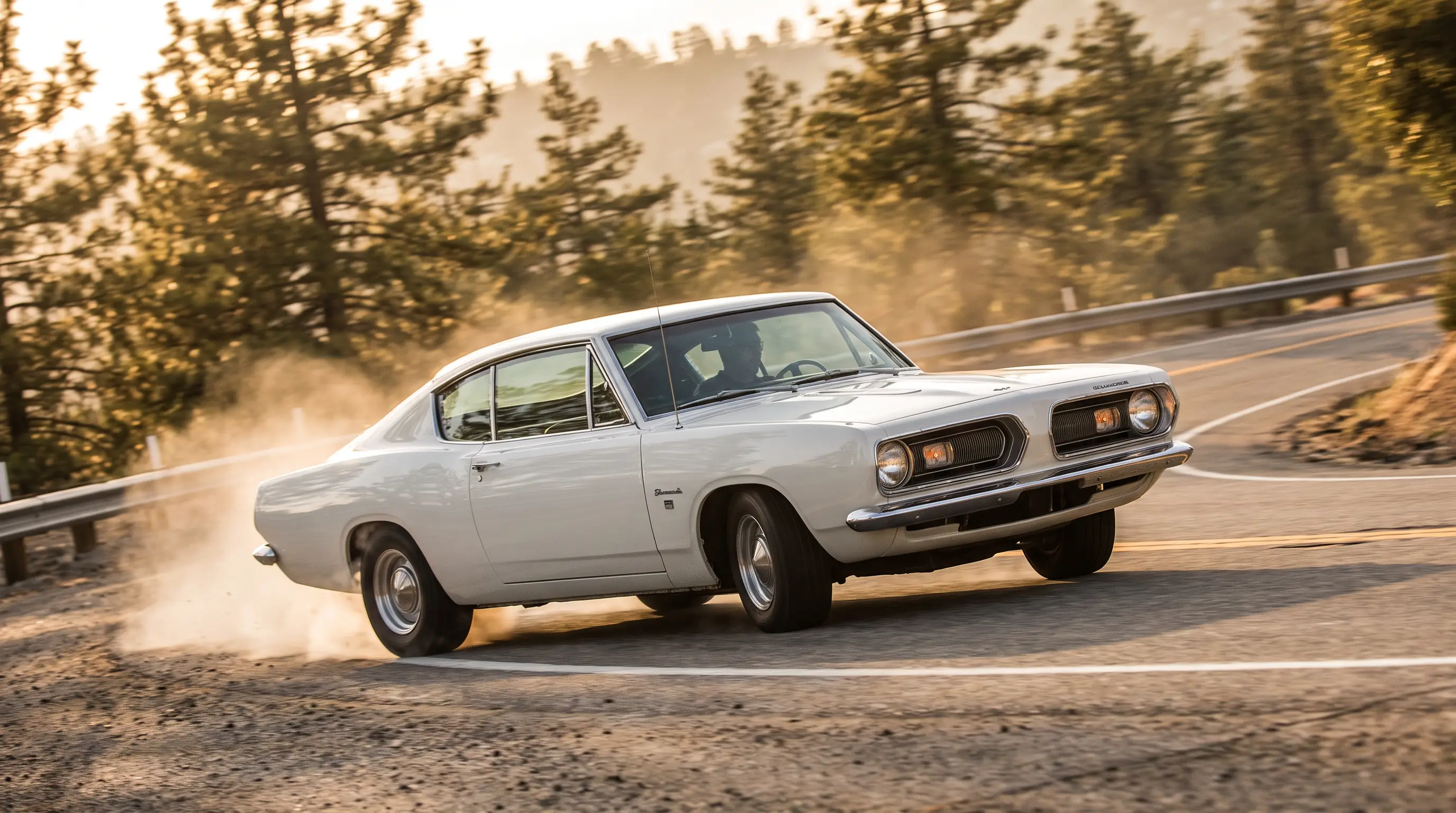
A lot of muscle car options from this era existed mostly to look good at a stoplight. The handling package was not one of them. Owners who actually used these cars the way Plymouth intended, on real roads with real corners rather than just straight lines, consistently reported that the firmer suspension and the added sway bar made the car feel composed in situations where a standard Barracuda would have felt distinctly nervous.
That practical difference is part of why the option built such a loyal following within the club community specifically, as opposed to just among people chasing the biggest engine number for bragging rights. A car that actually does what its badge promises earns a different kind of respect than one that only looks the part, and generations of club members have kept that distinction alive in how they talk about these cars at shows and meets.
I have owned three Barracudas over the years, only one of them a genuine Formula S, and that one is still the car I reach for first when a back road tempts me on a weekend. It is not the fastest of the three in a straight line. It is simply the one that trusts me to push it a little harder into a corner, and that trust came from a torsion bar and a sway bar, not from anything under the hood.
"Anybody can bolt on a bigger engine. Getting a whole chassis to work together the way Plymouth did with this handling package takes actual engineering, and that is why club members still argue about it sixty years later."
- Wayne Coburn
Finding a car with the package intact
The trouble with a suspension based option, as opposed to a visually obvious stripe kit or badge, is that it disappears quietly if a car changes hands enough times without anyone documenting what is actually underneath. Torsion bars get swapped for generic replacements during routine maintenance. Sway bars get removed by owners chasing a different ride quality and never get put back. Original Formula S suspension hardware is not always as easy to verify as the engine option that usually gets the bulk of attention.
Club members researching a potential purchase should ask specifically about the suspension components, not just the engine, since a genuine Formula S with the handling package intact rides and drives differently than one that has quietly lost its original hardware over the decades. For the fuller story on how this option started and evolved across engine choices, where this started covers the complete history behind this specific package.
Why it still matters to buyers today
Plenty of buyers shopping for a classic Barracuda focus entirely on the engine bay and never ask about the suspension underneath, which is a mistake given how central the handling package was to the entire Formula S concept from the very beginning. A car with the correct engine but a compromised or replaced suspension setup is only telling half the story Plymouth originally built into these cars.
If you are serious about finding a Formula S that actually delivers what the badge has always promised, you can look at classic Barracuda for sale and ask sellers directly about the suspension components before assuming the engine bay tells you everything you need to know. The car that trusts you into a corner is worth more than the one that only sounds good doing it.