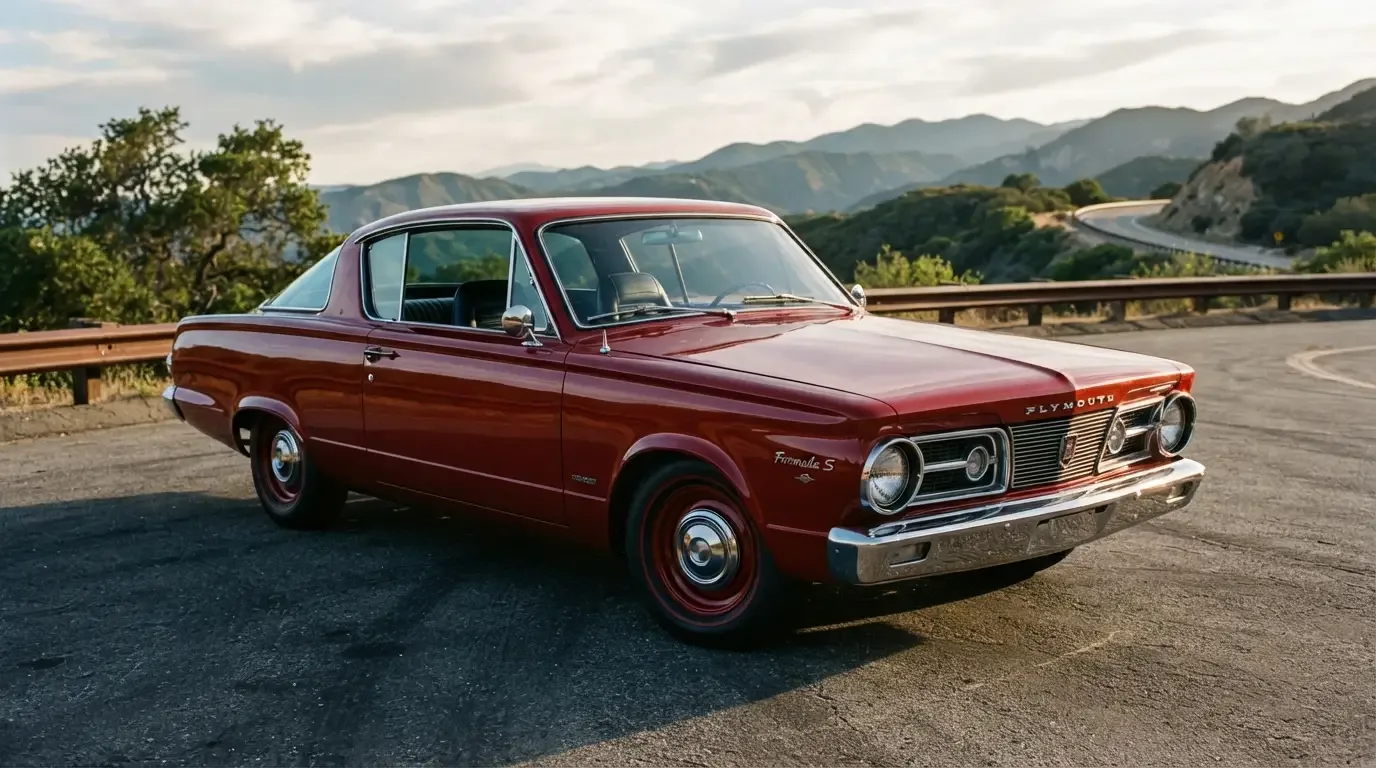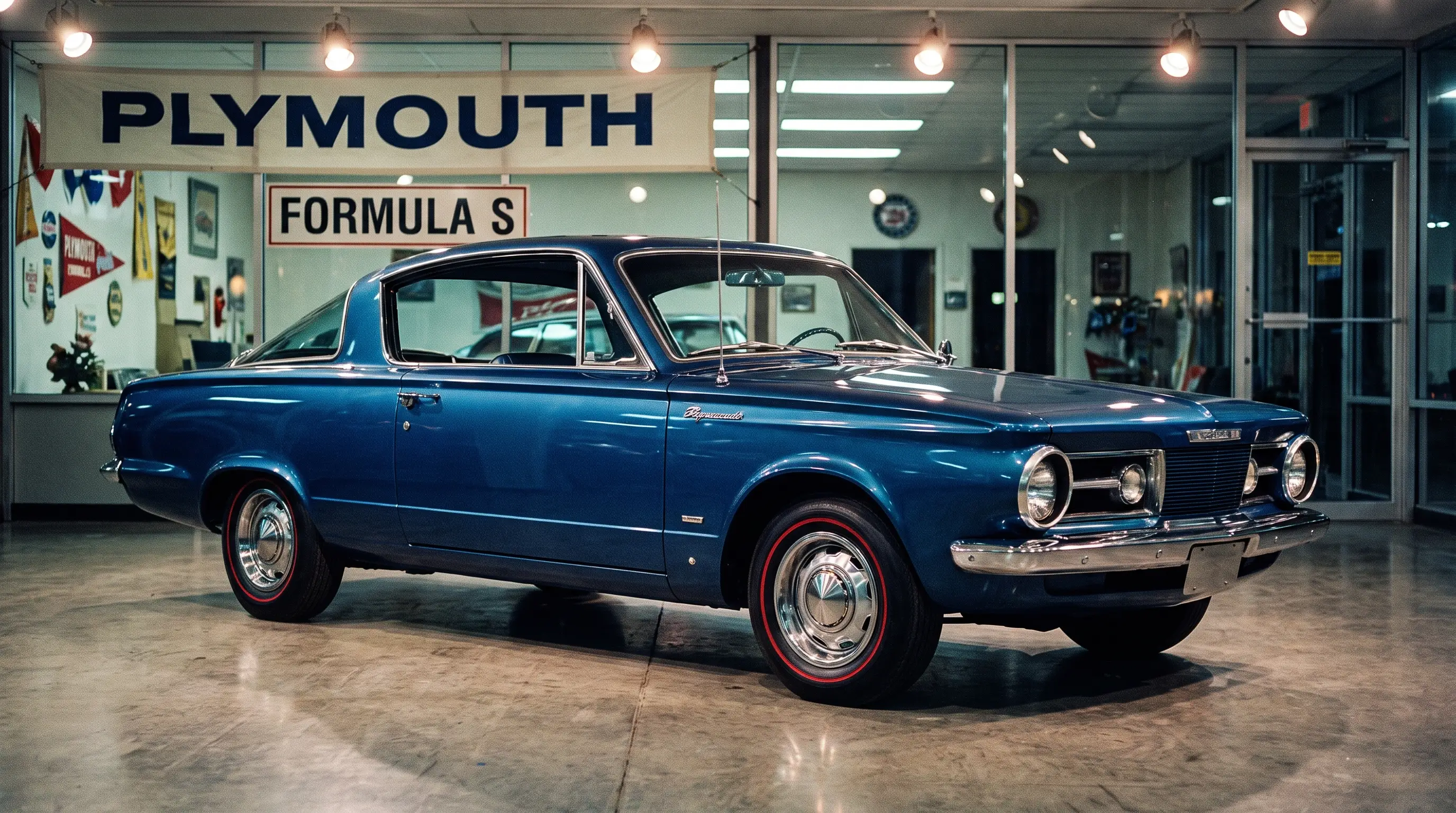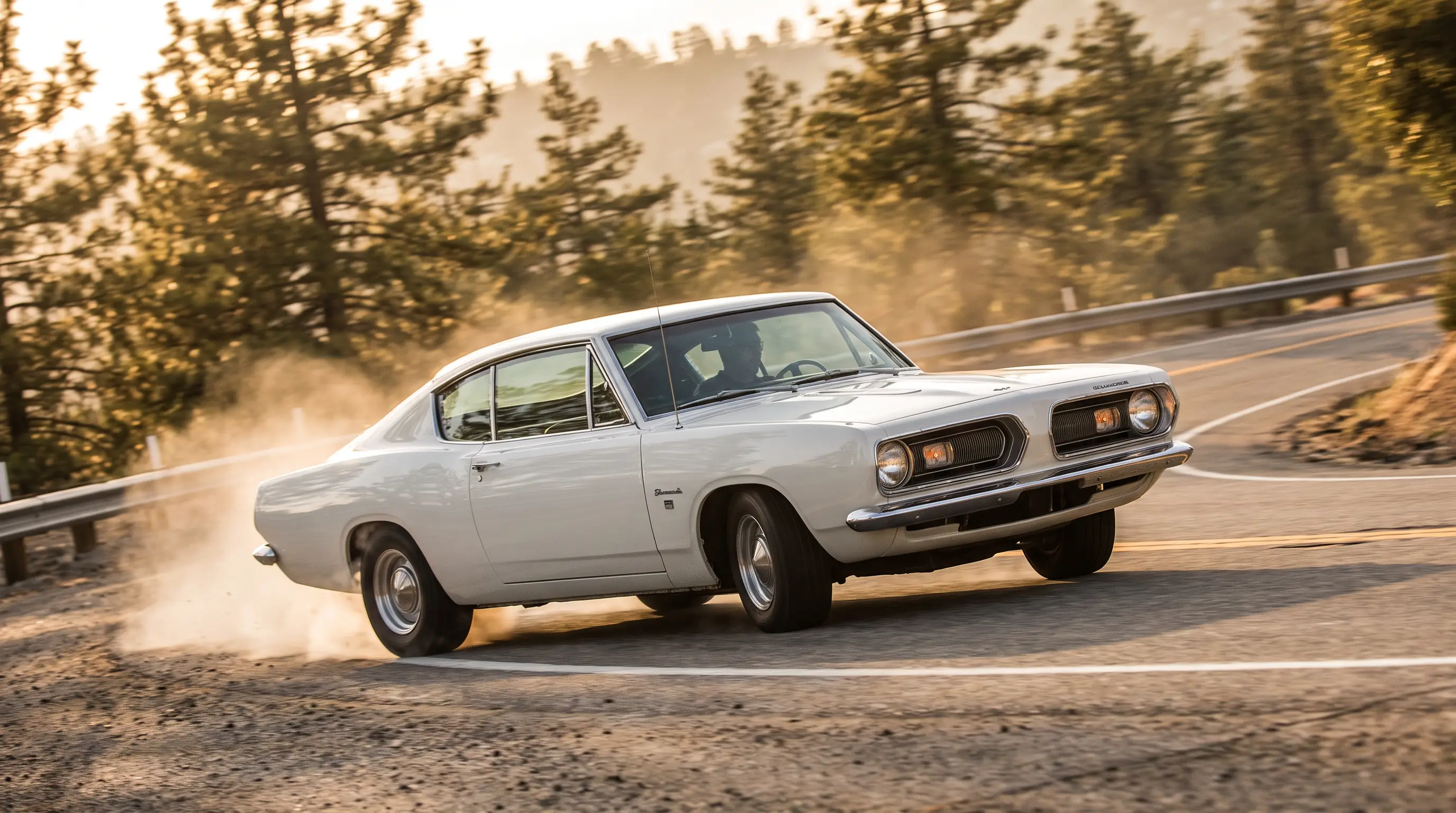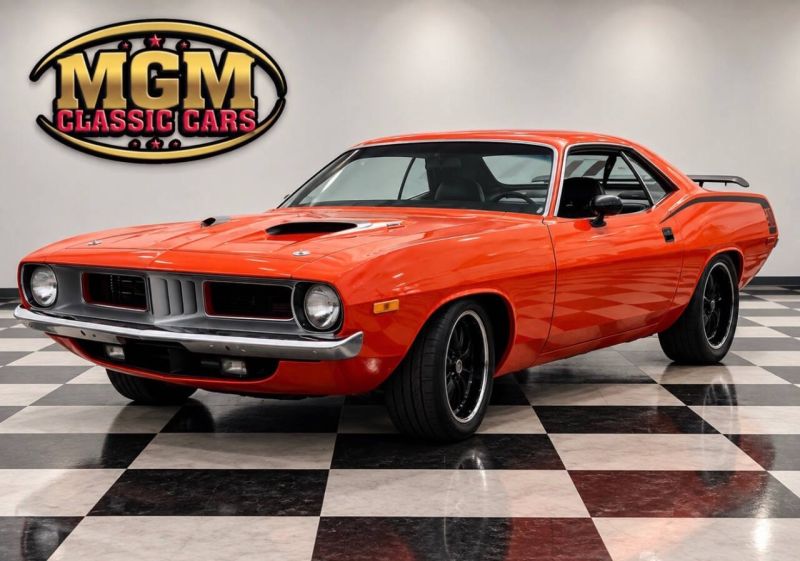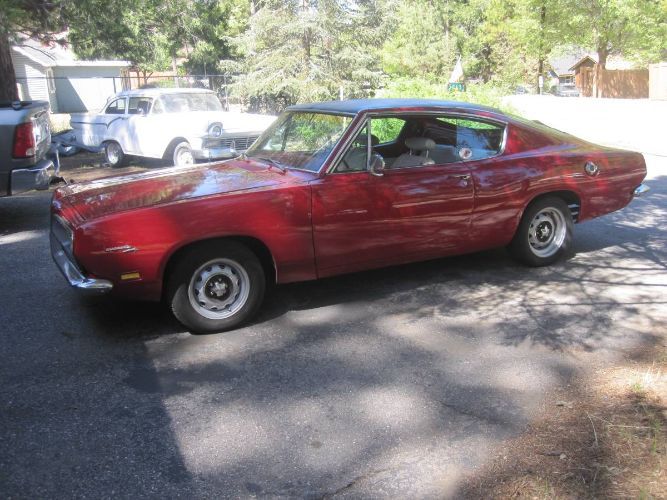
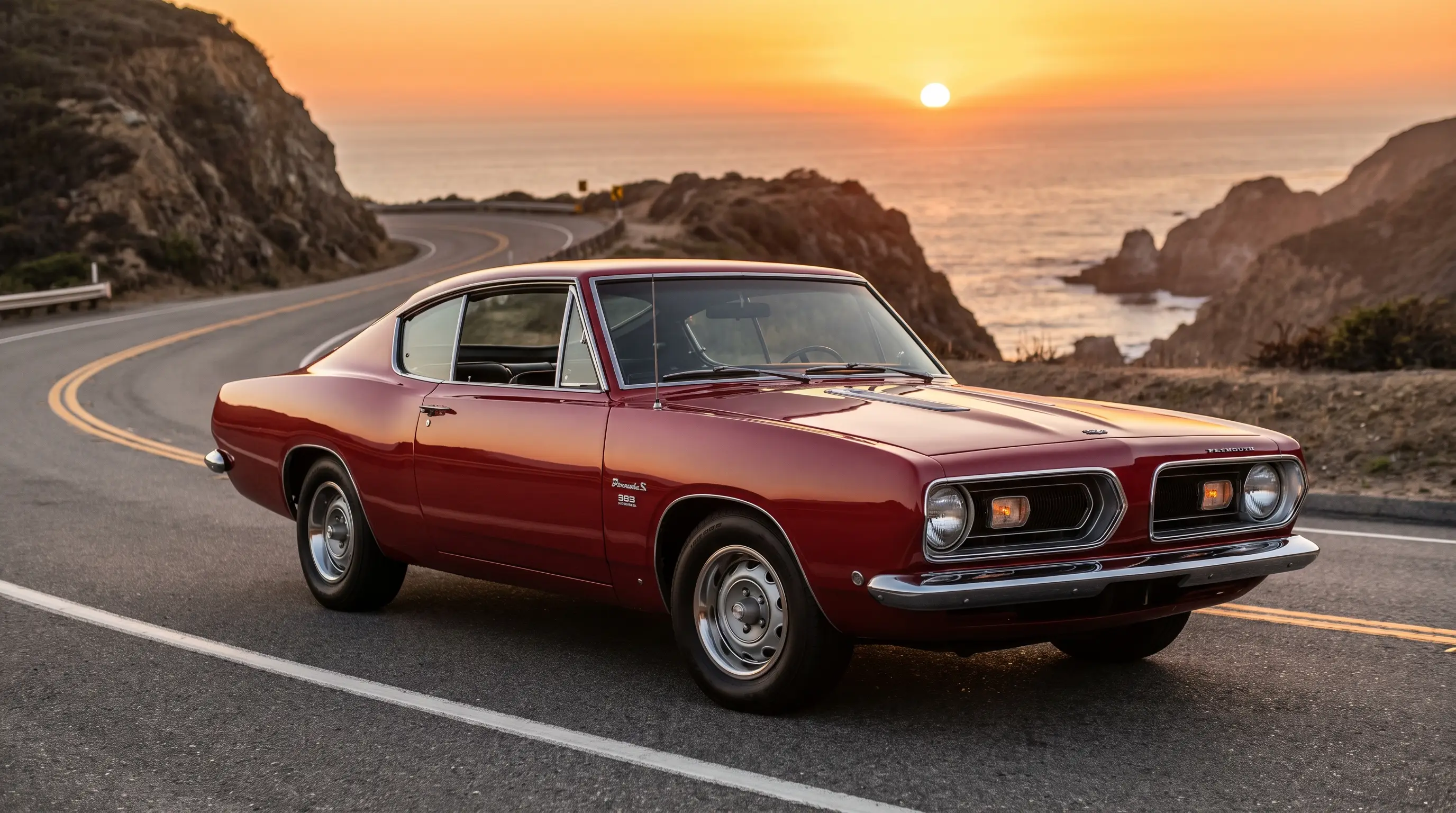
The 1967 model year marks a genuine turning point in the Formula S story, the moment Plymouth's engineers replaced the original Commando 273 small-block with the 383 cubic inch big-block as the option's top engine choice. Anyone researching a 1967 formula s barracuda needs to understand this specific change before evaluating a car, because the engineering compromises that came with the bigger displacement engine shaped the model in ways that distinguish it clearly from both earlier and later Formula S years.
A redesigned body with a bigger engine option
Plymouth restyled the Barracuda for 1967, moving away from the compact Valiant based platform's earlier proportions toward a longer, wider body that offered more room under the hood, room the factory promptly filled with a larger engine. The 383 became available within the Formula S package for the first time this year, a substantial jump from the 273 that had defined the option since its 1965 introduction and documented in detail through more on the barracuda formula s.
Factory literature from 1967 lists the 383 at 280 horsepower, a meaningfully higher output than the small-block it replaced as the top option, though period sources vary slightly depending on test conditions. What is well documented is that the bigger engine required real physical accommodation, since the original Barracuda platform had not been engineered around a big-block from the outset the way some competitors' platforms had been.
The redesigned body helped, providing enough additional width in the engine bay to physically accept the 383 where the earlier body would have made the fit considerably tighter. Even with that additional room, Plymouth's engineers were working within a compact car derived platform rather than a purpose built performance chassis, and the compromises that resulted were a direct consequence of that underlying architecture rather than a simple oversight.
The steering compromise that defined the car
The engineering detail that concours judges and researchers focus on most closely with 1967 big-block Formula S cars concerns power steering. The 383's physical size and the additional front weight it brought created packaging constraints tight enough that power steering was not available in combination with the biggest engine option in that first year, forcing buyers who wanted the 383 to live with manual steering on a considerably nose heavy car.
That is not a minor footnote. It fundamentally shaped how the 1967 big-block Formula S drove compared to both the small-block Formula S cars that preceded it and later Formula S years where Plymouth resolved the packaging conflict. Original owners and period reviewers noted the tradeoff directly, and it remains one of the most discussed engineering details among researchers documenting this specific model year.
Contemporary road tests of the 383 Formula S consistently mention the added heft over the front wheels and the effort required to turn the wheel at low speeds, particularly during parking maneuvers, a criticism rarely leveled at the small-block Formula S cars that came before. Reviewers generally still rated the straight line performance gains as worthwhile, but few described the handling balance as an improvement over the earlier, lighter engined cars, which lines up with what the physical weight distribution numbers would predict.
Verifying authenticity on this specific model year
Because the 1967 model year introduced genuinely new engineering rather than a simple carryover of the previous package, authentication work requires close attention to what combinations Plymouth's factory paperwork actually supports. A car presented as an original 383 Formula S with power steering warrants particularly careful scrutiny given the documented packaging constraint that year.
Broadcast sheets and Chrysler's build records remain the primary tools for this kind of verification, supplemented by careful physical inspection of components that would have been affected by the steering and weight distribution compromise, including front suspension components and the steering linkage itself. Concours level documentation on this model year carries real weight precisely because the engineering story is specific enough that inconsistencies are identifiable to a trained eye.
Judges evaluating a 1967 Formula S for concours purposes typically cross reference the steering box part number against what the factory specification supports for that engine combination, since a mismatched component is one of the clearer signs that a car has either been modified after the fact or was never configured the way it is being presented.
| Detail | 1967 Formula S specification |
|---|---|
| Top engine option | 383 cubic inch V8 (first year offered) |
| Power steering with 383 | Not available due to packaging constraints |
| Body | Redesigned platform, longer and wider than 1964-1966 |
| Prior top engine | Commando 273 small-block |
Why this year gets treated as its own category
Researchers and judges tend to treat the 1967 big-block Formula S as its own distinct category rather than lumping it in with either the earlier small-block cars or the later years once Plymouth addressed the steering limitation. The specific combination of a new body, a new top engine option, and a genuine engineering constraint that shaped how the car actually drove makes this model year historically significant beyond simply being a step between two better resolved versions of the same option.
That significance connects the 1967 car back to the option's origins as well, since the fundamental question the Formula S was always answering, how much performance a Barracuda chassis could reasonably handle, gets a particularly interesting answer in this specific year. For the full context on how the option started and what it was originally designed to do, where this started covers the model's broader history beyond just the Formula S option.
"The 1967 big-block car is not a compromise you can wave away with a footnote. It is a documented engineering decision, and it is exactly the kind of detail that separates careful research from guesswork."
- Sarah Whitfield
What buyers should expect to verify
A prospective buyer researching this specific model year should expect to ask pointed questions rather than accept surface level presentation. Does the steering configuration match what the factory actually offered with this engine that year? Does the build documentation support the specific combination being presented? These are not questions that come up with equal urgency on every Formula S model year, but they are essential on this one given how narrowly the factory constrained what combinations were actually possible.
For those ready to evaluate a specific example against these standards, classic Barracudas on the market is a reasonable starting point, provided every claimed specification gets checked against the documented engineering realities of the 1967 model year before any decision gets made. A car that gets these details right rewards the effort of checking them, and a car that cannot answer these questions should be priced, or avoided, accordingly.