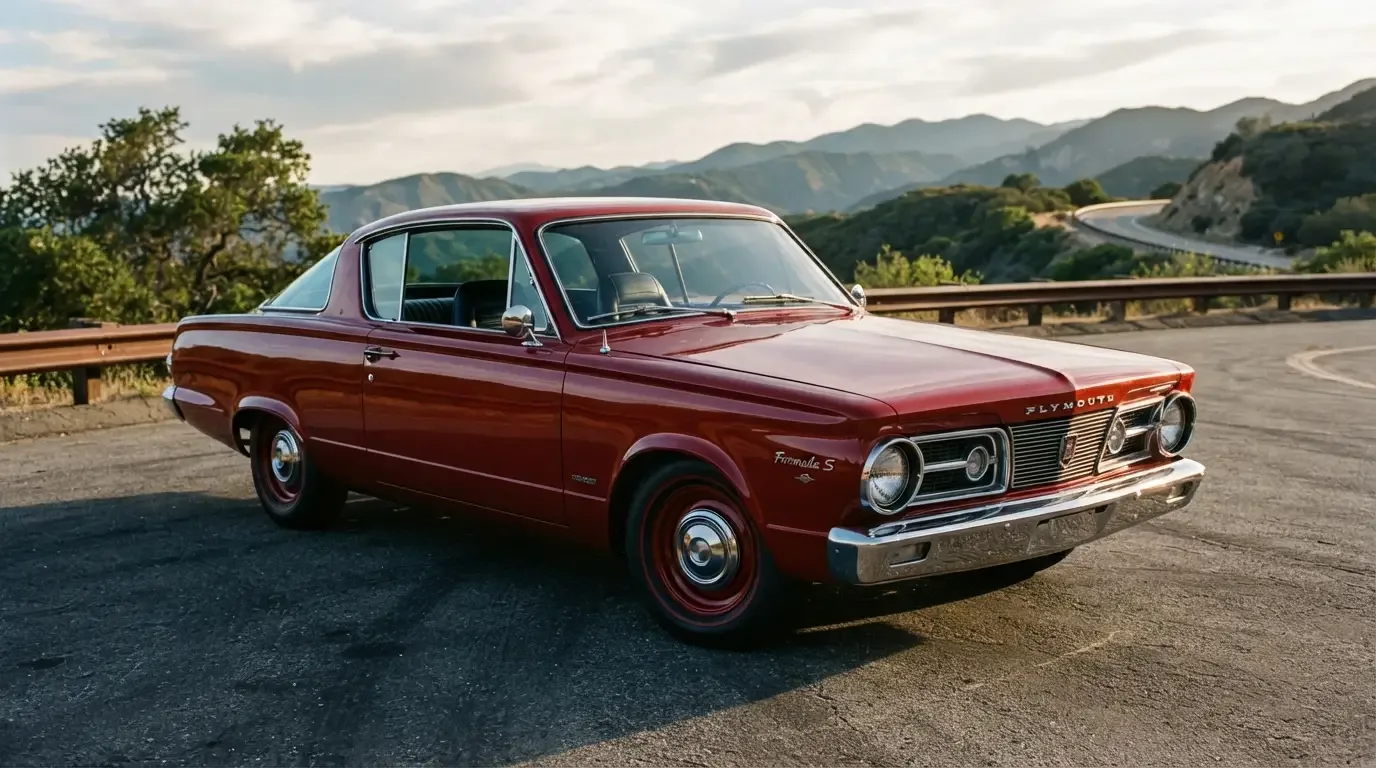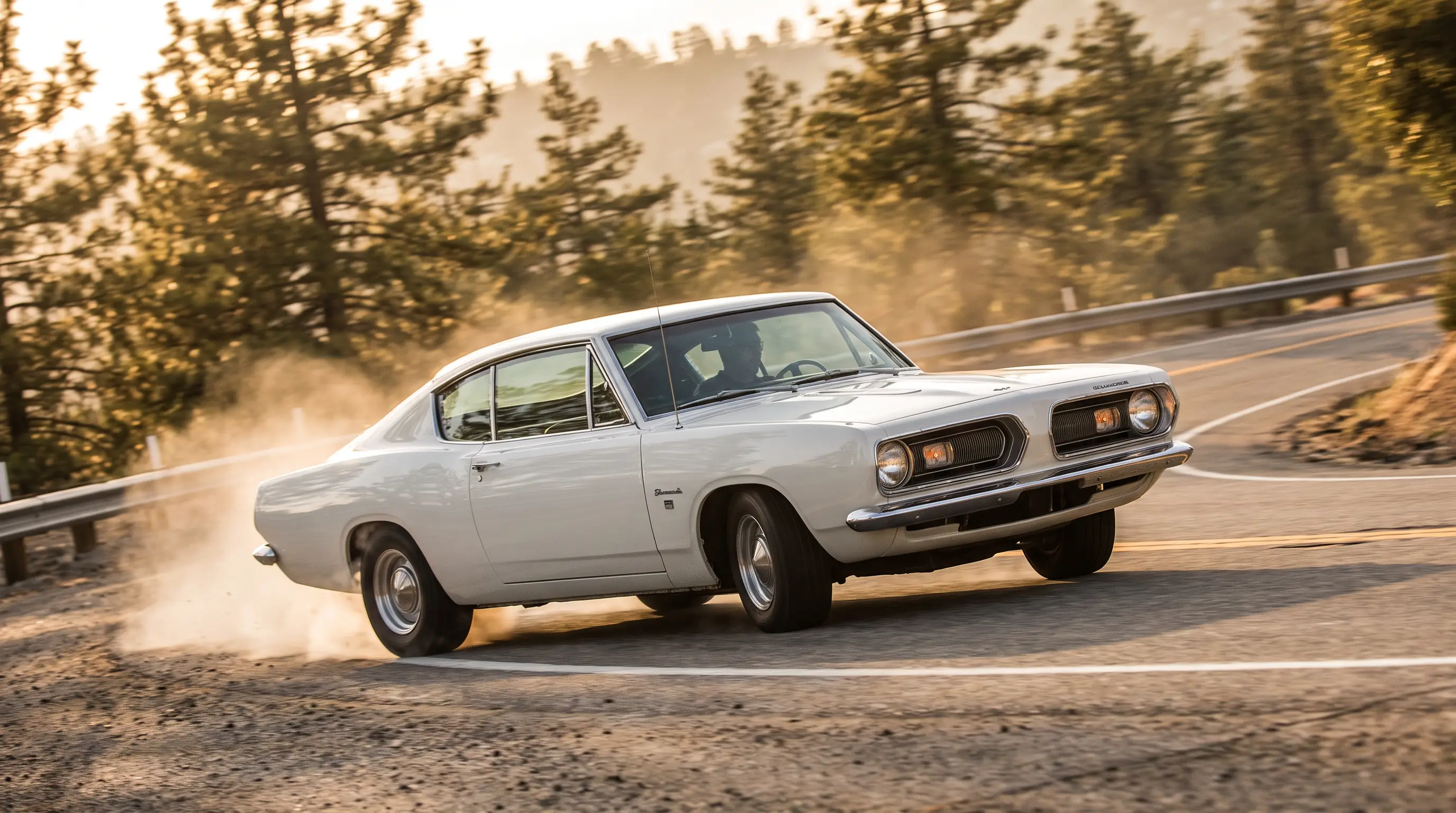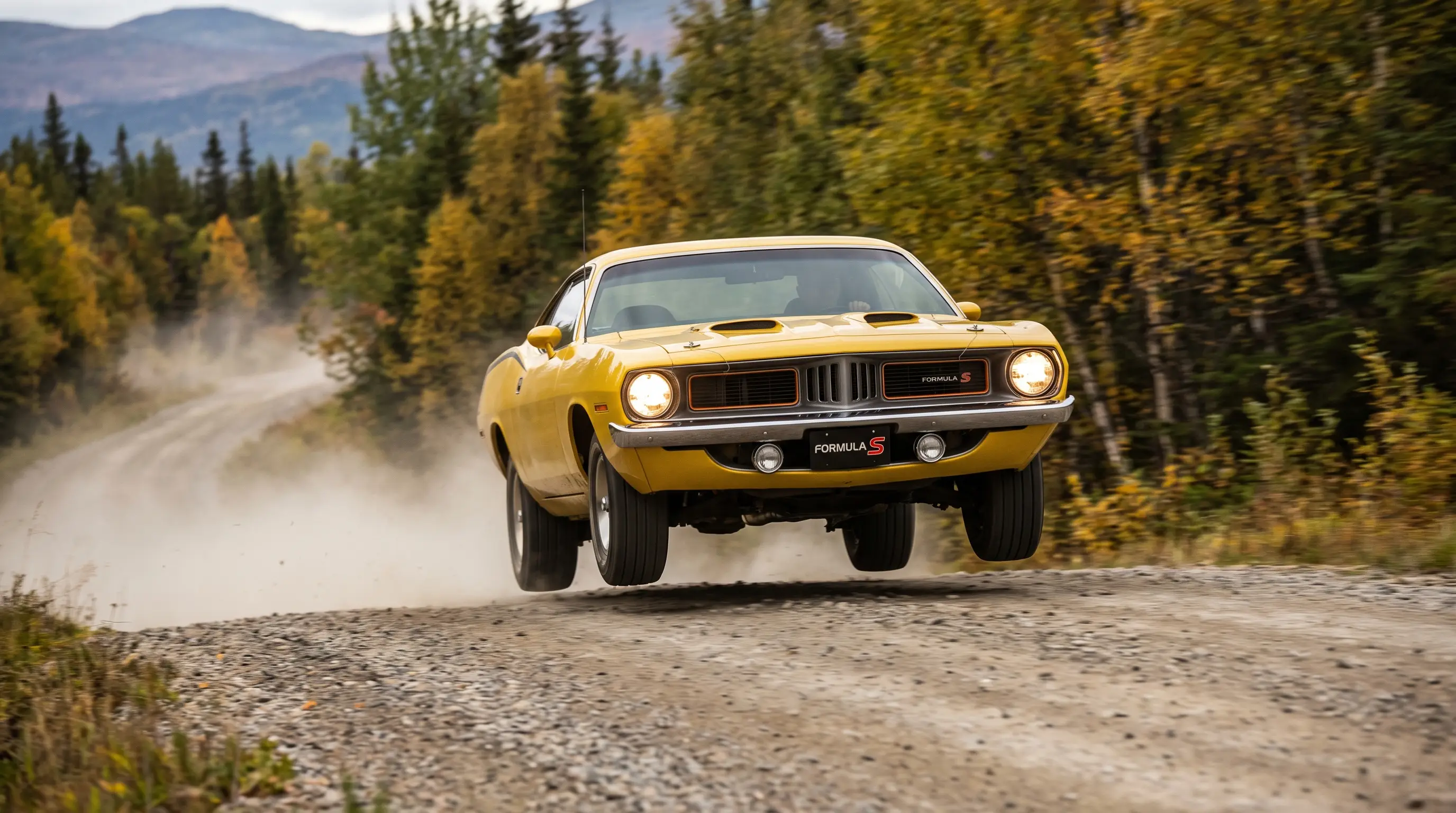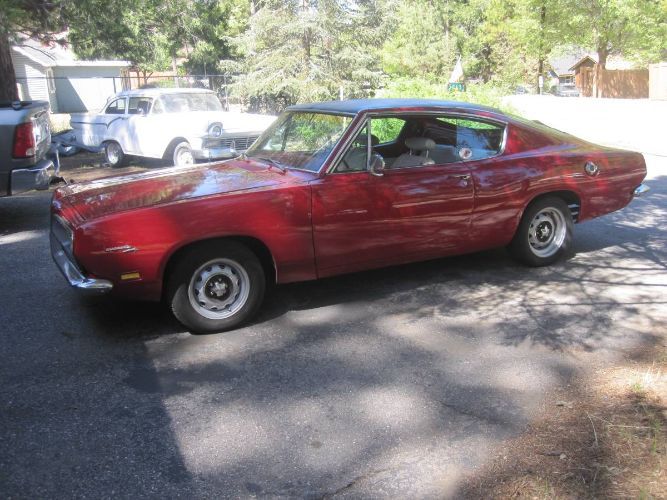
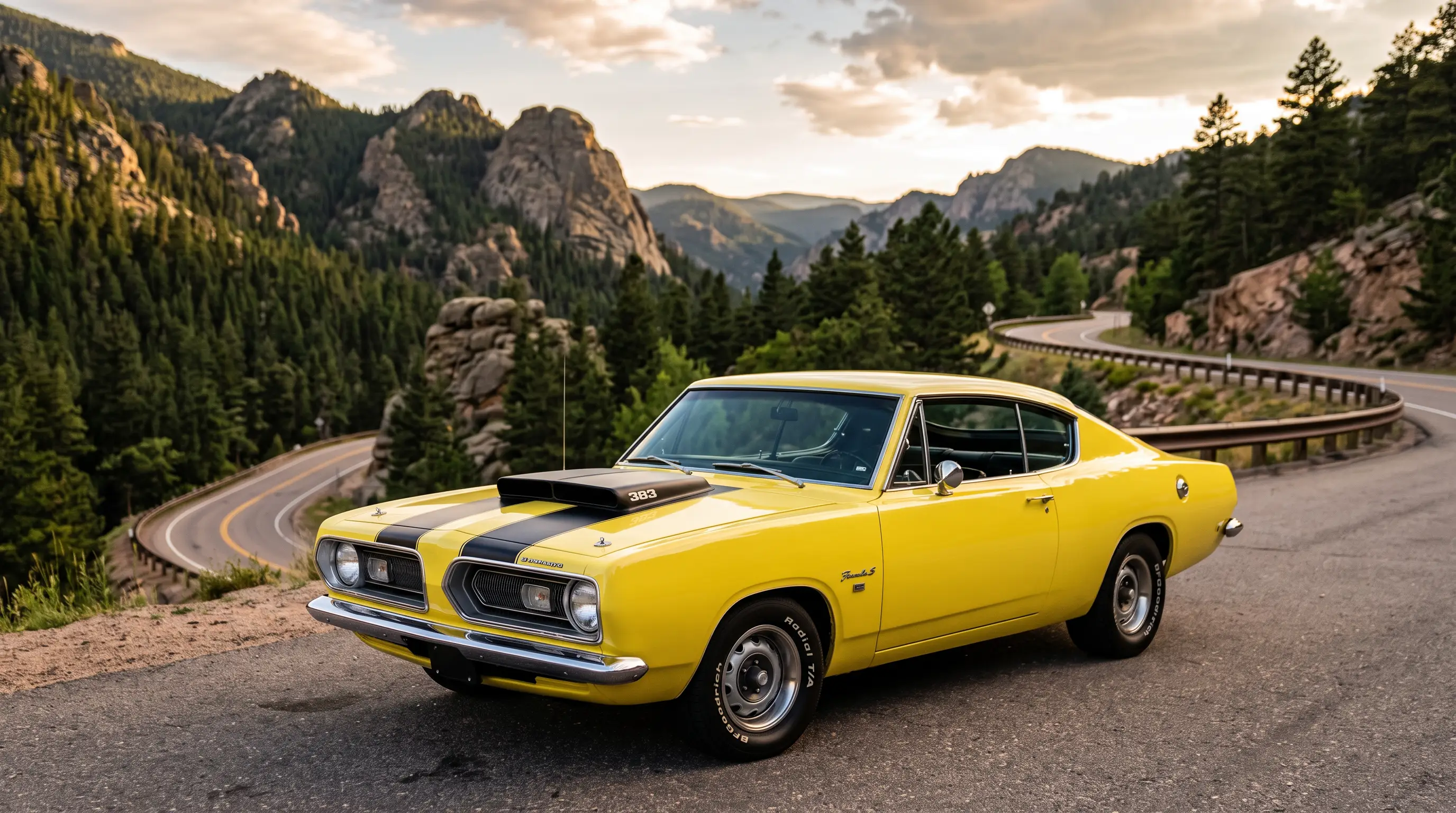
Every Plymouth Barracuda that rolled off the line in 1965 looked close enough to its stablemate that a lot of buyers never noticed the difference until they drove one. The base Barracuda was a Valiant in a fastback suit, a fine commuter car with a big glass hatch and not much else to brag about. The Formula S option was Plymouth admitting the base car needed help if it wanted to hang with a Mustang, and then actually doing something about it. I have put wrenches on both versions over the years, and the gap between them is bigger than the sales brochures let on.
What the base car actually gave you
Order a plain Barracuda in 1965 and the standard engine was a 225 cubic inch slant six, a good, honest motor that would run forever and impress nobody. A 273 cubic inch V8 was available as an option, rated around 180 horsepower with a two barrel carburetor. That engine was fine for grocery runs. It was not built for anything else. Suspension was standard Valiant tuning, soft enough for a comfortable ride and not much use if the road had a corner in it. Brakes, wheels, and tires were whatever kept the price down. Plymouth was selling a practical fastback, not a performance car, and the base Barracuda never pretended otherwise.
That is the car most people bought, because most people wanted cheap and reliable more than they wanted quick. Nothing wrong with that. But it is also why the base Barracuda rarely shows up at a cruise night with anyone bragging about it.
What Formula S added under the skin
The Formula S package, introduced partway through the 1965 model year, took that same 273 V8 and bumped it up with a four barrel carburetor, higher compression, a hotter camshaft, and dual exhaust, pushing output to a rated 235 horsepower. That is a real jump, not a decal job. Plymouth backed the engine work with heavy duty suspension, a larger front sway bar, stiffer springs and shocks, and wider 14 inch wheels wearing Goodyear Blue Streak tires. None of that shows up in a photo. All of it shows up the first time you push one into a corner.
I have had both cars on a lift side by side, and the difference in spring rates alone tells you which one Plymouth actually engineered for handling. The base car flexes and wallows. The Formula S sets and holds. That is not opinion, that is what the parts do.
Badges, gauges, and other tells
From ten feet away a lot of Formula S cars and base cars look alike, which is exactly the trap buyers still fall into at shows and swap meets. Formula S cars carry specific badging on the front fenders and rear, a rally instrument cluster with a real tachometer instead of an idiot light setup, and in most years a distinct set of wheels. Base cars got a speedometer and warning lights and called it done. If you are looking at a car somebody claims is a real Formula S, check for the tach first. A six cylinder or two barrel car with a tach bolted in later is a common shortcut, and it is not hard to spot once you know what the factory hole pattern and wiring should look like.
Why the difference matters for buyers now
None of this is ancient history that only matters to judges at a concours show. It matters to anyone shopping for a driver today. A numbers matching Formula S with the correct engine, suspension, and trim commands real money over a base car with a similar body style, and that gap has only grown as documentation gets taken more seriously. The full story on how Formula S came together covers the model year changes in more depth than I can fit here, but the short version is this: the base Barracuda was a competent economy fastback, and the Formula S was Plymouth's answer to the question of what happens if you actually try.
A base car is not a bad car. It is an honest, simple machine and plenty of them are still on the road doing exactly what they were built to do. But if someone tells you their base six cylinder Barracuda drives like a Formula S, they are either mistaken or hoping you do not know better. The suspension parts alone, springs, bars, and shocks, change how the car sits and how it responds, long before you get to the engine numbers.
"People want to believe badges are the whole story. Badges are the easy part to fake. What Plymouth actually bolted underneath is where the real Formula S shows up, and that's the part nobody thinks to check."
- Mike Sullivan
| Feature | Base Barracuda (1965) | Formula S (1965) |
|---|---|---|
| Standard engine | 225 slant six | 273 V8, four barrel |
| Approximate horsepower | 145 (six) / 180 (V8 option) | 235 |
| Suspension | Standard Valiant tuning | Heavy duty springs, shocks, sway bar |
| Wheels/tires | Standard steel wheels | 14 inch wheels, Goodyear Blue Streak |
| Instrumentation | Speedometer, warning lights | Rally cluster with tachometer |
Where the money actually went
People assume the Formula S premium at the dealer was mostly about the engine, and that is only half true. Plymouth priced the option as a package, and a good chunk of the added cost was tied up in parts that never show up in a spec sheet comparison. Heavier duty ball joints, a stiffer front sway bar mount, revised shock valving, none of that reads exciting in a brochure, and none of it was cheap to engineer and stock as separate line items. That is exactly why so few dealers ordered the pieces piecemeal. Buying the Formula S as a complete package was the only practical way most people ended up with the full set of upgrades, rather than picking and choosing individual heavy duty parts off an options list.
I bring this up because it explains something mechanics run into constantly. A base Barracuda with an aftermarket sway bar and some upgraded shocks bolted on later is not the same car as a factory Formula S, even if the parts numbers on the shelf look similar today. The factory tuning matched spring rates, bar diameter, and shock valving together as a set, and reproducing that balance with mismatched aftermarket parts rarely gets the geometry exactly right. It can get close. Close is not the same as correct.
The bottom line on shop time and value
If you are working on one of these cars or shopping for one, the base versus Formula S question is not academic. It changes what parts you order, what suspension geometry you are dealing with, and what the car is actually worth when it is time to sell. Anyone serious about the model should browse classic Barracuda listings and compare a handful of cars side by side before assuming all Barracudas from a given year are built the same way underneath. They are not, and the gap between a base car and a genuine Formula S is exactly the kind of thing a shop manual and a careful eye will tell you faster than any brochure ever will.