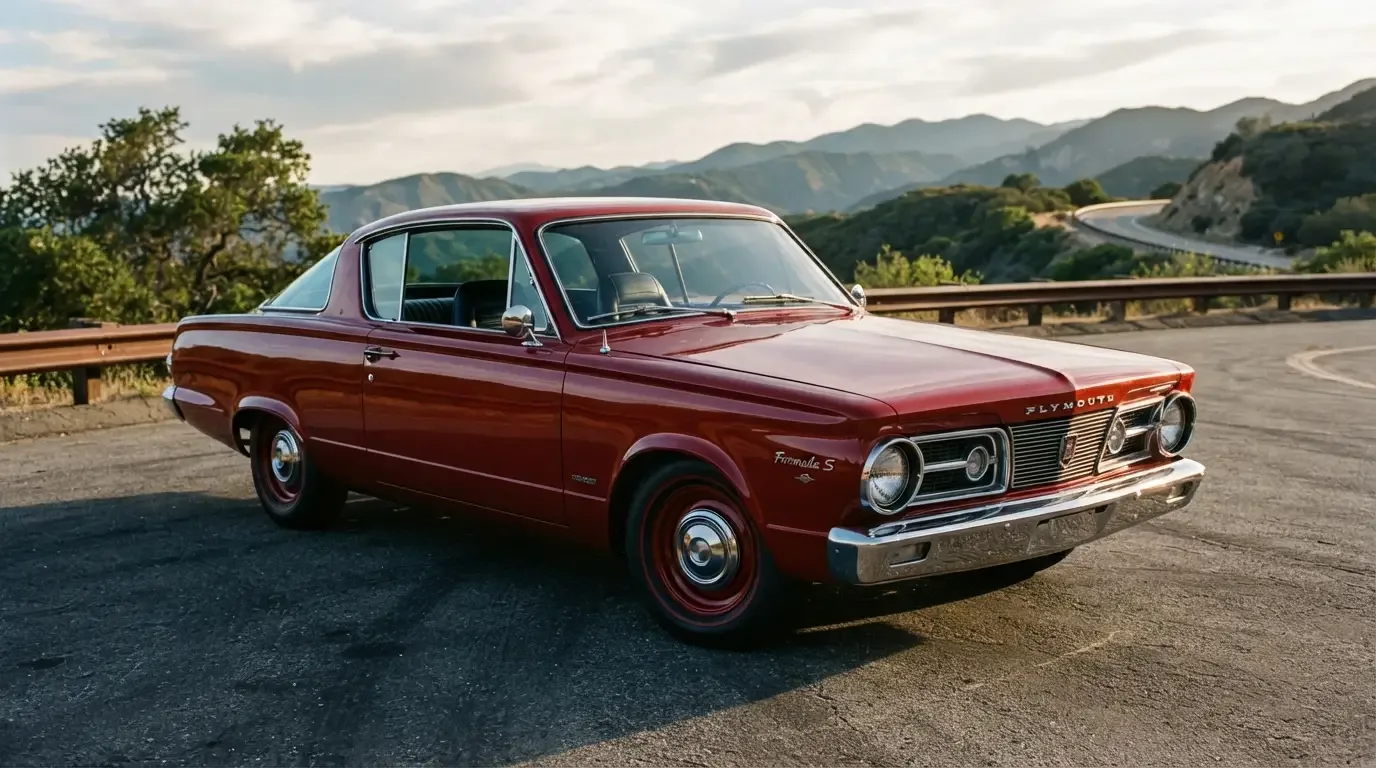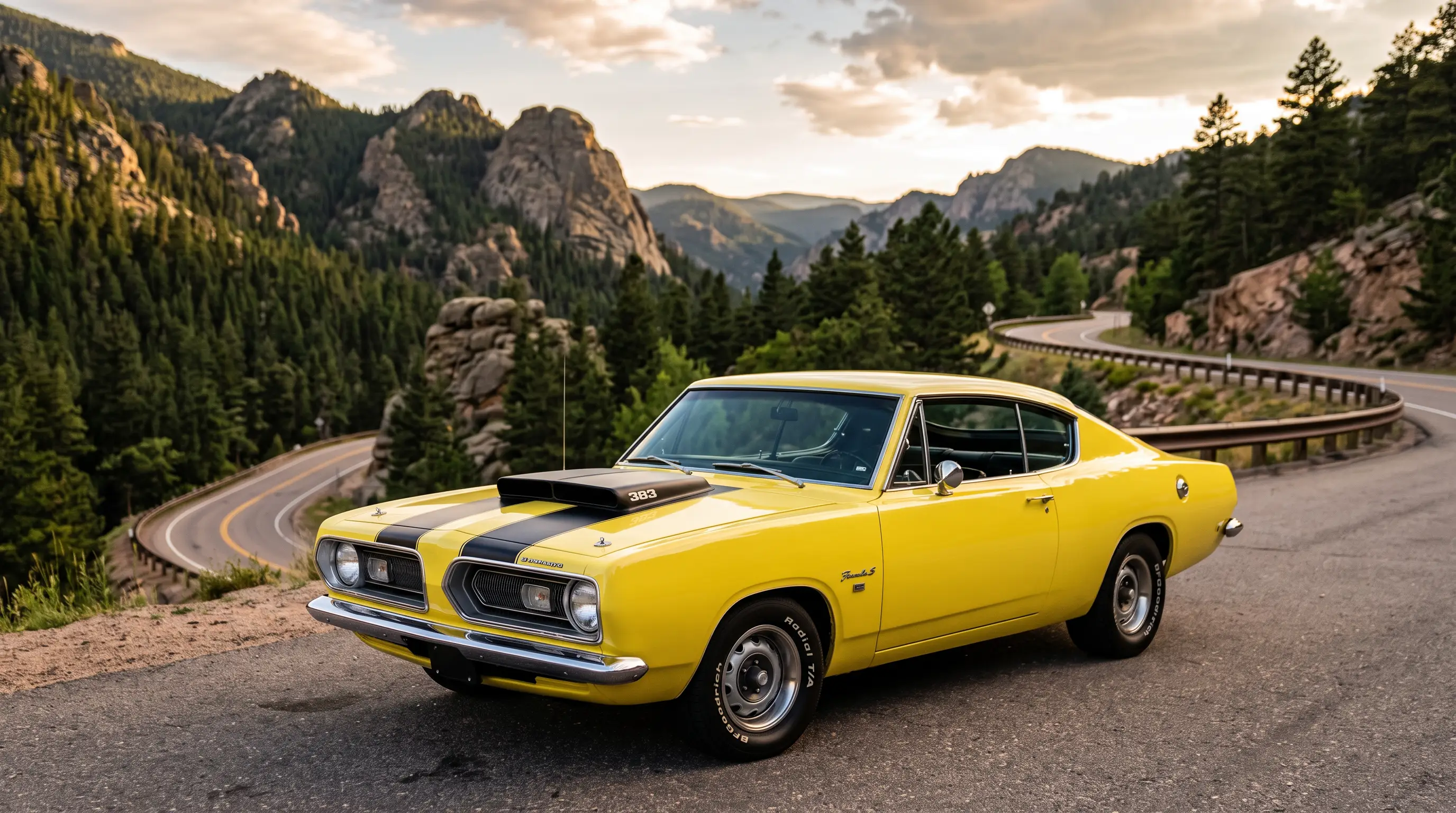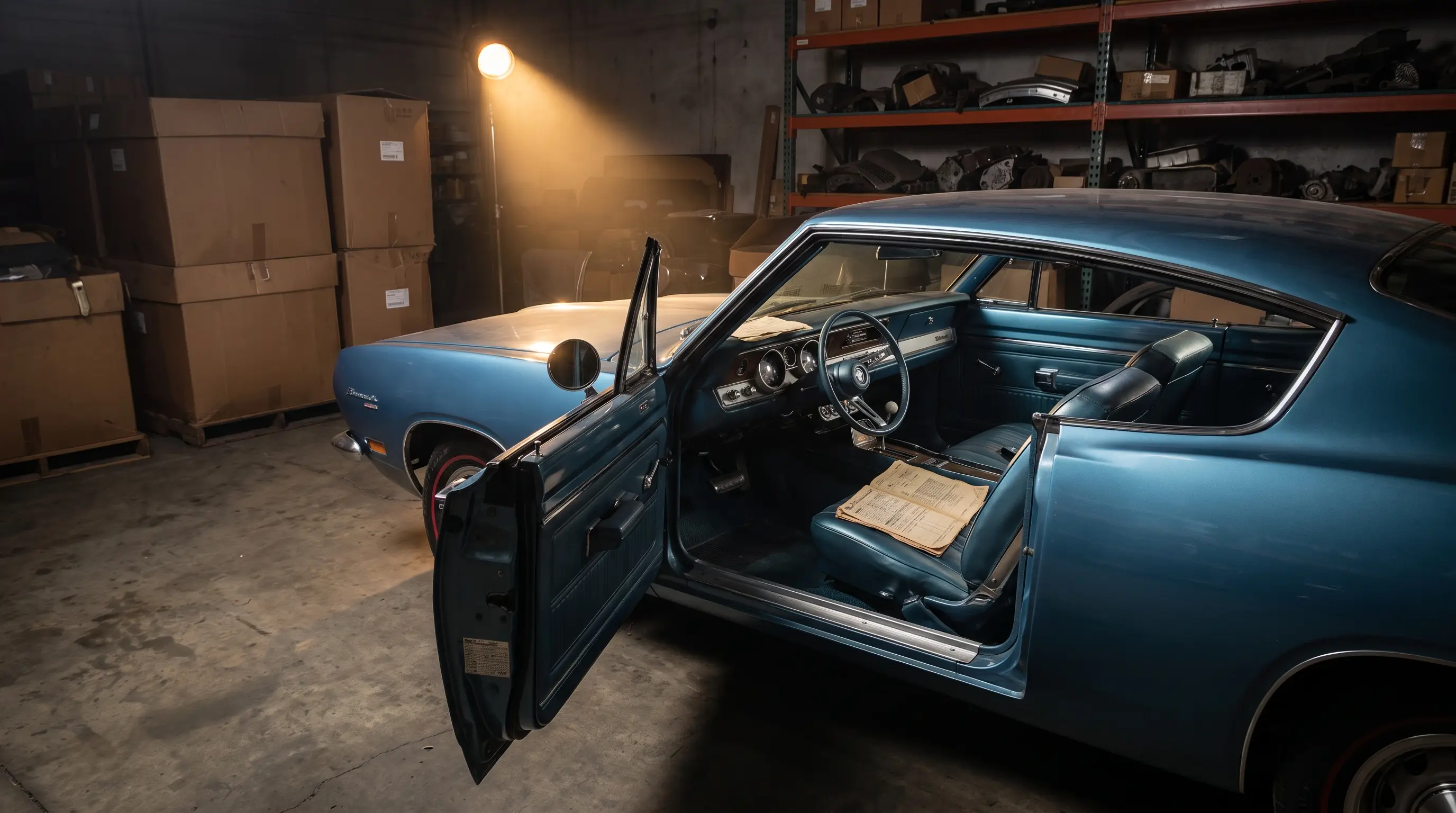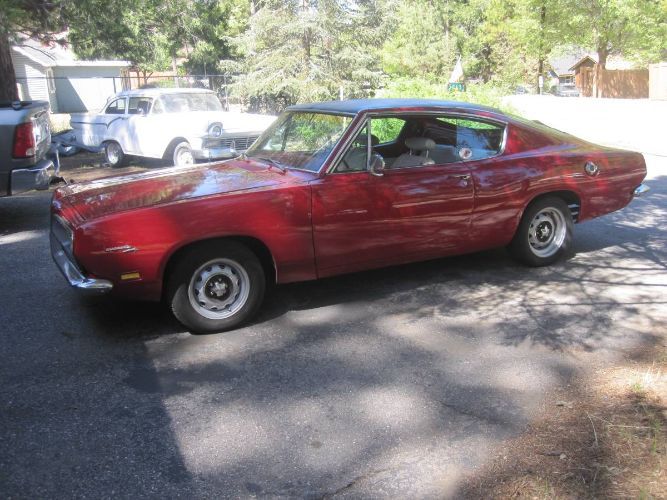
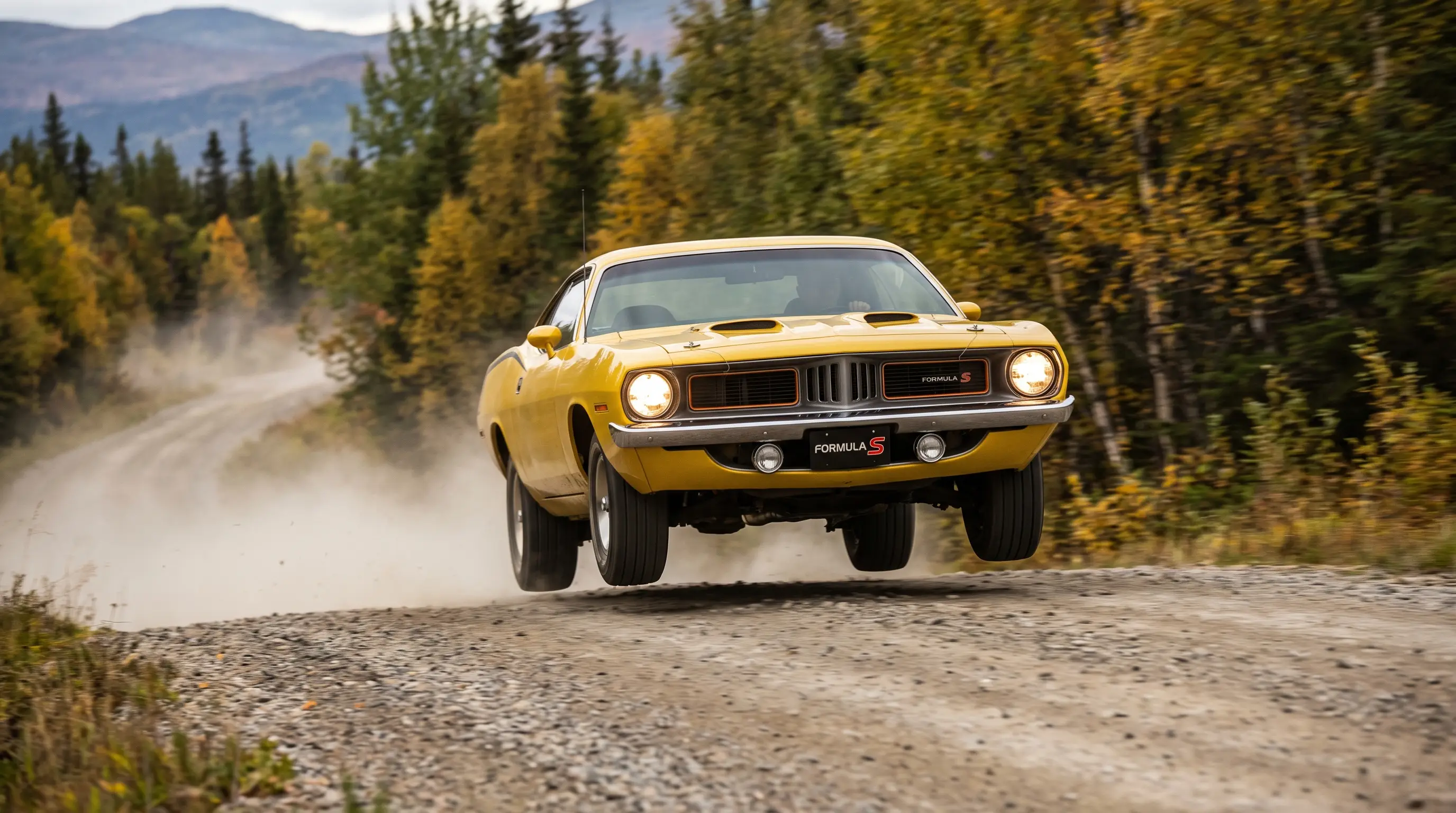
Somewhere in a Detroit conference room in early 1965, a product planner picked the name Formula S for Plymouth's new Barracuda option, and the choice was not an accident. Formula, as in the racing series everyone half understood but respected anyway. The Barracuda Formula S needed to earn that name on the road, in front of the magazine writers who could make or break a new performance package with a single unflattering paragraph, and for the most part it did.
The magazines that mattered
Car and Driver and Car Life both put the Formula S through instrumented testing in the mid 1960s, and both came away treating it as a legitimate contender rather than a badge job. The 273 cubic inch V8, tuned with a four barrel carburetor and dual exhaust for the Formula S package, gave the car a quarter mile time of 15.9 seconds at 85 mph in Car Life's 1965 road test, with a 0 to 60 sprint of 8.2 seconds. That was competitive with the small block Mustangs the Barracuda was actually built to fight, and the testers noticed.
What got more attention than the straight line numbers was how the car handled once the road stopped being straight. The heavy duty suspension underneath the Formula S, stiffer springs, a bigger front sway bar, firmer shocks, turned a car that could have been a soft Valiant in a fastback shell into something a driver could actually place through a corner with confidence. Period reviewers kept coming back to that point. The engine got you moving. The suspension is what made the car worth writing about.
What rally really meant here
The Formula S never ran a full factory rally program the way some European manufacturers did with their own hot hatches and coupes, and it is worth being straight about that. The name was aspirational, borrowed from motorsport to signal intent rather than to describe an actual competition history. Where the car did earn genuine track credibility was in amateur road rallying and gymkhana events through the mid and late 1960s, the kind of grassroots competition that put ordinary owners behind the wheel of their own Formula S cars on closed courses and timed sections. Plymouth leaned into that image hard in its advertising, tying the car to autocross culture and weekend competition rather than to a professional racing series.
That distinction matters if you are trying to understand why the car handled the way it did. Plymouth built the Formula S suspension package for exactly the kind of driving amateur rally and gymkhana competitors were doing, tight, technical, low speed courses where body control and quick direction changes mattered more than outright top speed. The car was tuned for that world, and the road testers of the era recognized it even when they were driving on public roads instead of a closed course.
How the tests aged
Reading those old road tests now, decades after they ran, is a strange experience. The writers were comparing the Formula S to cars that no longer exist in showrooms, using performance benchmarks that read as modest by later standards. But the core judgment holds up. The Formula S was not the fastest car in its class, and reviewers said so plainly. It was, by most period accounts, one of the best balanced. That reputation followed the car through its production years and still shapes how collectors and historians talk about it today. Our Barracuda Formula S retrospective lays out the full model history if you want the complete picture beyond just the road test coverage.
Reading the reviews with a critical eye
It is worth remembering that automotive magazines in this era depended on manufacturer relationships, and glowing reviews were not exactly rare. Still, the specific, technical praise the Formula S received, focused on suspension tuning rather than vague enthusiasm, reads as more credible than a simple sales pitch dressed up as journalism. Reviewers who liked a car in the 1960s tended to say so in general terms. Reviewers who liked the Formula S got specific about spring rates and sway bar diameters, and that kind of detail is harder to fake.
"You can tell when a period road test is doing a manufacturer a favor and when it actually means what it says. The Formula S reviews read like the second kind, because the writers kept talking about the suspension like they were surprised by it."
- Patrick Walsh
For anyone digging deeper into the production side of things, a related story covers how many of these cars Plymouth actually built by year, which helps explain why surviving examples with documented history carry a premium today. And if the road test history has you thinking about owning one, there are Barracudas for sale now worth a look, some of them Formula S cars with the same suspension hardware those old magazine writers were so impressed by.
What the courses actually demanded
Gymkhana and rally competitors of the mid 1960s were not chasing top speed. Their events lived in parking lots and closed back roads laid out with pylons, where a car spent most of its time changing direction rather than holding a straight line. That kind of driving punishes body roll and slow steering response harder than it rewards horsepower, and it is a very different test than a quarter mile strip. Owners who campaigned Formula S cars in these events consistently reported that the standard suspension package needed little modification to be competitive at a club level, which was not something every manufacturer's performance option could claim in this period. Plenty of factory hot rods from other makers needed serious suspension work before they were usable on a tight autocross course. The Formula S largely did not.
That is worth sitting with for a moment. A car engineered primarily to sell well against the Mustang on a showroom floor turned out to also work reasonably well in genuine amateur competition without heavy modification, and that is a harder trick to pull off than it sounds. Plenty of manufacturers in this era built performance packages that looked good in advertising and fell apart the moment an actual driver pushed them through a real corner under time pressure.
Sources and notes
- 1965 Plymouth Barracuda S Road Test - Car Life Magazine (reprint)
- Vintage C&D Road Test: 1965 Mustang, Barracuda, Corvair - Barracuda Formula S - Curbside Classic
- Vintage CL Road Test: 1968 Plymouth Barracuda 340-S - Curbside Classic
- Plymouth Barracuda - Wikipedia
- Car of the Week: 1966 Plymouth Barracuda Formula 'S' - Old Cars Weekly
Why the reputation stuck
The Formula S never became a household name the way the Mustang did, and it never won the sales race against Ford's pony car. But the road test record from its own era gives it a credibility that outlasted the sales numbers. Writers who drove it back then were not comparing it to a legend, because the legend had not been built yet. They were comparing it to what else was available on the lot, and by that measure, the Formula S held its own and then some.