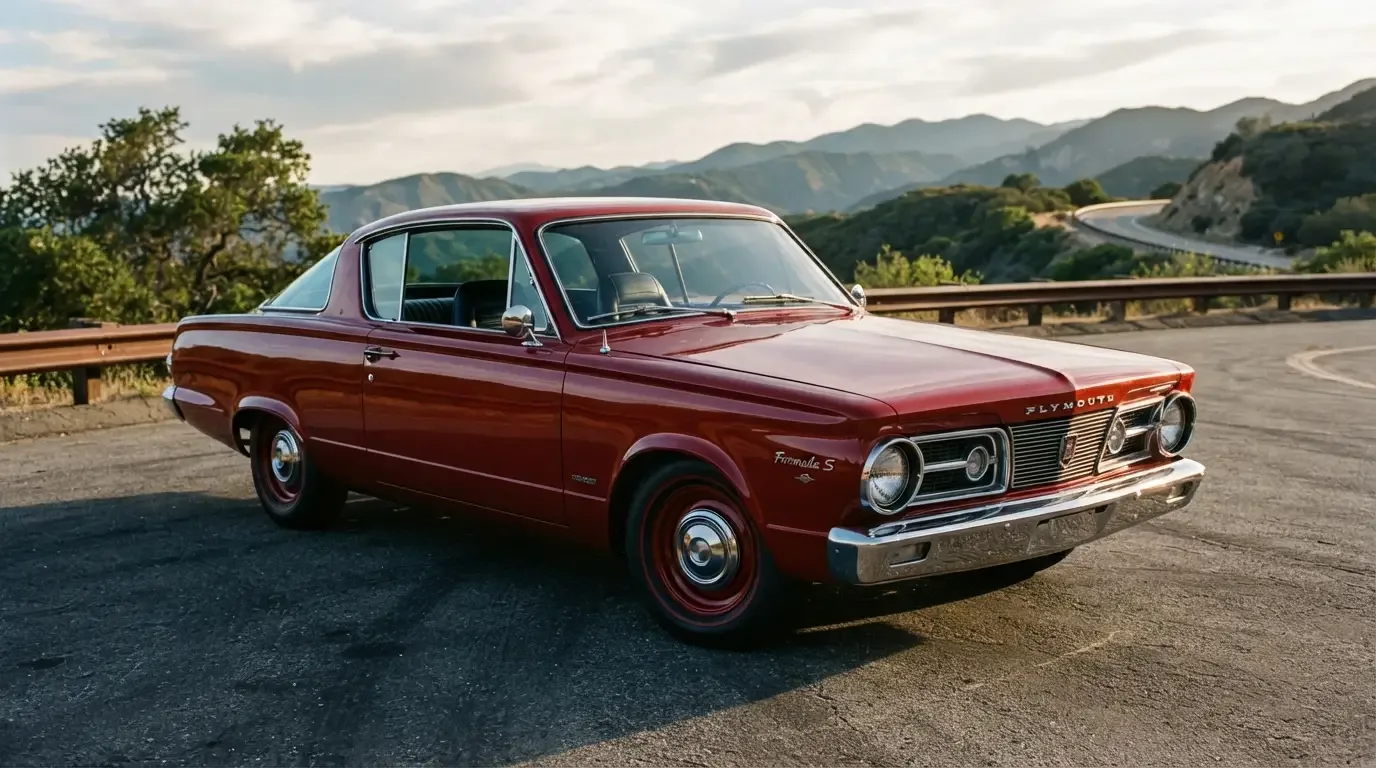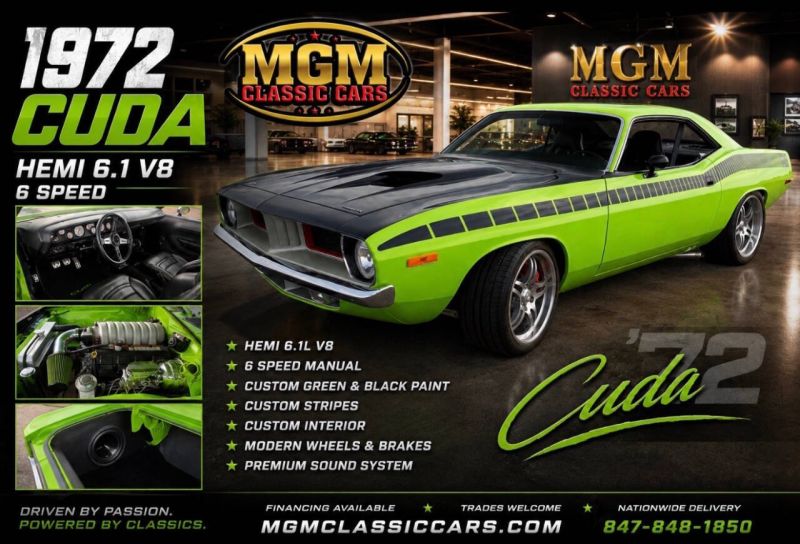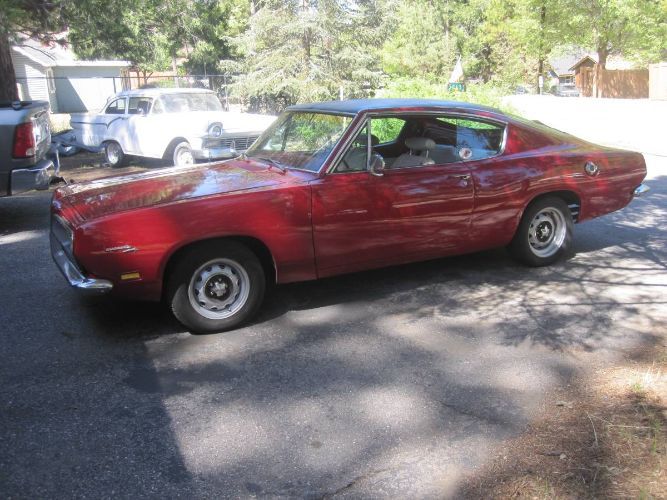
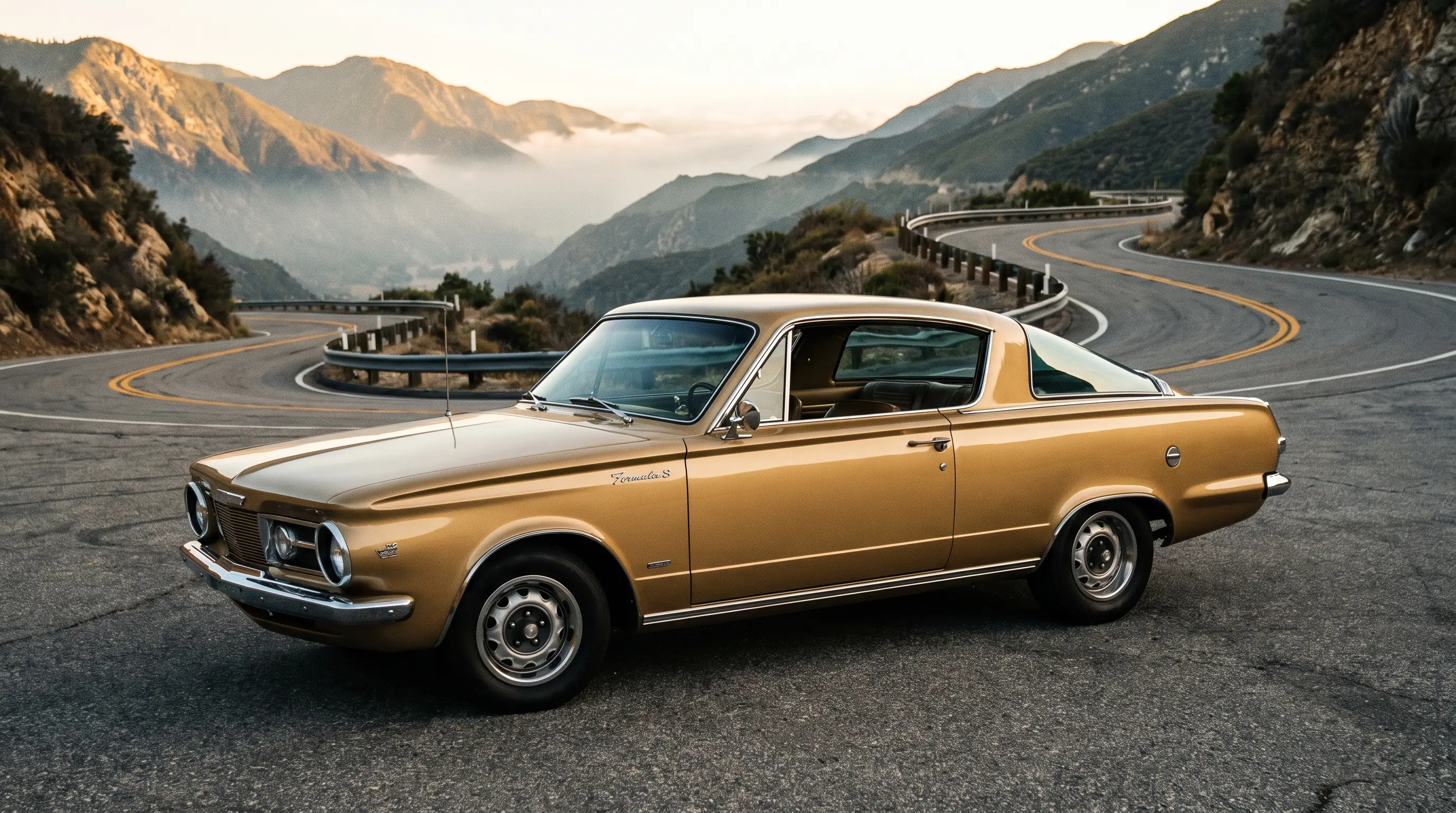
Ask a casual muscle car fan to name Plymouth's great performance cars and you will hear Road Runner, maybe a Hemi 'Cuda if they know their engine codes. The Formula S rarely comes up unprompted, which is a strange fate for the car that did most of the early work proving Plymouth could build something worth taking seriously against the Mustang. The Barracuda Formula S is underrated, and it is worth being specific about why that happened rather than just asserting it.
Overshadowed by its own family
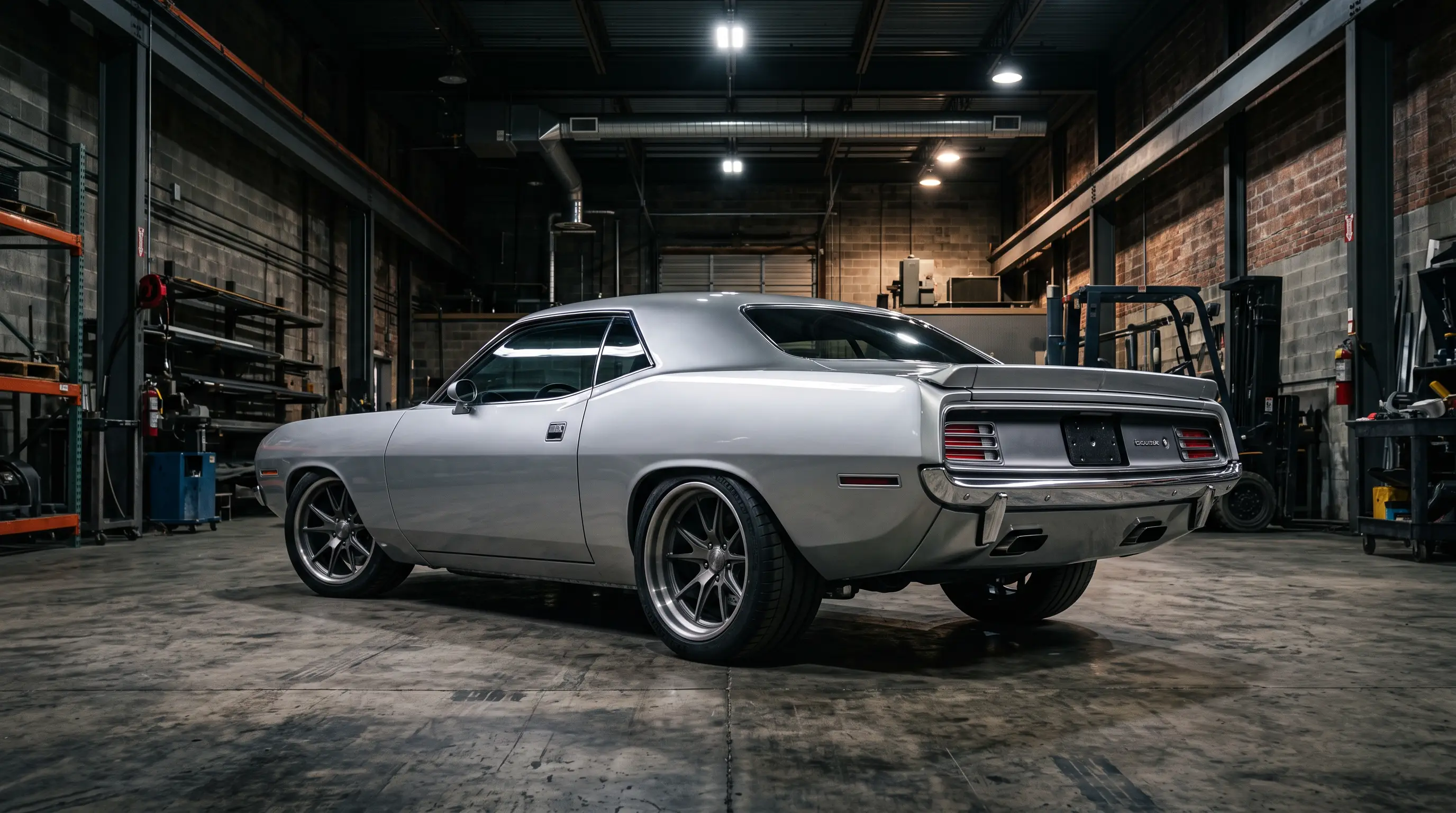
Part of the problem is timing within Plymouth's own lineup. The Formula S arrived in 1965 and did its job quietly and competently for years, then watched the 1970 'Cuda and its Hemi options arrive with a bigger engine, a wilder image, and a platform genuinely built for performance from the ground up. Collector attention and auction headlines gravitate toward the loudest, rarest, most powerful version of anything, and the Hemi 'Cuda is exactly that within the Barracuda family. The Formula S, sensible by comparison, a mid size V8 and a well sorted suspension rather than a 425 horsepower street legend, gets skipped over in the conversation almost by default.
That is not a fair way to rank the car's actual merit, but it is an understandable way for casual attention to sort itself. Loud wins headlines. The Formula S was never trying to be loud.
Overshadowed by the Mustang, too
The other half of the story is the Mustang's shadow, which never really lifted off the entire Barracuda line regardless of model year or trim. Ford's car became a cultural touchstone almost immediately, appearing in films and magazines and dominating sales figures in a way the Barracuda never matched at any point in its run. The Formula S specifically, as Plymouth's most direct answer to the Mustang's own performance trims, ended up permanently compared to a car it was never going to outsell, and that comparison stuck to its reputation even when the actual driving experience held up well.
What gets missed by skipping it
Skipping past the Formula S means missing a genuinely well executed performance package built on a modest budget and a compact platform. The suspension tuning held up in period road tests against faster, flashier competition. The engine options, particularly the 340 in later model years, delivered real performance without the cooling and weight distribution headaches that came with shoehorning the larger 383 into the same engine bay. barracuda formula s history lays out those model year specifics in detail, and reading through it makes a stronger case for the car than its current reputation suggests.
There is also a simpler, more practical argument for why the Formula S deserves more attention now. Because it never became the headline act, prices have historically lagged behind the Hemi 'Cuda and other flagship Mopar performance cars by a wide margin, which means a genuinely well engineered driving experience remains more attainable for buyers who are not chasing six figure auction results. That gap will not necessarily last forever as more collectors reassess the model, but it exists right now.
"Everybody wants the car that made headlines. Fewer people notice the car that made the headline car possible. The Formula S is the second kind, and it deserves better than being a footnote in somebody else's story."
- Patrick Walsh
A related detail worth chasing
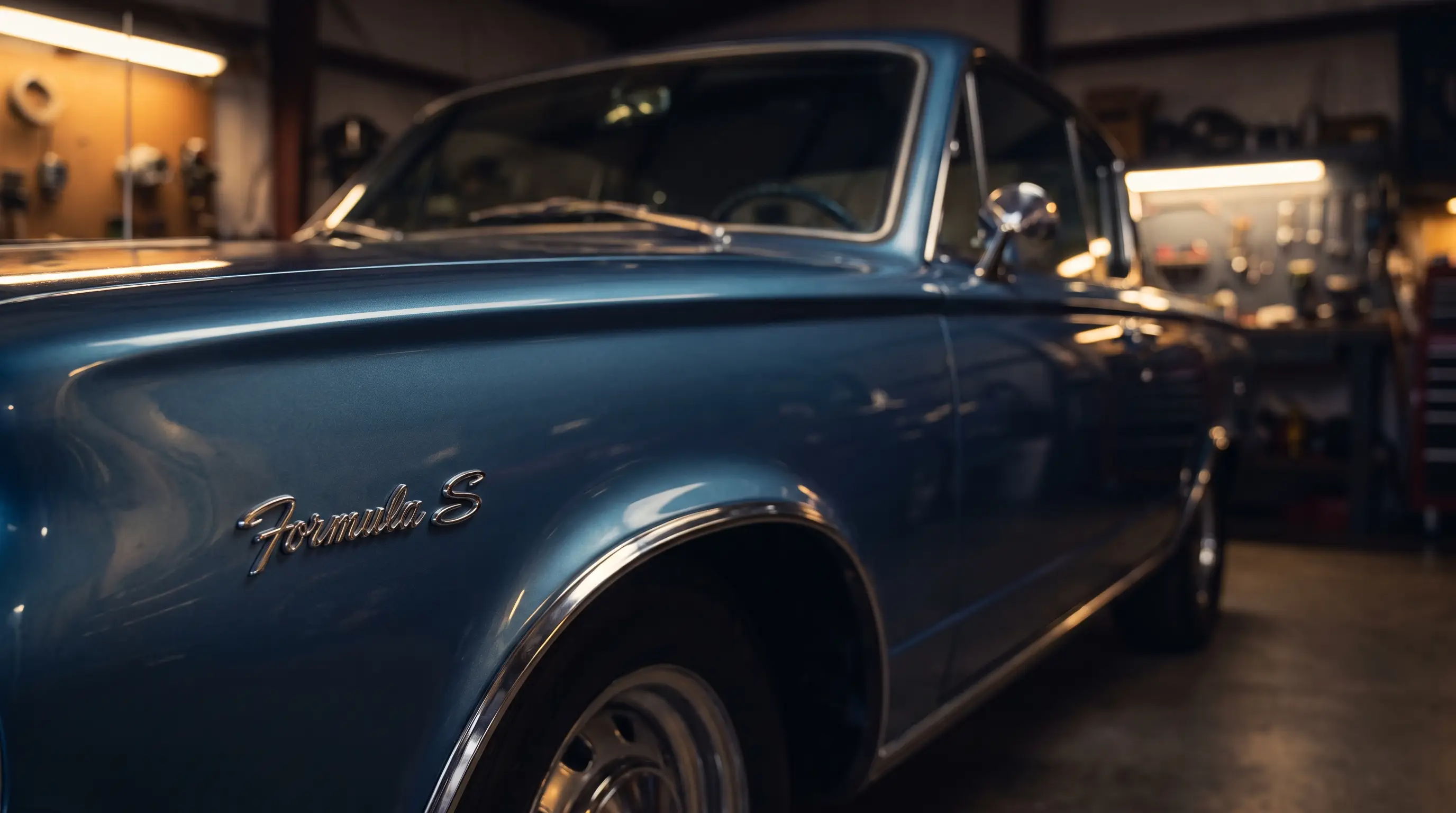
Even the small details on these cars carry more history than people assume. a related story on the Formula S badging itself gets into just how much thought Plymouth put into a detail as small as fender emblems, which is the kind of thing that only gets noticed once you start paying the car the attention it has been missing from the wider hobby for decades.
| Model | Typical market position | Why |
|---|---|---|
| Formula S | Attainable, undervalued relative to engineering merit | Overshadowed by Mustang and later Hemi cars |
| Hemi 'Cuda (1970-71) | Flagship, high auction attention | Rarity, engine legend, cultural spotlight |
| Base Mustang trims (period) | High volume, strong brand recognition | Cultural dominance, sales leader |
A reputation problem, not a quality problem
None of this is to argue the Formula S was secretly the best performance car of its era, because it was not, and honest advocacy for an underrated car should stop well short of overclaiming on its behalf. It lost drag strip contests to bigger engined rivals regularly, and its interior never matched the more upscale trims some competitors offered at similar price points. The case for the Formula S is narrower and, I think, more durable than a blanket claim of greatness. It is that the car did what it set out to do, competently and at a reasonable price, and history has judged it by a scoreboard, sales figures and headline grabbing engine options, that was never the whole story to begin with. Reputation and quality are not the same measurement, and conflating them is exactly how a genuinely solid car ends up permanently filed under also ran.
Giving the car its due
The Formula S was never going to win the popularity contest against the Mustang, and it was always going to sit in the shadow of its own family's later, louder performance cars. Neither of those facts says anything about whether the car itself was good, and by most honest measures available from the era, it was. Anyone curious enough to look past the reputation gap should check Barracudas for sale now and judge a well documented Formula S on its own terms, rather than by comparison to cars it was never built to be.
A closing case for looking twice
I have driven a fair number of these cars at this point, well kept examples and rough ones alike, and the pattern holds up every time. A properly sorted Formula S, tight suspension bushings, correct spring rates, a healthy 273 or 340 depending on the model year, still feels genuinely composed on a real road, not just impressive on paper. That is not nostalgia talking. It is the same quality period testers noticed decades ago, still present in a well maintained example today. The car earned its reputation the hard way, through actual driving impressions rather than marketing copy, and that kind of earned praise tends to hold up better over time than hype ever does. Give one a proper look before writing it off as the forgettable middle child of Plymouth's performance lineup, because the reputation gap says more about how attention gets distributed in this hobby than it says about the car itself.