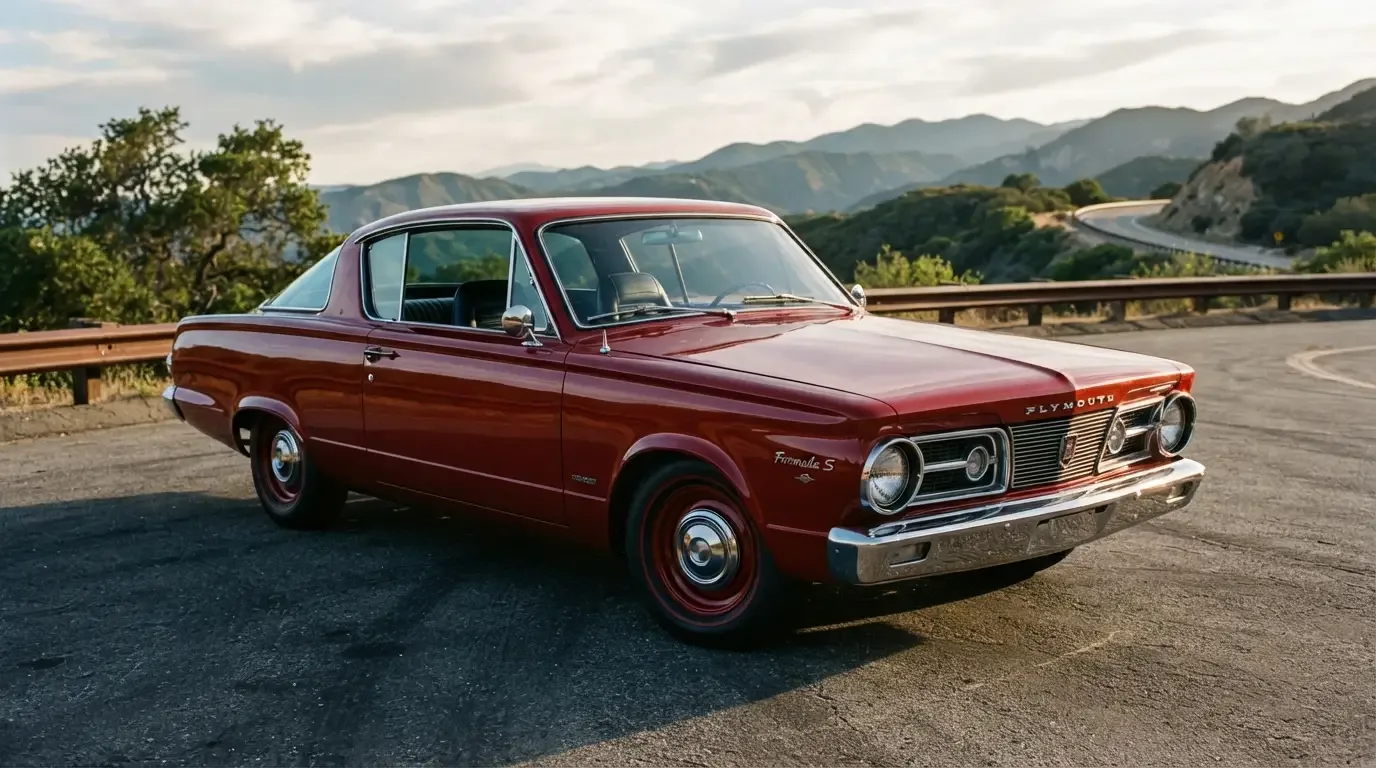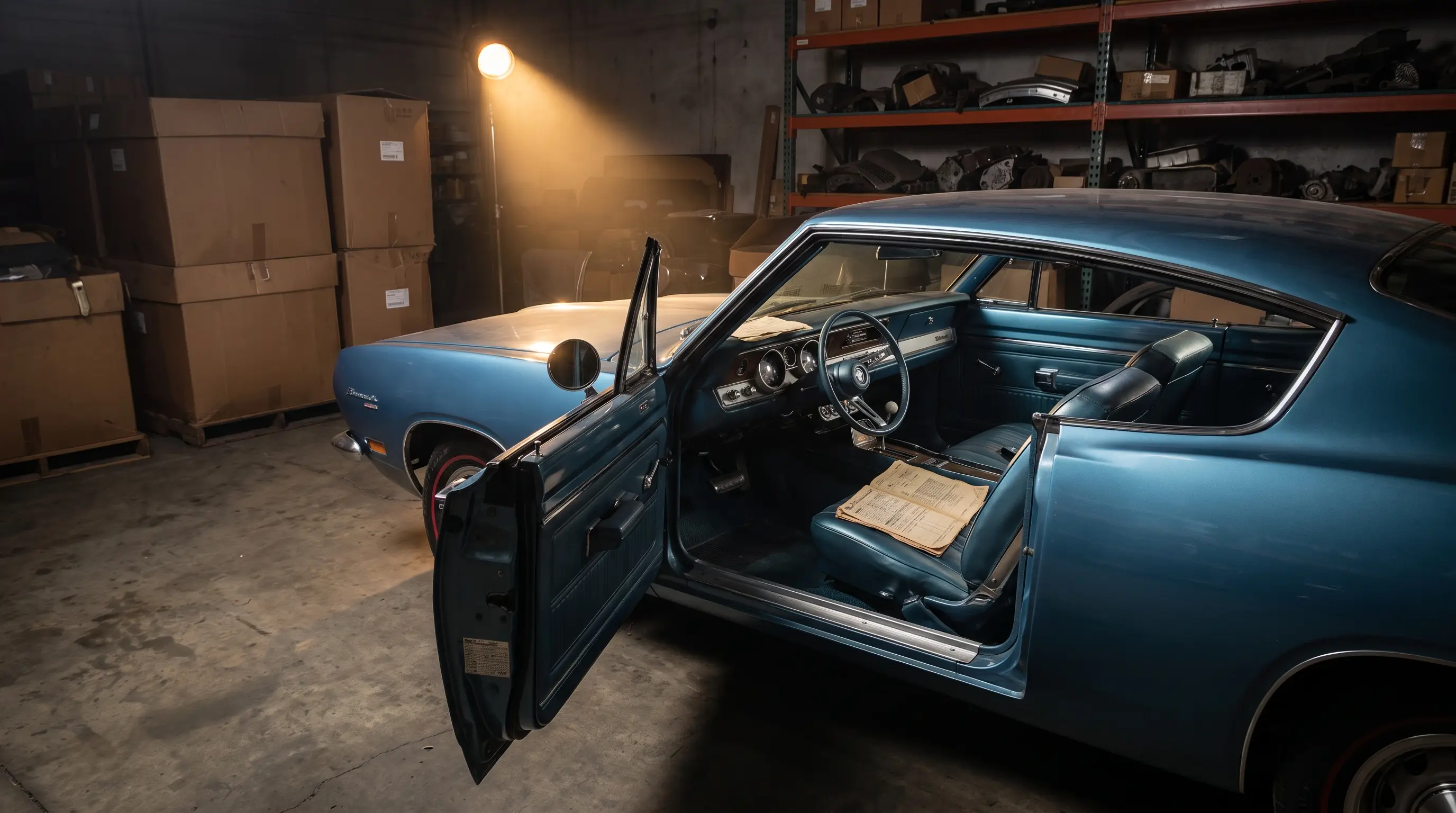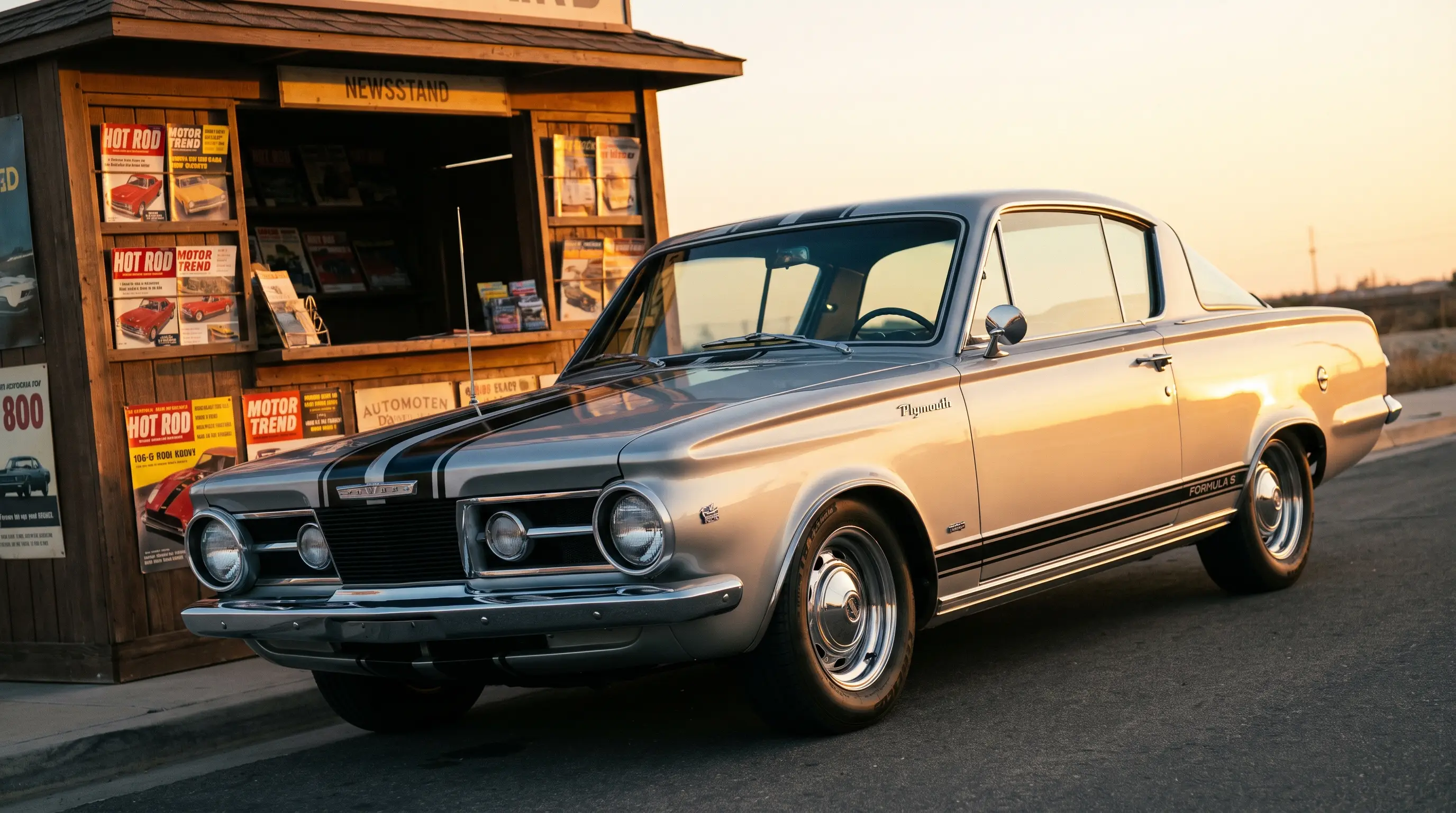
Value in this hobby is rarely about how a car looks in a photograph, and the Plymouth Barracuda Formula S is a good case study in why. Two cars can present nearly identically at a glance and sell twenty thousand dollars apart, and the difference almost always comes down to condition, documentation, and how liquid that particular configuration is in the current market. Collecting a Formula S intelligently means understanding those three variables before falling for the badge.
Condition is not just paint
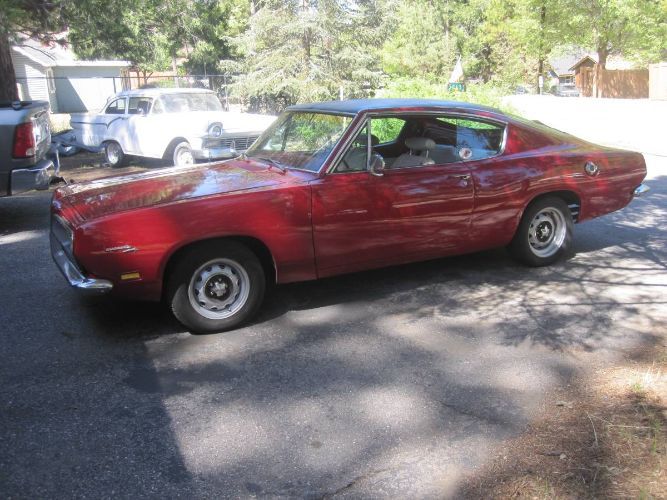
When I assess a Formula S for a client, cosmetic condition is the least interesting part of the exercise, because paint and upholstery are the easiest things to fix and the easiest things to fake well. What actually determines risk is what is underneath. Rust repair quality in the trunk floor, torque boxes, and rear quarters matters more than how straight the panels look from ten feet away, since poor structural repair is expensive to correct and often invisible until a car is up on a lift. A Formula S with honest, if imperfect, original sheet metal is frequently a safer purchase than one with a flawless respray hiding patch panels done to a low standard.
Mechanical originality carries its own weight. A numbers matching engine and transmission combination is worth a real premium over a correctly optioned but non original drivetrain, and that premium has held steady even as overall collector car prices have moved around. Buyers paying top dollar for a Formula S are, in effect, paying for the fact that the car has not had its story altered.
Documentation as the deciding factor
I have appraised cars where the paperwork mattered more than the car itself. A Formula S with a broadcast sheet, original fender tag confirmation, and a documented ownership chain sells with confidence attached. The same car without that paper trail sells on faith, and faith is discounted heavily by serious buyers. The whole picture on how the Formula S package evolved across its production run is useful background here, because documentation that matches the correct year specific option content is worth more than documentation that merely exists.
Liquidity, or how fast you can actually sell one
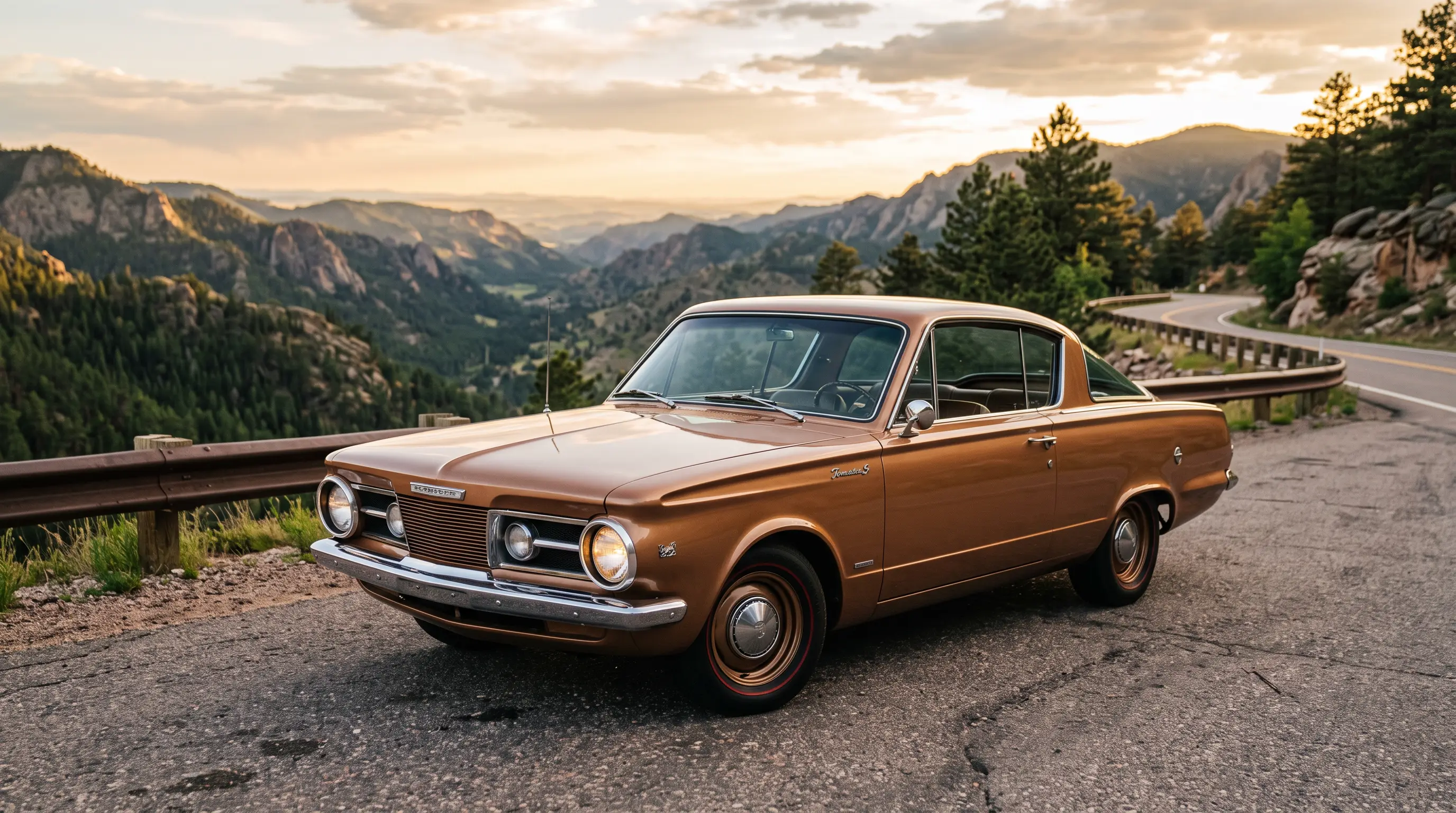
Liquidity gets ignored by a lot of first time collectors, and it should not be. A rare, exceptionally documented Formula S in an unusual color and body style combination might be worth more on paper than a common, well kept fastback in a popular color, but it will also take longer to sell to the right buyer. The fastback body style with a common color and a 340 V8 has a deeper pool of buyers than a convertible with a rare, less popular color and the larger 383. Neither is a bad car to own. They are simply different kinds of assets, one more liquid, one more of a specialist purchase that rewards patience.
| Factor | Lower risk profile | Higher risk profile |
|---|---|---|
| Documentation | Fender tag plus broadcast sheet | Badge and seller claim only |
| Drivetrain | Numbers matching | Correct but replaced engine/transmission |
| Body condition | Original sheet metal, honest wear | Full respray over undocumented repairs |
| Market depth | Common body style and color | Rare combination, thinner buyer pool |
Downside protection
My job as an appraiser is largely about downside, not upside, and the Formula S market has clear downside risks worth naming plainly. Undocumented restorations that upgrade a base Barracuda into Formula S trim using reproduction badges and parts are common enough that a buyer should assume a claimed Formula S is unproven until the fender tag says otherwise. Overpaying for cosmetic presentation while skipping a proper inspection of structural repairs is the single most common mistake I see repeat buyers make, right after buying based on a badge without verifying build codes.
"Every car has a story. My job is figuring out which parts of that story are documented and which parts are just what the seller wants to believe. Price the difference accordingly."
- Marcus Feld
The upgrade trap
One pattern I see repeatedly is a seller presenting a heavily upgraded Formula S as more valuable than a stock example, and that is not automatically true, regardless of how much money went into the modifications. A period correct restoration, one that returns the car to its original factory specification, generally holds value better over the long run than a car built up with modern brakes, a different carburetor, or a swapped rear end, even when those changes objectively improve the driving experience. Collectors paying top dollar are frequently buying originality, not performance, and a car modified away from its factory configuration has effectively traded collector value for driver value. That is a legitimate choice for an owner who wants to drive the car hard, but it is a choice, and it should be priced as one rather than assumed to be a straightforward improvement.
I tell clients considering modifications the same thing every time. Decide first whether you are building an investment or a driver, because the market genuinely rewards those two goals differently, and trying to have both at once usually means the car satisfies neither buyer particularly well when it eventually sells.
Where the market sits now
Collecting a Formula S well is not complicated, but it does require discipline most buyers skip in the excitement of finding a car that looks right. Verify the paperwork, inspect the structure, and understand which configuration you are actually buying into before deciding what it is worth to you. Readers ready to shop classic Barracuda listings should carry that same discipline into every listing they look at, because the difference between a sound purchase and an expensive lesson in this hobby is almost never visible in the photos.
How I actually structure an inspection
When a client hires me to look at a specific car before they commit, I work through the same order every time, because skipping steps is exactly how expensive mistakes happen. Documentation comes first, fender tag and any surviving paperwork, before I even walk around the car. Structural inspection comes second, on a lift wherever possible, focused on the trunk floor, torque boxes, and floor pans rather than the areas a seller has already photographed to death. Drivetrain verification comes third, matching casting and stamped numbers against what the paperwork claims. Cosmetic condition comes last, deliberately, because it is the easiest thing to fix and the least reliable indicator of what a car actually is. Clients who want to reverse that order, judging paint first and asking about the fender tag as an afterthought, are the ones most likely to call me back after a purchase they regret.
Sources and notes
- 1965 Plymouth Barracuda Formula S - Hagerty Valuation Tools
- Plymouth Barracuda years - Hagerty Valuation Tools
- Plymouth Barracuda - Wikipedia
- Production Figures for Plymouth Barracuda from Chrysler Historical collection - For A Bodies Only forum
- 1965 Plymouth Barracuda Specifications and Dimensions - Conceptcarz