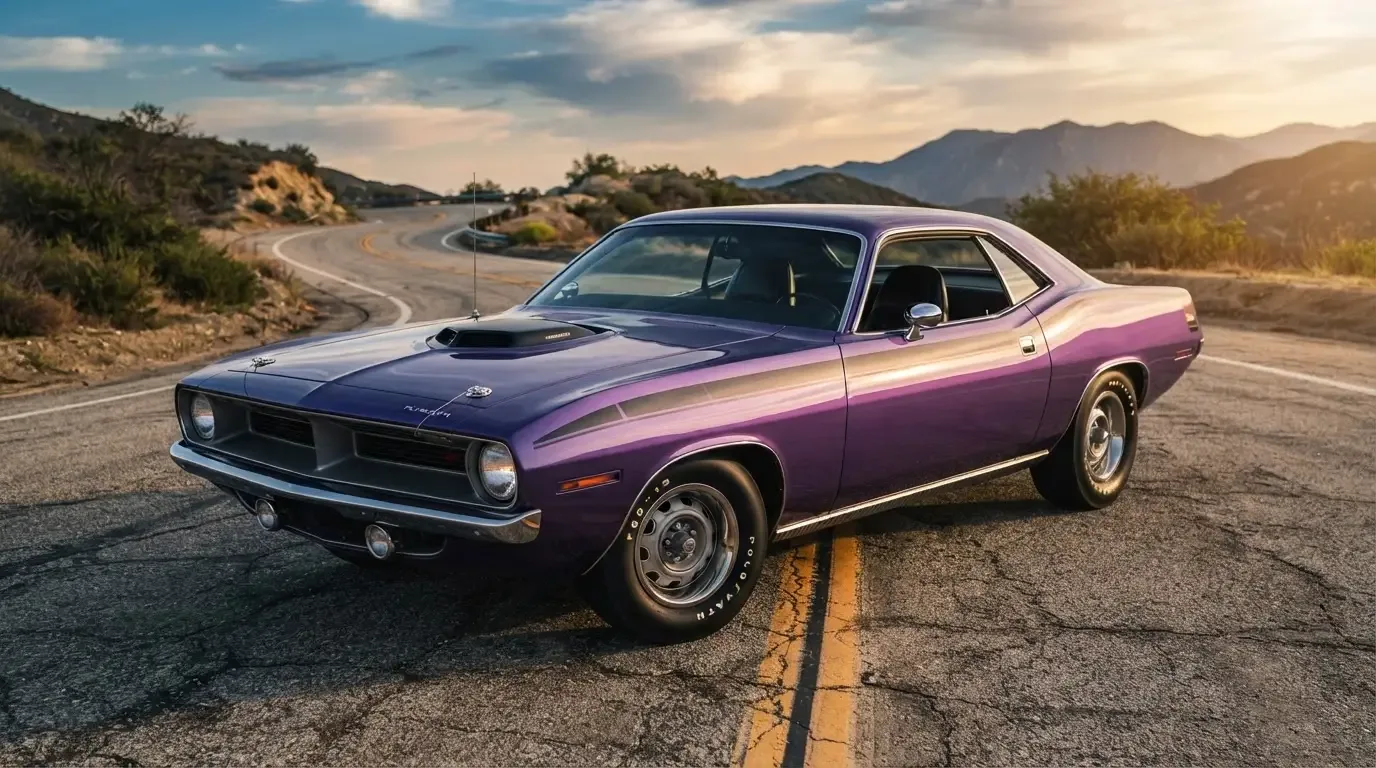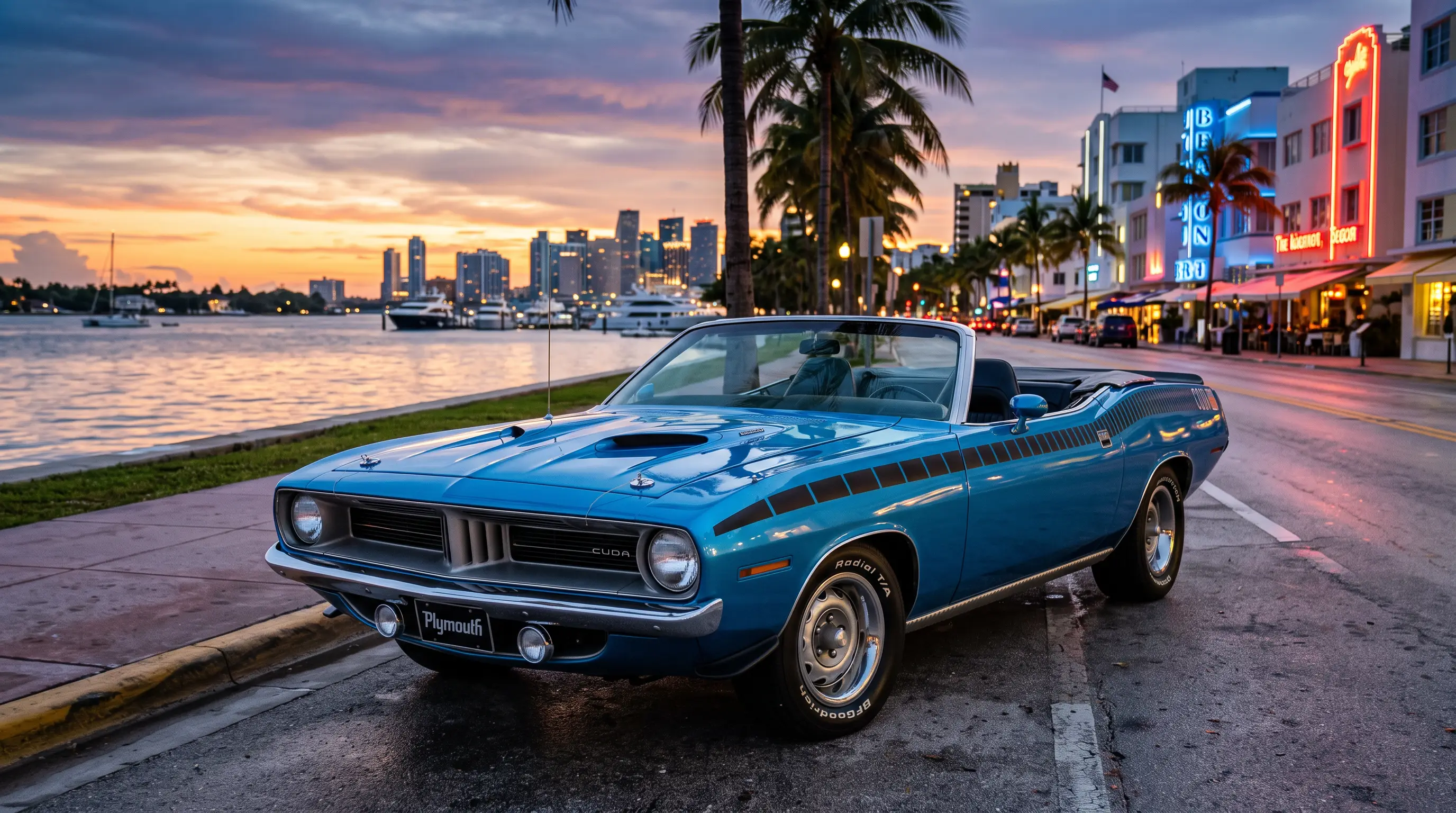
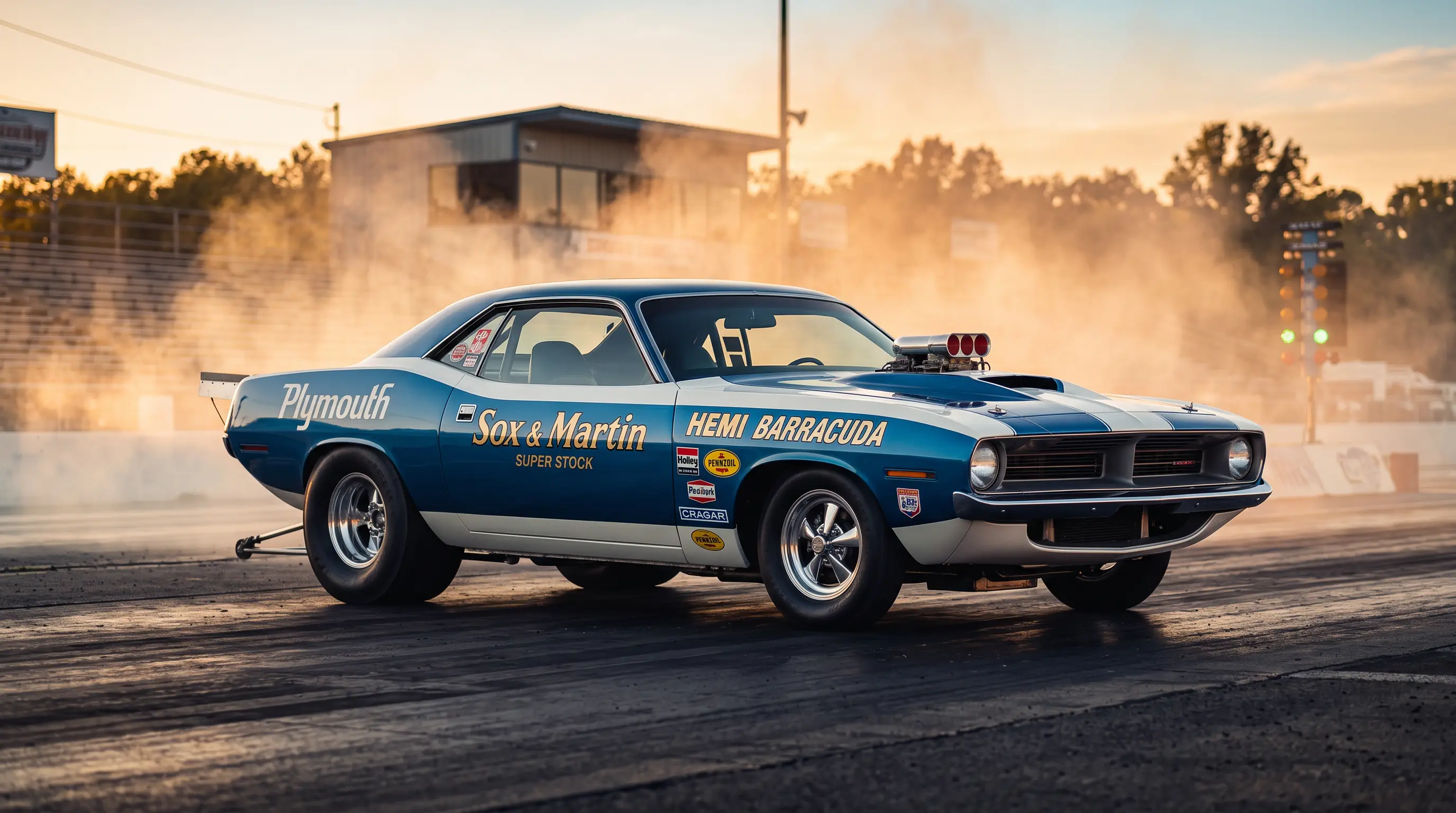
Every drag strip has a team that other racers watch instead of the scoreboard, and for a long stretch of the sixties and seventies that team was Sox and Martin. Ronnie Sox drove. Buddy Martin turned the wrenches and called the shots on tuning. Together they built one of the most feared operations in factory-backed drag racing, and along the way their name got stitched permanently into the story of the Plymouth Barracuda. Ask anyone who was standing near the Christmas tree at a national event in that era and they will tell you the sox martin barracuda combination is not a footnote. It is one of the reasons the Cuda earned a reputation on the strip that its showroom cousins never had to prove on their own.
Two names that became one operation
Ronnie Sox came up through the Carolinas racing circuit with a reputation for clutch work that other drivers openly envied. Buddy Martin had the mechanical eye, the patience to chase a tenth of a second for weeks, and the discipline to keep a factory relationship healthy when other teams burned theirs out. Put those two skill sets in one shop and you get a team that Chrysler wanted its name attached to, because winning cars sold cars, and Sox and Martin won constantly.
What made the partnership work was not just talent. It was division of labor. Sox never had to think about the tune-up on the starting line because he trusted Martin's numbers completely, and Martin never had to worry about the launch because Sox could read a track's traction like nobody else in the class. That kind of trust is rare in racing, where egos usually get in the way long before a season ends.
Where the Barracuda fit into a Belvedere and Road Runner career
Sox and Martin's early factory cars leaned on Plymouth's B-body lineup, first through altered wheelbase experiments and then through Super Stock and factory funny car work built around the Hemi. The Barracuda entered their story as Plymouth's smaller platform matured into something a factory team could take seriously on the strip, and by the time Pro Stock rules reshaped the class in the early seventies, the Cuda and its Duster sibling gave Sox and Martin a lighter, shorter wheelbase car to campaign as the Hemi era wound down. The team ran HEMI-powered Barracudas in NHRA Super Stock starting in 1968, then carried the Cuda into the new heads-up Pro Stock class when it launched in 1970, campaigning it through the 1971 season before switching to the lighter Duster body for 1972 as NHRA weight rules changed.
What is not in dispute is the effect that connection had on how enthusiasts saw the car. A Barracuda with the Sox and Martin name near it stopped being just another Plymouth. It became evidence that the platform could hang with anything else on a quarter mile strip, driven by a team that did not need marketing help to draw a crowd.
Why the crowd showed up even when Sox and Martin were not favored
There is a particular kind of drag racing fan who does not care which lane wins as long as Sox and Martin's car is in one of them. That loyalty built up over years of close finishes, upset wins, and a handful of legendary rivalries with other factory teams. The team's reputation for consistency mattered as much as their reputation for speed. Fans could count on the car showing up tuned right, running the numbers Martin promised, and giving Sox a fair shot at the tree every single weekend.
That consistency is a big part of why the Barracuda benefited from the association even decades later. Muscle car buyers who never saw a single pass in person still recognize the Sox and Martin name today, and that recognition attaches itself to any Cuda with a documented competition history, whether the specific car ever raced under the team's banner or simply shares the era and the engine family that made their reputation.
"You didn't need to know the class rules or the elapsed time to understand what you were watching. You just knew Sox and Martin were the team to beat, and the Cuda was part of how they did it."
- Patrick Walsh
The legacy that outlasted the racing career
Factory drag racing programs dried up as the muscle car era cooled through the mid seventies, insurance pressure and emissions rules squeezed performance budgets, and teams like Sox and Martin had to adapt or fold. Their name survived the transition better than most, partly because the team kept winning in whatever class the rulebook handed them, and partly because collectors never stopped valuing a direct line back to that era of factory-backed competition.
Today, a Barracuda with genuine ties to that history sits in a different category entirely from a clean but ordinary example. Buyers researching the car's background often start with the broader cultural story around the platform before they get to the racing specifics. If you want to read the background on how the Cuda built its identity beyond the strip, that context makes the racing story land harder, because it shows how a single team's reputation reinforced a much larger cultural moment for the car.
None of that history requires a numbers-matching race car to appreciate. Most Barracudas on the market today were never within a hundred miles of an NHRA national event, and that is fine. What the Sox and Martin story does is remind buyers what the platform was capable of when Chrysler put its best people behind the wheel and let them prove it in public, weekend after weekend, against every other manufacturer willing to show up.
The rivalries that made their reputation
No team gets remembered just for showing up and winning quietly. Sox and Martin built their legend partly through rivalries with other factory-backed operations, teams running Fords, Chevrolets, and other Mopars who wanted nothing more than to hand them a loss in front of a packed grandstand. Those matchups drew crowds specifically because both sides had real credibility on the line, and a Sox and Martin loss made headlines almost as often as a win did, simply because it happened rarely enough to be news.
That kind of pressure separates a good team from a legendary one. Plenty of factory drivers could win when everything went their way. Fewer could keep winning weekend after weekend with a factory's reputation riding on every run, and fans respected Sox and Martin precisely because they handled that pressure as if it barely registered. Buddy Martin's tuning had to be right every single time, because a factory team without excuses does not get the benefit of the doubt when something breaks on a Sunday afternoon in front of thousands of people.
What this means if you are looking at one today
Documentation matters more than ever for any Barracuda claiming a link to factory racing history, and buyers should treat bold competition claims with the same skepticism a good appraiser would. A clean story needs paperwork behind it, not just a name dropped in a listing description. That said, plenty of Cudas worth owning have no racing pedigree at all and are simply well preserved examples of a platform that earned its reputation honestly, on strips across the country, with teams like Sox and Martin leading the way.
If the history has you curious about ownership rather than just spectating from the stands of memory, you can find a classic Barracuda and start comparing what is actually available, from honest driver quality cars to more serious documented examples, before deciding which era of the car's story you want parked in your own garage.