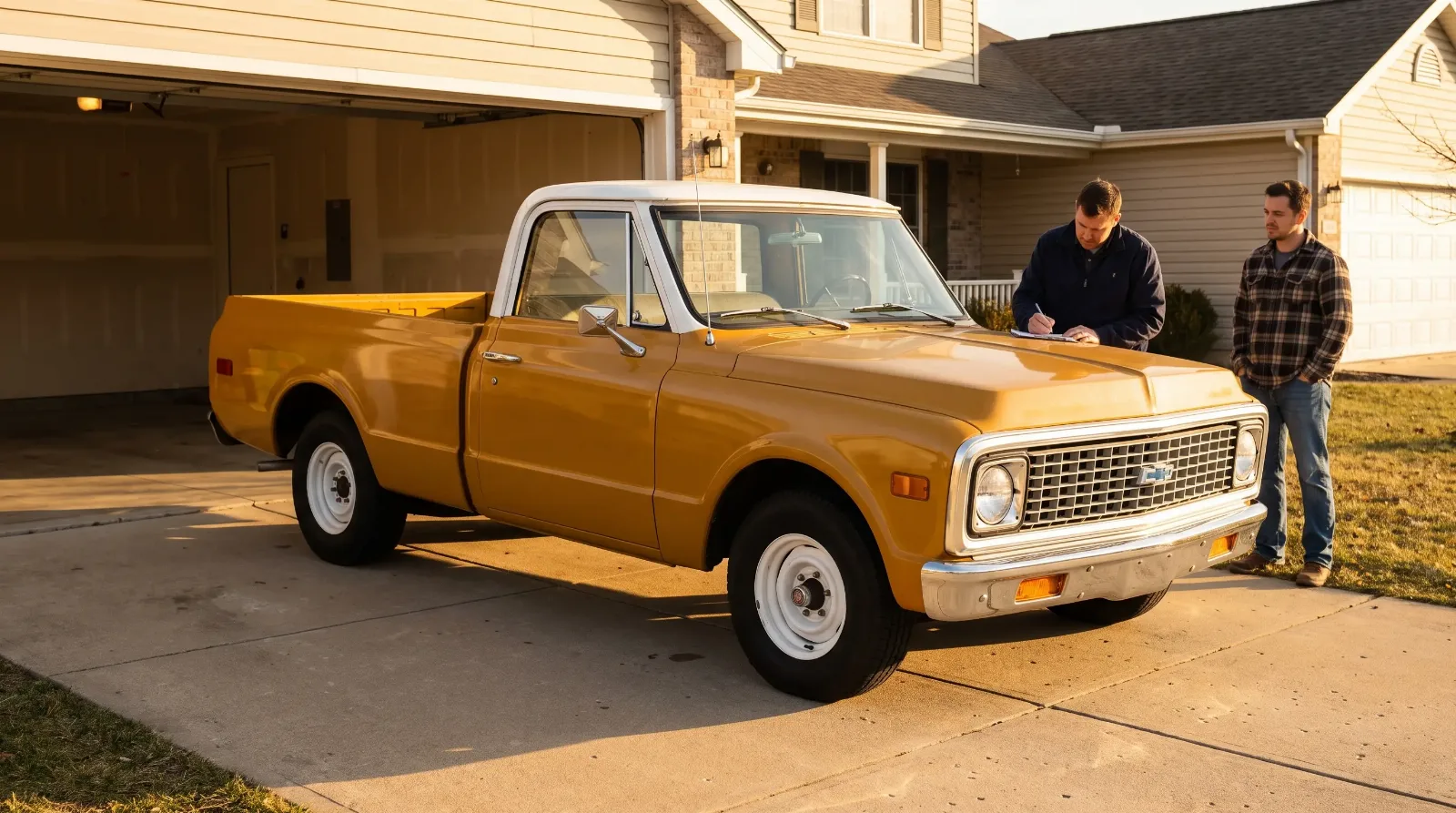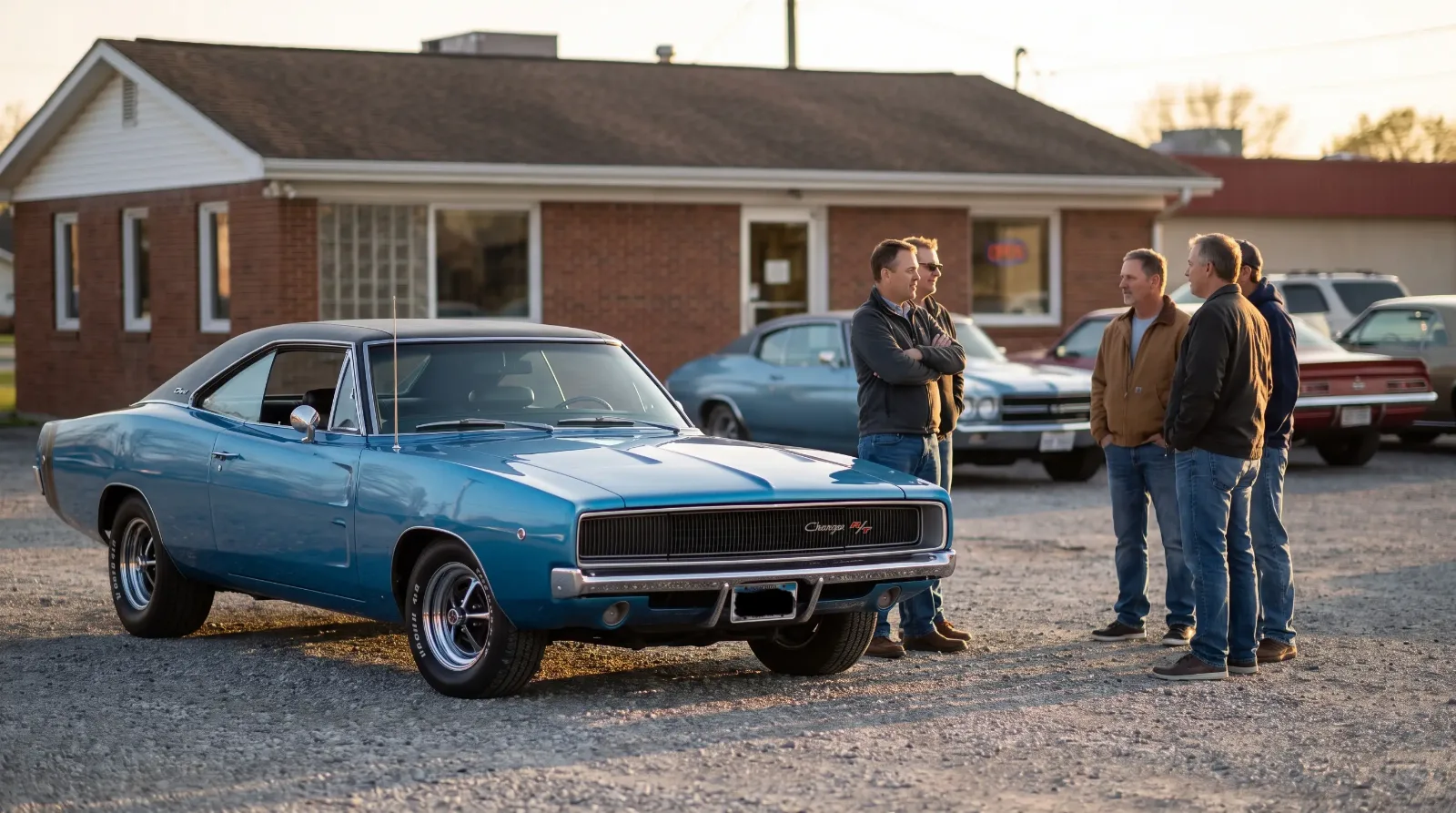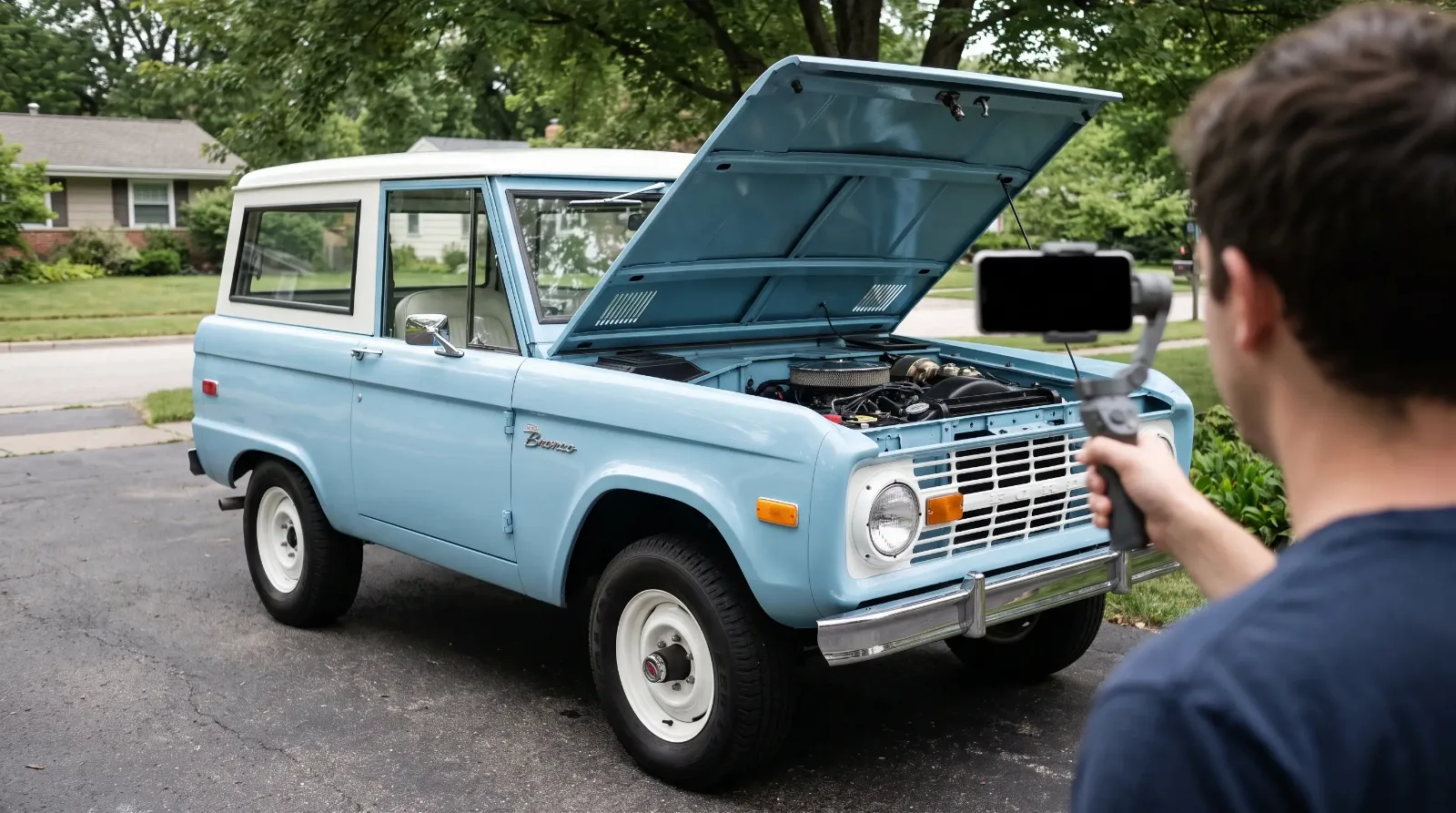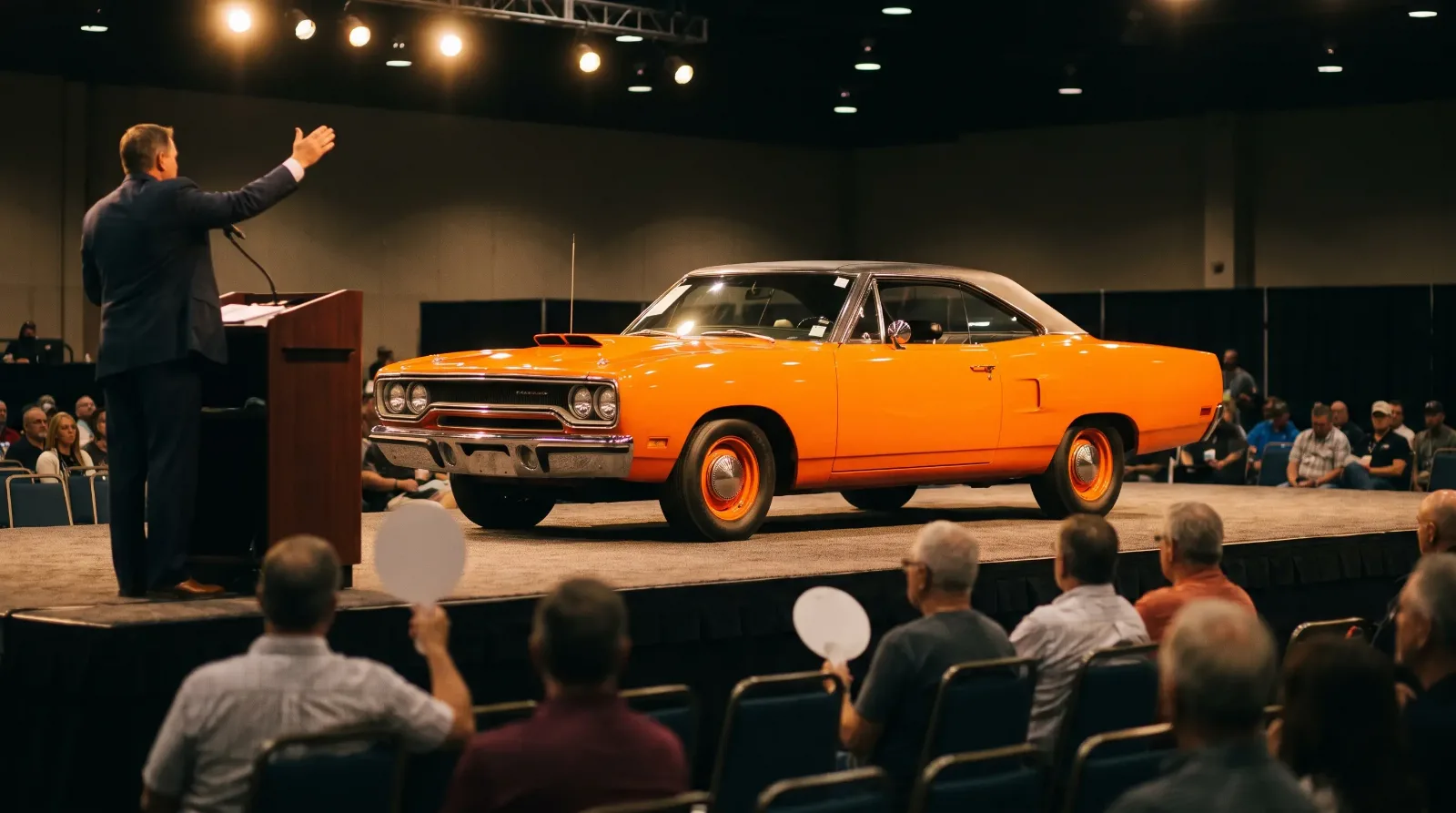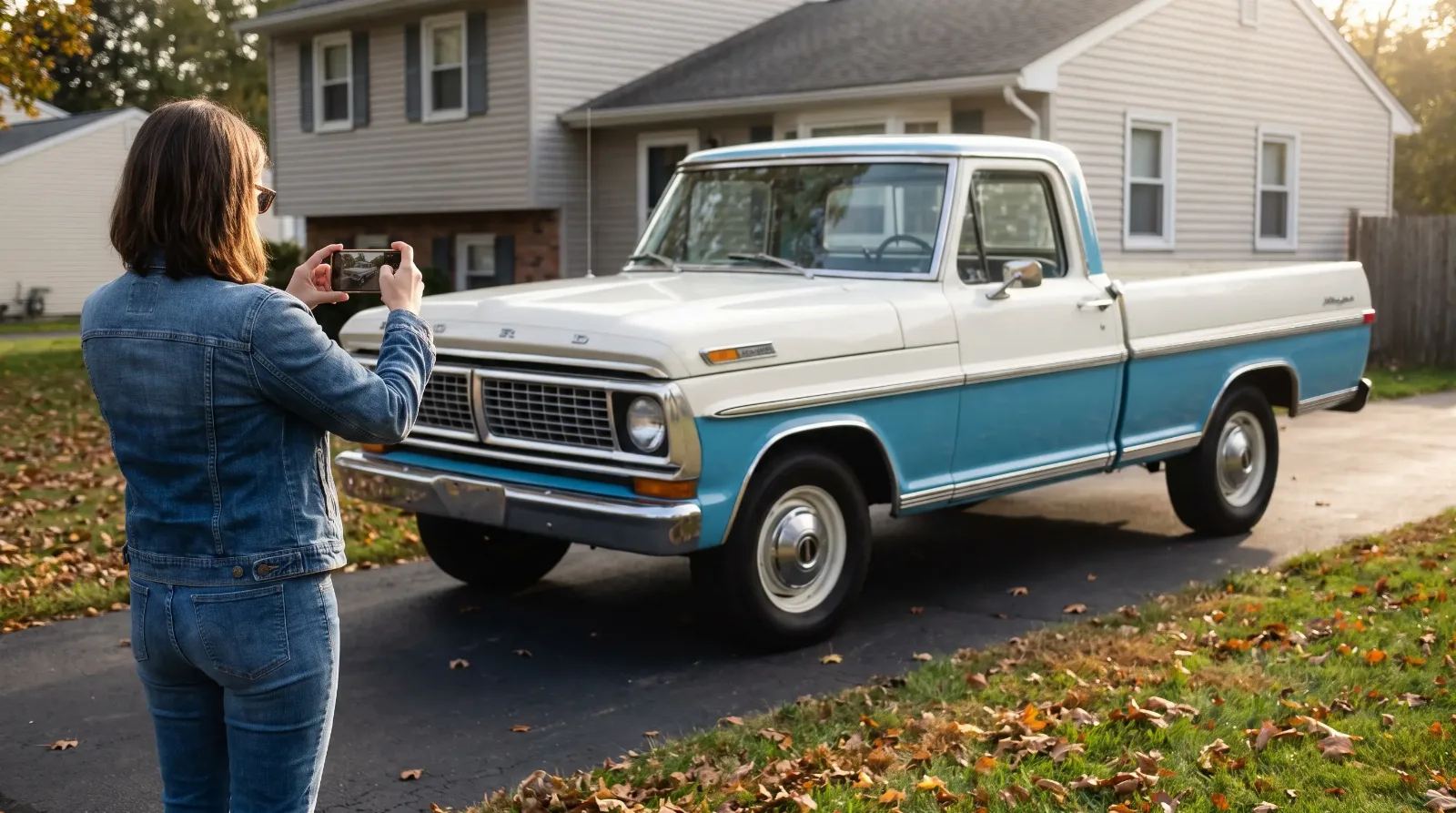
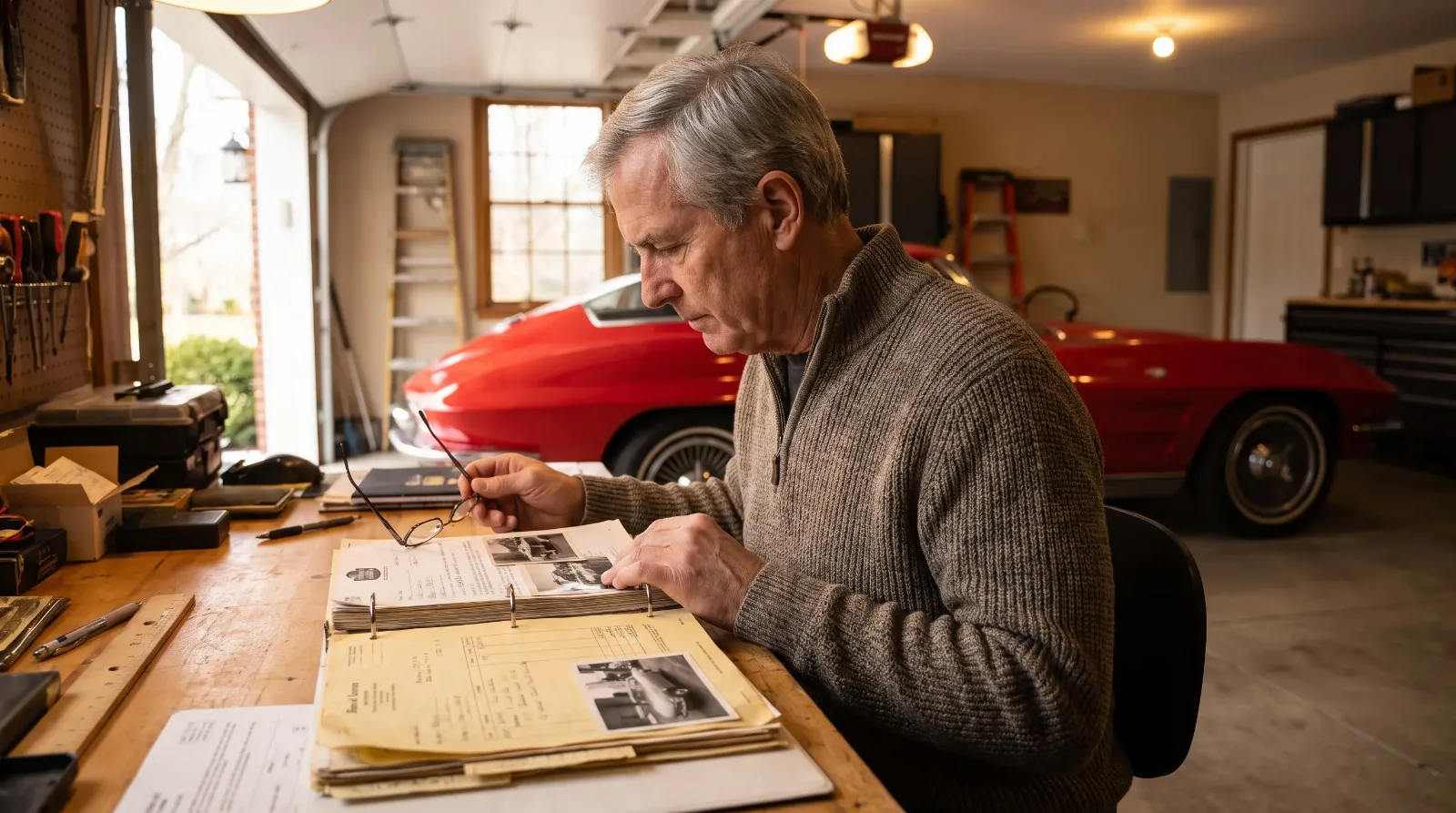
A private collector does not buy a car the way a dealer does. A dealer is buying inventory, and his interest ends when the car leaves his floor. A collector is buying an object with a history, and he intends to be part of that history for some time. He will read the file before he looks at the paint. He will ask who owned the car in 1978. He will notice that the radio is a later unit, and he will want to know whether you noticed too.
That attention is exactly why a collector often pays the most for a well-presented car, and why the sale asks more of you than any other route. Our classic car buyers guide sets the collector against the dealer, the cash-offer company and the consignment shop. This piece takes up the collector alone, and what that buyer will expect from you before any money changes hands.
What sets a collector apart from other buyers
The collector is the end of the chain. Nobody marks the car up after him, so he can pay a retail price, and sometimes more than a published guide suggests when the car is the right color, the right specification or the right story. In exchange he is deliberate. He has usually been looking for some time, he has seen examples that were misdescribed, and he has learned to be patient.
Patience works in both directions. A collector will rarely rush you, but he will not be rushed either. Expect questions in writing, a request for more photographs of a particular area, a conversation with a specialist he trusts and, often, a pause of a week or two while he thinks. Sellers who read that pause as lost interest and cut the price tend to give money away. Sellers who read it as an invitation to pressure him usually lose him.
He also values discretion. Many collectors would rather not have their purchase discussed on a forum, and some prefer that the sale price stay private. Ask how they would like the transaction handled, and respect the answer.
The file is part of the car
For a collector, documentation is not an accessory to the sale. It is a component of the object, and a car with a complete, coherent file is a different car from the same machine with a shoebox of loose receipts. Assemble the file before you list, in order, and know what is in it.
| What the collector asks about | What to have ready |
|---|---|
| Ownership history | Names and dates of previous owners where known, old titles or registrations, and any gaps stated plainly |
| Factory identity | Clear photos of the VIN, data plate or trim tag, and any build sheet, window sticker or factory invoice that survives |
| Mileage | Service records, inspection slips or old registrations that show the odometer over time |
| Restoration work | Invoices, the name of the shop, dates, and photographs taken during the work, especially of bare metal |
| Replaced parts | A written list of what was replaced and with what: original, new old stock, reproduction or a later part |
| Recognition | Judging sheets, registry entries or club records, if the car has been shown or documented |
Gaps are not fatal. Very few cars from the 1950s or 1960s arrive with an unbroken paper trail. What the collector objects to is a gap that has been papered over with assumption. "We do not know where the car was between 1981 and 1994" is an acceptable sentence. A confident account of those years that turns out to be a guess is not.
Originality, described precisely
The single most important thing a collector expects is an accurate description of what is original and what is not. This is where sellers most often damage a sale, rarely through dishonesty and far more often through loose language.
"Numbers matching" is the obvious example. To one person it means the engine is the factory-installed unit. To another it means the block carries a correct date code and partial VIN stamp, which a replacement block can be made to carry. A collector will ask which you mean, and how you know. If the answer depends on a previous owner's word, say so. If a specialist has inspected the stampings, name the specialist and supply the report.
The same care applies to finishes and trim. Original paint, a respray in the original color and a respray in a different color are three different conditions, and a collector prices them very differently. Upholstery replaced with a correct reproduction is not original upholstery, even if it looks identical in photographs. State these things in the listing rather than waiting to be asked. A collector who discovers an overstatement during inspection does not simply lower his offer. He stops trusting everything else you have told him, and the sale usually ends there.
Grade the car as you would expect a disinterested appraiser to grade it. Hagerty notes that the vast majority of collector cars are #3, a good car with visible flaws on close inspection. Describing a #3 car as a #2 does not raise its value. It only lengthens the conversation before the collector discovers the difference.
"A collector forgives an honest gap in the record. What he cannot forgive is a description that was more confident than the evidence. Say what you know, say how you know it, and say where your knowledge stops."
— Sarah Whitfield
Inspection, access and distance
A serious collector will want the car inspected, and usually not by you or your mechanic. Expect a pre-purchase inspection by a specialist of his choosing, either in person or by an inspector he hires locally. Make that easy. Offer a cold engine at the appointment, access to a lift if you can arrange it, time for a test drive, and the full file laid out on a table. A seller who limits the inspection invites the obvious question of what the limit is protecting.
The right collector is often not nearby. The pool of buyers for any particular classic is small, and the person who has wanted your exact car for a decade may live across the country. That brings its own procedure for photographs, video, payment and transport, and the steps for how to sell car to remote buyer without taking on avoidable risk are worth reading before you agree to anything at a distance.
Price, terms and the close
A collector prices from evidence. He will know the recent completed sales for comparable cars, and he will expect your asking price to be supported by those sales rather than by what you have spent on the car or what it means to you. If your price sits above the comparables, explain why with specifics: the documentation, the originality, the color, the ownership history. If you cannot explain it, he will assume you cannot justify it.
Negotiation with a collector is usually courteous and informed. He may make a single considered offer rather than a series of small ones. Answer it with the same care, and if you decline, say what figure you would accept.
At the close, expect him to want a clean title in your name, a bill of sale that describes the car as it was represented, and payment by bank wire or through a licensed escrow service, with the funds confirmed before the title or the car moves. If you need the money this week, a collector is the wrong buyer, and the faster routes are a different conversation; that's covered separately.
Finding the collector is the remaining task. Some are reached through marque clubs and registries, some through specialist dealers, and many through listing sites where collectors look for new cars each week; the complete rundown compares the venues. ClassicCarsArena charges a flat one-time fee of $49, $99 or $179 with no commission, the listing stays up until the car sells, the buyer pays you directly, and the Featured and Premium tiers go out in newsletter sends to more than 15,000 subscribers who asked to hear about new listings. If that suits the car, see the seller options and present the file as carefully as you would present the car.
Sources and notes
- Hagerty: what does a car's condition really look like (most collector cars are #3)
- 49 CFR 580.17: odometer disclosure exemptions (model year 2010 and older)
- Escrow.com: fee schedule by transaction amount
- FTC: how to spot, avoid and report fake check scams
- California DMV: title transfers and the Notice of Transfer and Release of Liability
Title and transfer rules vary by state. Check your own DMV before closing, and treat this as general information, not legal advice.