
The day the car comes home from the shop is the day you find out what the work was worth. Not what it cost. What it was worth. Those numbers can be far apart, and the document that settles it is the appraisal. A classic car appraisal after restoration drives the agreed value on your insurance policy, supports a sale or a loan, and gives you a baseline for every year afterward.
Restoration & Tech
7 min read
Appraisal After a Restoration: Agreed Value and Documentation
How a finished restoration gets appraised: documentation, condition tiers, comps, and how an agreed value is set. What to hand the appraiser and what to expect.
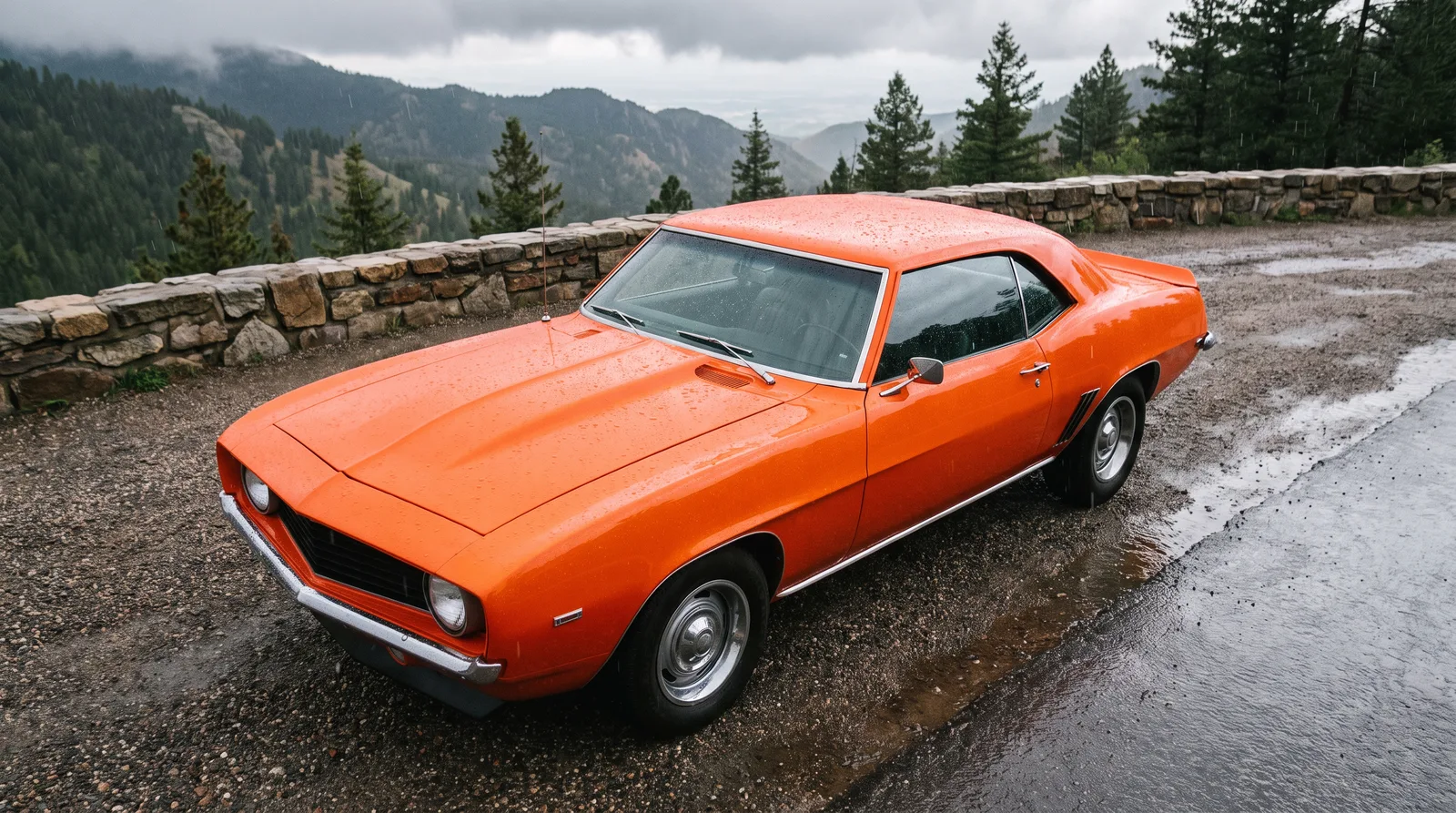
Appraisers are not judging the invoice. They are judging the car in front of them and the evidence behind it. Owners who prepare for that conversation get better numbers, and fewer unpleasant surprises.
What an appraiser actually checks
A qualified appraiser looks at identity, originality, condition and market. Identity means VIN, body tag and engine numbers match the title and the claimed configuration. Originality asks whether the car is correct to its year and trim, or modified, and whether the modifications are period appropriate. Condition is rated against a tier scale, commonly on the Hagerty-style six-grade scale, from #1 for concours down to #6 for a parts car. Market is the comparable sales that give the number context.
| Tier | Description | Appraiser looks for |
|---|---|---|
| #1 Concours | As good as or better than new | Correct finishes, no flaws under close inspection, full documentation |
| #2 Excellent | Could win at a local show | Clean body, consistent gaps, correct details, minor wear only |
| #3 Good | Well kept driver | Sound, presentable, some visible wear or non original items |
| #4 Fair | Running, needs work | Cosmetic or mechanical deficiencies |
| #5 Project | Needs a full restoration | Incomplete or non running, major work ahead |
| #6 Parts | Beyond restoring as a whole car | Value mostly in salvageable components |
Be careful with the tier your own pride suggests. A fresh restoration that cost six figures can still land at a #2 if panel gaps are uneven or finishes are not correct. Appraisers will say so, and the number follows the tier.
The documentation package
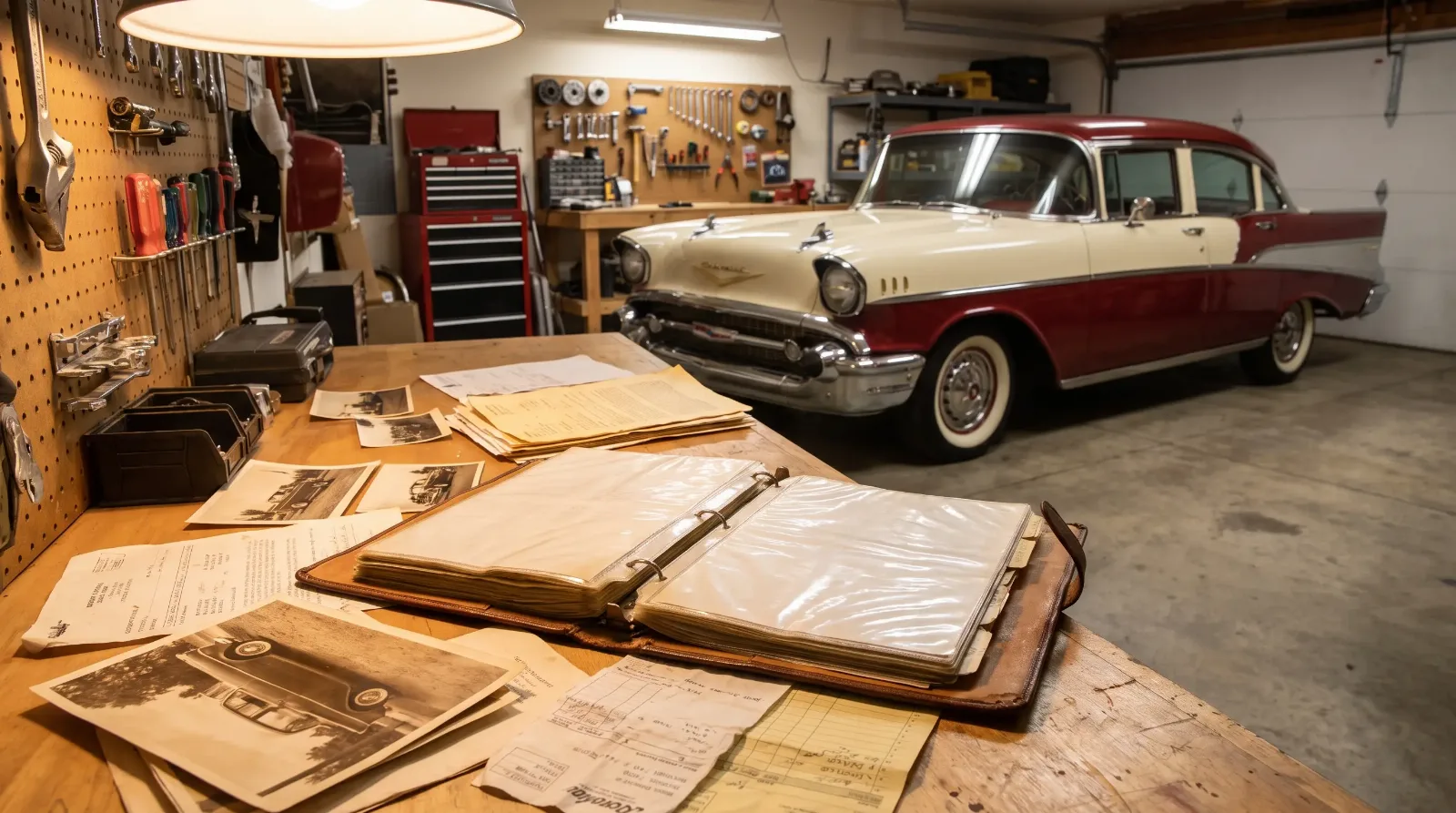
This is where owners win or lose value. Assemble a binder, physical or digital, before the appraiser arrives. It should hold the title and any factory documents such as a build sheet, window sticker or dealer invoice, photographs of the car before, during and after the work, and every shop invoice with hourly detail. Add receipts for major parts, particularly numbers matching or date coded components, and any marque club or judging certifications.
The invoices matter beyond proving cost. They show the sequence and level of work, and that is how an appraiser distinguishes a surface refresh from a ground up rebuild. If you want the vocabulary for that distinction, our guide on restoration level explains what separates a driver quality job from a body off, concours standard one.
Agreed value: how the number gets set
For insurance, the appraisal is typically used to establish agreed value. The insurer accepts a number supported by the appraisal, and in a total loss pays that number, less your deductible, without arguing depreciation. Requirements vary by insurer: some accept detailed photos and documentation on lower value cars, and a professional appraisal becomes more important as the value rises. Fees vary by region and by how complex the car is, and rare or high value cars cost more, so ask for the fee before you book.
Replacement value and market value are not the same thing, and the gap is where restorers get hurt. Invoices that total $150,000 do not mean the car is worth $150,000. Comparable sales do. If finished cars of that type bring $90,000 at auction, the appraisal will land near $90,000 regardless of what was spent. Our guide to what the work cost helps you see where a project falls relative to market before you start, which is far better than finding out at the appraisal.
Comparables and the weight of provenance
Appraisers use recent public sales: auction results, dealer asking prices that actually closed, and registry data. They adjust for condition, mileage, options and documentation. A car with a verified history, such as a known first owner, factory records and a documented restoration, is easier to value and tends to hold a premium over a similar car with gaps. The thing that moves value fastest is not the paint. It is a paper trail that proves what the car is.
Another factor is who did the work. A restoration by an established shop with a documented track record carries more weight than an unknown one, and it helps if you can show the project was done by the shop that did the work with invoices on its letterhead. That is one reason to pick a shop with a good reputation before the project starts.
Choosing the appraiser
Not every appraiser is the right one for your car. Look for someone with credentials from a recognized appraisal body, experience with your marque or era, and no financial interest in the outcome, which rules out a dealer who hopes to buy it. A fee tied to a percentage of the appraised value is a red flag; the IRS does not allow it for donation appraisals. Ask for a sample report, and check that it lists comparable sales, not just a number. A report that shows its work is one an insurer, lender or buyer can rely on. A single page with a value and a signature is not.
Schedule the appraisal when the car is clean, fueled and ready to start, with the binder on the seat. Be present, answer questions honestly, and point out flaws before the appraiser finds them. Candor builds credibility, and credibility tends to protect the number.
"I can appraise the car in front of me. I cannot appraise the story that is not on paper. If it is not documented, the number has to assume the worst."
David Mercer
Keep the appraisal current
An appraisal is a snapshot. Markets move, and a number set at delivery can be out of date within a couple of years. Many insurers and appraisers suggest reviewing agreed value at least once a year at renewal, and getting a fresh appraisal every few years or sooner if the market for your model is moving. Keep adding photos, service records and show results to the binder, so each update starts from a stronger file.
If the number comes in below the invoices, do not assume the appraiser is wrong. Often the real story is in the cost structure of the build, and why restorations cost so much compared with what the market will pay. Understanding that gap is the difference between an owner who is surprised and one who planned for it.
Sources and notes
- Classic car insurance guide, agreed value payout, appraisal versus photo documentation, yearly review
- Why update your agreed value, why a fixed agreed value falls behind the market
- Hagerty classic car insurance, guaranteed value paid on a covered total loss
- IRS Publication 561, Determining the Value of Donated Property, fair market value definition and qualified appraisals
- IRS instructions for Form 8283, qualified appraiser independence and no percentage based fees
Related Reading
Have a
Classic Car
for Sale?
Reach thousands of serious classic car collectors across the US.
Sell It Here →
Selling a classic? Here's how: where to sell your classic car online
Are You a Classic Car Dealer?
List your full inventory and connect with targeted classic car buyers.
Join as a Dealer →

About the author
David Mercer
Classic car market analyst with two decades of experience tracking collector car valuations, auction results, and investment trends.
More in Restoration & Tech

Comments
Be the first to comment on this article.