Somebody always tells you that your old engine will burn up its valves on modern gas. Somebody else says that is a myth. Both are partly right, and neither tells you what to do on the day you are building the engine. Here is how I look at it, with the numbers I trust and the ones I do not.
What lead actually did
Tetraethyl lead in gasoline did two jobs. It raised octane, and it left a thin deposit on the exhaust valve and seat that cushioned the contact and slowed wear. Remove the lead and the octane has to come from somewhere else. The cushion does not come back on its own.
In the United States, lead was phased out of regular gasoline for road use through the 1970s and into the 1990s, with the Clean Air Act ban on leaded gasoline for on-road vehicles taking effect on January 1, 1996. Many US engines from 1971 onward were already built with lower compression, and hardened seats followed in the early to mid 1970s, for that reason. Engines built before then, with soft cast-iron seats, are the ones at risk.
Valve seat recession: the real problem
Without the lead cushion, the exhaust valve can slowly hammer into a soft cast-iron seat. One SAE paper reported recession running 10 to 20 times faster on lead-free fuel than on leaded fuel in the engines it tested. The seat recedes, the valve sinks deeper into the head, the valve lash tightens and eventually the valve does not close fully. The symptoms are a rough idle, lost compression and a burned valve.
It is not a guarantee. Light-duty use, such as short drives and low load, often does not cause trouble for years. Sustained high rpm, towing and heavy loads do. Whether any specific engine needs a conversion depends on how you use the car, which is why a blanket answer is wrong.
Your options during a rebuild
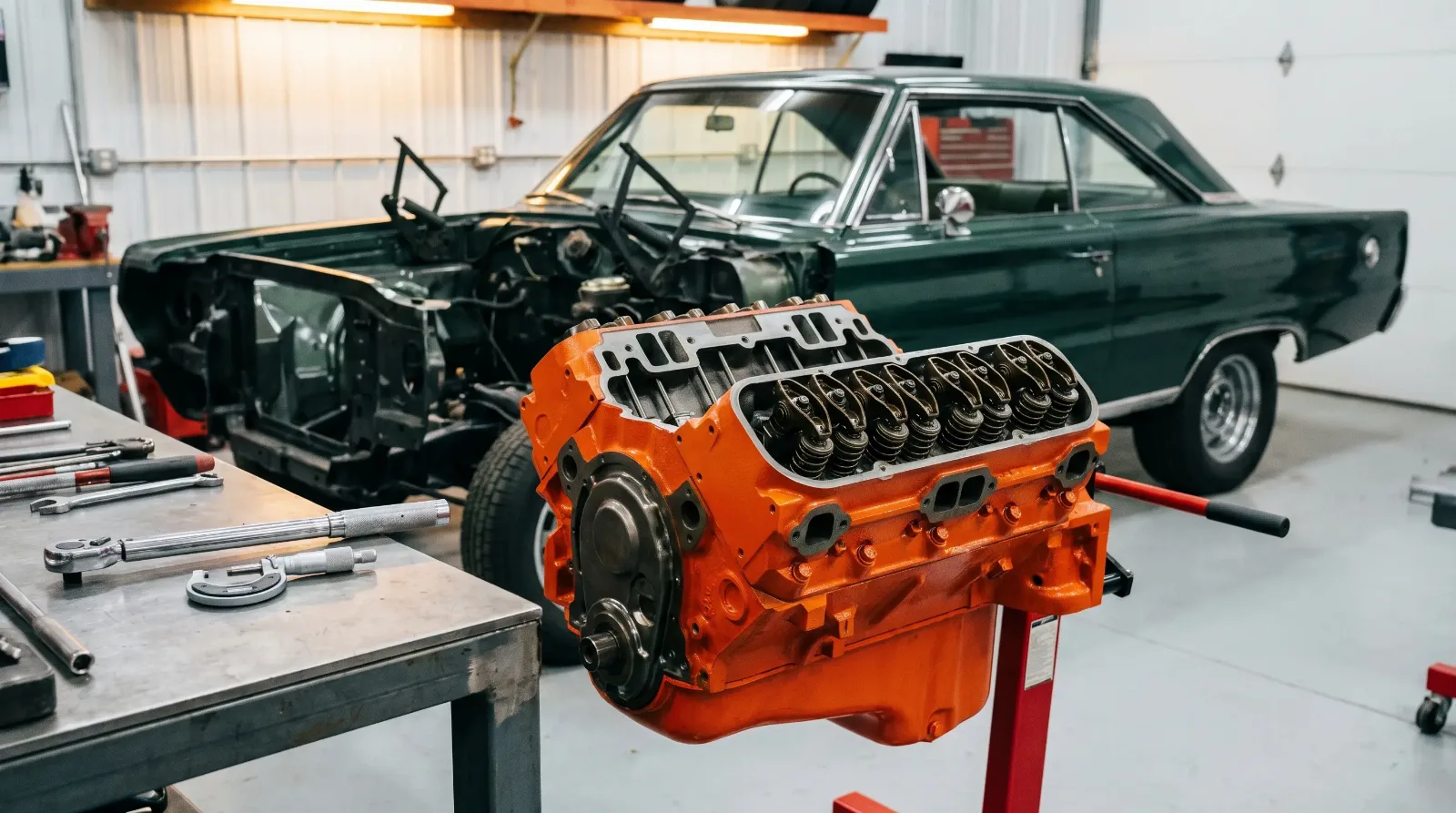
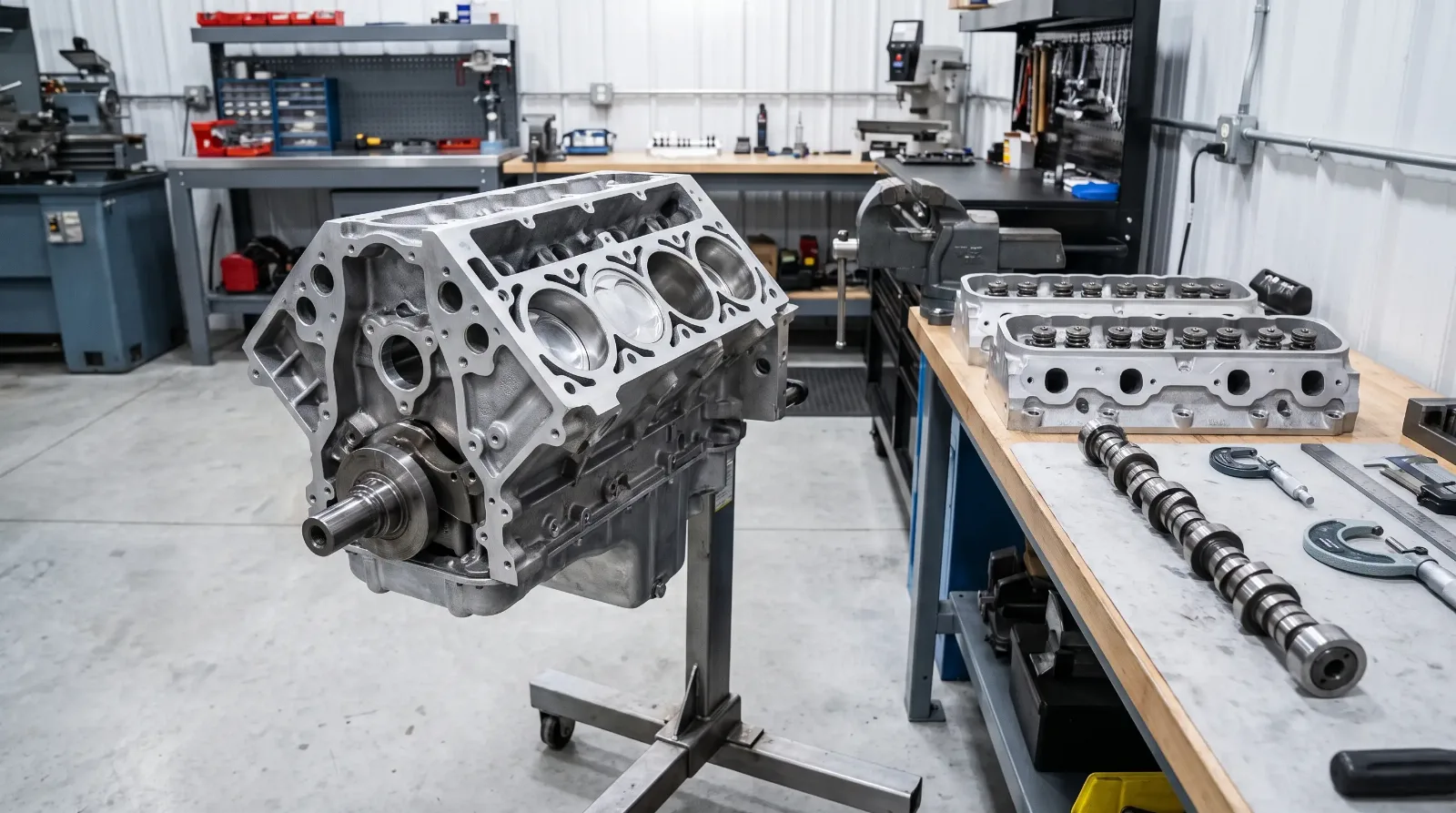
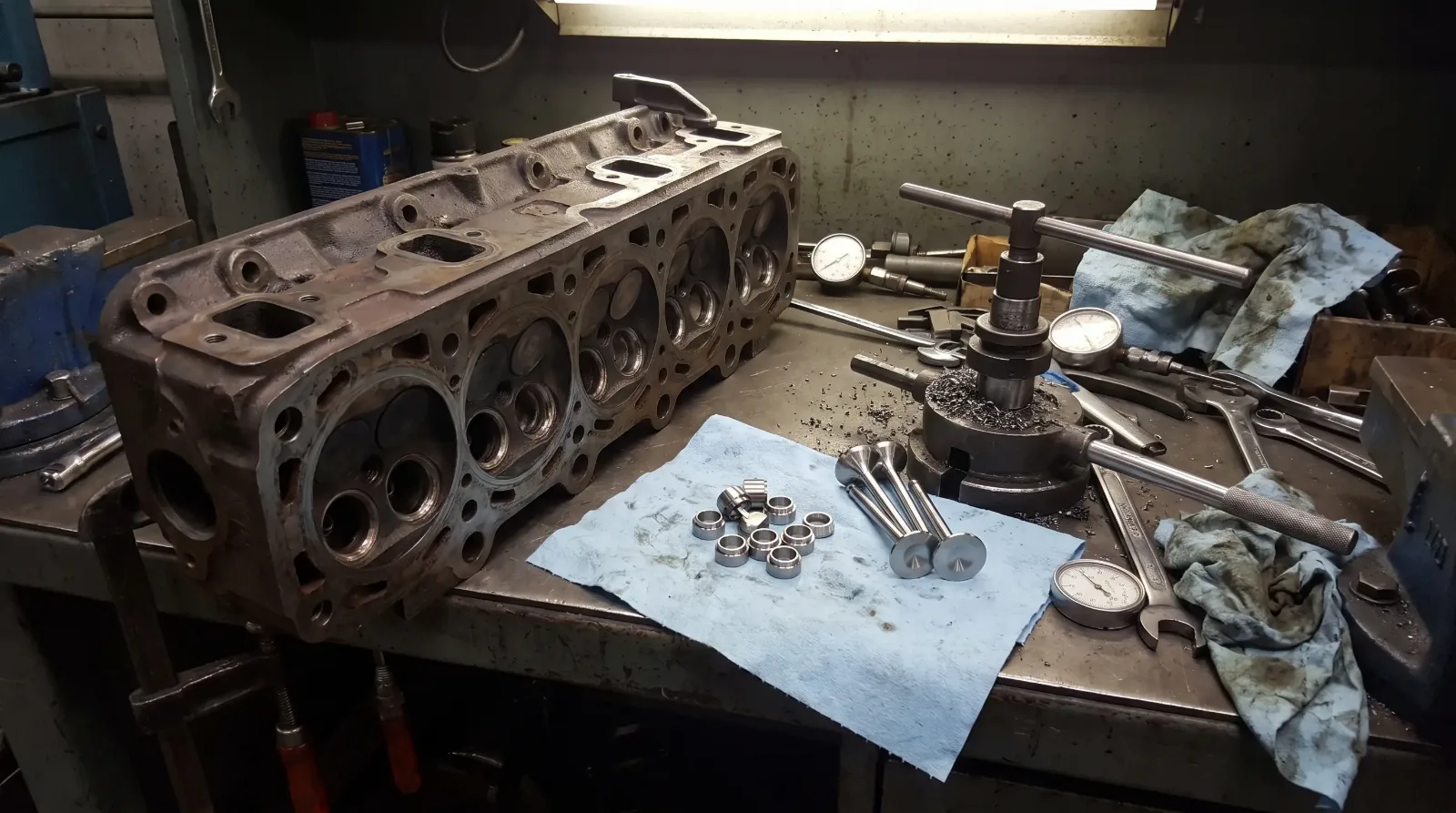
If the heads are already off the car, fix it now, because the machine work is the cheapest it will ever be. Three common routes exist.
- Hardened seat inserts. The machine shop cuts out the soft seat and presses in a hardened insert. This is the standard fix, and it lasts. Shops usually price it as an extra charge on top of the valve job, so ask for the insert cost as a separate line.
- Hardened valves and seats on the exhaust side only. The exhaust side takes the damage, so some builders convert only those. It costs less and covers the main risk.
- Factory hardened seats. Later heads often came with induction-hardened seats from the factory. Do not assume that protection survives machining, because grinding the seats can remove the thin hardened layer.
A full valve job on a pair of V8 heads with seat inserts commonly lands somewhere between $400 and $1,200 per pair of heads before inserts, depending on the shop and engine, so get a written quote. Compared with the cost of pulling the engine again in three years, that is cheap.
| Approach | Cost (2026) | Protection | Best for |
|---|---|---|---|
| Hardened inserts, all seats | Valve job (about $400 to $1,200 per pair) plus an insert charge | High | Rebuilds, regular driving |
| Hardened exhaust seats only | Valve job plus a smaller insert charge | Good | Budget rebuilds |
| Additive in fuel | A small added cost per tank | Limited, varies | Unmodified engines, light use |
| Do nothing | $0 | None | Late engines with hardened seats |
What about additives
Lead substitute additives exist, and many contain potassium or sodium compounds that aim to cushion the valve and seat. Results vary by product, and I would not trust one to protect a hard-working engine. They are a fair backup for a light-use car that has not been converted, and a poor substitute for hardened seats in a fresh rebuild. Check the manufacturer's data before you buy, because claims are not standardized.
Treat any additive as a supplement, and keep records of what you used and how often. Octane is a separate subject. Lead substitute and octane booster are not the same product. Match the compression ratio and cam to the pump octane you can actually buy.
"If the heads are on the bench, put in hardened seats. It is the cheapest insurance in the whole job."
Mike Sullivan
How to tell if your engine is at risk
Start with the year and the use. A pre-1971 engine with original soft seats that will cruise at highway speed, tow or spend long stretches at high rpm is the most exposed. A late engine with factory hardened seats that sees weekend drives is much less likely to have trouble. Look up the head casting and ask a machinist what seat it has, and do not assume.
If the car is already running, a compression and leakdown test shows whether the exhaust valves are sealing. Valve lash that keeps tightening over a few thousand miles is the classic sign of seat recession. If you see it, the heads need attention at the next opportunity, not in ten years.
Check the heads you have
If you are buying a rebuilt or crate engine, ask whether the heads have hardened seats. Many modern aftermarket and reman heads do, but not all, and the sales page may not say. Confirm it in writing. For the full job in context, our Classic Cars Arena engine rebuild guide walks through diagnosis, machine work and assembly.
The history helps explain why this matters. The shift to unleaded fuel changed how engines were built and how they have to be rebuilt now, a story covered in the piece on emissions, unleaded fuel and muscle cars.
After the build
New seats and fresh valves still need a correct break-in. If your engine has a flat-tappet camshaft, the first twenty minutes decide the life of the cam. Read about cam break-in before you fire it, and have the right oil, the right springs and a plan for the first start.
Sources and notes
- SAE paper 710368, Valve Problems with Lead-Free Gasoline, recession 10 to 20 times faster on lead-free fuel and the effect of induction-hardened seats
- Tetraethyllead (Wikipedia), lead as a buffer against microwelds on valve seats and the January 1, 1996 on-road ban
- Leaded gasoline (Wikipedia), US phase-out timeline and the potassium and sodium lead replacement additives
- Do I need new valve seat inserts? Are they worth it? (Auto Restorer), inserts after repeated valve jobs and for unleaded fuel, with insert work priced as an add-on
- Unleaded valves (Puma Race Engines advice, yarchive), recession mainly on exhaust seats of cast-iron heads and conversion with hardened inserts