
Nobody makes a new Studebaker. That is the whole problem with orphan cars, and also the reason their owners tend to be the most resourceful in the hobby. When the factory is gone and the dealer network has been closed for decades, parts come from three places: surviving stock, reproduction, and each other. the parts guide covers the general channels, and this article covers what changes when the brand itself no longer exists.
Restoration & Tech
6 min read
Finding Parts for Orphan Brands: Studebaker, AMC, Packard and More
How to find orphan car parts for Studebaker, AMC, Packard and other defunct brands: shared parts, clubs, specialist vendors, reproduction, and fabrication.
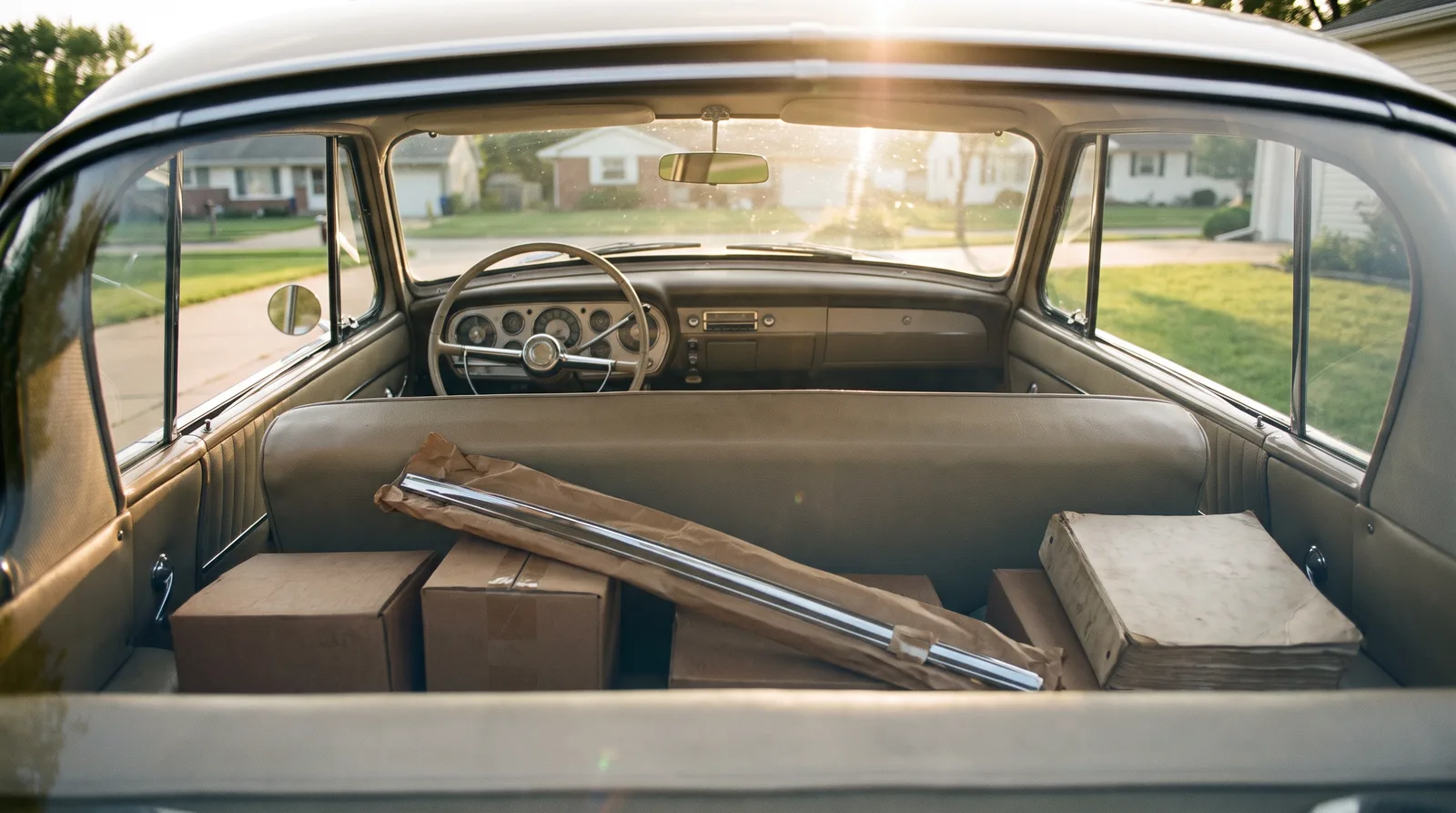
The brands in question include Studebaker, Packard, AMC and its Nash and Hudson ancestors, DeSoto, Plymouth, Mercury, Oldsmobile, and Pontiac. Some are true orphans, closed decades ago. Others, like Plymouth (ended in 2001) and Pontiac (ended in 2010), are more recent, and many of their mechanical parts were shared with other brands in the same corporation. The first job is to find out how much of your car came from a shared parts bin.
Start with the shared parts
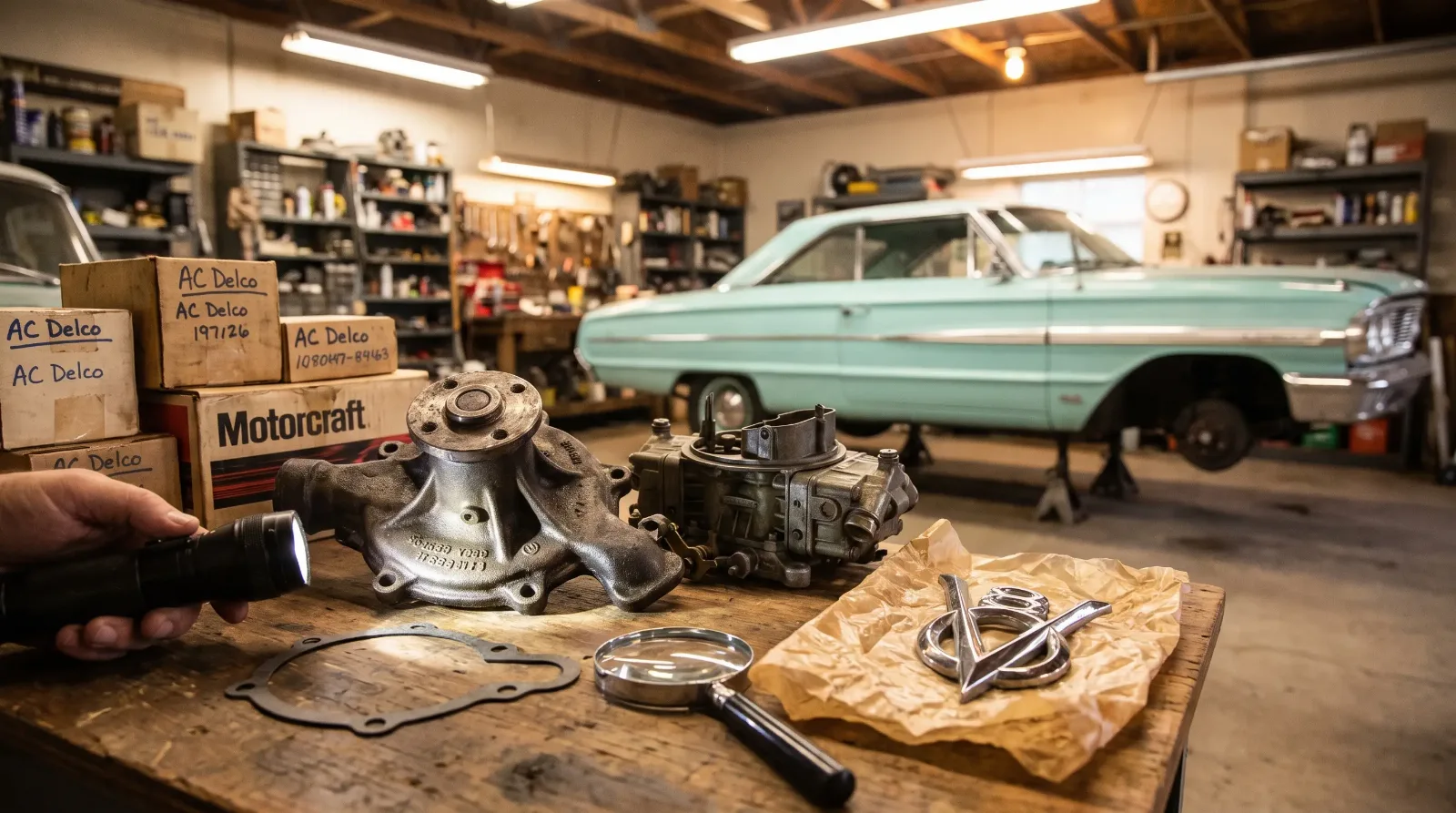
Corporate parts sharing is the orphan owner's best friend. Many AMC engines and axles were used across models for years, and some Studebaker and Packard components were sourced from outside suppliers whose numbers appear in the catalog. Carburetors, ignition parts, generators, and brake hardware are often the same as those found on other cars of the era. Ask a club member for the interchange list before you buy anything marque specific.
Cross reference the original supplier's number rather than the carmaker's number, and you may discover that a part is still available from a rebuilder under another name.
| Brand | Typical parts situation | Where owners look first |
|---|---|---|
| Studebaker | Reproduction, used, and NOS parts through specialist vendors | Studebaker Drivers Club, specialist vendors |
| AMC | Good mechanical supply, trim is harder | AMC clubs, shared parts with other makes |
| Packard | Club supported, body trim is the hard part | Packard clubs, specialist machinists |
| Hudson and Nash | Limited, club driven | Club swap meets, registries |
The club is the parts store
For orphan brands, the owner's club is the real catalog. Clubs keep parts lists, run classified sections, and know which vendor holds the last box of NOS valve lifters. Join before you buy the car if you can. Membership is modest, and the access to chapter members who have already solved your problem is worth more than any single part.
Specialist vendors have also grown around the biggest orphans. These small firms buy out warehouse stock, reproduce high demand items, and keep catalogs. Many are tiny and reached by phone, and some focus on club members. A visit to a national meet is the best way to meet them, since many bring truckloads of stock that never reach a website.
Reproduction, fabrication, and the specialist
When no part exists, the options are reproduction or fabrication. Fabrication shops can make sheet metal panels, brackets, and floor pans from a pattern, and machine shops can reproduce engine and chassis components from drawings or a sample. The cost is higher than a catalog part, and so is the lead time. For a full car, it can be worth consulting marque restoration specialists who already hold patterns, jigs, and knowledge of the brand's quirks.
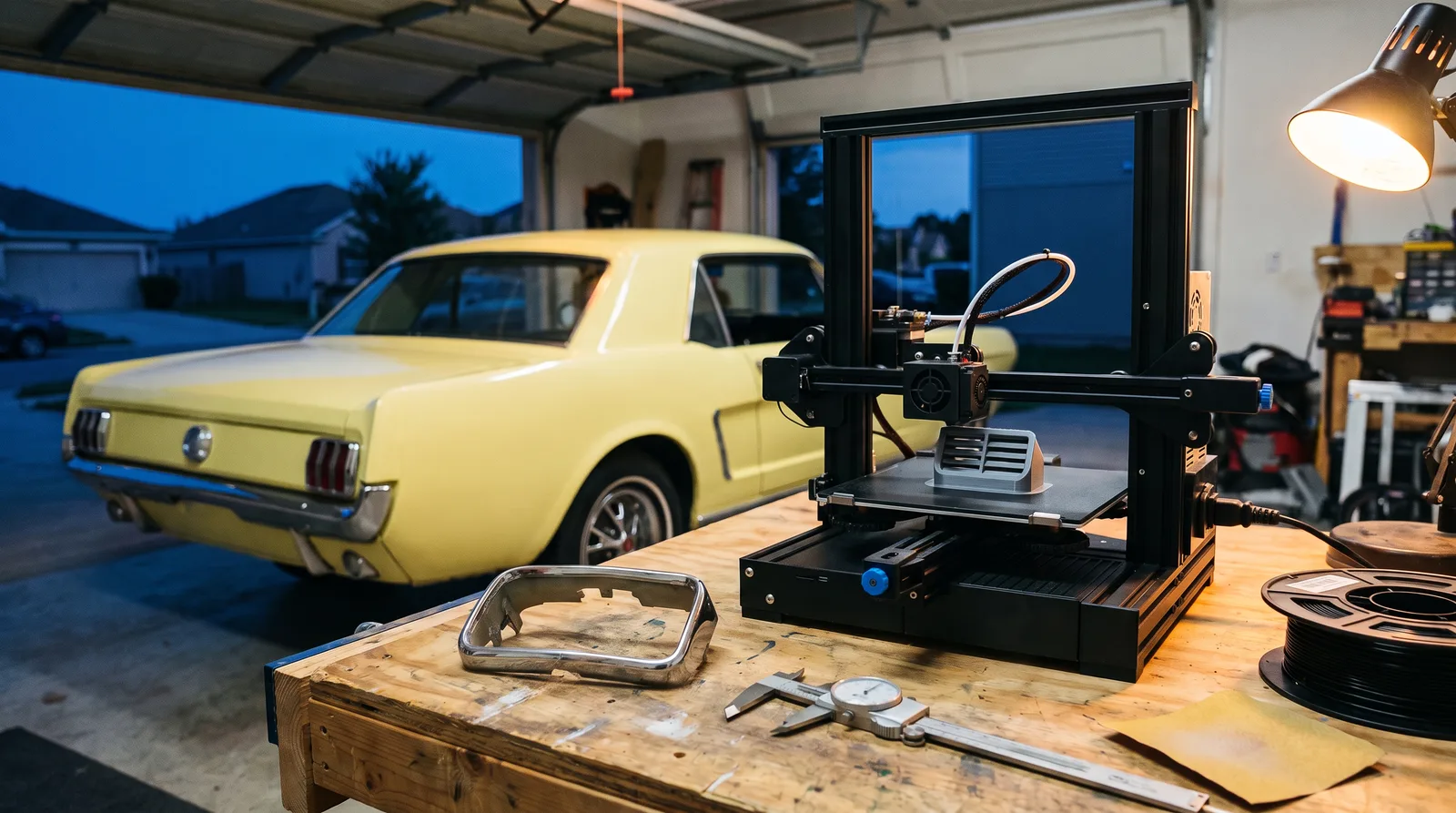
Printed and remanufactured trim can fill some missing small pieces, but the structural and mechanical parts of an orphan should be made in metal by a shop that has done it before. Ask to see an example of finished work for your brand before you hand over the car.
Luxury and pre-war orphans
The luxury marques have their own parts economics, since production was small and parts were expensive new. The article on sourcing rare parts for orphaned luxury marques describes the market for these cars. A broader view appears in the review of parts availability across the classic luxury marques, which shows how supply varies even among high end brands. For very early cars, the guide to sourcing pre-war parts covers the swap meet and machine shop approach that pre-war owners rely on.
For orphans of foreign origin, the problem has a second layer, because the factory and the importer may both be gone. The principles are similar, and the notes on import parts cover the specifics for those cars.
"The orphan owner does not have a parts store, he has a phone list. Build it before you need it, because the person who has your part is usually not on the internet."
Tom Ramirez
Is an orphan a good idea?
For the right owner, yes. These cars are cheaper to buy than their better known peers, and the community is helpful. The cost comes in time. Budget extra months for parts, accept that some pieces will be used rather than perfect, and treat the club as part of the purchase. If you want a car you can order everything for from a catalog, buy a different brand.
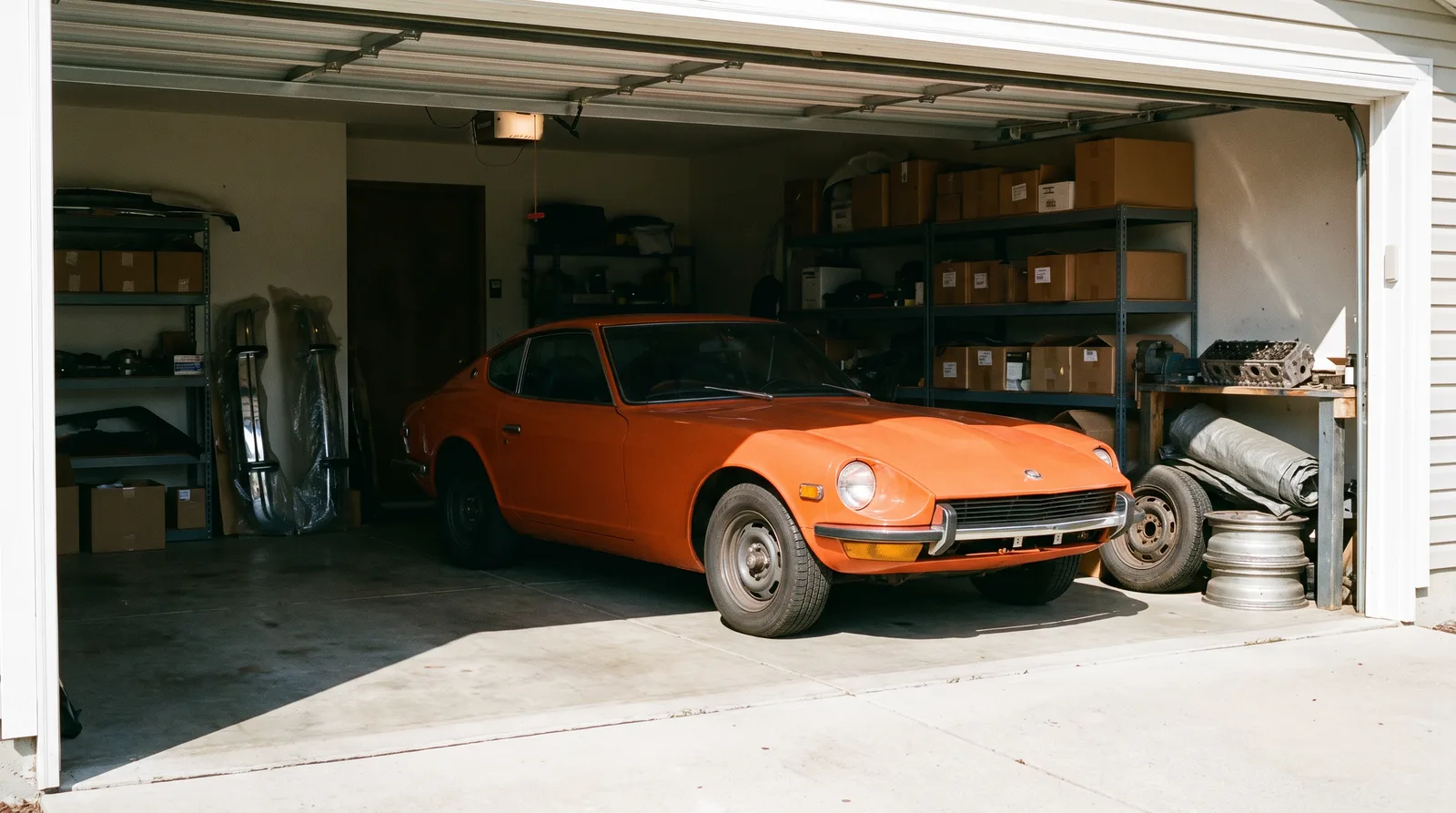
Documentation deserves a final word. Orphan brands often have thin factory records, so the owner who photographs, measures, and catalogs every original part becomes a source for everyone else. Share what you learn in the club newsletter or forum. A pattern, a drawing, or a clear photo of how a bracket mounts can save the next owner months, and the habit of sharing is what keeps these brands on the road. Even a short note on what failed and how you fixed it gives later owners a head start, and it costs you ten minutes of typing.
Sources and notes
- Studebaker, Wikipedia, South Bend and Hamilton closure dates, parts stock passing to the Avanti buyers
- Plymouth, Wikipedia, brand discontinued in 2001
- Pontiac, Wikipedia, brand discontinued in 2010
- Studebaker Drivers Club, magazine, chapters, tech resources and links to vendors
- Studebaker Vendors directory, vendors offering NOS, used, and reproduction parts
- International AMC Rambler Car Club, club covering AMC, Nash and Hudson, with registries, tech data, and classifieds
Related Reading
Have a
Classic Car
for Sale?
Reach thousands of serious classic car collectors across the US.
Sell It Here →
Selling a classic? Here's how: sell my classic car
Are You a Classic Car Dealer?
List your full inventory and connect with targeted classic car buyers.
Join as a Dealer →

About the author
Tom Ramirez
Corvette researcher and historian based in Bowling Green, Kentucky. Two decades documenting Corvette production history from original factory records.
More in Restoration & Tech
Comments (1)
D
Dale Pruitt
1 week ago
One of my shop students brought in his granddad's Studebaker Lark years ago with a dead generator and no idea where to get another. We 1) pulled it and read the maker's number off the tag, 2) looked that number up in an old interchange book, and 3) found the same unit had gone on a pile of other cars. The local rebuilder had it back to him inside a week. The kid thought we'd performed a miracle.
P
PanheadPaul
1 week ago
Dale, that trick works for the electrics. Same on my Panhead, the generator's the easy part. It's the tin and trim nobody shared, and no number fixes that.
D
Dale Pruitt
1 week ago
You're right, Paul, trim's a different animal. What worked for that same student was 1) photographing the good side so he had a pattern, 2) asking at the chapter meeting instead of online, and 3) waiting. Took him most of a year to find a straight piece of side molding from a fella two counties over. Patience is the part nobody can sell you.