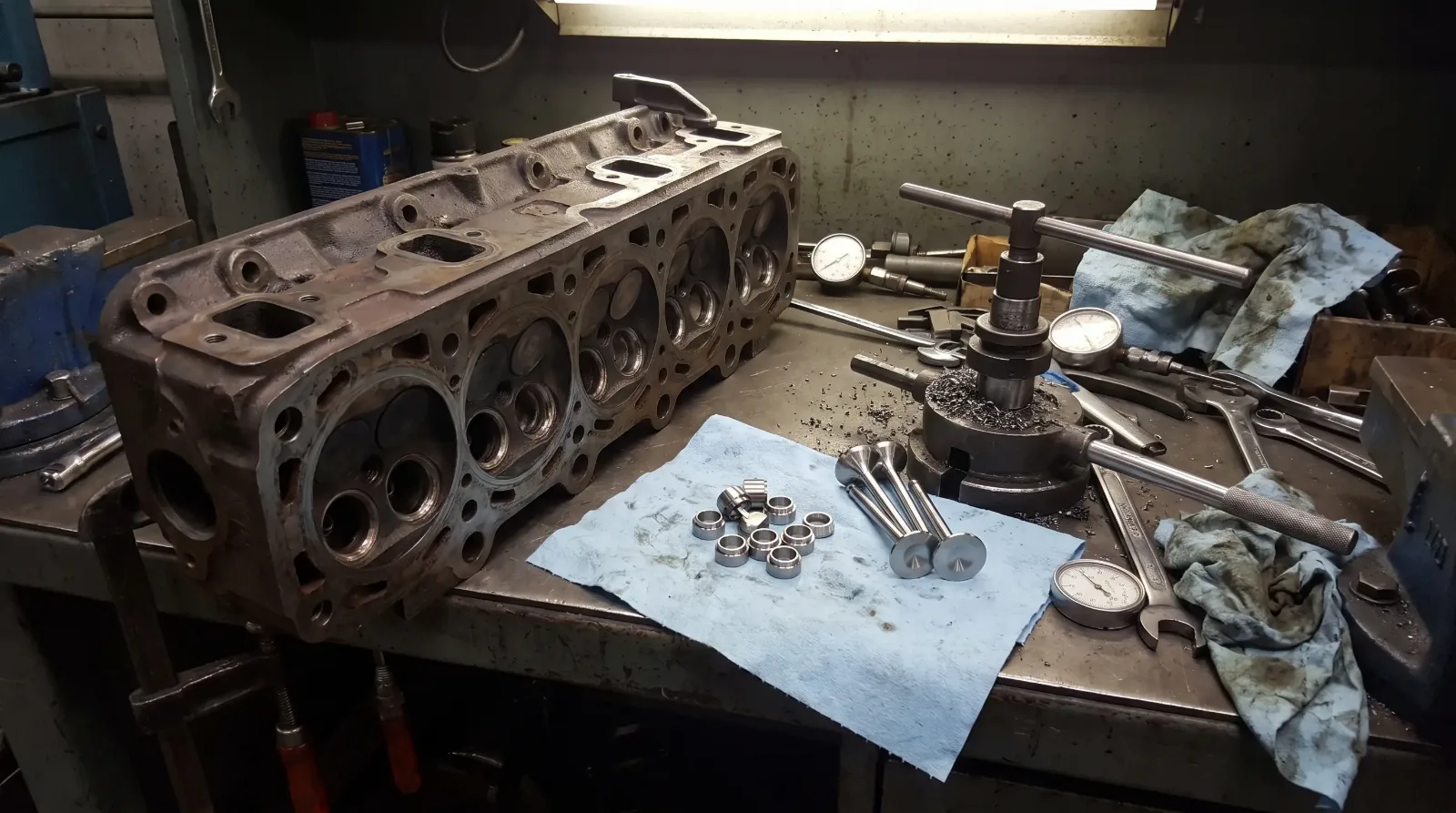
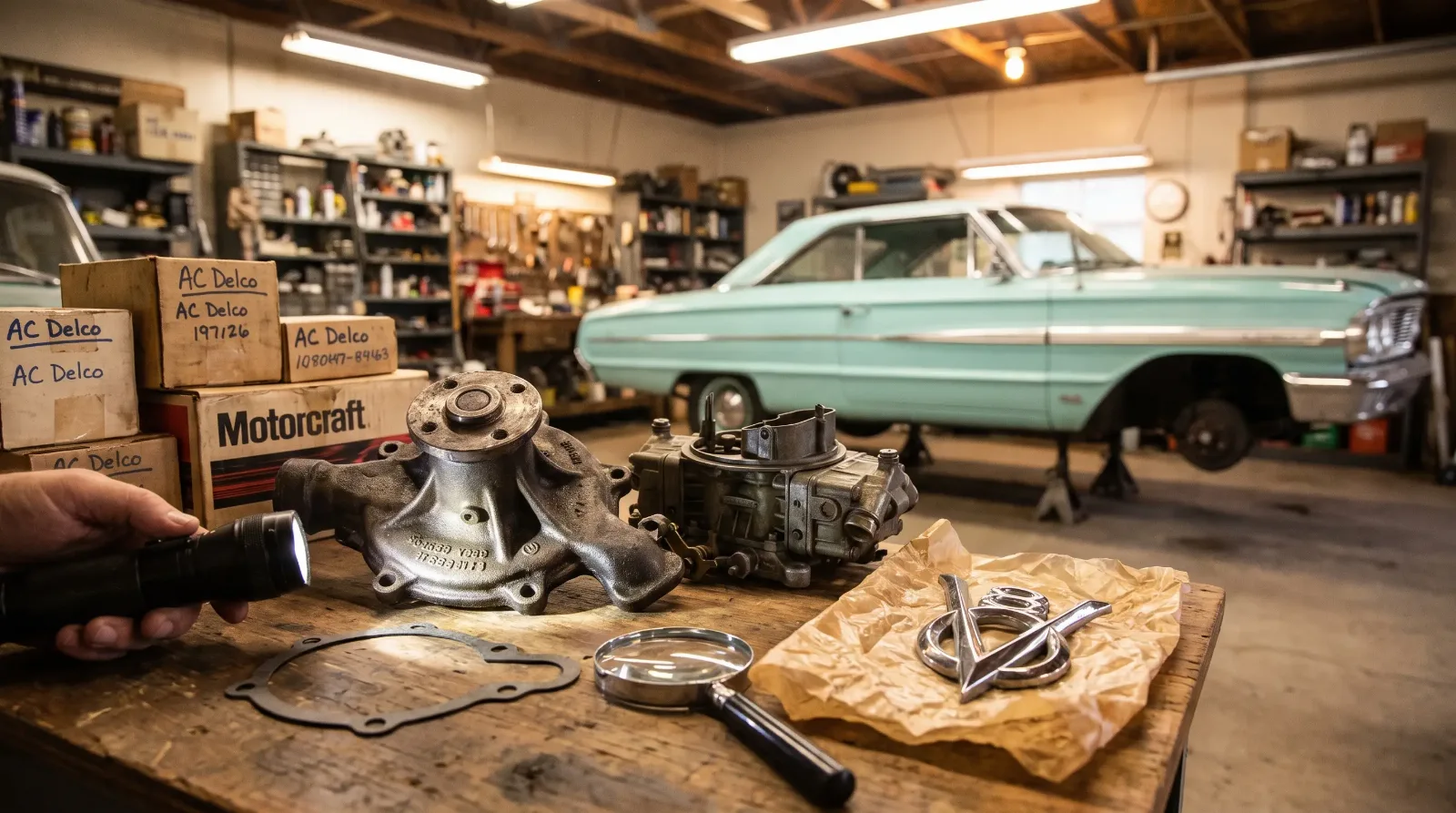
Every judged meet I have ever attended has the same conversation somewhere near the parts tent. One owner swears his water pump is original to the car. Another owner, polite but firm, says it can't be, because the casting date reads three months after the car left the assembly line. Somebody produces a flashlight and a judging manual, and in about four minutes the whole debate is settled by a stamped number nobody had bothered to read. That little scene is the entire parts game. The car doesn't care what you paid for a part. The numbers on it tell the story, and the judges, the appraiser and the next buyer will all read them.
Sourcing classic car restoration parts comes down to four kinds of supply: new old stock, reproduction, used originals and rebuilt originals. Each carries its own price, its own fit and its own consequence for what the finished car is worth. Choose the wrong one for the job and you either overspend on a weekend driver or quietly give away points on a show car. Here is how I sort them out, and how to tell one from another when the seller's description is more hopeful than accurate.
What NOS, NORS, reproduction and used actually mean
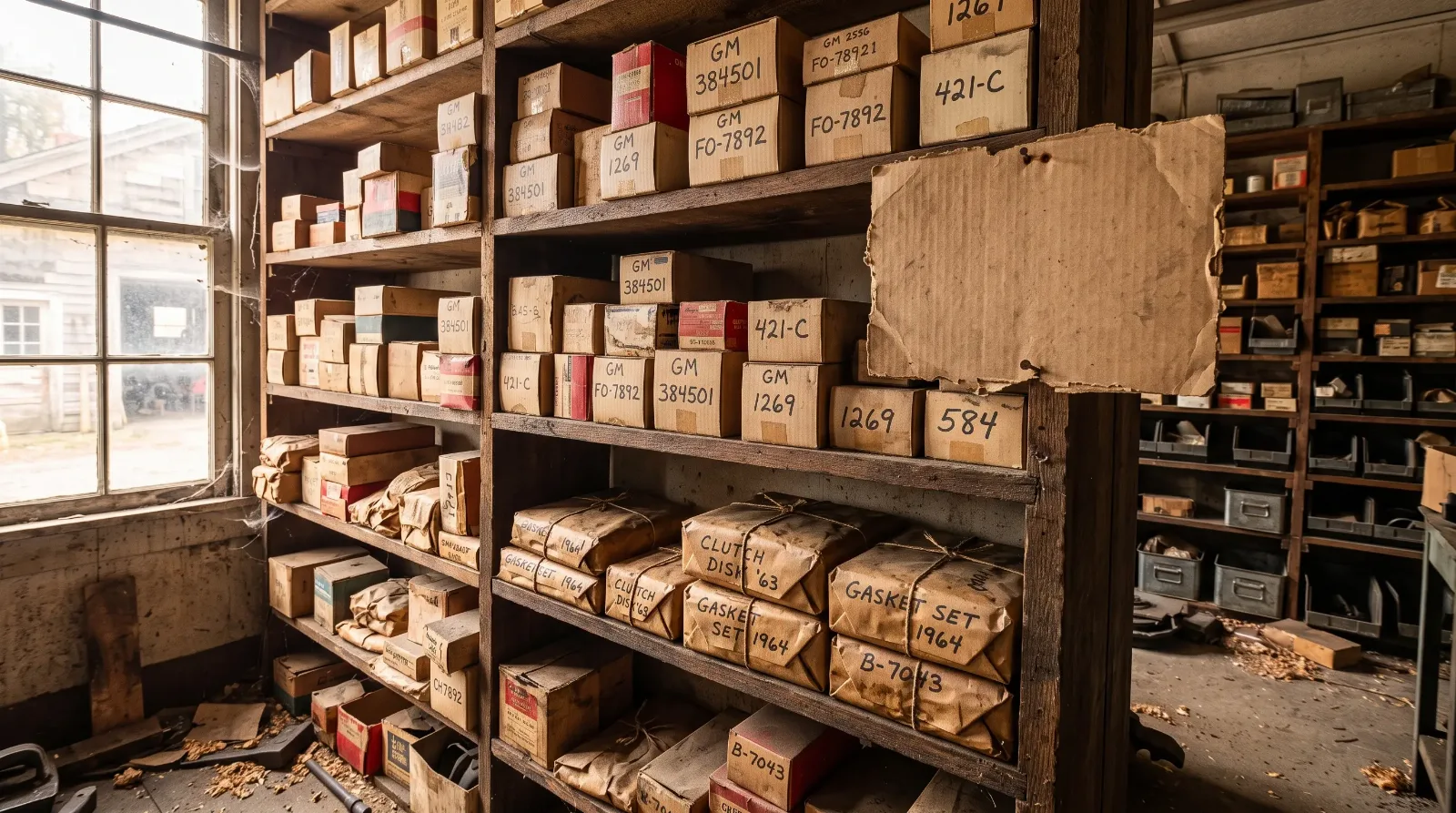
New old stock (NOS) is a part made by or for the original manufacturer, during or near the car's production years, that was never installed. The good stuff still sits in its original box or bag with the factory part number printed on the label. There is a catch the old-timers love to point out: NOS is not always identical to the part the assembly line used. Service parts were often built by a different supplier, revised after a few years, or superseded by a new number. A dealer-stock piece boxed in 1978 for a 1967 car can carry different markings than the one bolted on at the factory, and experienced judges know the difference.
New old replacement stock (NORS) is period aftermarket. These are parts made back in the day by independent suppliers and sold through parts stores and jobbers. They are new and they are old, but they never wore the factory script, so they read as replacements to anyone who knows what to look for.
Reproduction parts are manufactured today. Some are produced under license from the original automaker, built from factory drawings or scanned originals. Others are unlicensed copies of widely varying quality. Used originals are factory parts pulled from another car, whether a parts car, a modified car whose owner took off the stock pieces, or a coffee can at a swap meet. Rebuilt originals are factory parts, often your own, restored to working order: carburetors, distributors, steering boxes, starters and the like.
| Source | Typical price | Fit | Originality on a judged car | Best use |
|---|---|---|---|---|
| NOS | Highest; frequently several times a reproduction | Factory | Best, if the number and era are correct | Visible trim, emblems, date-sensitive pieces on show cars |
| NORS | Usually below NOS | Generally good | Deducted in visible locations | Drivers, hidden mechanical parts |
| Licensed reproduction | Low to moderate | Good to excellent, varies by part | Accepted on some items, deducted on others | Sheet metal, interior soft goods, rubber |
| Unlicensed reproduction | Lowest | Hit or miss | Usually deducted | Budget drivers, parts nobody sees |
| Used original | Swap-meet cheap to more than NOS for rare pieces | Factory, with wear | Strong, if dated correctly | Date-coded castings, rare trim, glass |
| Rebuilt original | Core plus rebuild labor | Factory | Strong | Carburetors, distributors, steering boxes, pumps |
Reading part numbers, date codes and markings
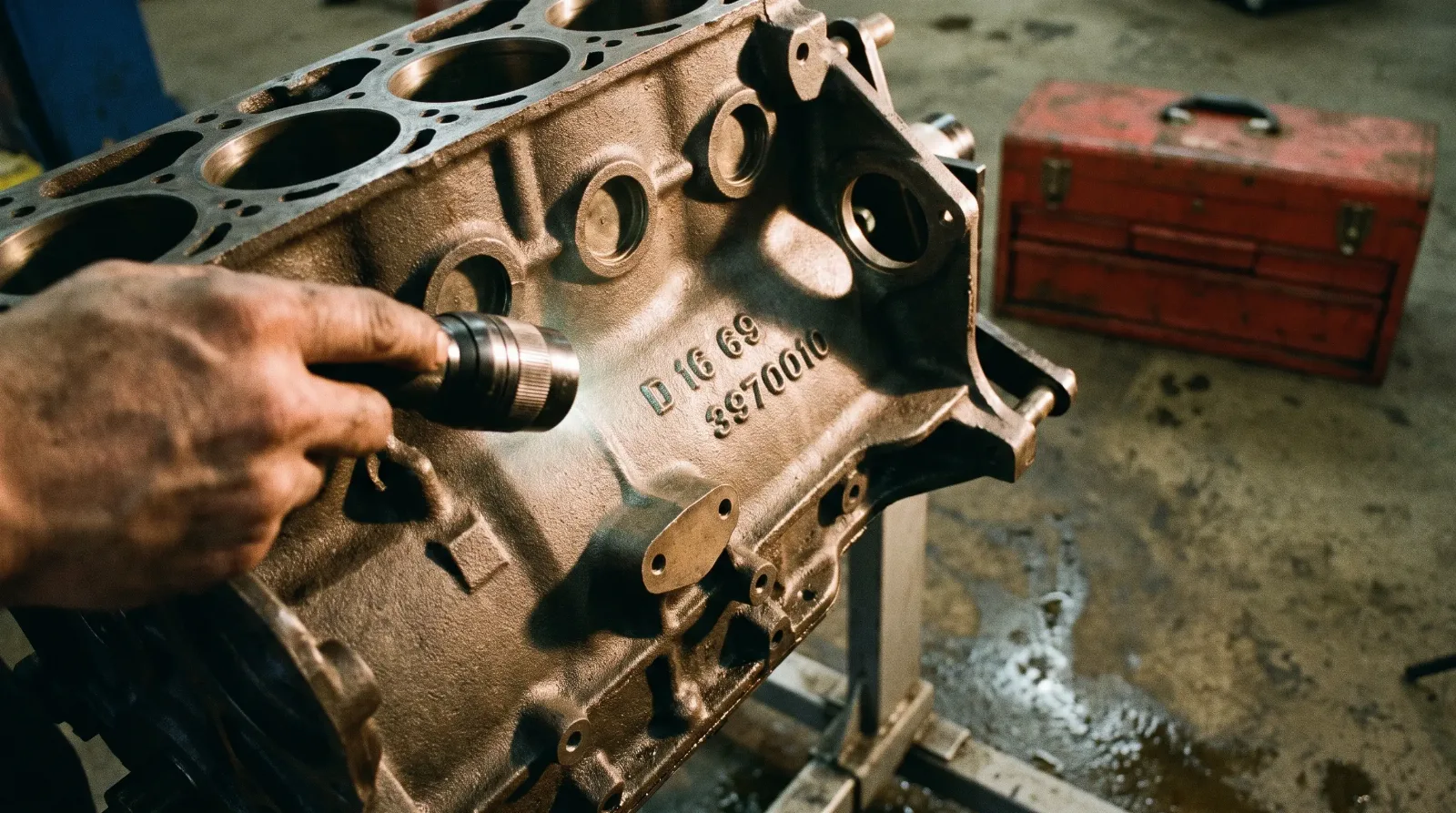
Before you buy a single piece, learn to read what is stamped, cast or printed on it. This is where a restoration gets settled, the same way that water pump argument did.
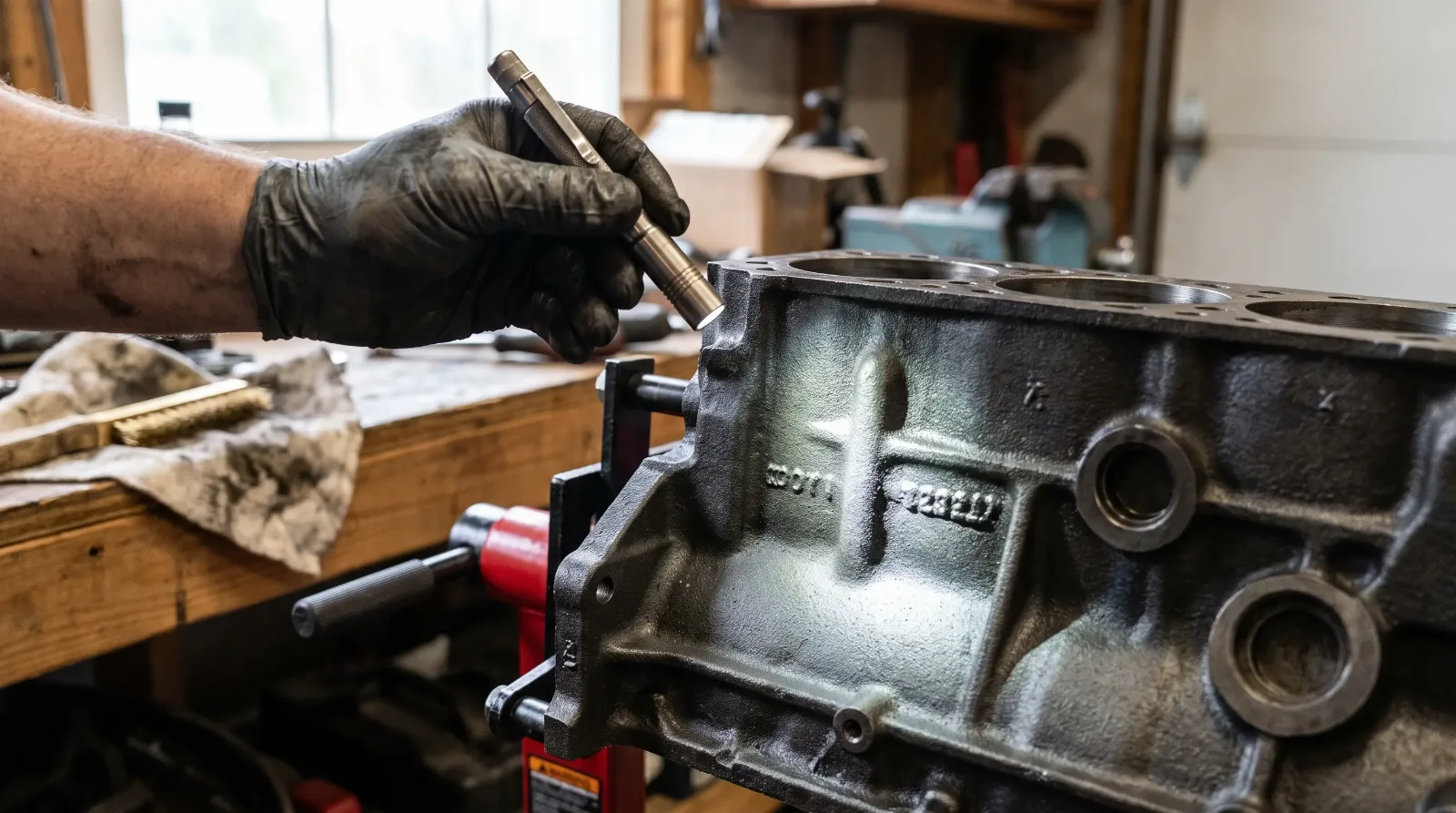
Chevrolet castings of the 1960s typically carry a date code made of a letter for the month, A through L, followed by the day and the last digit of the year. A block or head marked B 12 6 could have been poured on February 12, 1966, or 1956, or 1976, which is why you always read the date alongside the casting number that pins down the decade. The rule judges apply is simple: a date-coded part should predate the car's assembly date, usually by a few weeks to a few months. A casting dated after the car was built didn't come with it.
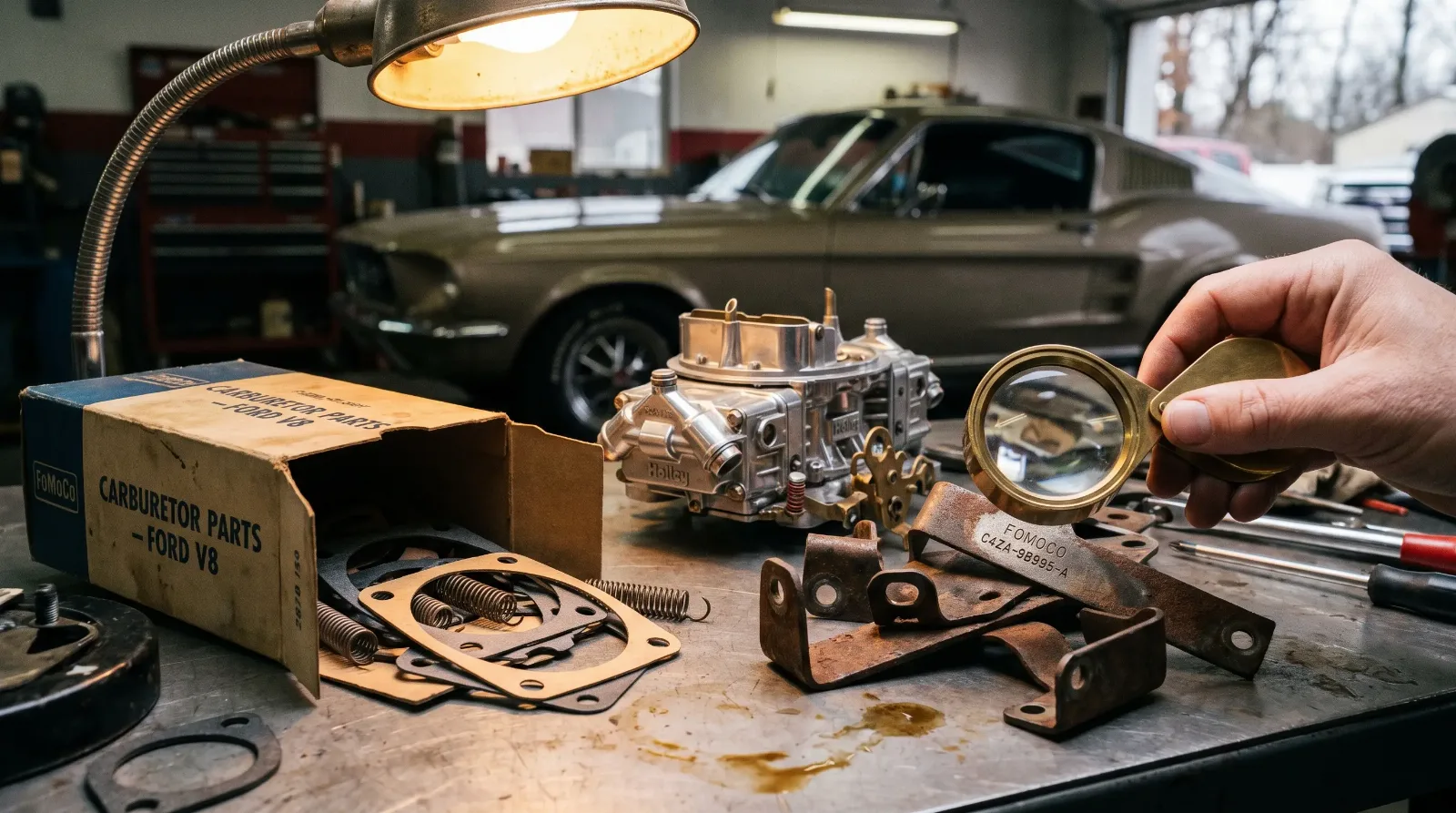
Ford parts carry two kinds of numbers. Engineering numbers appear on the part itself and service numbers appear on the box. The four-character prefix decodes the decade, the year and the vehicle line, and on a service part the fourth character names the division that released it, with Z meaning Ford Division service. A C in first place is the 1960s, a 7 is 1967 and a Z in third place is Mustang, so a C7ZZ prefix points to a 1967 Mustang service part. Mopar used seven-digit part numbers and recorded each car's build on a broadcast sheet, and Chrysler restorers lean on that sheet the way Corvette people lean on a tank sticker. Whatever the make, the paperwork that came with the car tells you what the parts should say.
When NOS is worth it, and when it isn't
NOS earns its price where originality is scored and where the eye lands first. On a car headed for judging by a marque club, factory emblems, script, lenses, trim and dated components in plain view are worth the premium. A factory fender emblem still in its box from the 1960s can cost several times what a decent reproduction does, and the gap widens with rarity. On a show car that difference comes back at the judging table. On a driver it mostly comes back as a story you tell at the next cruise night.
NOS has a weakness the price tag doesn't mention: time. Rubber and seals sitting on a shelf for fifty years have aged whether or not anyone installed them. NOS brake hoses, wheel cylinder kits, fuel pump diaphragms and radiator hoses can look perfect in the box and be dried out inside. I have watched owners proudly install a NOS master cylinder rebuild kit and then chase a soft pedal all summer. For anything that stops the car, steers it or holds fuel, buy new and fresh, and keep the NOS piece on the shelf for display if it means that much to you.
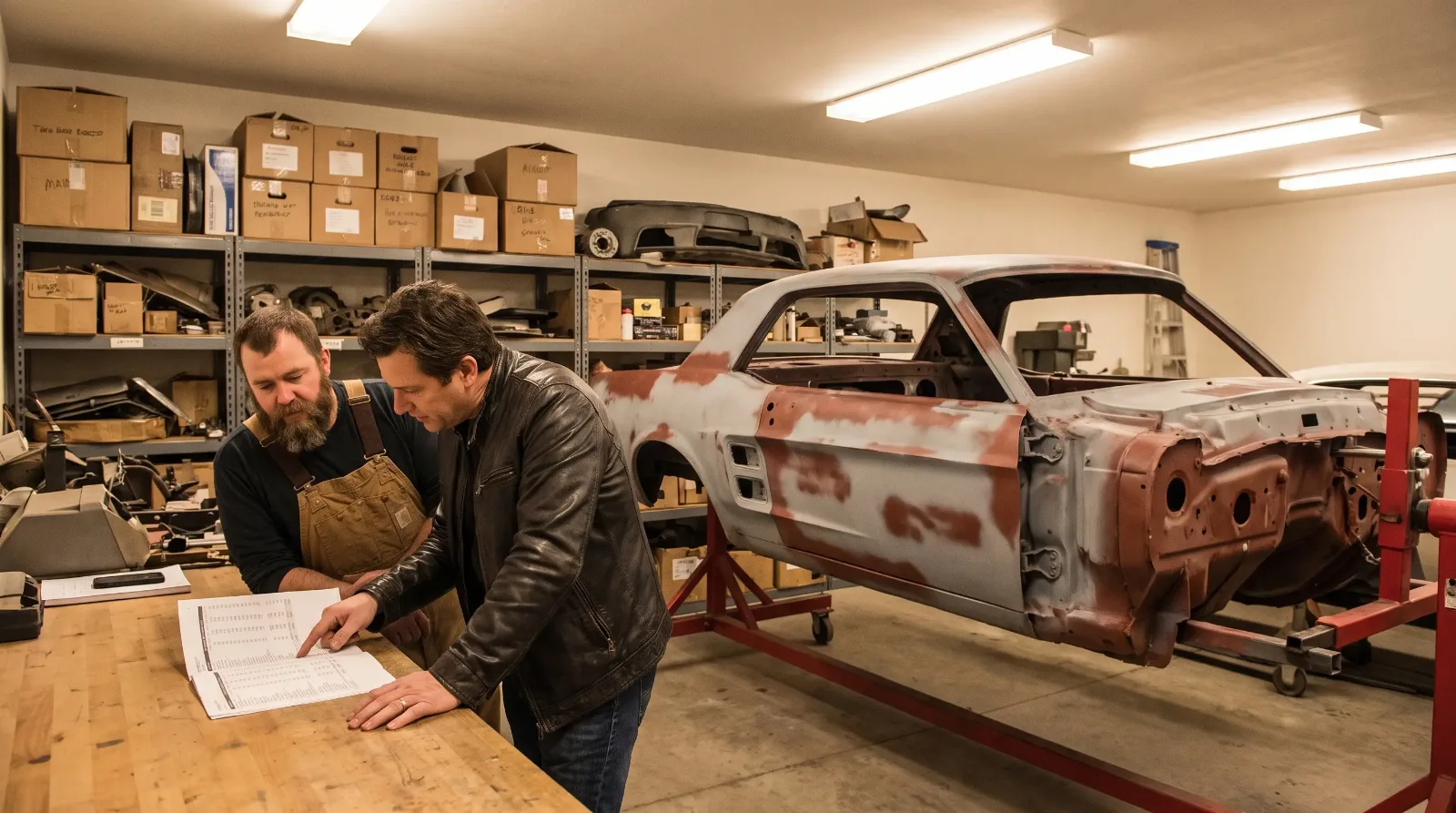
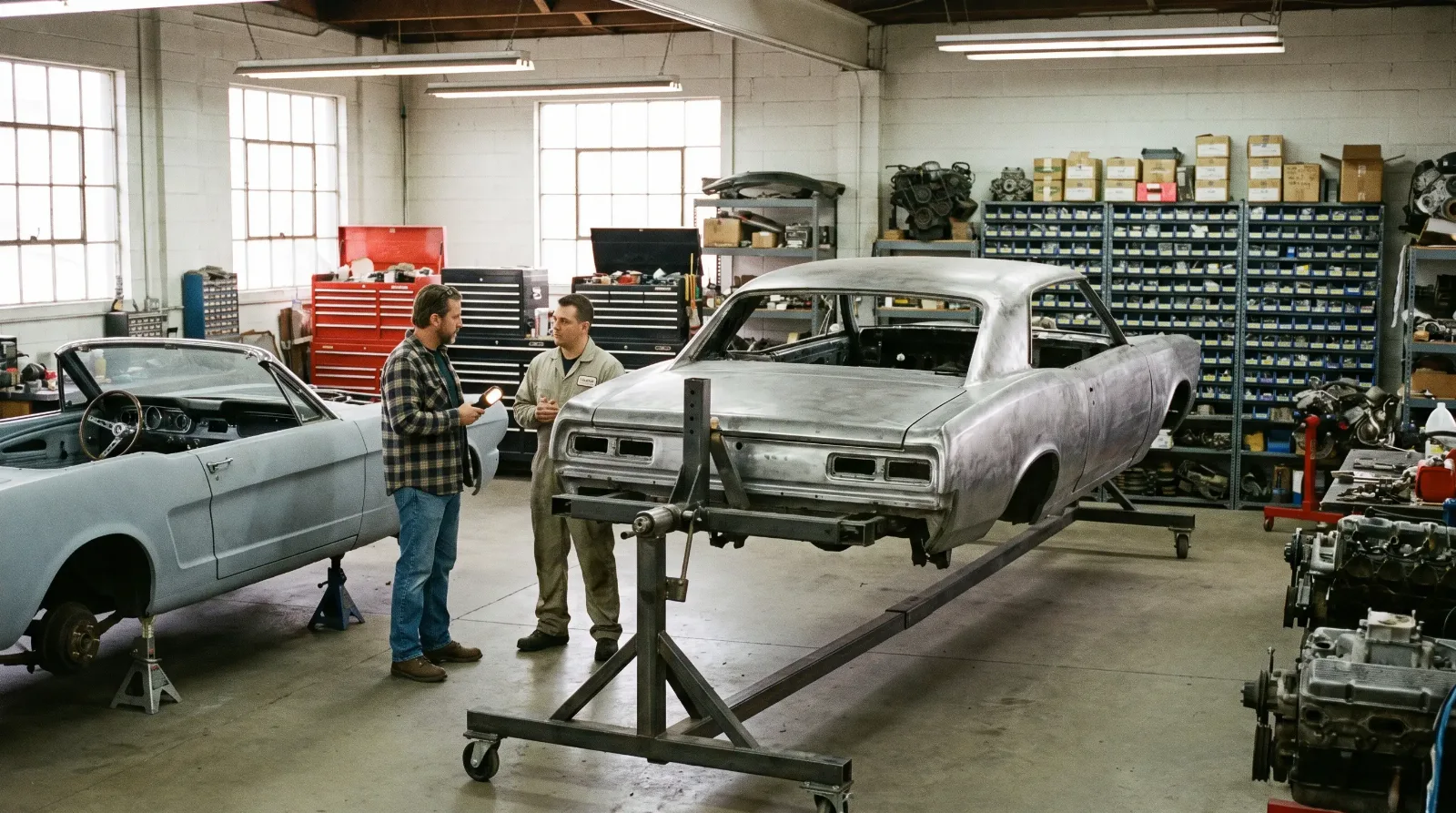
If you are farming out the work, it pays to hire one of the restoration shops that know original parts. A shop that has handled your make for years can tell you which reproduction pieces fit, which ones the judges ignore and which ones cost you points, and that advice is worth more than a box of guesses.
"Buy NOS for what the judge sees and fresh new parts for what keeps you alive. The car doesn't know the difference, but the score sheet and your brake pedal both do."
Wayne Coburn
Reproduction parts: licensed, unlicensed and what fits
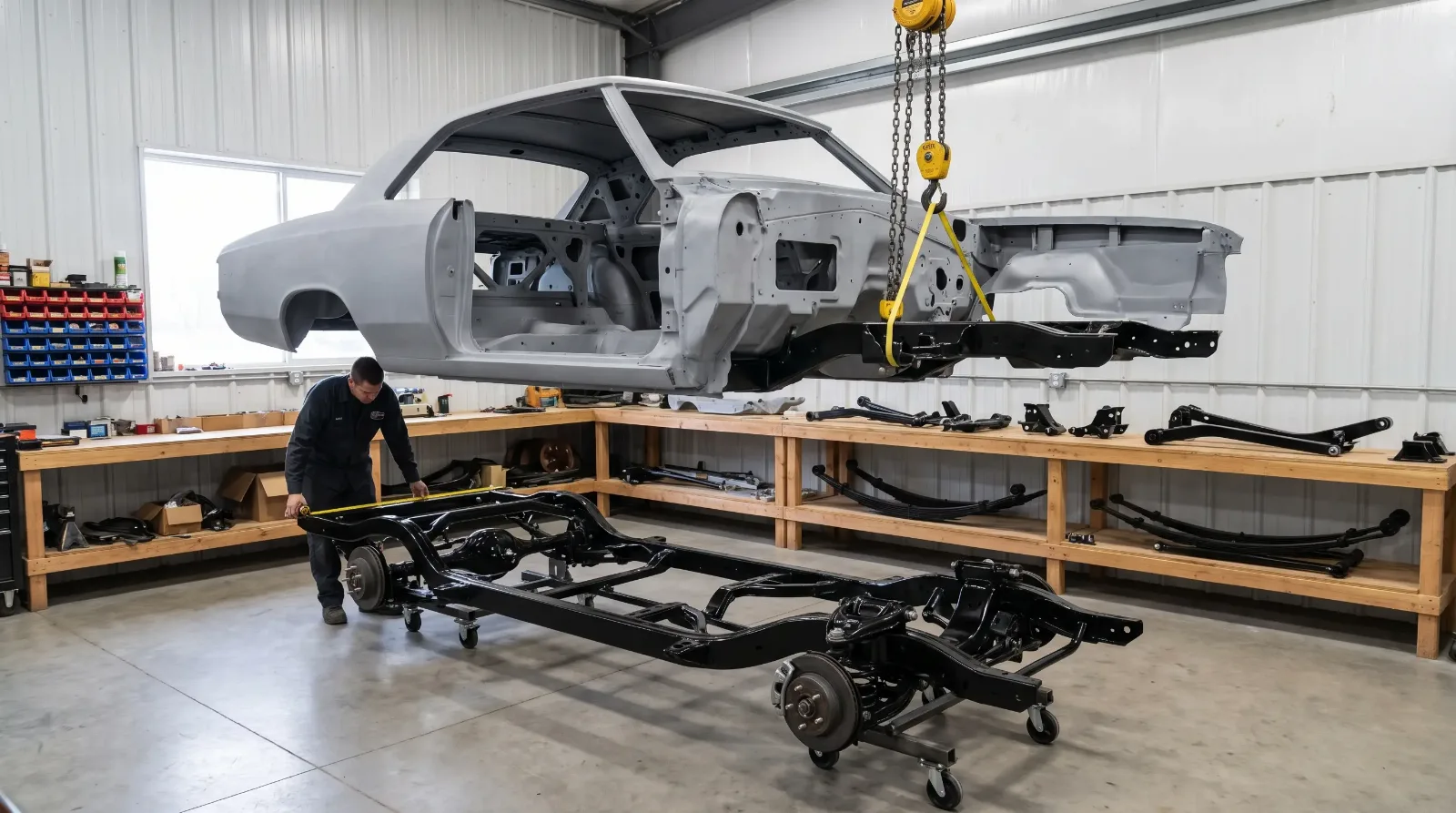
Reproduction parts have changed what is possible in this hobby. Rust-belt cars that would have been scrapped in 1985 are back on the road because floor pans, quarter panels, trunk floors and even complete steel bodies for a handful of popular models, early Mustangs, Camaros, Chevelles and Firebirds among them, are being built new. Weatherstrip, carpet, headliners, seat covers and wiring harnesses in correct patterns are easier to buy now than they have been in decades.
Licensing matters. Ford and GM run restoration licensing programs, and Mopar licenses suppliers as well, letting approved makers use factory designs, logos and in some cases original tooling. Ford, for one, keeps approved master samples as the benchmark for future production runs. A licensed piece is not automatically perfect, but it comes with a reason to expect accuracy. Unlicensed reproductions can be excellent or terrible, and the box rarely tells you which. Read club forums, ask owners who have installed the part, and pay attention to complaints about fit, gauge of steel and plating quality.
The reproduction trap is fit. A quarter panel with a body line two millimeters off becomes hours of extra metal work, and a chrome bezel with soft plating starts pitting after one damp season. Test fit every reproduction part before paint, before plating and before you throw away the packaging, because most suppliers will not take back a part you have already drilled.
Used originals: swap meets, take-offs and parts cars
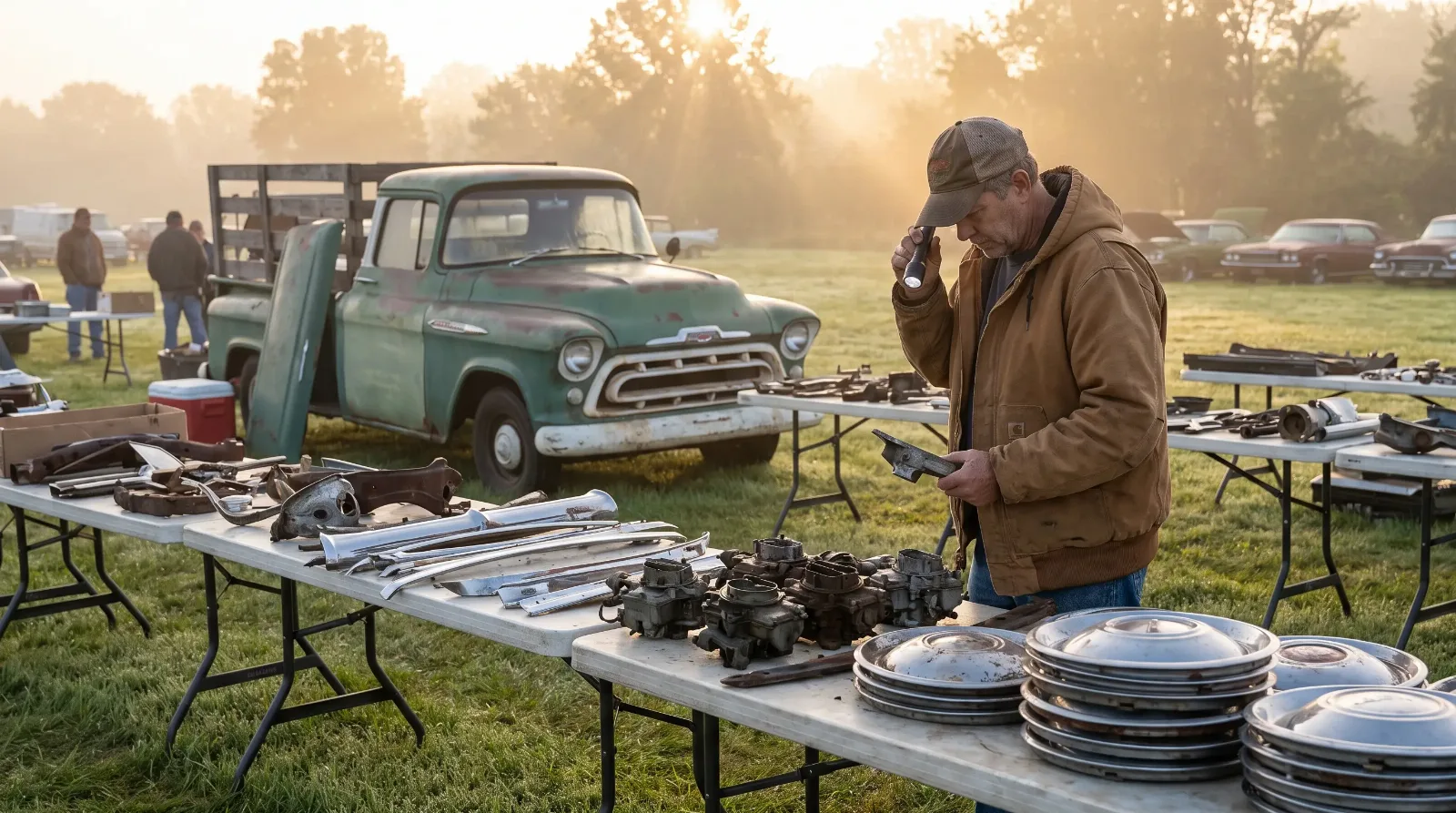
Some of the best parts in this hobby are used. A correct date-coded alternator, an original radio, a factory jack or a set of date-coded glass rarely appear new anywhere, and when they do, they cost a fortune. Swap meets like the AACA Eastern Fall Meet at Hershey, Pennsylvania, and the Carlisle events have built their reputations on exactly this kind of hunting. Walk the rows early, bring your car's numbers on paper, and carry a flashlight and a small mirror for reading stampings in dim tents.
Take-offs are another quiet source. Owners who modify cars often sell the stock parts they remove, and those pieces can be clean, correct and cheap. Online marketplaces and club classifieds carry plenty of them. Insist on photos of every number before you pay, because a part described as original can turn out to be from a different year, a different plant or a different car line.
Buying a whole parts car makes sense when you need many pieces from the same model and year, but do the math first. Hauling, storage and stripping cost real money and real weekends, and what you can't use has to be sold or scrapped. Used originals also need work. Rechroming a bumper, restoring a gauge cluster or rebuilding a carburetor can cost more than the part itself, so price the restoration before you count the part as a bargain.
Spotting fakes and re-boxed reproductions
Where real money moves, so do fakes. I have seen reproduction emblems tucked into tired old factory boxes, castings with date codes ground off and restamped, and new parts artificially aged to pass as survivors. None of this is new, and none of it gets past a careful buyer who knows the factory markings.
🔧 Inspection Priorities
- Numbers and dates first. Check the part number and date code against your car's build date and the factory catalog. A wrong number on an expensive part is the costliest mistake on this list.
- Box versus contents. A genuine box proves the box. Compare the part's markings, finish and fasteners against a known original.
- Casting surfaces. Look for grinding marks, uneven stamping depth or fresh metal around date codes and identification pads.
- Plating and finish. Factory chrome and finishes have a specific look. Overly bright plating or modern zinc on a NOS piece deserves questions.
- Seller history. Buy expensive parts from sellers with a track record in your marque, and get a written description that says NOS, NORS, reproduction or used.
Matching parts to the car you are actually building
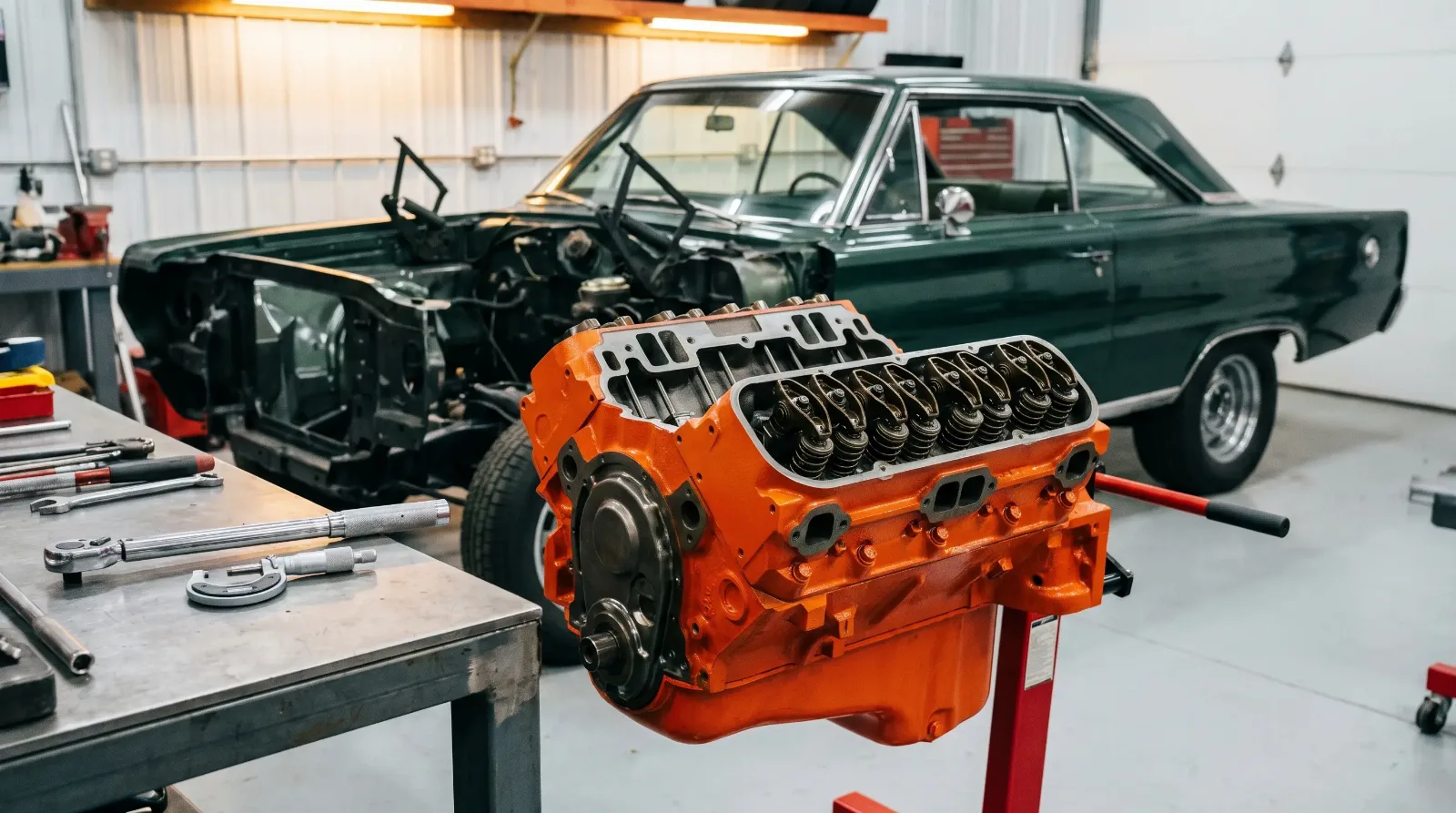
The right parts strategy follows the car's purpose. A concours car aimed at top judging needs correct, dated, factory pieces wherever the judges look, and a paper trail proving it. A driver-quality restoration can use licensed reproductions for most trim and soft goods, NOS only where it makes a visible difference, and new parts for every safety system. A restomod frees you from originality altogether, though correct parts you remove still deserve a good home.
Parts are only one line in the budget, and on a full restoration they rarely tell the whole story. Before you commit to an all-NOS plan, look honestly at what a restoration costs from bodywork through paint and upholstery. Many owners discover the NOS premium would be better spent on metal work done right the first time.
Whatever you buy, document it. Photograph every date code, keep every receipt and note which parts are original to the car. When it is time to sell or get the car appraised, that file answers the questions before anyone asks them, the same way a flashlight and a stamped number ended that argument at the parts tent.
Sources and notes
- Chevellestuff: engine date stamp characters, Chevrolet casting date format (month letter A to L, day, one-digit year) and casting versus assembly dates
- MustangSpecs: deciphering Ford part numbers and date codes, Ford prefix decoding, Z as Mustang car line and Z as Ford Division service part
- AutoGuide: Ford boosts restoration parts inventory for older models, Ford licensed restoration parts program, master samples and reproduction Mustang bodies
- OER: history of OER, licensing by GM and the Chrysler Group as an official restoration parts manufacturer
- Dynacorn Classic Bodies, new all-steel body shells for Mustang, Camaro, Chevelle, Firebird and others, licensed by Ford and GM