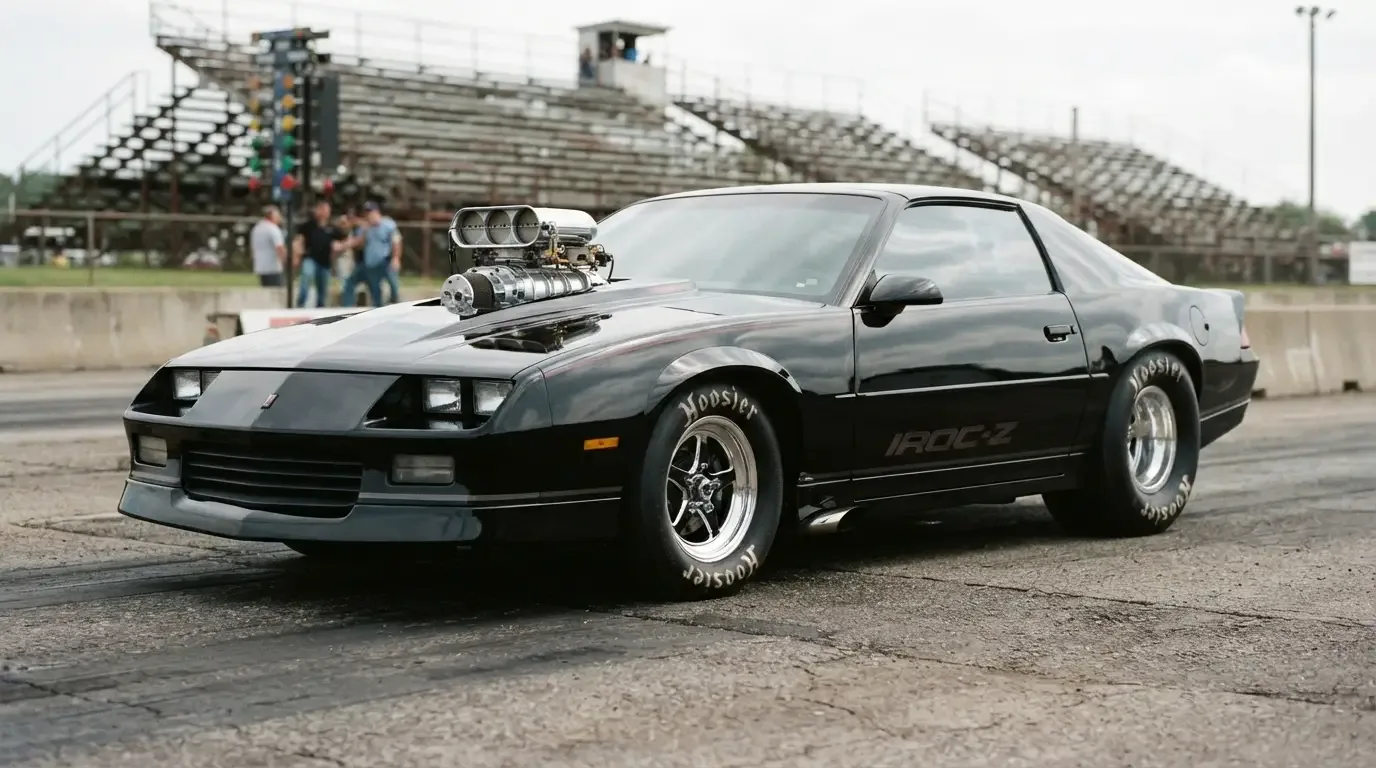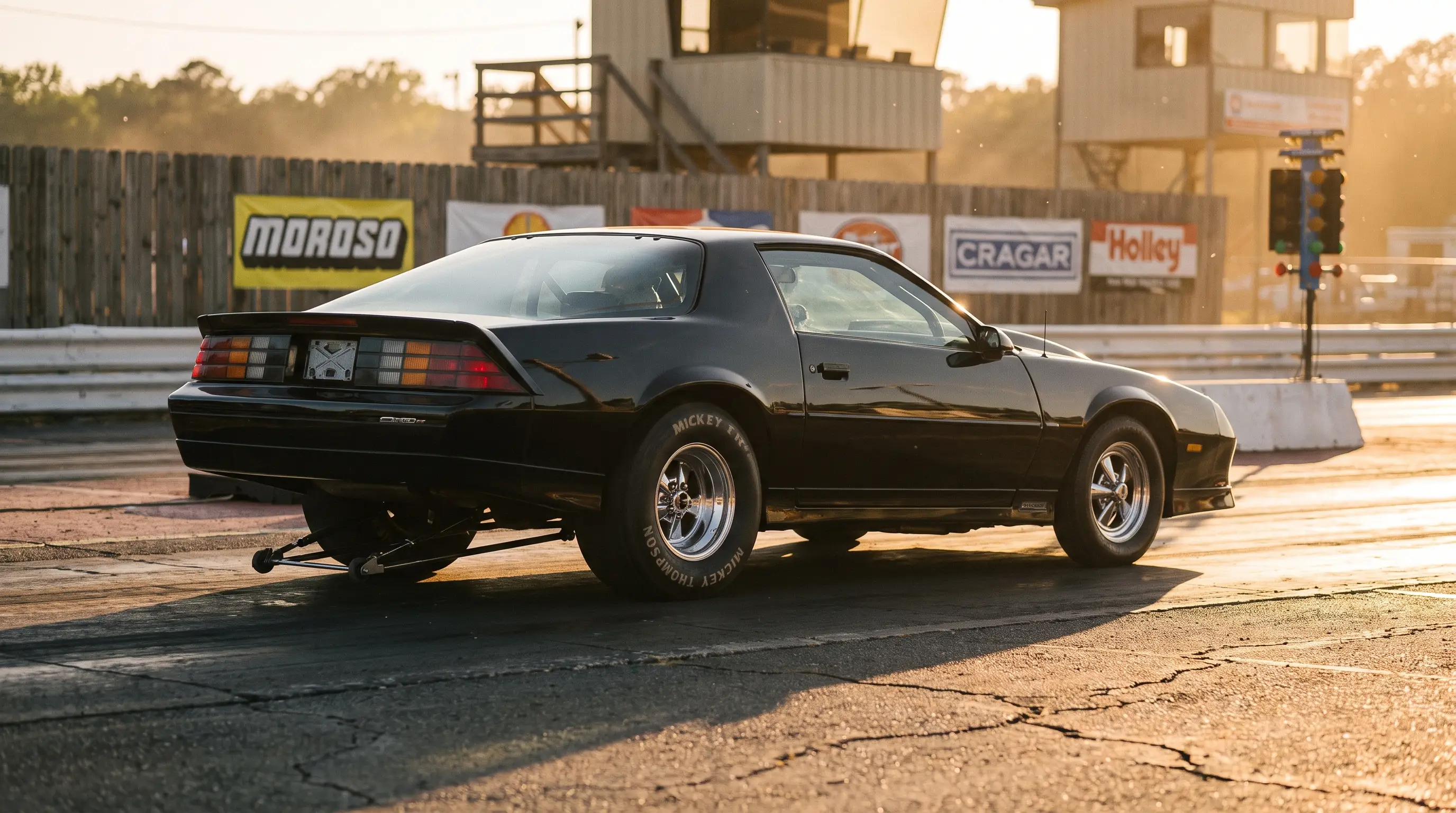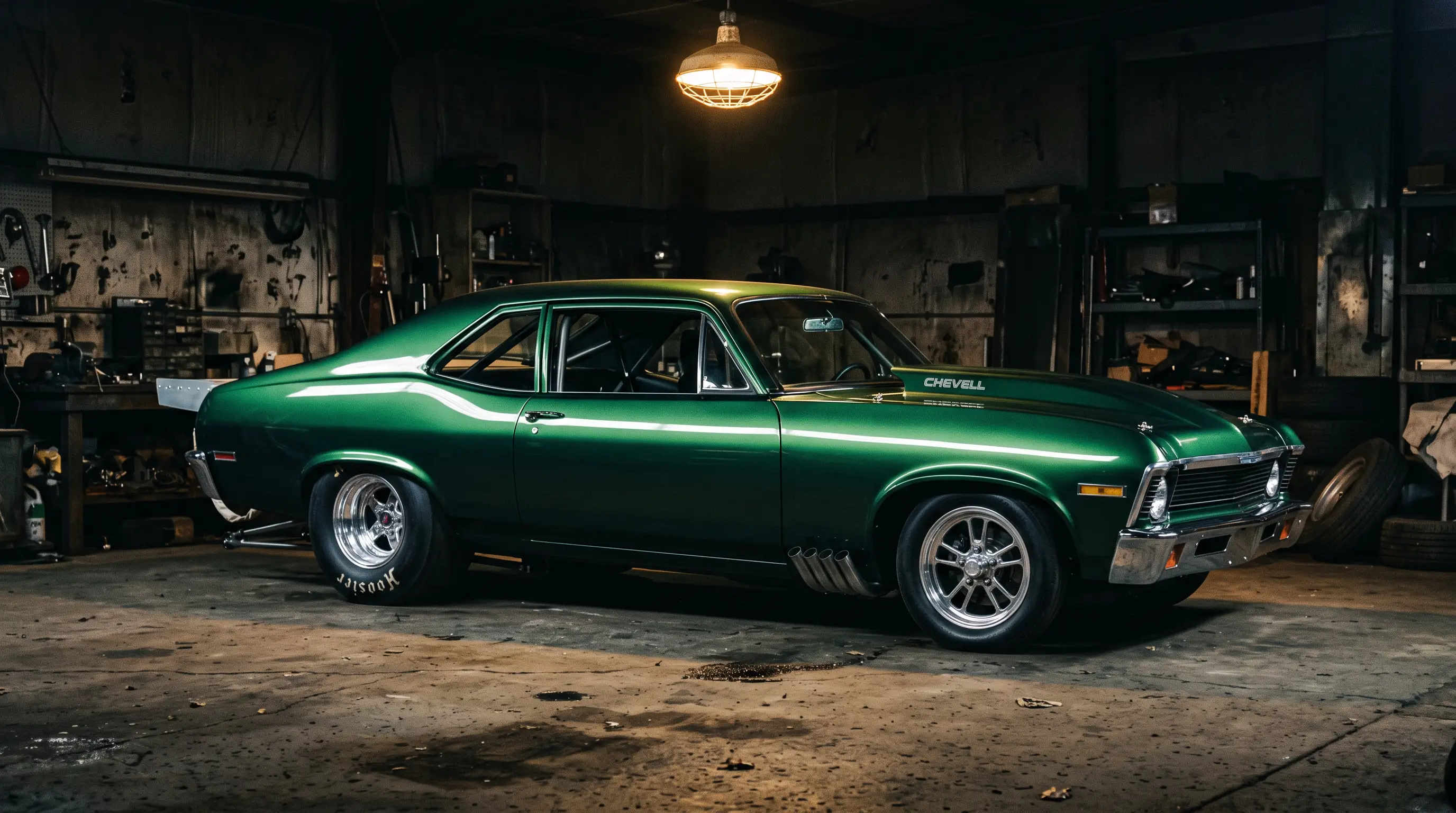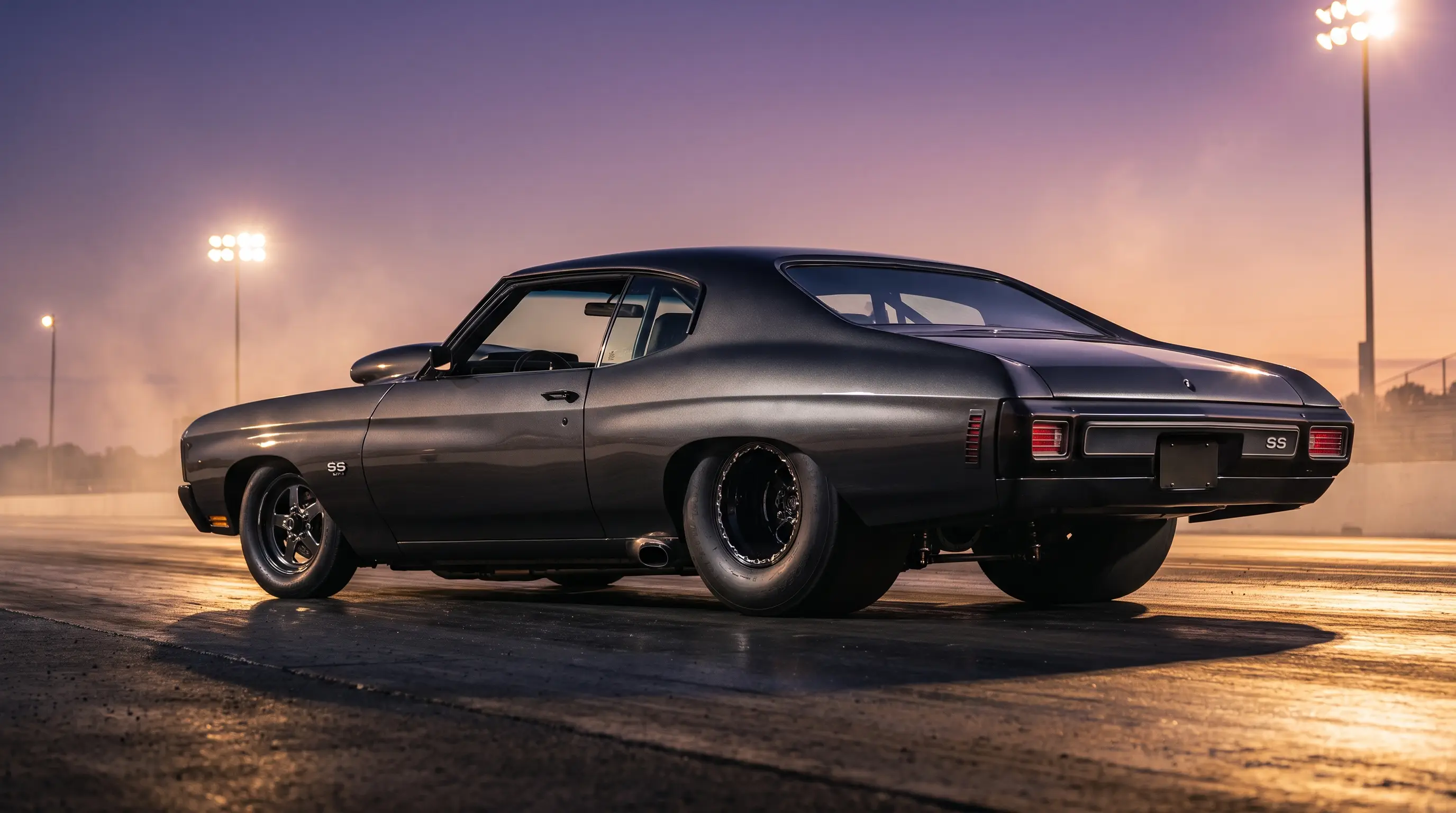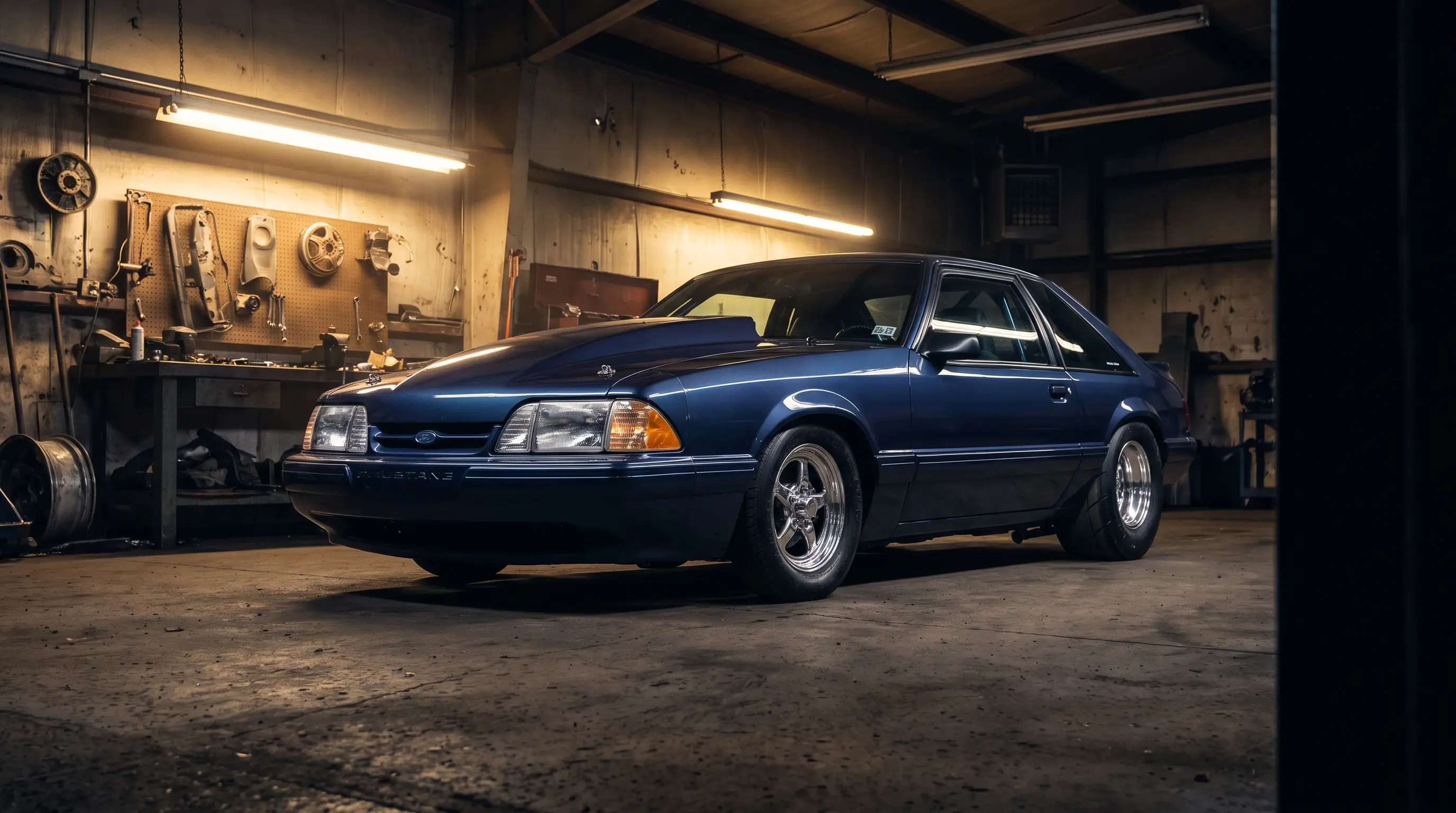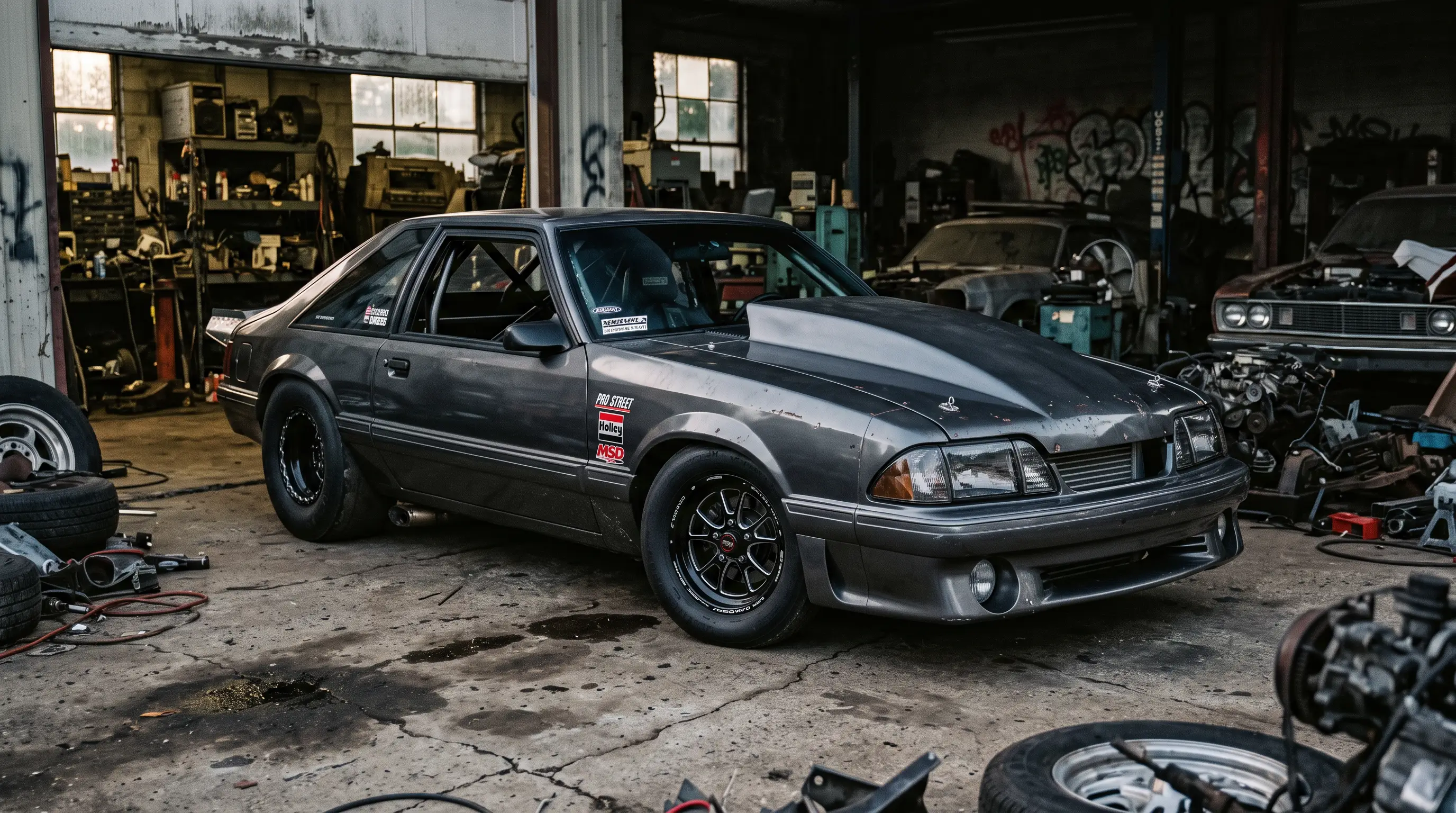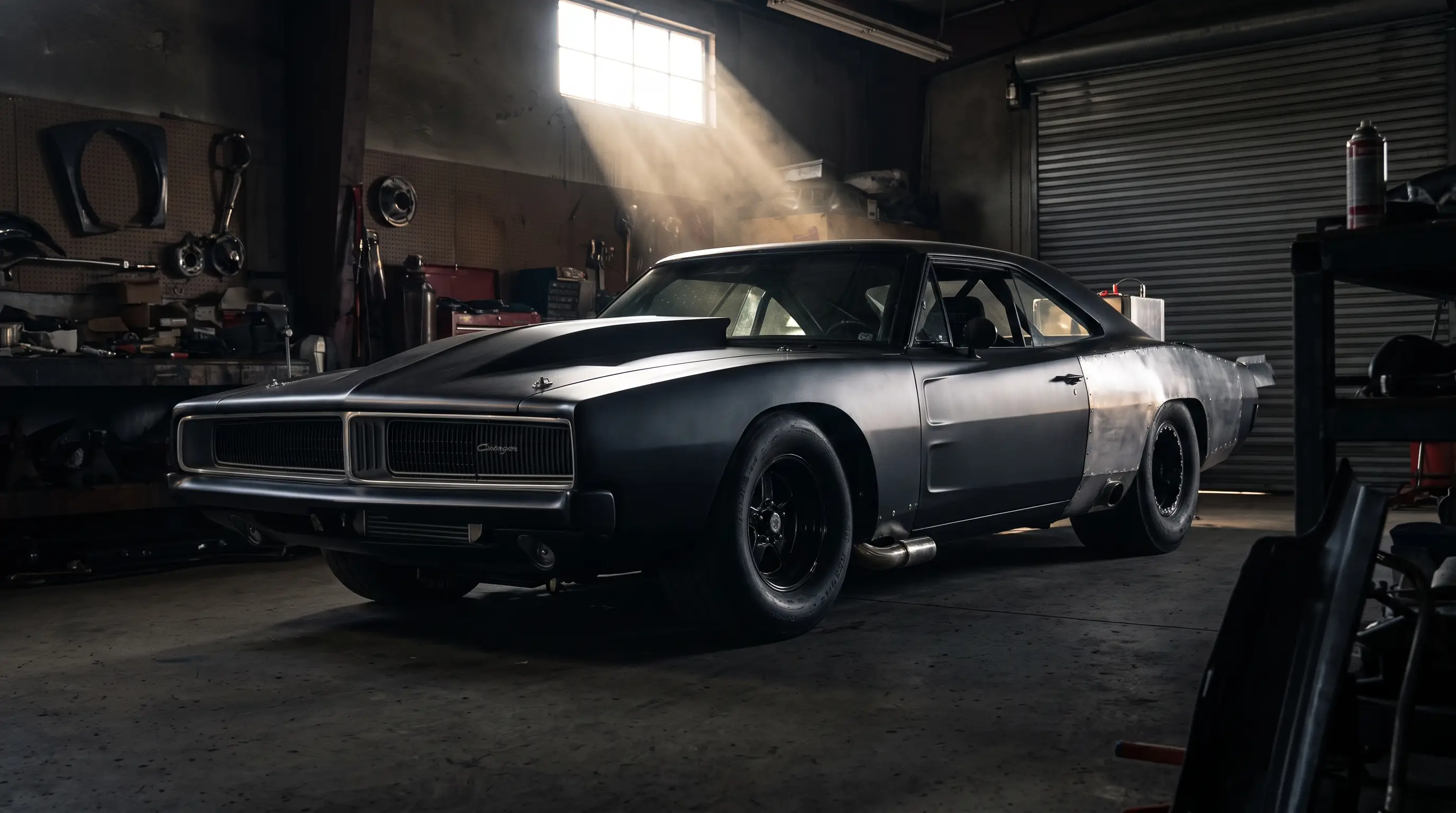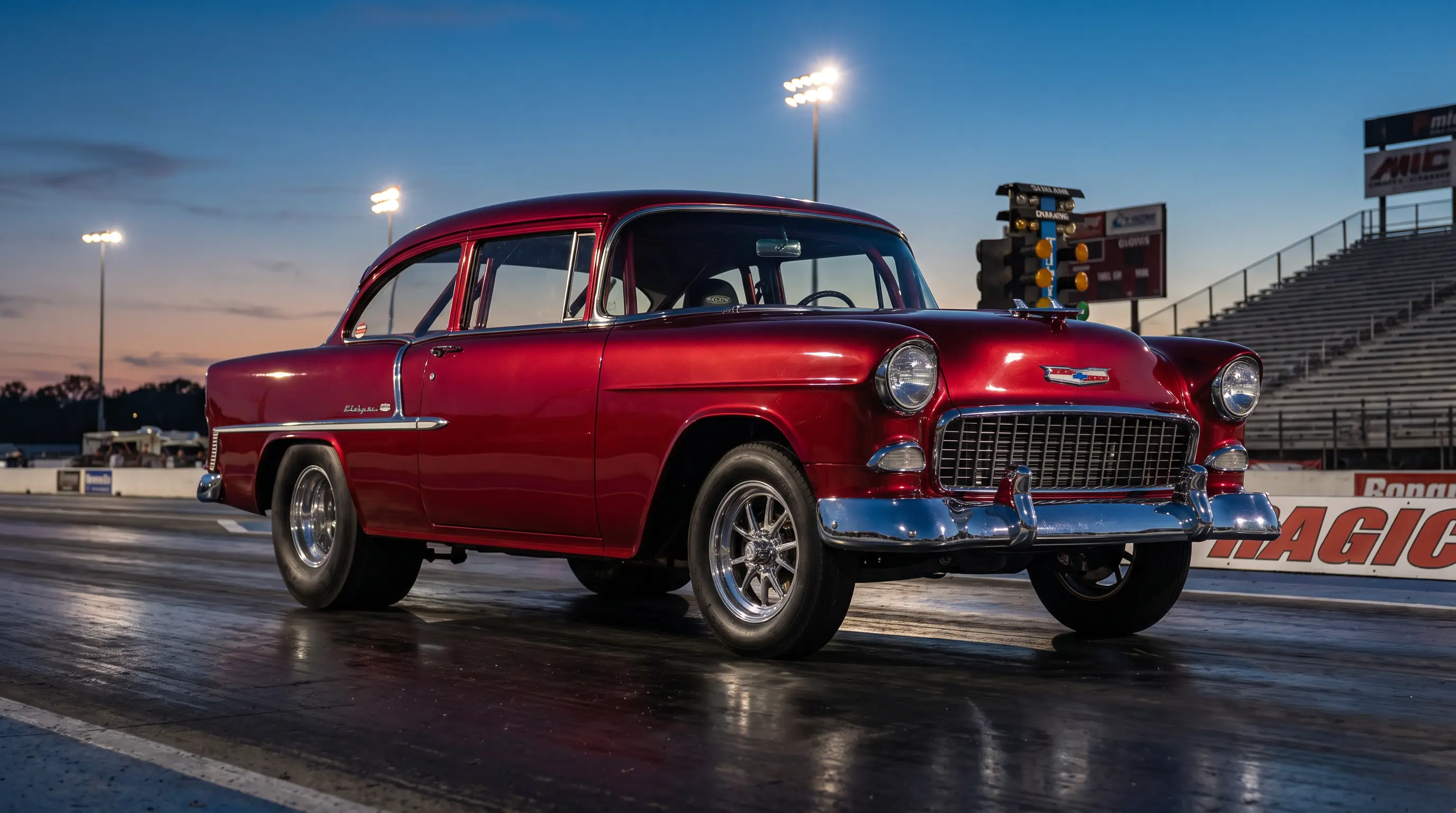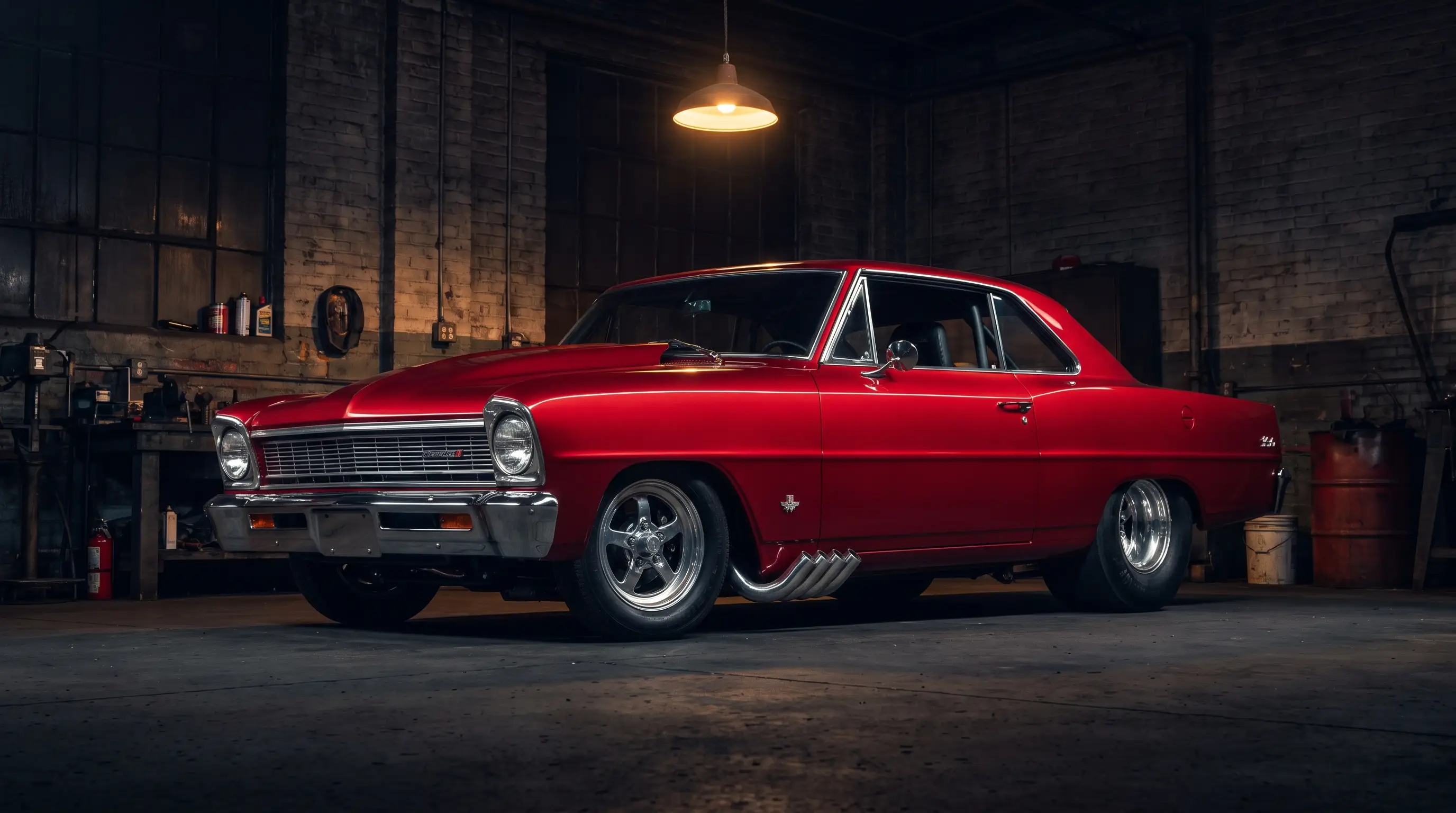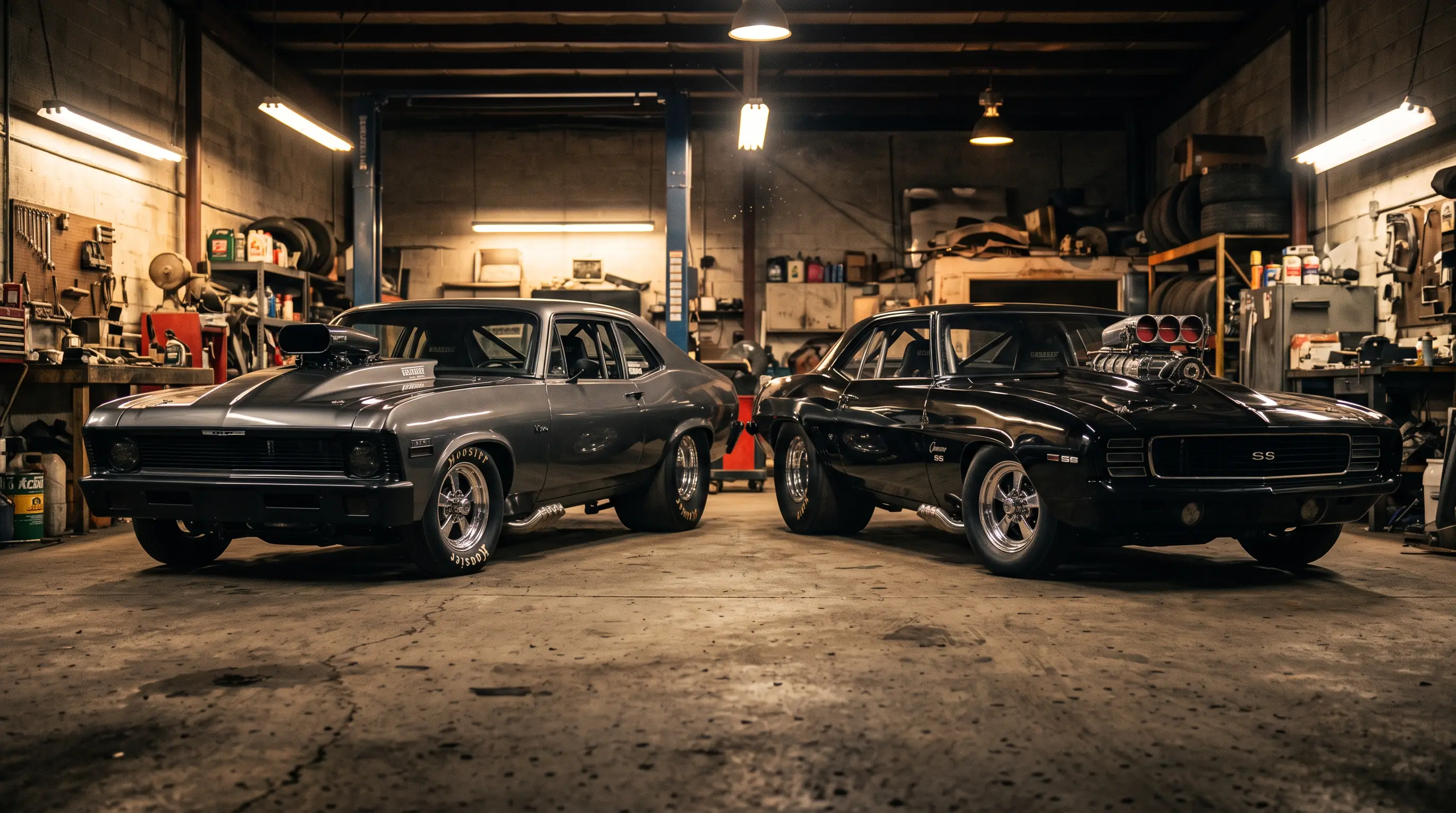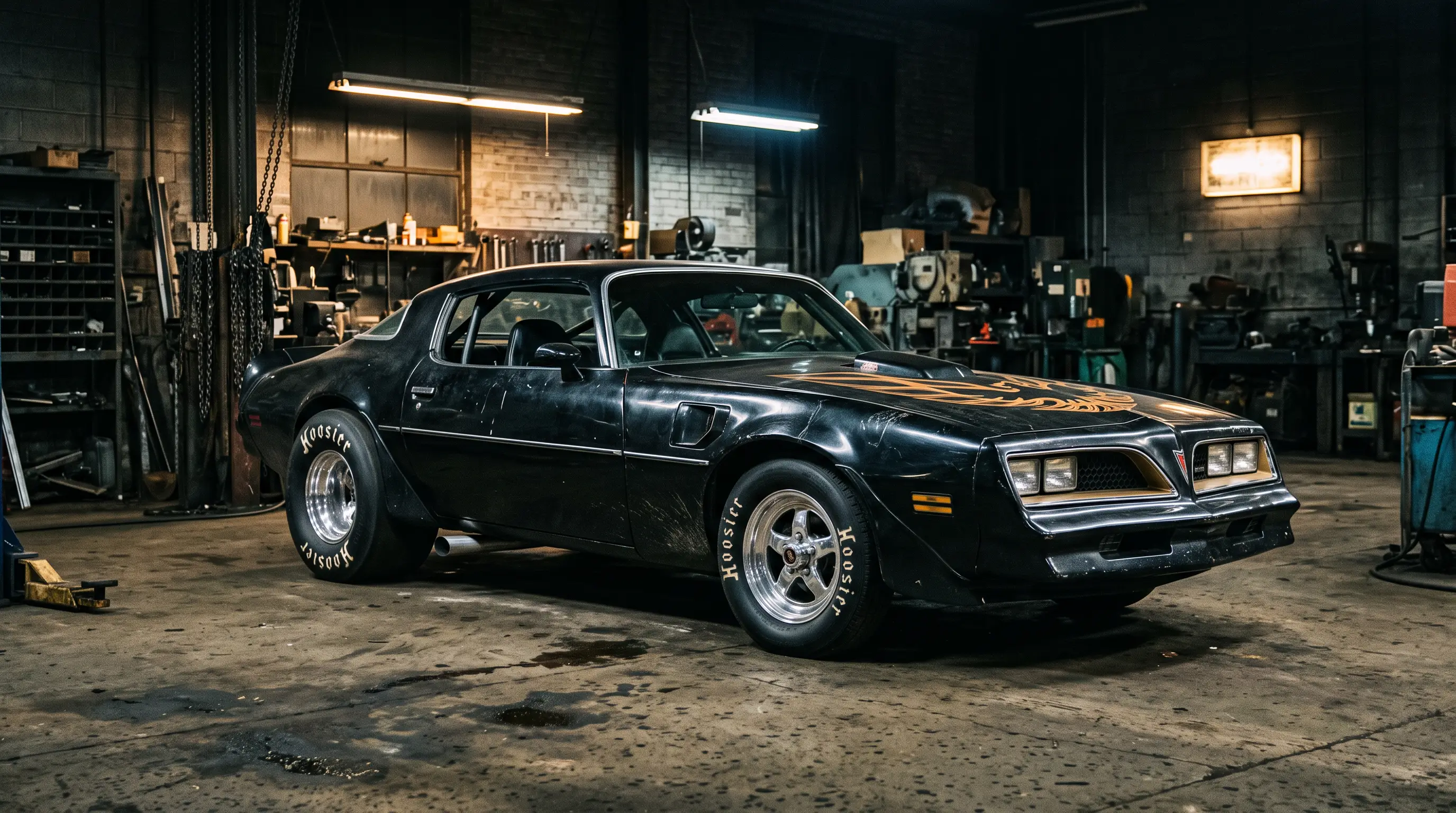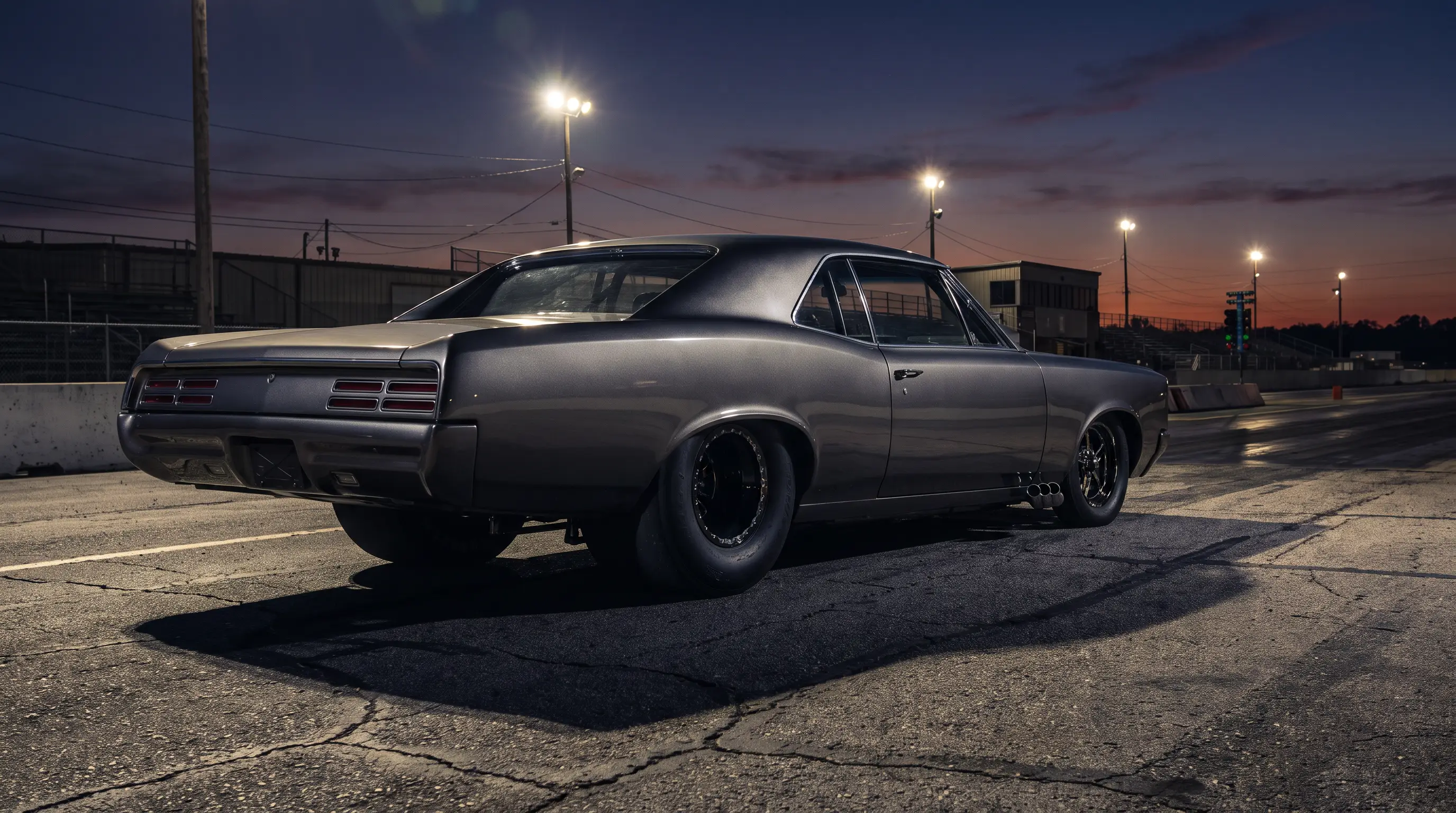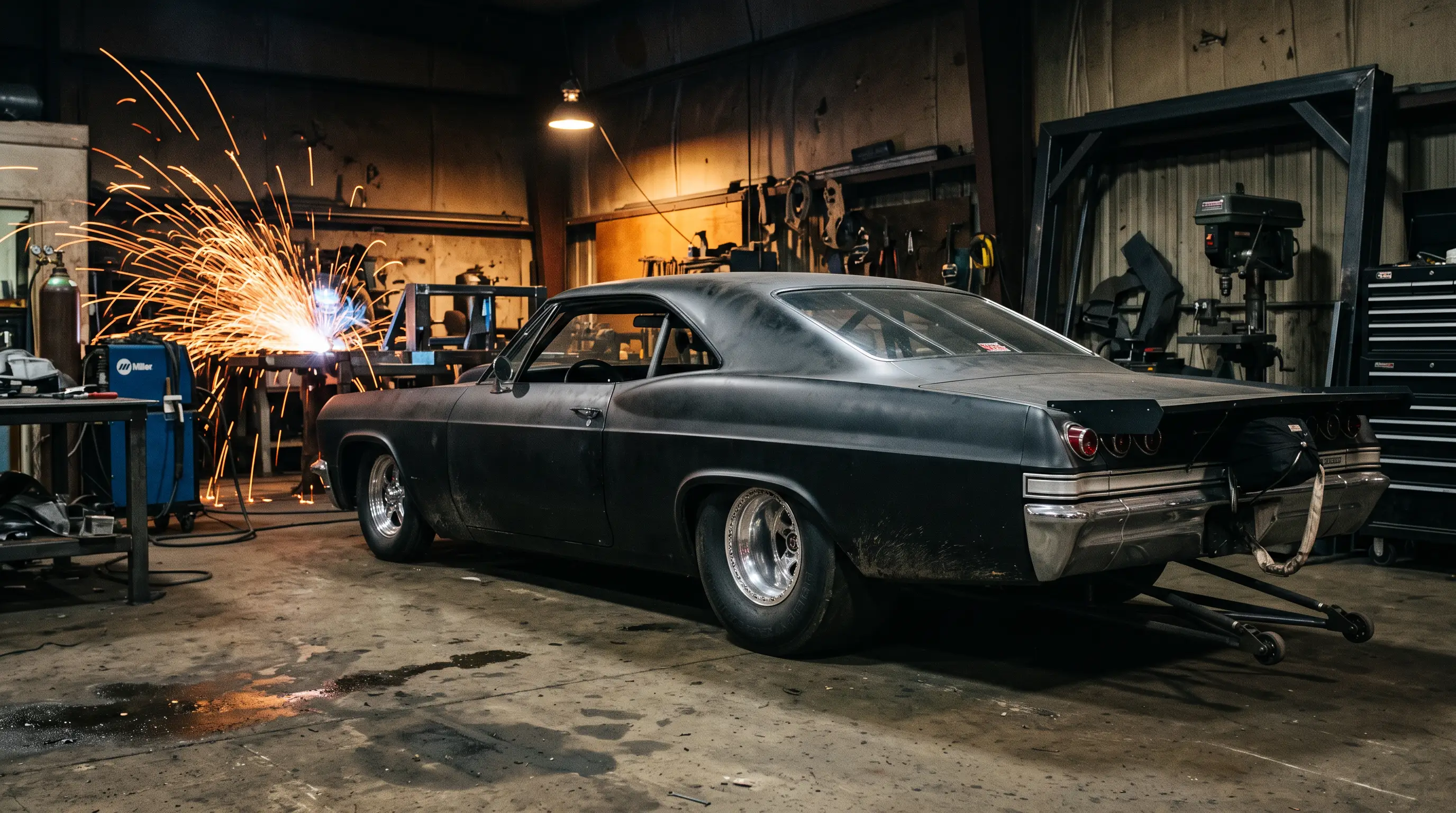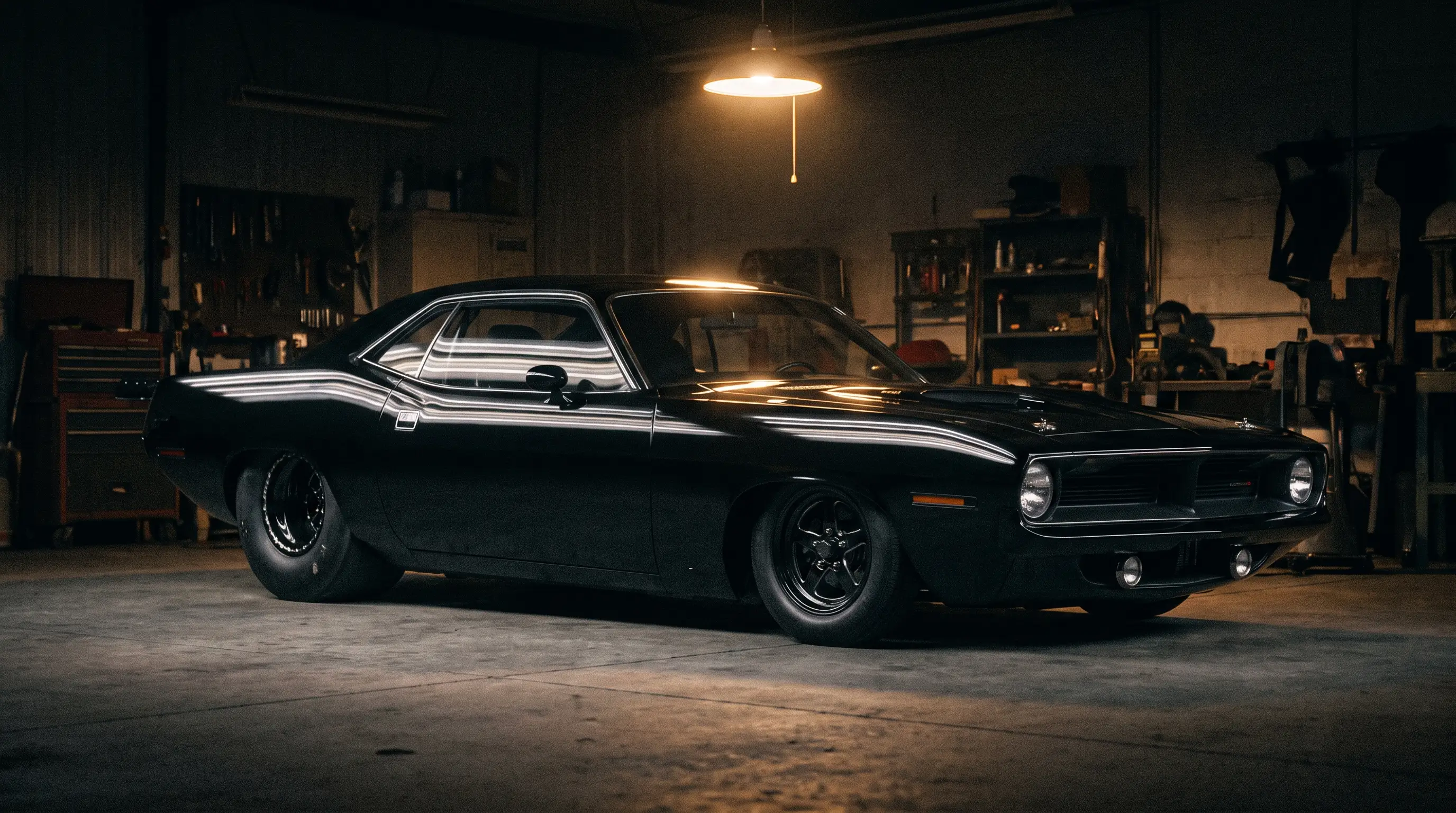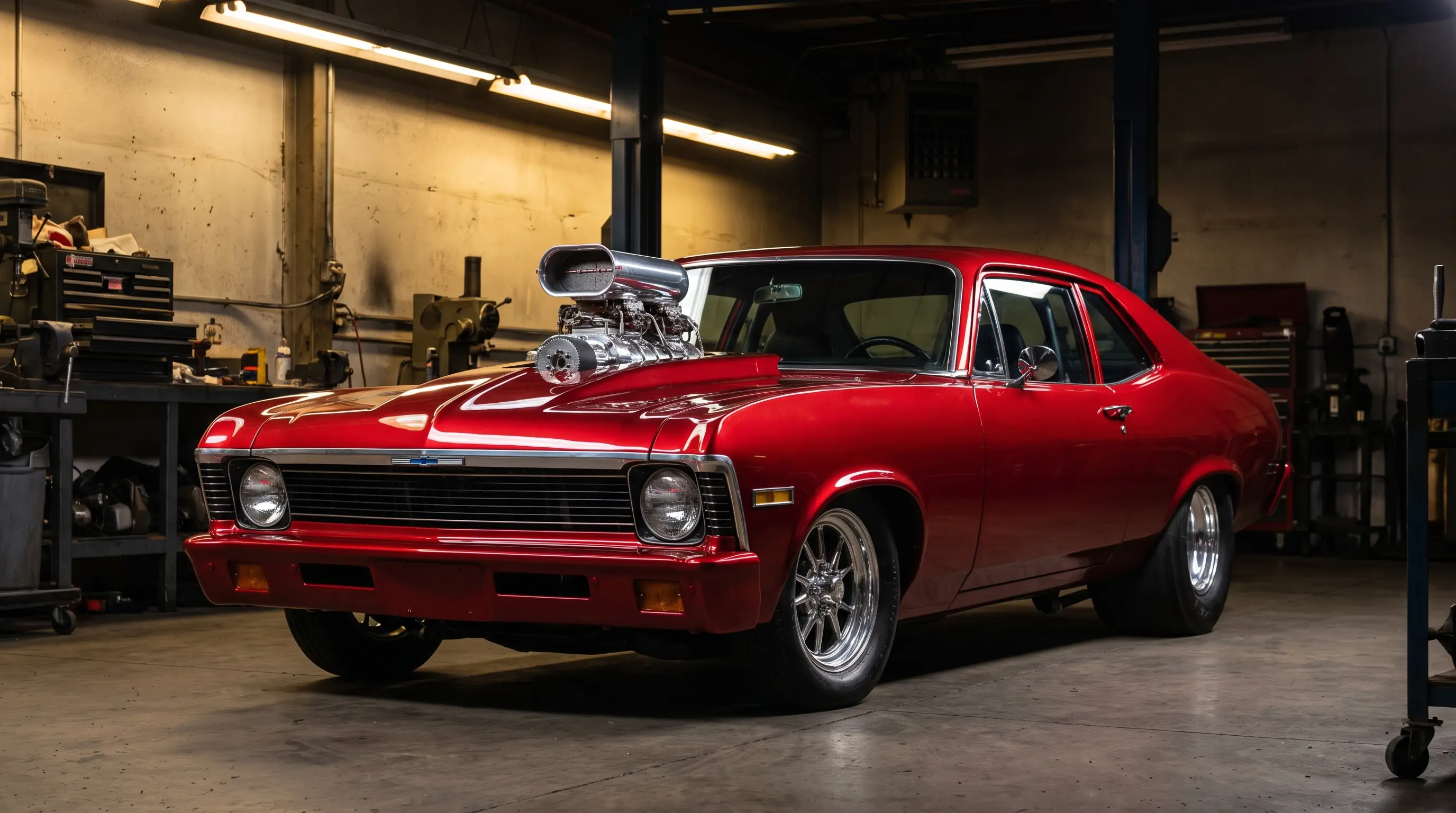
I once watched a man walk past a whole row of tubbed cars without slowing down, then stop dead in front of a 1968 Nova and just stand there. He was not looking at the paint or the blower. He was looking at the shape, the honest, boxy, ready-to-fight shape that made that body a favorite of Pro Street builders for decades. Certain bodies just work for this style, and certain bodies fight it. The pro street muscle cars that became icons almost always started life as one of a small handful of platforms, and understanding why is understanding the soul of the whole movement.
Builders did not pick their canvases at random. A body had to have the right proportions, the right trunk and floor structure to accept the tubs, and the right cultural weight to justify the work. Over the golden era and the revival, a clear cast of favorites emerged. These were the muscle bodies that looked right with the tail in the air and the tires stuffed underneath, and they are still the bodies you see most often when the crowd gathers. Let me walk you through the platforms that mattered, and why each one earned its place.
The Chevy II and Nova, the people's canvas
If there is a single body that says Pro Street to most people, it is the Chevy Nova, especially the 1968 through 1974 generation. The reason is simple and it is the reason for almost everything in this hobby. The Nova was cheap, plentiful, and light, with a simple boxy shape that took a tub job beautifully and a front end that could swallow a big-block without complaint. A kid with a modest budget could find one, and the aftermarket supported it endlessly.
That accessibility made the Nova the people's Pro Street car. It was the body a first-time builder chose to prove himself and the body a veteran chose when he wanted a clean, no-excuses canvas. The proportions are honest. Nose down, tail up, fat tires under the quarters, a Nova looks like it was designed for this from the factory even though nothing could be further from the truth. It remains one of the most common starting points for a build to this day.
The first-generation Camaro and the Mustang
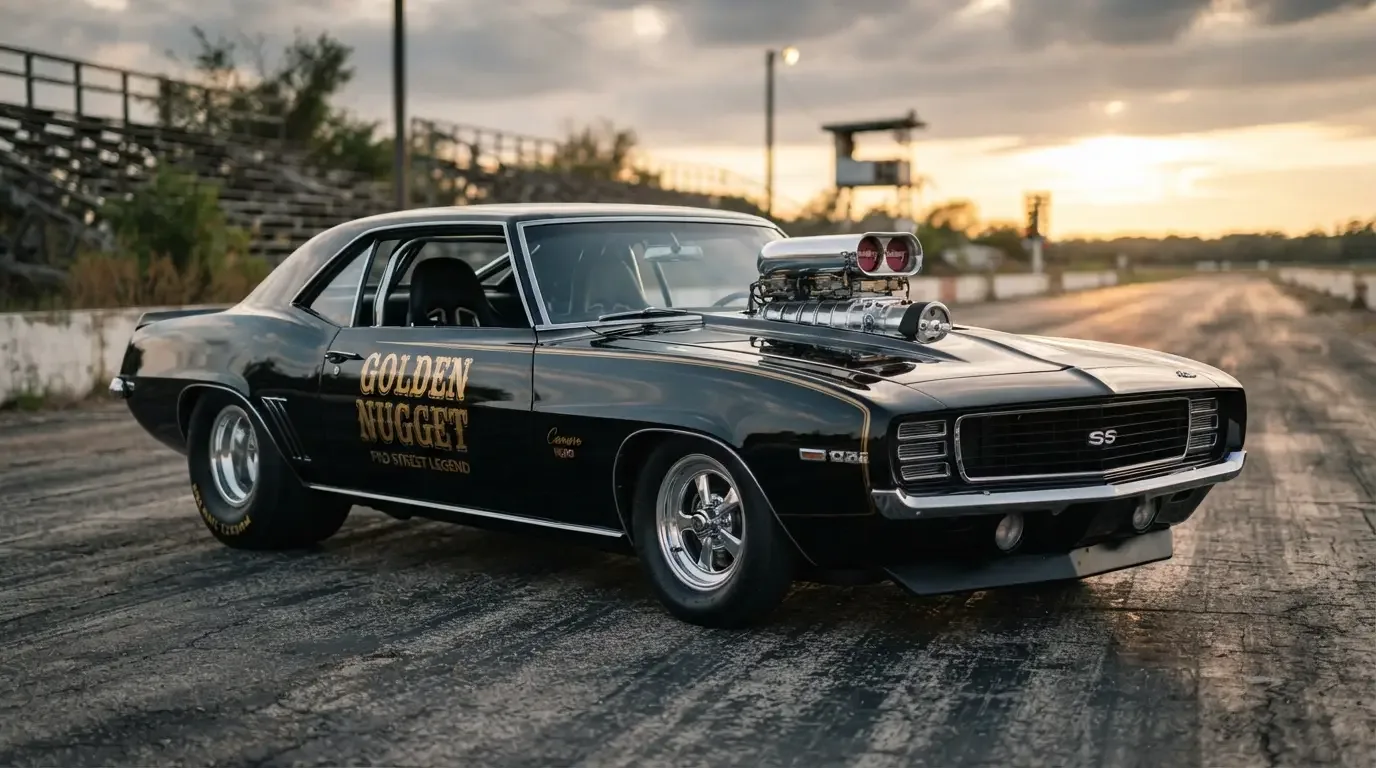
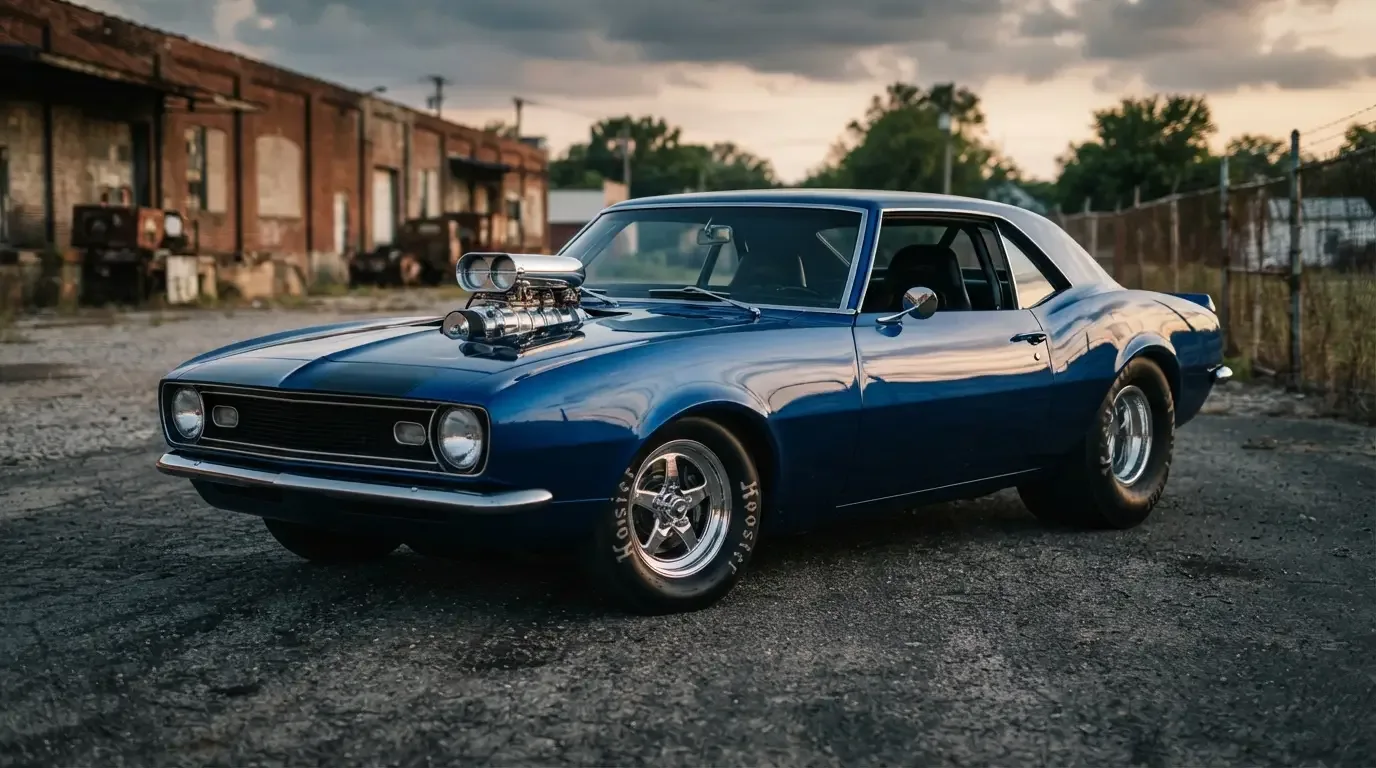
Where the Nova was the everyman's choice, the 1967 to 1969 Camaro was the body a builder chose when he wanted presence. That first-generation shape carries an aggression the Nova does not, a long hood and a stance that already looks fast standing still. Tub one, drop the nose, and stuff a blown big-block through the hood, and you have a car that photographs like a predator. It is no accident that so many magazine-cover Pro Street cars wore that body.
Ford's answer, the early Mustang, held its own too, though the Chevy bodies dominated the numbers. A fastback Mustang made a striking Pro Street car, and the Blue Oval faithful built plenty of memorable examples. The rivalry that had defined the muscle era carried straight into the tubbed world, with Camaro guys and Mustang guys arguing in show fields the same way their fathers had argued at the strip a decade earlier. That continuity is part of what makes these pro street muscle cars feel like the natural next chapter of the muscle car story.
| Platform | Why builders chose it |
|---|---|
| 1968 to 1974 Chevy Nova | Cheap, light, boxy, and easy to tub, the everyman's canvas |
| 1967 to 1969 Camaro | Aggressive stance and long hood, a natural cover car |
| 1965 to 1970 Mustang | Ford's champion, striking as a tubbed fastback |
| 1955 to 1957 Chevy | Tri-Five bodies crossed over from hot rodding with instant character |
| 1962 to 1967 Chevy II | Compact and clean, a favorite for tidy, well-proportioned builds |
The Tri-Five Chevy, hot rod royalty goes Pro Street
The 1955, 1956, and 1957 Chevrolets came to Pro Street with a head start. These Tri-Five bodies had been hot rod royalty for decades before the tubbed movement existed, so builders already loved them and understood them. Sitting one down over a set of huge rear tires gave the old shape a menace it had never had, and the result bridged two eras of American car culture in a single machine.
A Pro Street Tri-Five is a particular kind of statement. It says the builder respects the deep tradition of hot rodding and also wants the drag-strip drama of the tubbed look. Done right, it is one of the most striking things in any show field, the classic chrome and glass of the 1950s riding on the aggressive rubber of the 1980s. The combination should not work as well as it does, and yet it is unforgettable every time.
Mopar and the Ford faithful hold the line
Chevrolet dominated the numbers, but it would be a mistake to think Pro Street was a Bowtie-only affair. The Mopar crowd brought their own bodies to the party, and a tubbed Dodge or Plymouth from the muscle era carries a menace all its own. The slab-sided B-body cars, the compact A-bodies, even the occasional wild E-body, all found builders willing to do the work. A Pro Street Mopar was rarer than a Chevy, and that rarity gave it a certain prestige in the show field.
The reason Mopar bodies showed up less often comes down to the same economics that made the Nova king. They were harder to find, often more expensive, and the parts support did not run as deep. But the builders who committed to them were rewarded with a car that stood apart from the sea of Camaros and Novas. When a tubbed Road Runner or Dart rolled into a show, people noticed precisely because they did not see one every weekend.
Ford loyalists carried their own torch beyond the Mustang. Fairlanes, Falcons, and the occasional full-size Ford all got the treatment from builders who refused to switch teams. The point is that Pro Street was never really about one brand. It was about a recipe that could be applied to almost any classic American body, and the diversity of platforms is a big part of why the movement stayed interesting for so long. Every make had its faithful, and every faithful had a body they swore was the best canvas of all.
What the wilder platforms tell us
Not every Pro Street build started with an obvious muscle body. Part of the fun of the movement was watching a builder tackle something unexpected, a full-size sedan, a pickup, an oddball body that nobody thought could carry the look. Those wild-card builds rarely became the templates that the Nova and Camaro did, but they proved something important about the scene. There were no rules except the recipe itself. Tubbed rear, exposed engine, drag car stance, street legal on paper.
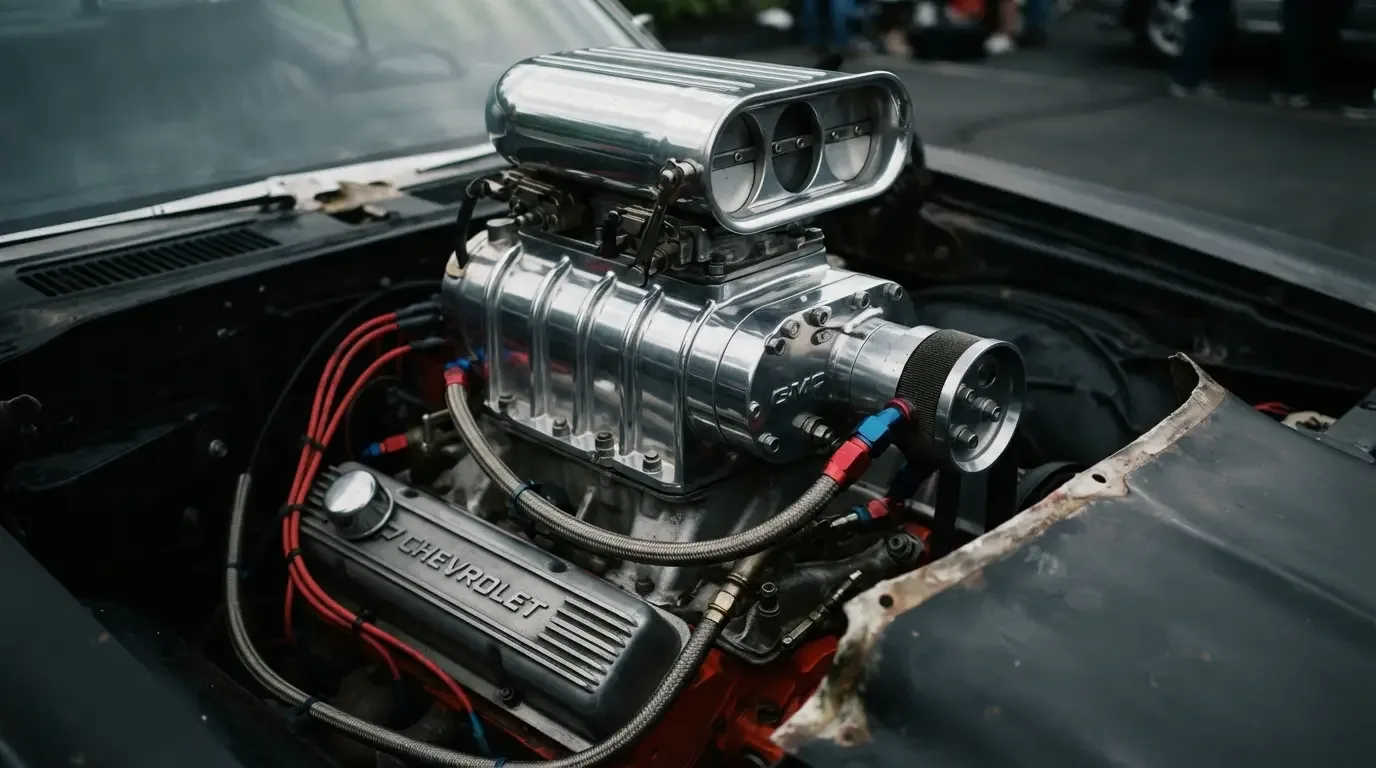
The engines those platforms carried are a whole story of their own, especially once superchargers became the signature. If the mechanical side pulls at you, there is more from this era worth reading about how forced induction became the face of Pro Street. And if you want the broad view of how these bodies and builds fit into the larger movement, there is more on the pro street cars to explore.
Why the platform still shapes the car
Decades on, the choice of body still tells you almost everything about a Pro Street car before you read a single spec. A Nova signals accessibility and honest craft. A first-gen Camaro signals ambition and presence. A Tri-Five signals a builder steeped in the deeper hot rod tradition. The platform is the first decision and the one every other decision has to live with, and the great builds are always the ones where body and vision matched from the start.
That is why the same handful of shapes keep coming back, golden era and revival alike. They are the bodies that were born, purely by accident of design, to wear this look. If any of these platforms speak to you and you want to see how they survive today, you can find a classic Pro Street car built on the very bones this style was made for.
The revival gave the old platforms new life
When the tubbed look came roaring back in the 2000s, the platform choices did not change much, and that tells you something. Builders reaching for the revival still reached for the Nova, the Camaro, the Tri-Five, the same bodies that defined the golden era. The recipe had proven itself, and there was no reason to fight it. What changed was the execution. Modern tires, better chassis engineering, and cleaner fabrication let the classic shapes wear the look better than ever.
The revival also brought a wave of restored originals back into the light, and suddenly you could stand in a show field and compare a period 1980s Nova build against a fresh revival Nova built on the same bones. Same body, thirty years apart, and the conversation between them is fascinating. You see how the fundamentals held while the details evolved. The old car has the history. The new one has the polish. Both are unmistakably Pro Street, and both start with the same handful of shapes.
I love that continuity. It means a kid getting into the hobby today is choosing from the same menu of bodies his grandfather chose from, chasing the same proportions and the same attitude. The platforms are the thread that ties the whole movement together across the decades. Trends in paint and power come and go, but the Nova with its tail in the air looks right in 1985 and looks right today, and it will still look right long after all of us have handed the wrenches to somebody younger.
"The body is the first thing a builder commits to and the last thing he can change. Pick the right shape and the whole car flows from it. Pick wrong and you will fight the thing all the way to the show field."
- Patrick Walsh